
When Call of Duty: Vanguard launched in 2021, it arrived with high expectations. Positioned as a narrative-driven successor to World War II, which had redefined the franchise’s return to historical warfare in 2017, Vanguard promised deeper storytelling, refined mechanics, and a more immersive wartime experience. But did it actually improve upon its predecessor? Or did it lose the essence that made WWII so compelling? The answer isn’t simple—it depends on what players value most in their CoD experience.
At first glance, both games share DNA: gritty World War II settings, squad-based combat, and cinematic single-player campaigns. Yet beneath the surface, significant shifts in design philosophy, technical execution, and multiplayer balance reveal a series grappling with evolution and identity.
Storytelling Ambition vs. Emotional Impact
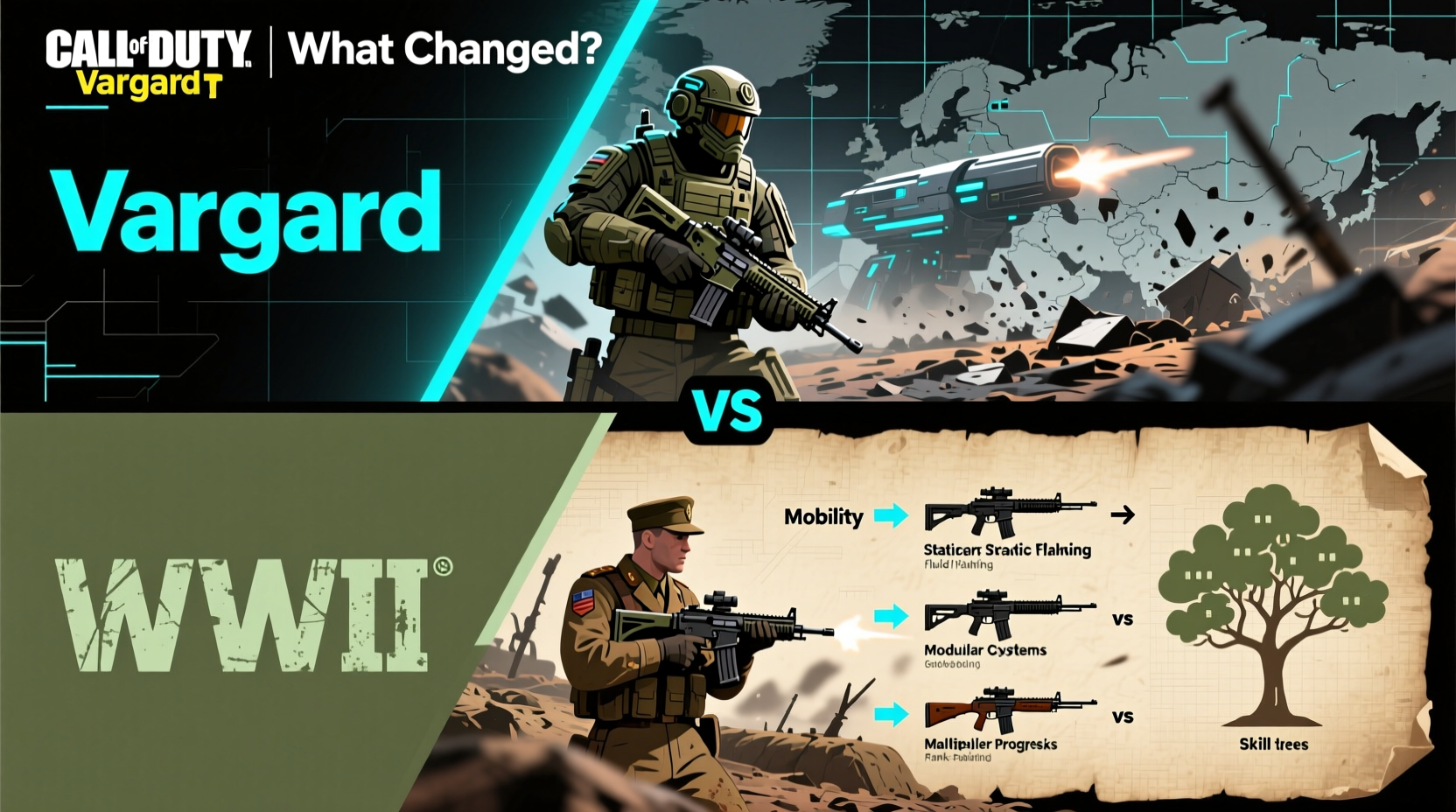
Vanguard aimed to elevate the narrative scope by weaving together multiple international perspectives—British, American, Soviet, and Australian operatives—across different theaters of war. This anthology-style approach was meant to offer a broader view of the conflict. However, while ambitious, the fragmented structure diluted emotional investment. Each character arc felt rushed, lacking the focused intensity of Red Daniels’ journey in *WWII*.
In contrast, *WWII* delivered a tightly paced campaign centered on the bond between soldiers. Its quieter moments—like playing cards behind the lines or writing letters home—added humanity to the chaos. Vanguard prioritized plot twists and dramatic reveals over character development, often at the expense of authenticity.
“We wanted to show how global the war truly was,” said Haden Blackman, Creative Director at Sledgehammer Games. “But we also learned that scale doesn’t always translate to connection.”
The quote reflects a critical insight: expanding scope can come at the cost of intimacy. For many players, *WWII*’s grounded portrayal of brotherhood under fire resonated more deeply than Vanguard’s cinematic but impersonal ensemble cast.
Multiplayer Evolution: Progression and Gunplay
Mechanically, *Vanguard* introduced several refinements to multiplayer. One of the most notable was the **Class System**, allowing players to build custom kits before spawning into matches—a departure from the traditional Create-a-Class menu. While this encouraged strategic pre-planning, some found it restrictive compared to the flexibility of *WWII*’s loadout system.
Gunplay in *Vanguard* leaned toward faster movement speeds and tighter time-to-kill (TTK), aligning more closely with modern CoD standards. Weapons felt punchier, with improved visual feedback and sound design. However, this shift alienated fans who appreciated *WWII*’s slightly heavier, more deliberate combat rhythm.
Key Multiplayer Differences at a Glance
| Feature | Call of Duty: WWII | Call of Duty: Vanguard |
|---|---|---|
| Time-to-Kill (TTK) | Moderate (~500ms) | Faster (~350ms) |
| Loadout Customization | Create-a-Class (in-match access) | Preset Classes (pre-match only) |
| Movement Speed | Classic CoD pace | Enhanced sprint & slide-canceling |
| Scorestreaks | Points-based accumulation | Contract-based earning |
| Map Design Philosophy | Balanced lanes, medium-sized | Verticality-focused, compact layouts |
The contract system in *Vanguard*, where players earn points through specific objectives (like getting headshots or repairing equipment), added a layer of objective-driven gameplay. While innovative, it sometimes felt disconnected from core combat, especially for casual players unfamiliar with meta-driven progression.
Technical Performance and Map Design
From a technical standpoint, *Vanguard* benefited from newer engine optimizations, resulting in cleaner textures, better lighting, and smoother performance across platforms. The game also supported cross-play and cross-progression from launch, improving accessibility and matchmaking speed.
Map design took a noticeable turn toward verticality and tight sightlines. Maps like *Berlin ’44* and *Iwo Jima* emphasized flanking routes and elevated positions, encouraging aggressive tactics. In comparison, *WWII* maps such as *Stalingrad* and *Monte Cassino* offered wider open zones, supporting both long-range engagements and close-quarters brawls.
This shift altered how teams coordinated. In *WWII*, suppression and cover usage were vital. In *Vanguard*, mobility and map control dominated. Neither is objectively better—but they cater to different player preferences.
A Real-World Example: The Competitive Shift
Consider Alex Rivera, a mid-tier competitive player who participated in local CoD leagues during both titles' peaks. When *WWII* was active, his team thrived on coordinated pushes using suppressive fire and grenade combinations. Matches lasted longer, and positioning mattered more than raw reflexes.
With the switch to *Vanguard*, he noticed an immediate change: “Our old strategies didn’t work anymore. Everyone was sliding around corners, peeking fast, and winning duels before we could react. We had to retrain our entire playstyle.”
Rivera eventually adapted by focusing on weapon handling and movement drills. His experience mirrors that of many veterans—some embraced the faster pace; others missed the methodical rhythm of *WWII*.
What Changed Behind the Scenes?
Beyond gameplay, the development cycle tells part of the story. *WWII* was developed by Sledgehammer Games after years working on futuristic entries (*Advanced Warfare*, *AWII*). Their goal was to strip back sci-fi elements and return to roots. The result was praised for its authenticity and restraint.
*Vanguard*, also led by Sledgehammer, faced tighter deadlines and higher pressure to integrate with the broader *Warzone* ecosystem. This likely contributed to a leaner campaign (only 6 hours long) and fewer post-launch content drops compared to *WWII*. Additionally, Vanguard’s integration with *Warzone* brought Nazi zombies into the battle royale map—a controversial move among fans seeking historical respect.
Actionable Checklist: Getting the Most Out of Vanguard
- Master slide-canceling – It’s essential for maintaining momentum in gunfights.
- Experiment with preset classes – Build at least three optimized kits for different roles (sniper, rusher, support).
- Focus on contracts early – Completing them unlocks XP boosts and gear faster.
- Use audio cues strategically – Footsteps and gunfire reflections are clearer in Vanguard due to improved sound design.
- Play with aim assist settings tuned – On console, even small sensitivity adjustments impact consistency.
Frequently Asked Questions
Is Vanguard’s campaign harder than WWII’s?
No, the difficulty levels are comparable, but Vanguard feels faster-paced. Enemy AI reacts more aggressively, and checkpoints are slightly farther apart, which may make sections feel tougher.
Can I still play WWII multiplayer today?
Officially, Activision ended major updates for WWII in 2019. While servers remain online for now, player counts are low, and there’s no guarantee of long-term availability.
Which game has better weapons balance?
This is subjective. *WWII* offered a nostalgic, weighty feel to firearms. *Vanguard* provides tighter tuning and less bullet spread, favoring precision. Competitive players often prefer Vanguard’s balance, while purists lean toward WWII’s realism.
Final Verdict: Better or Just Different?
Calling *Vanguard* “better” than *WWII* oversimplifies a nuanced comparison. In terms of technical polish, movement systems, and integration with live-service features like Warzone, *Vanguard* represents a step forward. Its gunplay is sharper, its visuals cleaner, and its multiplayer more aligned with current CoD standards.
However, *WWII* excelled in atmosphere, emotional depth, and a sense of historical reverence. It reminded players of the human cost of war—not just through explosions, but through silence, camaraderie, and loss. That tone hasn’t carried forward as strongly.
If you value innovation, speed, and modern mechanics, *Vanguard* likely feels like an upgrade. But if you cherish storytelling, immersion, and a slower, more deliberate combat flow, *WWII* remains unmatched in the recent lineup.




 浙公网安备
33010002000092号
浙公网安备
33010002000092号 浙B2-20120091-4
Comments
No comments yet. Why don't you start the discussion?