
As home cooking evolves with greater attention to health and sustainability, the materials we use in our kitchens matter more than ever. Among the most debated choices is the type of nonstick coating used in cookware. For years, conventional nonstick pans—coated with polytetrafluoroethylene (PTFE), commonly known by the brand name Teflon—have dominated stovetops. But concerns over chemical exposure and environmental impact have pushed consumers toward alternatives like ceramic-coated cookware. The central question remains: Is ceramic cookware actually better than traditional nonstick when it comes to health safety and long-term durability?
The answer isn't simple. While ceramic options offer notable advantages in terms of chemical-free surfaces and initial performance, they also come with trade-offs in longevity and heat tolerance. Understanding the differences between these two types of cookware can help you make a decision that aligns with your cooking habits, health priorities, and budget.
Understanding Ceramic vs. Traditional Nonstick Coatings
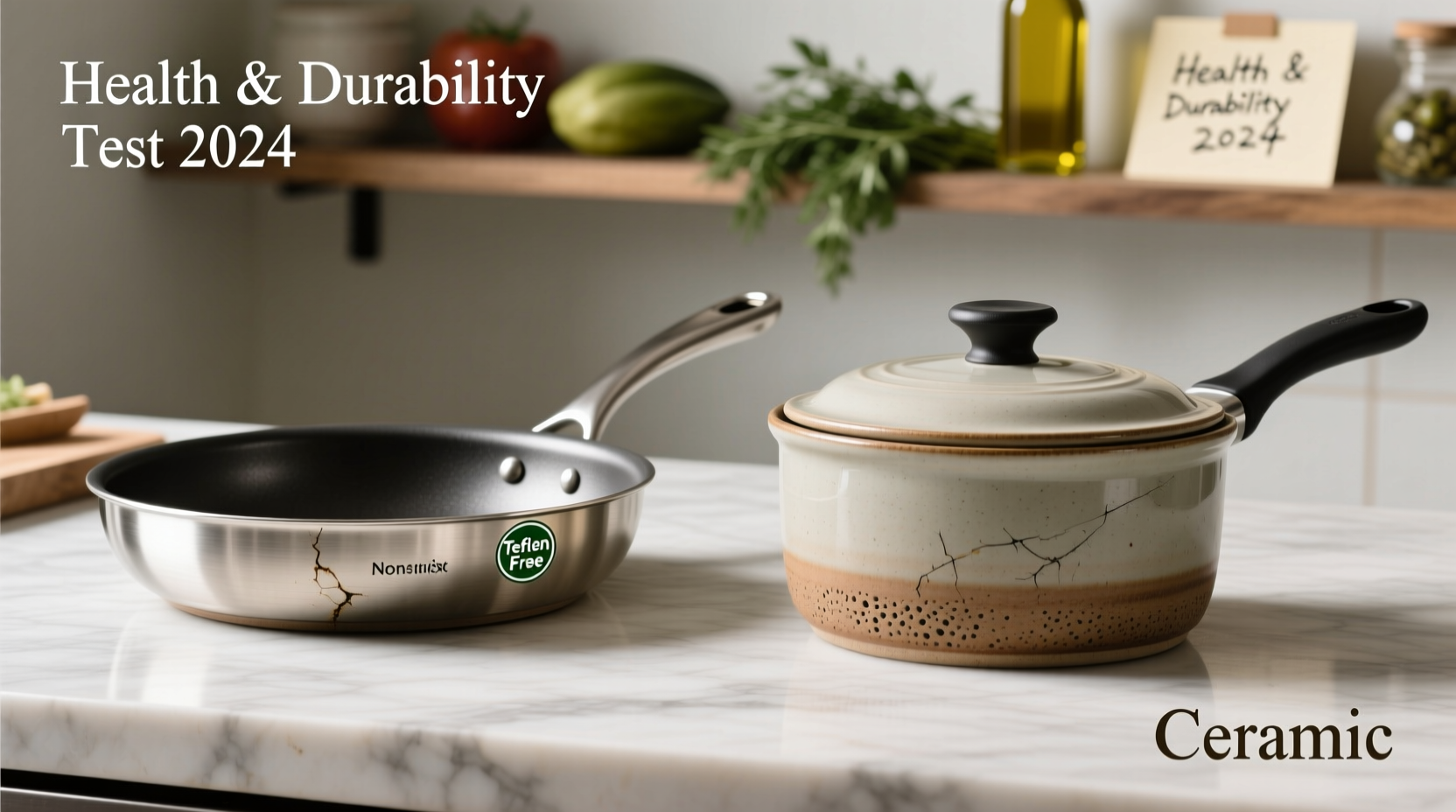
Ceramic and traditional nonstick coatings serve the same basic function: to prevent food from sticking to the pan surface. However, their composition, manufacturing process, and behavior under heat differ significantly.
Ceramic cookware typically features a metal base—often aluminum—coated with a sol-gel derived silicon-based layer. This coating is inorganic and free from PTFE, perfluorooctanoic acid (PFOA), PFAS (\"forever chemicals\"), lead, and cadmium. The result is a slick, naturally nonstick surface that performs well at moderate temperatures and is marketed as a healthier alternative.
Traditional nonstick cookware, on the other hand, relies on a synthetic polymer coating made from PTFE. When properly maintained and not overheated, modern PTFE-based pans are considered safe by regulatory bodies like the U.S. Food and Drug Administration (FDA). However, when heated above 500°F (260°C), PTFE can degrade and release toxic fumes, which may cause flu-like symptoms in humans—a condition known as polymer fume fever.
Health Implications: What Science Says
One of the primary reasons consumers switch to ceramic cookware is concern about chemical exposure. Traditional nonstick coatings have been linked to environmental and health issues due to the historical use of PFOA in their production. Although PFOA has been phased out of U.S. manufacturing since 2014, its persistence in the environment and potential links to thyroid disease, infertility, and certain cancers have left lasting public skepticism.
Ceramic coatings are generally considered inert and non-toxic, even at high temperatures. According to Dr. Alan Greene, pediatrician and environmental health advocate, “Ceramic cookware eliminates exposure to fluorinated chemicals found in traditional nonstick surfaces, making it a safer option for families, especially those with young children.”
“Switching to ceramic or other non-PFAS cookware is a low-cost way to reduce cumulative chemical exposure in the kitchen.” — Dr. Alan Greene, MD, Author of *Raising Baby Green*
However, it's important to note that not all ceramic cookware is created equal. Some lower-quality brands may use coatings that contain nanoparticles or undisclosed binders. While current research does not show significant health risks from nano-sized silica in ceramic coatings, long-term studies are limited. To minimize risk, choose reputable brands that disclose their materials and are certified by third parties such as GREENGUARD or OEKO-TEX.
In contrast, modern PTFE-based nonstick pans are safe under normal cooking conditions. The key risk arises when they are overheated. A study published in *Environmental Science & Technology* found that heating PTFE pans above 570°F releases at least six toxic gases, including two carcinogens. Since many cooking techniques—like searing steak or preheating an empty pan—can exceed this threshold, caution is warranted.
Durability and Long-Term Performance
While ceramic cookware wins points for health safety, it often falls short in durability. Most ceramic-coated pans begin to lose their nonstick properties within one to three years, depending on usage and care. The coating is more susceptible to scratching from metal utensils, abrasive cleaning pads, and dishwasher cycles.
Traditional nonstick pans, while also sensitive to high heat and physical abrasion, tend to maintain performance longer if properly cared for. High-end PTFE models with reinforced layers (such as triple or diamond-infused coatings) can last four to five years with moderate use.
Heat resistance is another critical factor. Ceramic coatings are generally stable up to around 450°F (230°C), whereas quality PTFE coatings can withstand temperatures up to 500°F (260°C) before degradation begins. This makes traditional nonstick slightly more versatile for browning, searing, and oven use—provided temperature control is maintained.
| Feature | Ceramic Cookware | Traditional Nonstick (PTFE) |
|---|---|---|
| Free from PFOA/PFAS | ✅ Yes | ✅ Yes (in modern products) |
| Toxic fumes when overheated | ❌ No (coating breaks down but no toxic fumes) | ✅ Yes (above 500°F) |
| Max Safe Temperature | ~450°F (230°C) | ~500°F (260°C) |
| Average Lifespan | 1–3 years | 2–5 years |
| Dishwasher Safe | ⚠️ Often not recommended | ⚠️ Varies by brand |
| Metal Utensil Safe | ❌ No | ❌ No |
| Oven Safe | ✅ Limited (check manufacturer) | ✅ Yes (with lid limitations) |
Real-World Example: A Home Cook’s Experience
Sophia, a home cook from Portland, switched to ceramic cookware two years ago after reading about PFAS in drinking water and its links to nonstick production. She invested in a well-known ceramic brand, excited by the promise of a toxin-free kitchen. Initially, she loved the smooth cooking surface and easy cleanup. Eggs slid right off, and cleanup required only a quick wipe.
But within 18 months, she noticed the surface becoming less effective. Scrambled eggs began to stick, and she had to use more oil to compensate. After accidentally using a metal spatula once, visible scratches appeared, and food started catching in the grooves. By month 24, she replaced the set.
In contrast, her old PTFE-based skillet, used primarily for omelets and pancakes, lasted nearly four years with careful hand-washing and wooden tools. Though she appreciated its longevity, she remained uneasy about heating it empty during preheating—an accident that once filled her kitchen with a sharp, acrid smell.
Sophia now uses a hybrid approach: a ceramic pan for low-heat weekday meals and a high-quality PTFE pan for weekend cooking, always monitoring temperature with an infrared thermometer. Her experience reflects a growing trend—many consumers aren’t choosing one material exclusively but instead matching cookware to specific tasks and safety thresholds.
How to Maximize the Lifespan of Any Nonstick Pan
No matter which type of nonstick cookware you choose, proper care dramatically affects how long it lasts. Follow this step-by-step guide to extend the life of your pans:
- Use low to medium heat only. Avoid cranking the burner to high, especially with ceramic or PTFE coatings.
- Preheat gently. Never preheat an empty pan. Add a small amount of oil or water before turning on the heat.
- Choose the right utensils. Use wood, silicone, or nylon tools. Metal tongs, spoons, or spatulas will scratch the surface.
- Hand-wash whenever possible. Dishwasher detergents are highly alkaline and can degrade nonstick coatings over time.
- Store carefully. Stack pans with protective liners (cloth or paper towels) to prevent scratching.
- Replace when damaged. If the coating is peeling, cracked, or deeply scratched, discontinue use—ingesting flakes is not advised.
Choosing the Right Option: A Practical Checklist
Still unsure which cookware suits your needs? Use this checklist to guide your decision:
- ✅ Do you prioritize chemical-free cooking? → Ceramic may be better
- ✅ Do you frequently cook at high heat (e.g., searing, stir-frying)? → Traditional nonstick handles heat slightly better
- ✅ Are you willing to replace pans every 2–3 years? → Ceramic is viable
- ✅ Do you use metal utensils or dishwasher regularly? → Neither type is ideal; consider cast iron or stainless steel instead
- ✅ Are you cooking for children or pregnant individuals? → Ceramic reduces chemical exposure concerns
- ✅ Is budget a constraint? → Entry-level ceramic and nonstick are similarly priced; premium versions vary
If you value both safety and durability, consider upgrading to alternative materials like hard-anodized aluminum with ceramic-reinforced coatings or investing in well-seasoned cast iron for high-heat tasks. These options eliminate chemical concerns and offer decades of service with proper maintenance.
Frequently Asked Questions
Is ceramic cookware completely non-toxic?
High-quality ceramic cookware made without nanoparticles and from reputable brands is considered non-toxic. The coating is inert and does not release harmful fumes when overheated, unlike PTFE. However, ensure the product is certified by independent labs to avoid hidden chemicals.
Can I use ceramic pans on induction stoves?
Yes, but only if the base is made of magnetic stainless steel or has an induction-compatible layer. Check the product specifications before purchasing. Many ceramic-coated pans are designed for induction, but not all.
Why do ceramic pans lose their nonstick quality so quickly?
The sol-gel coating used in ceramic pans is thinner and more delicate than PTFE. Repeated heating, cooling, and mechanical abrasion weaken the surface over time. Using improper tools or cleaners accelerates this wear.
Final Thoughts: Making a Sustainable, Health-Conscious Choice
The debate between ceramic and traditional nonstick cookware ultimately hinges on your personal priorities. If minimizing exposure to synthetic chemicals is your top concern—especially in households with children, pregnant individuals, or those with chemical sensitivities—ceramic cookware offers a compelling advantage. Its non-toxic profile and eco-friendly marketing make it a responsible choice for health-conscious consumers.
However, if durability, consistent performance, and higher heat tolerance are more important, high-quality PTFE-based nonstick pans remain a practical option—as long as they are used responsibly. Avoid overheating, use gentle tools, and replace them when signs of wear appear.
The future of nonstick technology is moving toward hybrid solutions: ceramic-infused coatings, diamond-reinforced layers, and improved heat distribution. Until then, the smartest approach is not to seek a single “best” material, but to build a diverse cookware collection tailored to different cooking methods and safety standards.




 浙公网安备
33010002000092号
浙公网安备
33010002000092号 浙B2-20120091-4
Comments
No comments yet. Why don't you start the discussion?