
Soda has been a staple in American diets for over a century. From its fizzy texture to its sweet flavor, it’s no wonder millions reach for a can daily. But behind the refreshing sensation lies a growing body of scientific evidence pointing to serious health concerns. While an occasional soda may not cause immediate harm, regular consumption—especially of sugary varieties like Coca-Cola—can lead to long-term consequences. Understanding the full scope of these risks is essential for making informed choices about what we drink.
The Sugar Problem: How Much Is Too Much?
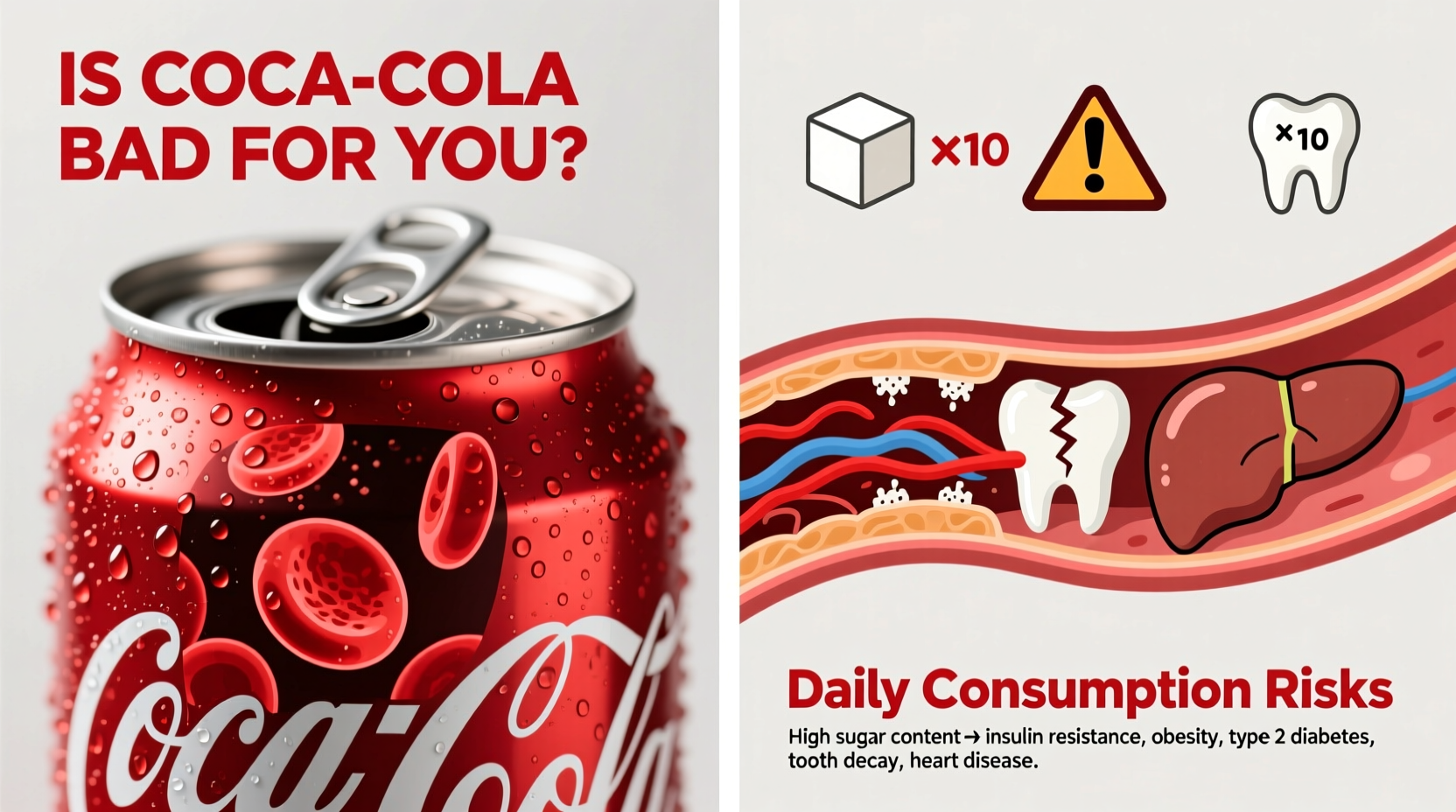
A single 12-ounce can of Coca-Cola contains 39 grams of sugar—nearly 10 teaspoons. The American Heart Association recommends no more than 25 grams (6 teaspoons) of added sugar per day for women and 36 grams (9 teaspoons) for men. One can of soda alone exceeds or nearly meets these limits.
When consumed in excess, sugar floods the bloodstream rapidly, causing insulin spikes. Over time, this repeated stress can contribute to insulin resistance, a precursor to type 2 diabetes. Unlike natural sugars found in fruit, which come with fiber and nutrients, the high-fructose corn syrup in soda delivers empty calories with no nutritional benefit.
Weight Gain and Obesity: The Metabolic Impact
Liquid calories are particularly problematic because they don’t trigger satiety the way solid food does. Drinking a soda doesn’t make you feel full, so you’re likely to consume additional calories without realizing it. Studies consistently link regular soda intake with increased body mass index (BMI) and higher rates of obesity.
Research published in the New England Journal of Medicine found that individuals who drank one or more sugary beverages per day had a 27% greater risk of becoming obese over time compared to those who rarely drank them. The effect was even more pronounced in children and adolescents, whose developing metabolisms are especially vulnerable to sugar overload.
“Sugary drinks are the single largest source of added sugar in the American diet and a major driver of the obesity epidemic.” — Dr. Frank Hu, Professor of Nutrition and Epidemiology, Harvard T.H. Chan School of Public Health
Dental Damage: More Than Just Cavities
The combination of sugar and acid in soda creates a perfect storm for tooth decay. Bacteria in the mouth feed on sugar and produce acid as a byproduct, weakening enamel. But soda itself is also highly acidic—with a pH between 2.5 and 3.5—which means it directly erodes tooth enamel through chemical wear, a process known as dental erosion.
This dual attack increases the risk of cavities, sensitivity, discoloration, and even tooth loss over time. Even diet sodas, which lack sugar, remain acidic and can still damage teeth. Frequent sipping throughout the day prolongs exposure, worsening the effect.
Protecting Your Teeth: Practical Steps
- Avoid swishing soda in your mouth or holding it before swallowing.
- Use a straw to minimize contact with teeth.
- Wait at least 30 minutes before brushing after drinking soda—brushing immediately can spread acid and increase enamel wear.
- Rinse with water after consumption to help neutralize acids.
Long-Term Health Risks Beyond Weight and Teeth
The dangers of regular soda consumption extend well beyond weight gain and dental issues. Emerging research links frequent intake to a range of chronic conditions:
- Type 2 Diabetes: A meta-analysis of over 300,000 participants found that one to two sugary drinks per day increased diabetes risk by 26%.
- Heart Disease: High sugar intake raises triglycerides, blood pressure, and inflammation—all key risk factors for cardiovascular disease.
- Fatty Liver Disease: Fructose is primarily metabolized in the liver. Excess fructose from soda can lead to non-alcoholic fatty liver disease (NAFLD), even in people who are not overweight.
- Kidney Function: Some studies suggest cola consumption is linked to reduced kidney function and a higher risk of kidney stones, possibly due to phosphoric acid and dehydration.
| Health Condition | Associated Risk from Regular Soda | Key Contributing Factor |
|---|---|---|
| Obesity | Up to 27% increased risk | High calorie, low satiety |
| Type 2 Diabetes | 26% higher risk | Insulin resistance from sugar |
| Heart Disease | Significantly elevated markers | Triglycerides, inflammation |
| Fatty Liver | Doubled risk with daily intake | Fructose metabolism |
| Tooth Decay | 5x higher in frequent drinkers | Sugar + acid erosion |
Diet Soda: A Safer Alternative?
Many switch to diet soda believing it eliminates the risks. While it avoids sugar and calories, artificial sweeteners like aspartame, sucralose, and acesulfame potassium come with their own controversies. Some observational studies suggest a link between diet soda and increased waist circumference, metabolic syndrome, and even stroke risk—though causation remains debated.
Possible explanations include altered gut microbiota, increased cravings for sweet foods, and psychological licensing (“I saved calories on my drink, so I can eat more later”). Additionally, the intense sweetness of artificial sweeteners may reinforce sugar preferences, making naturally sweet foods like fruit less appealing.
Real-Life Example: Maria’s Experience
Maria, a 38-year-old office worker, drank two cans of regular Coke daily for over 15 years. She began experiencing fatigue, bloating, and frequent urination. At her annual check-up, her doctor diagnosed prediabetes and elevated liver enzymes. Shocked, she decided to eliminate soda completely. Within six months of switching to water and herbal tea, her energy improved, she lost 18 pounds, and her blood markers returned to normal. “I didn’t think a drink could do that,” she said. “Now I tell everyone: that can of soda isn’t harmless.”
How to Reduce or Quit Soda: A Step-by-Step Guide
- Track your current intake. Write down how many sodas you drink daily and when. Awareness is the first step toward change.
- Set a reduction goal. Aim to cut back by one can every three days rather than quitting cold turkey.
- Find satisfying alternatives. Try flavored sparkling water, unsweetened iced tea, or infused water with lemon, cucumber, or berries.
- Address triggers. If you drink soda with meals or during stress, replace the habit with a new ritual—like a glass of water or a short walk.
- Reframe your mindset. Instead of thinking “I can’t have soda,” focus on “I’m choosing drinks that support my health.”
Checklist: Making the Switch from Soda
- ☑ Audit your weekly soda consumption
- ☑ Replace one daily soda with a healthier option
- ☑ Stock your fridge with alternatives like herbal tea or kombucha
- ☑ Carry a reusable water bottle to stay hydrated
- ☑ Celebrate small milestones—each week without soda is progress
Frequently Asked Questions
Can drinking one soda a day be harmful?
Yes. Even one daily serving of sugary soda has been linked to increased risks of obesity, type 2 diabetes, and heart disease over time. Occasional consumption is unlikely to cause harm, but daily intake adds up in terms of sugar, calories, and metabolic stress.
Is caffeine in Coke a health concern?
One can of Coke contains about 34 mg of caffeine—less than coffee but enough to affect sleep, anxiety, or blood pressure in sensitive individuals. For most adults, moderate caffeine is safe, but children and pregnant women should limit intake.
Are “natural” sodas or fruit-flavored colas healthier?
Not necessarily. Many “healthier” sodas still contain high levels of sugar or fruit juice concentrates. Always check the label. A drink labeled “natural” isn’t automatically low in sugar or safe for daily consumption.
Conclusion: Rethinking Your Drink Choices
Soda, especially sugary varieties like Coke, poses real and measurable risks to long-term health. From spiking blood sugar to damaging teeth and increasing the likelihood of chronic disease, the downsides far outweigh the temporary pleasure of a cold, fizzy drink. While moderation is key, the safest approach is to treat soda as an occasional indulgence rather than a daily habit.
Small changes—like swapping one soda for water or cutting your intake in half—can yield significant benefits over time. Your body responds quickly to better hydration and reduced sugar. Start today. Your future self will thank you.




 浙公网安备
33010002000092号
浙公网安备
33010002000092号 浙B2-20120091-4
Comments
No comments yet. Why don't you start the discussion?