
Cold plunging—immersing the body in cold water, typically between 50°F and 59°F (10–15°C)—has surged in popularity as a recovery tool, mental resilience builder, and wellness practice. While elite athletes and biohackers have long used it, more everyday individuals are now exploring its benefits. But for those new to the practice, a pressing question arises: is cold plunging safe for beginners?
The short answer is yes—when approached with caution, preparation, and gradual progression. Cold exposure can offer significant advantages, including reduced inflammation, improved circulation, enhanced mood, and better stress resilience. However, jumping in too quickly or ignoring personal health factors can lead to risks such as hypothermia, cardiovascular strain, or panic responses.
This guide breaks down how beginners can safely incorporate cold plunging into their routine, step by step, with actionable advice, expert insights, and real-world examples.
Understanding the Science Behind Cold Plunging
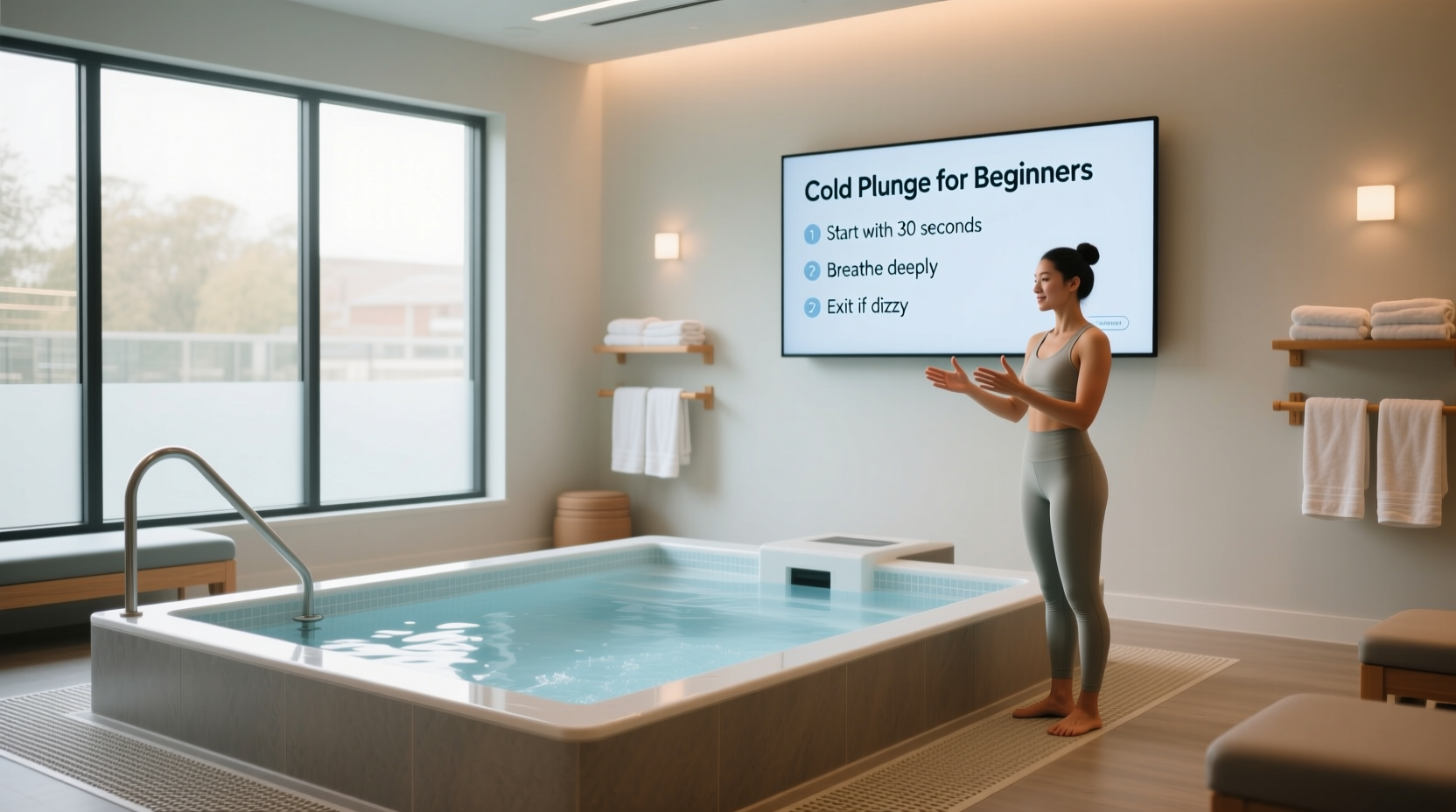
When the body is exposed to cold water, several physiological changes occur. Blood vessels constrict, reducing blood flow to extremities and protecting core organs. This vasoconstriction helps reduce swelling and muscle soreness after intense physical activity. As the body warms up post-plunge, vasodilation occurs, increasing circulation and delivering oxygen-rich blood to tissues.
Additionally, cold exposure stimulates the release of norepinephrine, a hormone and neurotransmitter linked to alertness, focus, and mood elevation. Studies have shown that regular cold exposure can increase baseline levels of this compound, potentially helping with symptoms of depression and fatigue.
“Cold water immersion, when done progressively, can train the nervous system to handle stress more effectively—both physically and mentally.” — Dr. Rhonda Patrick, Ph.D., biomedical researcher specializing in metabolism and aging
However, these benefits come with caveats. The autonomic nervous system responds intensely to sudden cold, triggering gasping, rapid breathing, and increased heart rate. For individuals with underlying heart conditions, this response can be dangerous. That’s why a slow, methodical introduction is essential.
Assessing Safety: Who Should Be Cautious?
While most healthy adults can safely begin cold plunging with proper precautions, certain groups should proceed with medical guidance or avoid it altogether:
- Individuals with cardiovascular conditions: High blood pressure, arrhythmias, or a history of heart attack may react poorly to the sudden stress of cold immersion.
- Pregnant women: Extreme temperature shifts are generally discouraged during pregnancy due to potential impacts on blood flow and fetal development.
- People with Raynaud’s disease or severe circulatory issues: These conditions impair normal blood flow regulation in response to cold.
- Those prone to fainting or with respiratory sensitivities: The initial shock can trigger hyperventilation or lightheadedness.
Step-by-Step Guide to Starting Cold Plunging Gradually
Jumping straight into an ice bath is not only uncomfortable—it’s unnecessary and potentially unsafe. A structured, progressive approach allows your body to adapt while minimizing risk. Follow this 4-week timeline to build tolerance naturally.
- Week 1: Cold Showers (Acclimation Phase)
Start at the end of your regular shower. Turn the dial to cold for 30 seconds. Focus on steady breathing—inhale deeply through the nose, exhale slowly through the mouth. Repeat daily, increasing duration by 10 seconds every few days. Goal: Reach 2 minutes by the end of the week. - Week 2: Targeted Immersion
Fill a bathtub with cold water (add ice if needed to reach ~60°F). Sit on the edge and submerge one limb at a time—start with feet, then alternate legs, then arms. Total time: 1–2 minutes. This introduces localized cold without full-body shock. - Week 3: Partial Submersion
Lower yourself into the tub so water reaches your waist or upper thighs. Keep arms out or wrapped around your torso. Stay for 1–3 minutes. Monitor for shivering—this is a natural signal, but prolonged shivering means it’s time to exit. - Week 4: Full-Body Exposure
Immerse your entire body (excluding head, unless comfortable). Begin with 1 minute and work up to 3–5 minutes. Maintain controlled breathing throughout. Never push through pain or dizziness.
“I started with 10 seconds of cold water at the end of my shower. Now, six months later, I do a 3-minute plunge three times a week. The key was patience—I didn’t rush it.” — Mark T., software engineer and beginner plunger
Essential Tips for a Safe and Effective Experience
Success with cold plunging isn’t just about enduring discomfort—it’s about smart technique and consistency. Consider these best practices:
- Breathe deliberately: Rapid, shallow breathing worsens the stress response. Practice box breathing: inhale for 4 counts, hold for 4, exhale for 4, hold for 4.
- Never plunge alone when starting: Have someone nearby during early sessions in case you feel dizzy or disoriented.
- Avoid alcohol or exhaustion before plunging: Impaired judgment or fatigue increases risk.
- Warm up gradually post-plunge: Avoid hot showers immediately after—this can cause blood pressure fluctuations. Instead, dry off and engage in light activity.
- Listen to your body: Shivering is normal; numbness, confusion, or chest pain are not. Exit immediately if these occur.
Do’s and Don’ts of Beginner Cold Plunging
| Do’s | Don’ts |
|---|---|
| Start with cold showers to build tolerance | Jump straight into an ice bath without preparation |
| Use controlled breathing techniques | Hold your breath or hyperventilate |
| Limit initial sessions to under 2 minutes | Stay in too long trying to “tough it out” |
| Warm up with movement after exiting | Go straight to a heater or hot bath |
| Track your progress in a journal | Ignore signs of discomfort or illness |
Building a Sustainable Routine: Frequency and Timing
For beginners, frequency matters more than duration. Three sessions per week are sufficient to stimulate adaptation without overstressing the body. Morning plunges can boost alertness; post-workout immersions may aid recovery. However, avoid cold plunging right before strength training—it may interfere with muscle growth due to reduced inflammation signaling.
Over time, your body will adapt. You’ll notice less shock, reduced shivering, and even a sense of calm during immersion. This is a sign of improved thermoregulation and nervous system control. But adaptation doesn’t mean complacency—always respect your limits, especially in colder environments or during illness.
Frequently Asked Questions
Can I cold plunge every day as a beginner?
Not recommended initially. Daily exposure can overwhelm the nervous system before adaptation occurs. Start with 2–3 times per week and assess how your body responds. Some experienced users eventually move to daily plunges, but this should be a gradual progression.
What water temperature is safe for beginners?
Aim for 50–59°F (10–15°C). Temperatures below 50°F increase the risk of cold shock, especially for newcomers. Use a floating thermometer to monitor your bath or plunge tub. Room-temperature water with ice added is a practical way to achieve this range at home.
How do I know if I’m doing it correctly?
You should feel alert and invigorated afterward—not drained or unwell. Mild shivering is normal; severe shaking, numbness, or difficulty warming up are red flags. Success is measured by consistency and comfort over time, not by how long you can endure extreme cold.
Conclusion: Start Small, Stay Safe, Build Resilience
Cold plunging is not a test of willpower to be endured—it’s a trainable skill that offers tangible health benefits when practiced wisely. For beginners, safety lies in gradual exposure, mindful breathing, and self-awareness. By starting with cold showers, progressing to partial immersion, and listening closely to your body’s signals, you can build both physical and mental resilience over time.
The goal isn’t to suffer through freezing water but to harness its power in a sustainable, controlled way. With patience and discipline, cold plunging can become a rewarding part of your wellness routine—one that sharpens focus, accelerates recovery, and strengthens your capacity to handle life’s daily stresses.




 浙公网安备
33010002000092号
浙公网安备
33010002000092号 浙B2-20120091-4
Comments
No comments yet. Why don't you start the discussion?