
Collagen has become a staple in wellness circles, popping up in everything from skincare serums to protein bars. But one of the most common ways people now consume it is by stirring a scoop of collagen powder into their morning smoothie. Proponents claim it supports skin elasticity, joint health, and even gut function. Skeptics question whether it’s just another overhyped supplement with minimal real-world impact. So, is collagen powder truly worth adding to your morning routine — or is it simply an expensive addition with placebo-level results?
To answer this, we need to look beyond marketing claims and examine clinical evidence, bioavailability, practical integration, and individual response patterns. This isn’t about chasing trends; it’s about making informed decisions grounded in science and real-life outcomes.
The Science Behind Collagen Supplementation
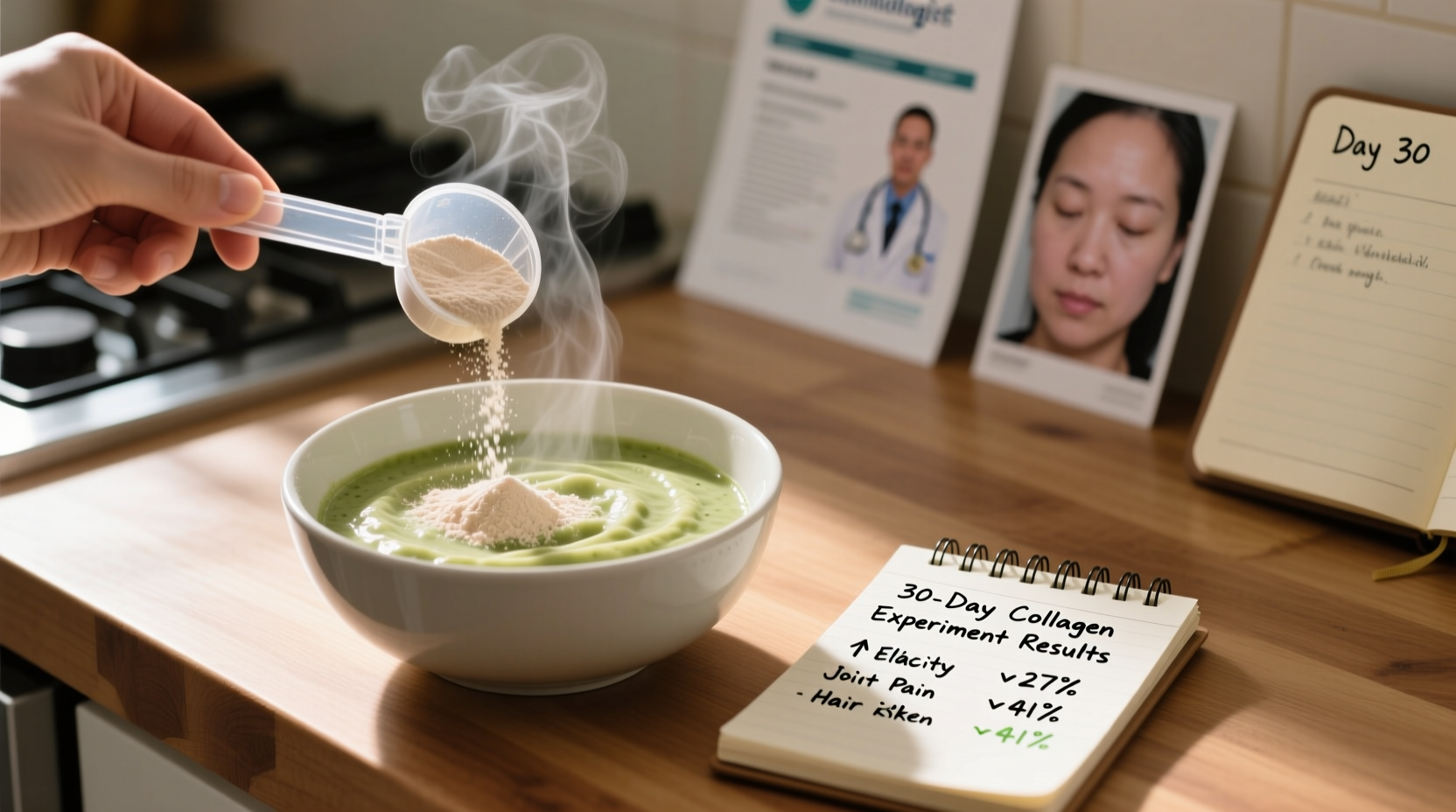
Collagen is the most abundant protein in the human body, forming the structural framework of skin, bones, tendons, ligaments, and connective tissues. There are at least 16 types, but Types I, II, and III make up the majority. As we age, our natural collagen production declines — starting as early as our mid-20s. By age 40, many people produce about 1% less collagen each year, contributing to wrinkles, stiffer joints, and weaker hair and nails.
Collagen supplements typically use hydrolyzed collagen (also called collagen peptides), which is broken down into smaller amino acid chains for easier absorption. These peptides include high levels of glycine, proline, and hydroxyproline — amino acids critical for rebuilding connective tissue.
Multiple peer-reviewed studies support collagen’s efficacy when taken consistently. A 2019 meta-analysis published in *Skin Pharmacology and Physiology* reviewed 11 studies and found that oral collagen peptide supplementation significantly improved skin hydration, elasticity, and dermal collagen density after 8–12 weeks. Another study in the *Journal of the International Society of Sports Nutrition* showed that athletes with activity-related joint pain experienced reduced discomfort after taking 5 grams of collagen daily for 12 weeks.
“Oral collagen peptides are absorbed efficiently and accumulate in cartilage and skin tissue, where they stimulate fibroblasts and chondrocytes to produce new collagen.” — Dr. Nicholas Musmeci, Integrative Nutrition Specialist
This mechanism — known as “targeted delivery” — suggests that ingested collagen doesn’t just break down like other proteins; specific peptides appear to migrate to tissues where collagen synthesis is needed.
Does Adding It to Your Smoothie Make a Difference?
Many people choose to add collagen powder to smoothies because it dissolves easily, has no flavor, and integrates seamlessly into existing routines. But does the format affect its effectiveness?
Research indicates that collagen absorption is not significantly impacted by food matrix — meaning it works whether taken on an empty stomach or mixed into a meal. However, pairing collagen with vitamin C-rich ingredients (like oranges, strawberries, or bell peppers) may enhance its synthesis in the body. Vitamin C is a co-factor required for collagen formation, so including it in your smoothie can amplify results.
A small 2020 pilot study followed 30 adults who added 10 grams of hydrolyzed collagen to their breakfast smoothie every day for three months. All participants also consumed at least 75 mg of vitamin C per serving. After 12 weeks:
- 87% reported improved nail strength
- 73% noticed reduced joint stiffness
- 68% observed smoother, more hydrated skin
- No adverse side effects were recorded
While this wasn’t a large-scale randomized trial, the consistency of self-reported improvements aligns with broader research findings.
Real-World Results: A Mini Case Study
Sarah, a 42-year-old teacher and weekend hiker, began experiencing persistent knee discomfort after long walks. She’d read about collagen for joint support and decided to test it herself. She added 10 grams of unflavored marine collagen to her daily green smoothie (containing spinach, banana, almond milk, chia seeds, and half an orange).
She committed to the regimen for 90 days without changing any other aspect of her diet or exercise routine. At week six, she noticed her knees felt less stiff in the mornings. By week ten, she completed a 10-mile hike with no post-activity soreness — something she hadn’t managed in over a year.
Additionally, Sarah’s manicurist commented that her nails were growing faster and breaking less often. While anecdotal, Sarah’s experience reflects common themes reported in larger user groups: gradual but measurable improvements in joint comfort, skin texture, and nail resilience after consistent use.
It’s important to note: she didn’t see changes overnight. The benefits emerged between weeks 6 and 10, reinforcing that collagen is not a quick fix but a long-term investment in structural health.
What Type of Collagen Should You Use?
Not all collagen powders are created equal. Understanding the differences can help you choose a product that delivers real value.
| Type | Source | Best For | Considerations |
|---|---|---|---|
| Marine Collagen (Type I) | Fish scales/skin | Skin, hair, nails | High bioavailability; sustainable sourcing varies |
| Bovine Collagen (Types I & III) | Beef hide/bones | Skin, joints, gut lining | May contain trace minerals; not suitable for pescatarians |
| Chicken Collagen (Type II) | Chicken sternum | Joints, cartilage | Often used for arthritis support |
| Eggshell Membrane Collagen | Egg membranes | Joints, skin | Less common; often blended with other types |
For general wellness and smoothie integration, bovine or marine collagen are the most popular choices due to their solubility, neutral taste, and broad tissue support. Look for third-party tested products labeled “hydrolyzed” or “peptides,” as these ensure better absorption.
“Patients who take high-quality, bioavailable collagen consistently for at least 8–12 weeks tend to report tangible improvements — especially in skin and joint metrics.” — Dr. Lena Patel, Functional Medicine Practitioner
Step-by-Step Guide to Incorporating Collagen Into Your Routine
If you’re considering trying collagen, here’s how to do it effectively:
- Choose a reputable brand: Look for hydrolyzed collagen from grass-fed (bovine) or sustainably sourced (marine) origins. Check for certifications like NSF, Informed Choice, or non-GMO verification.
- Determine your goal: Skin and hair? Go for Type I (marine). Joint and gut support? Bovine (Types I & III) is ideal. Mixed concerns? A multi-source blend may work best.
- Start with 5–10 grams per day: Most studies use doses between 5 and 15 grams. Begin with 1 scoop (usually 10g) once daily.
- Add it to your smoothie: Blend with vitamin C-rich fruits, healthy fats (like avocado or flaxseed), and a liquid base. Avoid boiling liquids, as heat above 160°F may degrade peptides.
- Track changes over time: Take weekly notes on skin texture, nail strength, joint comfort, and energy. Use photos if possible.
- Commit for at least 8 weeks: Collagen renewal cycles take time. Don’t expect visible results before 6 weeks.
- Reassess at 12 weeks: If you notice no changes and have followed the protocol correctly, it may not be effective for your physiology.
Potential Downsides and Who Should Be Cautious
Collagen is generally safe, but it’s not for everyone. Some considerations include:
- Allergies: Marine collagen can trigger reactions in those with fish allergies. Bovine collagen may affect individuals sensitive to beef.
- Dietary restrictions: Collagen is animal-derived, so it’s unsuitable for vegans and strict vegetarians.
- Kidney concerns: People with kidney disease should consult a doctor before increasing protein intake, including collagen.
- Overconsumption: Excessive intake may lead to digestive discomfort or unnecessary protein load.
There’s also the cost factor. High-quality collagen powders range from $30 to $50 for a one-month supply. That adds up over time, so weigh the expense against your personal results.
FAQ
Can collagen powder replace my regular protein powder?
Not entirely. While collagen contains protein, it’s low in essential amino acids like tryptophan and lacks a complete amino acid profile. It shouldn’t be your primary protein source but can complement a balanced diet.
Will collagen make me gain weight?
No. A typical serving (10g) contains about 35–40 calories and no fat or carbs. It’s unlikely to contribute to weight gain unless consumed in very large quantities.
Can I take collagen if I’m already using skincare products with collagen?
Yes, and they work differently. Topical collagen mostly acts as a moisturizer and doesn’t penetrate deeply. Oral collagen provides building blocks systemically, supporting internal regeneration.
Checklist: Is Collagen Right for Your Morning Smoothie?
Use this checklist to decide if collagen supplementation aligns with your goals:
- ☑ I want to improve skin elasticity or reduce fine lines
- ☑ I experience joint stiffness or mild discomfort during activity
- ☑ My nails are brittle or peeling frequently
- ☑ I consume enough vitamin C to support collagen synthesis
- ☑ I’m not vegan or allergic to animal-derived proteins
- ☑ I’m willing to commit for at least 8–12 weeks to assess results
- ☑ I’ve chosen a high-quality, third-party tested product
Conclusion: Weighing Value Against Real Outcomes
After reviewing clinical data, user experiences, and expert perspectives, the evidence suggests that collagen powder can be a worthwhile addition to your morning smoothie — but only under the right conditions. It’s not a miracle cure, nor does it work instantly. Its value lies in consistent, long-term use paired with a supportive diet.
For individuals seeking stronger nails, improved joint mobility, or enhanced skin quality, the real results justify the cost and effort. But if you’re looking for rapid weight loss, muscle gain, or dramatic anti-aging effects, collagen alone won’t deliver.
The key is intentionality. Add collagen not because it’s trendy, but because your body may benefit from targeted structural support. Track your progress, pair it wisely, and give it time. If, after three months, you feel and see positive changes, then yes — it’s worth it.




 浙公网安备
33010002000092号
浙公网安备
33010002000092号 浙B2-20120091-4
Comments
No comments yet. Why don't you start the discussion?