
Composting indoors often conjures images of rotting food, fruit flies, and lingering smells—especially in small apartments or urban homes. But with the right approach, indoor composting can be a clean, odor-free, and bug-resistant process that turns kitchen scraps into valuable soil amendments. The key lies not in avoiding compost altogether, but in understanding how to manage it properly within confined living spaces.
Contrary to popular belief, composting doesn’t have to mean buckets of slimy waste fermenting under the sink. Modern techniques, tools, and systems make it entirely feasible to compost indoors without inviting pests or unpleasant aromas. Whether you're in a studio apartment or a townhouse with limited outdoor access, effective indoor composting is both practical and sustainable.
How Indoor Composting Works Without Smell or Pests
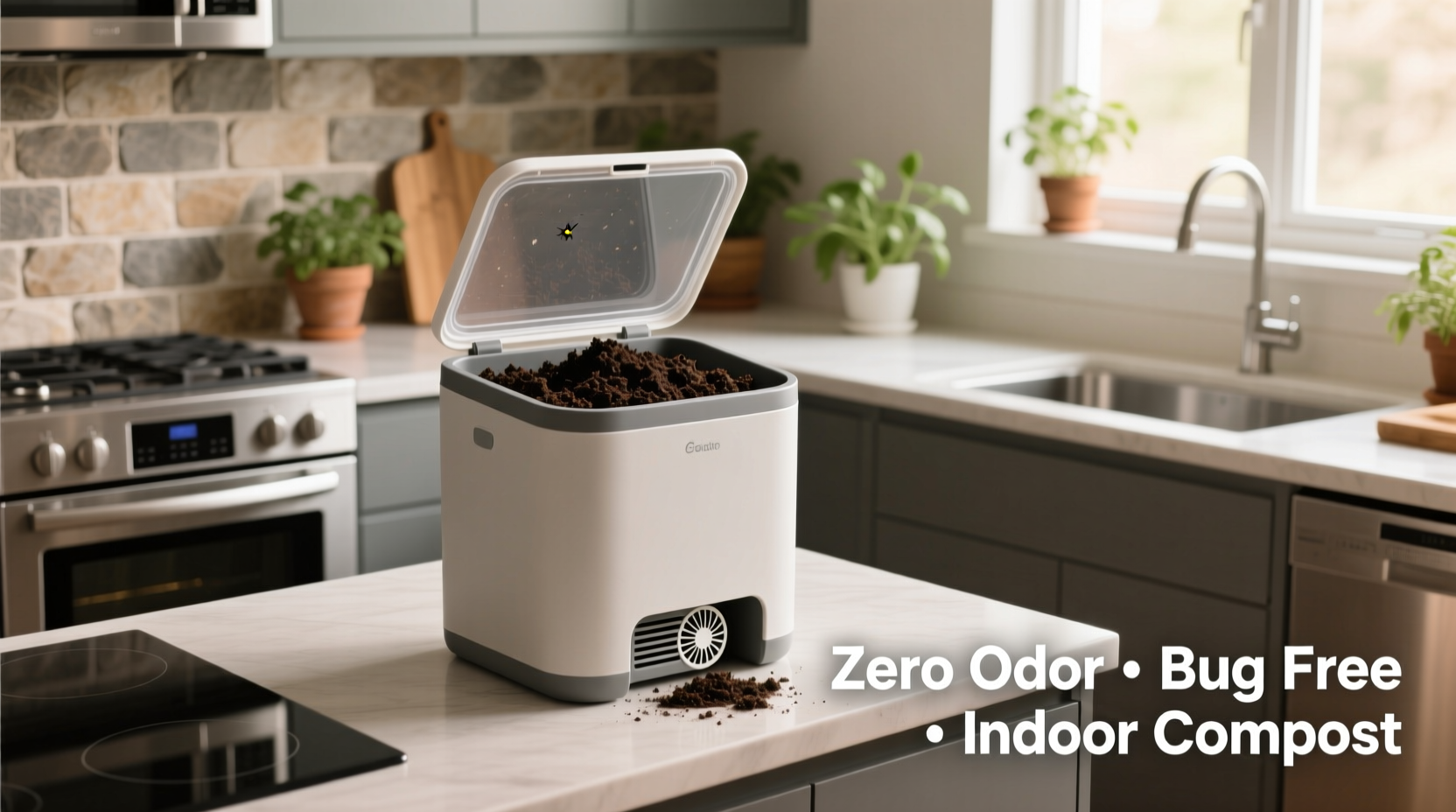
The foundation of successful indoor composting is balancing organic materials, moisture, and airflow while preventing anaerobic decomposition—the primary cause of foul odors. When oxygen is present, beneficial microbes break down food waste efficiently and quietly, producing little to no smell. In contrast, sealed containers with wet, compacted scraps create anaerobic conditions, leading to sour odors and attracting insects like gnats and fruit flies.
To avoid this, indoor composting relies on three core principles: containment, balance, and regular management. By choosing the right system and maintaining proper ratios of \"greens\" (nitrogen-rich food scraps) and \"browns\" (carbon-rich dry materials), you keep decomposition aerobic and neutral-smelling.
Best Indoor Composting Methods for Clean Results
Not all composting methods are suited for indoor use. Some generate heat, require outdoor space, or demand frequent turning. For indoor environments, only a few approaches deliver consistent results without mess or maintenance headaches.
1. Electric Composters (Countertop Units)
Devices like Lomi, FoodCycler, or Vitamix FoodCycler use heat, grinding, and aeration to dehydrate and break down food waste in hours. These units seal in odors, kill pathogens, and produce a dry, crumbly output that’s ready for soil amendment or further outdoor composting.
- Pros: Fast, odor-proof, handles meat/dairy, minimal effort
- Cons: Requires electricity, higher upfront cost, output isn't true compost unless aged
2. Bokashi Fermentation
Bokashi uses anaerobic fermentation with inoculated bran to pickle food waste—including meat and dairy—in an airtight bucket. While technically anaerobic, the fermentation process produces a mild sour smell (like pickles), not rot, and does not attract bugs when sealed properly.
- Pros: Handles all food waste, compact, works in cabinets
- Cons: Requires two-stage processing (needs burial or outdoor composting after), must drain liquid weekly
3. Vermicomposting (Worm Bins)
Red wiggler worms consume food scraps in a controlled bin with bedding material. Done right, worm bins are nearly odorless and don’t attract pests. They thrive on coffee grounds, vegetable peels, and paper, but should avoid citrus, onions, and oily foods.
- Pros: Produces rich castings, self-regulating ecosystem, excellent for houseplants
- Cons: Sensitive to temperature and pH, requires monitoring, not ideal for very small spaces
4. Sealed Compost Containers (For Outdoor Drop-Off)
If you don’t plan to process compost at home, a simple airtight container—like a stainless steel compost crock with a charcoal filter—can store scraps temporarily. Empty it every 2–3 days into a municipal compost program or community garden.
- Pros: Low cost, zero maintenance, prevents odors between pickups
- Cons: Doesn’t process waste, relies on external drop-off
“Indoor composting fails not because of the method, but because of imbalance. Too much green waste and not enough carbon leads to sludge and smells.” — Dr. Lena Torres, Urban Soil Scientist
Step-by-Step Guide to Odor-Free Indoor Composting
Follow this timeline to set up and maintain a clean, efficient indoor composting system regardless of method:
- Week 1: Choose Your System
Select based on space, budget, and waste volume. For most apartments, electric composters or Bokashi offer the cleanest results. - Day 1: Prepare Setup
Assemble your unit or bin. Add bedding (for worms), bran (for Bokashi), or activate the machine. Place in a convenient but out-of-the-way location—under the sink, in a pantry, or near the laundry area. - Daily: Add Scraps Strategically
Add only appropriate materials. Always bury food under browns or press down and sprinkle bran. Avoid overfilling. - Every 2–3 Days: Monitor Moisture & Smell
If damp or sour, add dry carbon material. If using Bokashi, drain the liquid (which can be diluted and used as drain cleaner). - Weekly: Maintain & Harvest
Stir if applicable, check for mold or flies, and empty electric units or transfer Bokashi to soil. For worm bins, remove castings every 2–3 months. - Monthly: Deep Clean
Wash containers with vinegar and water. Replace filters on compost crocks. Refresh bedding or bran as needed.
Do’s and Don’ts of Indoor Composting
| Do’s | Don’ts |
|---|---|
| Use crushed eggshells, coffee grounds, and tea bags | Compost oily, greasy, or cooked foods (except in Bokashi/electric units) |
| Store scraps in airtight containers with charcoal filters | Leave food exposed or uncovered for more than a day |
| Mix in shredded paper, cardboard, or dried leaves | Overwater or allow standing liquid |
| Freeze scraps before adding to worm bins to prevent pests | Use synthetic cleaners near compost systems—they harm microbes |
| Empty containers regularly—even if not full—to prevent buildup | Ignore early signs of mold or fruit flies |
Real Example: How a Brooklyn Apartment Dweller Composts Year-Round
Sophia M., a graphic designer in a 550-square-foot Brooklyn apartment, was skeptical about composting after a failed attempt with a basic countertop bin attracted fruit flies and smelled within days. She switched to a Lomi electric composter after researching solutions online.
She now adds daily scraps—apple cores, banana peels, coffee grounds, and even small amounts of leftover rice—directly into the machine. She runs a cycle every 2–3 days, yielding a dry, earthy output she mixes with potting soil for her indoor herbs and balcony planters.
“I expected it to be high-maintenance,” she says, “but it’s easier than taking out the trash. No smell, no bugs, and my basil has never grown better.”
Sophia keeps a small stainless steel pail on her counter with a lid and charcoal filter, transferring contents to the Lomi every other day. Her building doesn’t offer compost pickup, so this system gives her a closed-loop solution without relying on external services.
Tips for Preventing Bugs and Odors
Bugs and odors aren’t inevitable—they’re symptoms of mismanagement. Address root causes with these targeted strategies:
- Always cover food waste with a layer of shredded newspaper, cardboard, or coconut coir to block access to flies and absorb excess moisture.
- Avoid overloading with high-moisture items like watermelon rinds or cucumber ends. Blot wet scraps with a paper towel first.
- Clean the rim and lid of containers weekly to prevent residue buildup, which attracts fruit flies.
- Use diatomaceous earth sparingly around the base of bins to deter crawling insects (safe for pets when food-grade).
- Replace charcoal filters monthly in compost crocks or electric units to maintain odor absorption.
Checklist: Setting Up Bug-Free Indoor Composting
Before starting, ensure you’ve covered all bases:
- ✅ Choose a composting method that fits your space and lifestyle
- ✅ Purchase necessary supplies (bin, bedding, bran, or electric unit)
- ✅ Identify a stable location away from direct heat or cold drafts
- ✅ Stock up on carbon-rich browns (shredded paper, dry leaves, coconut coir)
- ✅ Label containers clearly to avoid household confusion
- ✅ Establish a routine for adding scraps and monitoring conditions
- ✅ Plan for end-use: Will you use compost indoors, outdoors, or drop off?
Frequently Asked Questions
Can I compost meat and dairy indoors?
Yes—but only in Bokashi bins or electric composters. Traditional worm bins and open containers should avoid animal products, as they rot quickly and attract pests. Bokashi ferments them safely; electric units dehydrate and sterilize them.
Why do fruit flies keep appearing even with a lid?
Fruit flies lay eggs in food before you bring it home. Even sealed bins can hatch them. To stop this, freeze scraps for 48 hours before composting, or bury them immediately under a thick layer of browns. Also, clean the bin’s seal and exterior weekly with vinegar.
How long can I store scraps before processing?
In a sealed, filtered container, scraps can last 2–3 days at room temperature. In warmer months, refrigerate or freeze them until processing. Never leave food sitting out longer than 72 hours, especially in kitchens above 70°F (21°C).
Conclusion: Turn Waste into Worth—Without the Mess
Indoor composting isn’t just possible without bugs or odors—it’s a smart, sustainable habit that transforms everyday waste into a resource. With the right system and consistent care, you can maintain a clean, discreet compost setup that fits seamlessly into your home life.
Whether you opt for a high-tech electric unit, a traditional worm bin, or a fermentation-based Bokashi system, the principles remain the same: balance inputs, manage moisture, and stay proactive. Thousands of city dwellers already do it successfully, enriching their plants and reducing landfill contributions one scrap at a time.




 浙公网安备
33010002000092号
浙公网安备
33010002000092号 浙B2-20120091-4
Comments
No comments yet. Why don't you start the discussion?