
In an era where convenience often trumps caution, single-use plastic bottles have become a staple of daily hydration. They’re lightweight, portable, and widely available. But growing scientific evidence suggests that the very materials designed to keep our drinks safe may be introducing invisible risks—particularly when it comes to hormonal health. Endocrine-disrupting chemicals (EDCs) found in certain plastics have raised alarms among researchers, prompting questions about long-term exposure through everyday drinking habits. This article examines the connection between plastic bottle use and hormone disruption, identifies high-risk compounds, and offers practical steps to minimize exposure without sacrificing convenience.
The Science Behind Endocrine Disruption
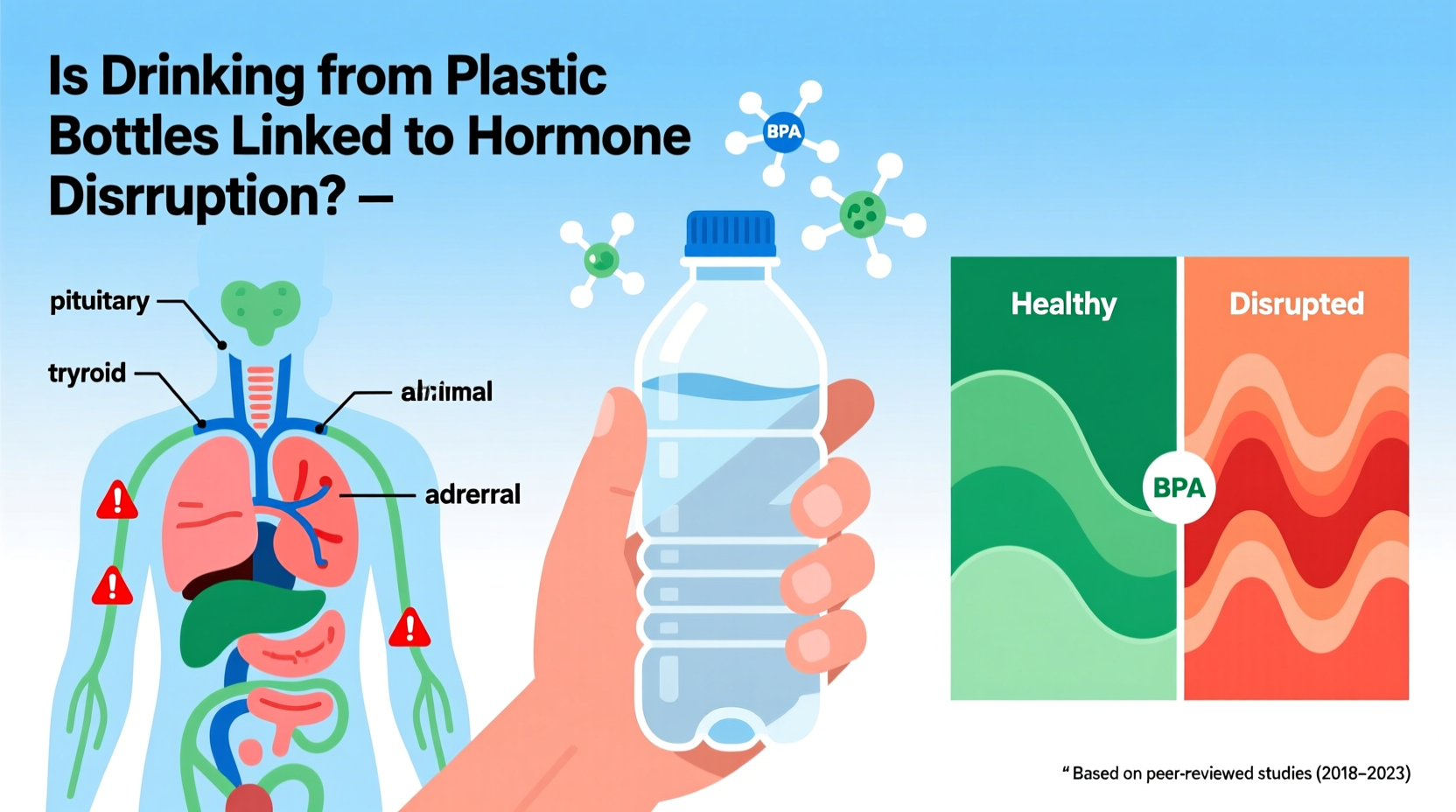
The human endocrine system regulates hormones that control metabolism, growth, mood, reproduction, and sleep. Endocrine-disrupting chemicals interfere with this delicate network by mimicking, blocking, or altering natural hormone signals. Even low-dose exposure during critical developmental periods—such as fetal development or puberty—can lead to lasting health consequences.
Plastic bottles, especially those made from polycarbonate or certain types of polyethylene terephthalate (PET), may leach chemicals into liquids, particularly when exposed to heat, sunlight, or prolonged storage. Two of the most studied EDCs associated with plastic bottles are bisphenol A (BPA) and phthalates.
BPA was historically used in hard, clear plastics like reusable water bottles and food containers. Though many manufacturers now advertise “BPA-free” products, substitutes such as bisphenol S (BPS) and bisphenol F (BPF) may pose similar risks. Phthalates, used to soften plastic and improve flexibility, are commonly found in bottle caps, seals, and some flexible packaging.
“Endocrine disruptors don’t follow traditional toxicology rules—sometimes lower doses have more potent effects, especially during early life stages.” — Dr. Sheela Sathyanarayana, Pediatric Environmental Health Specialist
Key Chemicals in Plastic Bottles and Their Effects
Understanding which chemicals are present—and under what conditions they migrate into beverages—is essential for making informed choices.
Bisphenols: Beyond Just BPA
BPA has been shown to bind to estrogen receptors, potentially affecting reproductive development, fertility, and increasing risks for conditions like polycystic ovary syndrome (PCOS) and early puberty. Animal studies link prenatal BPA exposure to altered brain development and behavioral changes. While the U.S. FDA maintains that current levels in food contact materials are safe, numerous independent studies suggest otherwise.
As consumer demand for BPA-free products grew, manufacturers turned to analogues like BPS and BPF. However, research indicates these alternatives exhibit similar endocrine activity. A 2021 study published in Environmental Health Perspectives found that over 90% of participants had detectable levels of BPS in their urine, with higher concentrations linked to frequent consumption of bottled beverages.
Phthalates: The Hidden Softeners
Phthalates aren’t typically part of the bottle body but are often used in sealing rings, labels, and shrink-wrap packaging. Di(2-ethylhexyl) phthalate (DEHP) and diisononyl phthalate (DINP) are known anti-androgens—meaning they interfere with testosterone signaling. Exposure has been associated with reduced sperm quality, genital abnormalities in male infants, and increased risk of obesity and insulin resistance.
A 2013 study analyzing bottled water from 16 countries detected measurable levels of DEHP in nearly all samples, with concentrations rising significantly in bottles stored in warm environments.
Who Is Most at Risk?
While everyone is exposed to some degree, certain populations face heightened vulnerability due to biological sensitivity or higher intake rates.
- Pregnant women and nursing mothers: Hormonal balance is crucial during pregnancy. EDC exposure may affect fetal development, including brain structure and reproductive organ formation.
- Infants and young children: Developing organs and rapid cell division make them more susceptible. Bottle-fed babies consuming formula prepared with water from plastic containers may receive proportionally higher doses.
- Adolescents: Puberty involves complex hormonal shifts. Interference during this window could influence timing of maturation and long-term reproductive health.
- Frequent consumers of bottled water: Individuals who rely on bottled water daily—especially if stored improperly—are likely to accumulate higher internal concentrations of EDCs over time.
Real-Life Example: The School Backpack Scenario
Consider a typical middle school student who carries a plastic water bottle in their backpack every day. During summer months, the backpack sits in a hot classroom or on sun-baked bus seats for hours. By lunchtime, the water inside has reached temperatures exceeding 120°F (49°C). Testing shows that under such conditions, BPA and phthalate migration increases up to tenfold compared to room-temperature storage. Over the course of a school year, repeated daily exposure adds up—potentially influencing developmental milestones or contributing to subtle metabolic changes not immediately apparent.
Do’s and Don’ts: Safer Hydration Practices
| Do’s | Don’ts |
|---|---|
| Use glass, stainless steel, or ceramic reusable bottles | Reuse disposable PET bottles beyond one or two cycles |
| Choose opaque or colored bottles to reduce light exposure | Leave plastic bottles in hot environments (cars, garages, direct sun) |
| Rinse reusable bottles with mild soap and air dry | Dishwasher-clean plastic bottles frequently—heat accelerates degradation |
| Check recycling codes; avoid #3 (PVC), #6 (polystyrene), and #7 (may contain BPA) | Assume “BPA-free” means completely safe—many substitutes lack long-term safety data |
| Store opened bottled water in the refrigerator and consume within 2–3 days | Drink from dented, cloudy, or scratched plastic containers—they may be leaching chemicals |
How to Reduce Your Exposure: A Step-by-Step Guide
Making sustainable changes doesn’t require abandoning bottled water overnight. Here’s a realistic five-step plan to transition toward safer hydration practices:
- Assess your current usage. Track how many plastic bottles you consume weekly. Note whether they’re single-use or reusable, and where you store them (e.g., car, desk, fridge).
- Invest in a durable alternative. Purchase a high-quality stainless steel or glass water bottle with a protective sleeve. Look for models labeled “food-grade 304 stainless steel” and ensure lids are BPA-free (preferably silicone-sealed).
- Change your refill routine. Carry your bottle with you and refill from filtered tap water at home, work, or public stations. Many cities now offer bottle-filling kiosks in parks and transit hubs.
- Handle existing plastic wisely. If you must use plastic bottles, opt for #1 (PET) only once, then recycle. Never expose them to heat or UV light, and discard if scratched or deformed.
- Educate your household. Share findings with family members, especially caregivers preparing infant formula or packing school lunches. Encourage collective adoption of safer habits.
“We’ve seen measurable drops in urinary BPA levels in families who switched to non-plastic containers within just three days.” — Dr. Ruthann Rudel, Research Scientist at Silent Spring Institute
What the Research Says: Key Studies and Findings
Multiple peer-reviewed investigations support concerns about plastic-derived hormone disruptors:
- A 2011 double-blind study published in JAMA found that after participants drank from polycarbonate bottles for one week, BPA levels in their urine increased by 69%.
- A 2018 European Food Safety Authority (EFSA) review concluded that dietary exposure to BPA remains a “potential health concern,” particularly for infants and toddlers.
- A longitudinal birth cohort study in New York tracked pregnant women’s phthalate levels and found that higher prenatal exposure correlated with attention deficits and behavioral issues in children by age 9.
- Research from the University of California, Riverside demonstrated that BPS alters gene expression in developing zebrafish brains, suggesting neurodevelopmental risks even at low doses.
While regulatory agencies differ in their conclusions—largely due to variations in testing methodology and industry influence—the weight of independent science points toward precaution.
FAQ: Common Questions About Plastic Bottles and Hormones
Can washing plastic bottles increase chemical leaching?
Yes. Repeated washing, especially in dishwashers, exposes plastic to high heat and abrasive detergents, accelerating wear and increasing the release of additives like BPA and phthalates. Single-use PET bottles are not designed for reuse and degrade quickly.
Are all plastic bottles equally risky?
No. Bottles made from PET (#1) pose lower risks for chemical leaching than older polycarbonate (#7) types. However, even PET can release antimony and phthalates under extreme conditions. Reusable plastics labeled #5 (polypropylene) are generally considered safer, though still not ideal for long-term hot liquid storage.
Does freezing plastic bottles release harmful chemicals?
Freezing does not appear to increase leaching significantly, as cold temperatures slow molecular movement. However, repeatedly freezing and thawing can cause microfractures in plastic, creating pockets where bacteria grow and potentially increasing surface area for future chemical release when warmed.
Conclusion: Making Informed Choices for Long-Term Health
The link between drinking from plastic bottles and hormone disruption is supported by a robust and expanding body of scientific evidence. While individual exposure from a single bottle may seem negligible, cumulative daily contact—with multiple sources including food packaging, dust, and personal care products—creates a background load that can tip the balance in sensitive individuals. Children, pregnant women, and those planning families have the most to gain from reducing unnecessary exposure.
You don’t need to eliminate all plastic at once. Start small: swap one bottle, change one habit, educate one person. Each conscious choice moves you closer to a lifestyle aligned with both personal well-being and environmental responsibility. The goal isn’t perfection—it’s progress.




 浙公网安备
33010002000092号
浙公网安备
33010002000092号 浙B2-20120091-4
Comments
No comments yet. Why don't you start the discussion?