
Cellulite affects up to 90% of women at some point in their lives, making it one of the most common cosmetic concerns. In response, countless treatments have emerged—some backed by science, others rooted more in tradition than evidence. Among them, dry brushing has gained popularity as a simple, affordable, and natural method for improving skin texture and reducing the appearance of cellulite. But does it actually work, or is it merely a fleeting ritual with short-term effects?
Dry brushing involves using a stiff-bristled brush on dry skin, typically in upward motions toward the heart. Advocates claim it exfoliates dead skin, boosts circulation, stimulates lymphatic drainage, and smooths dimpled areas. While these benefits sound promising, separating anecdotal enthusiasm from measurable results requires a closer look at how cellulite forms and what dry brushing can—and cannot—do.
The Science Behind Cellulite: Why It Forms
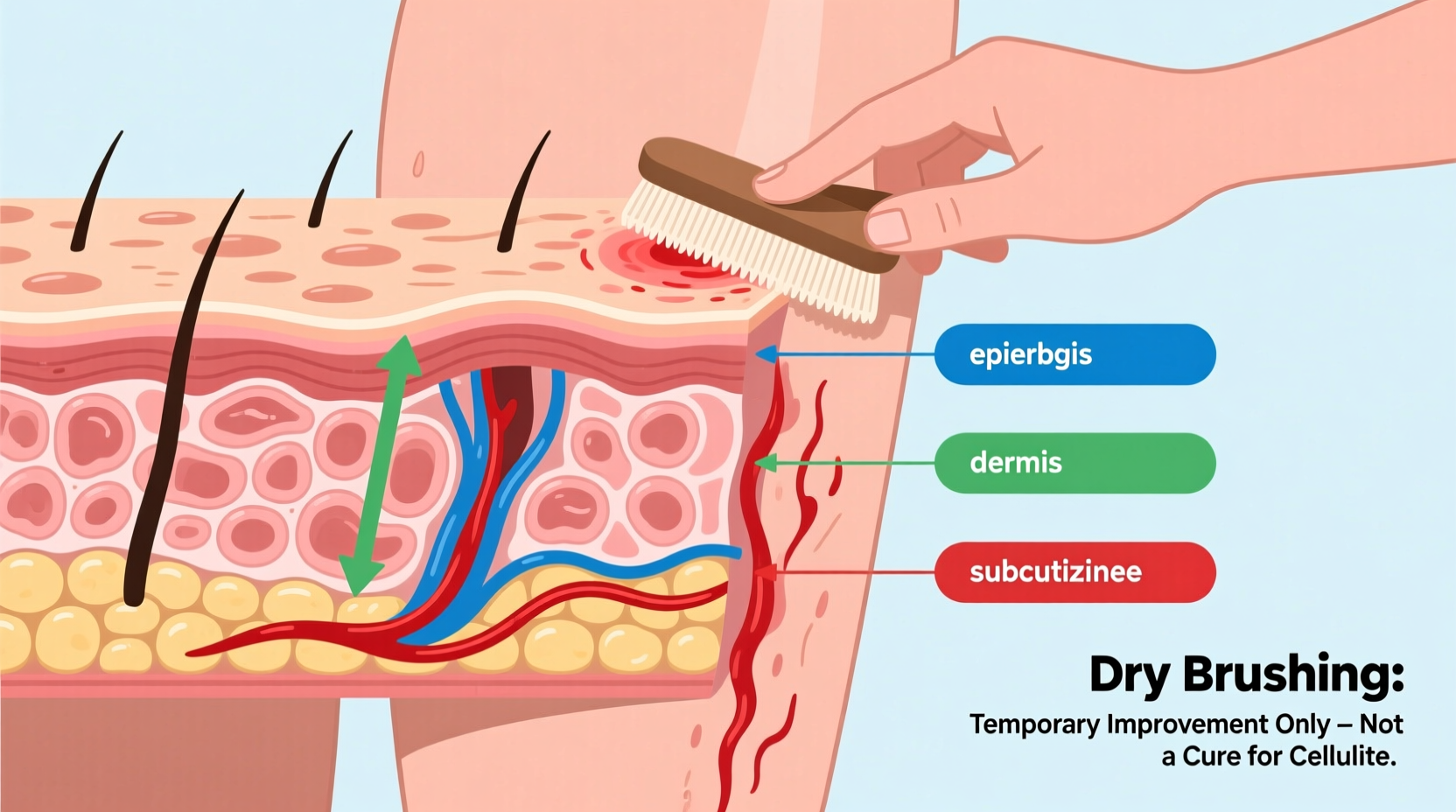
Cellulite isn't just fat—it's a structural issue involving the interplay between fat cells, connective tissue, and skin. Fat cells beneath the dermis push through weakened collagen bands, creating the characteristic \"dimpled\" appearance. This process is influenced by hormones (especially estrogen), genetics, age, lifestyle, and skin thickness.
As we age, skin loses elasticity and becomes thinner, making underlying irregularities more visible. Additionally, poor circulation and fluid retention may exacerbate the look of cellulite. Unlike subcutaneous fat that contributes to body weight, cellulite is resistant to diet and exercise alone because its formation is largely structural and hormonal.
This context matters when evaluating dry brushing. If the goal is permanent elimination of cellulite, current dermatological consensus agrees that no topical or mechanical method—including dry brushing—can achieve that. However, certain techniques can temporarily improve skin appearance by enhancing surface texture and tone.
What Dry Brushing Actually Does: Benefits and Mechanisms
Dry brushing primarily functions as a form of physical exfoliation. By removing dead skin cells, it leaves the skin feeling smoother and looking brighter. Beyond exfoliation, proponents suggest several physiological benefits:
- Improved circulation: The massaging motion increases blood flow to the skin’s surface, which may give skin a healthier glow.
- Lymphatic stimulation: Advocates believe directional brushing supports lymph movement, potentially reducing puffiness.
- Enhanced product absorption: Exfoliated skin allows moisturizers and oils to penetrate more effectively.
- Temporary reduction in dimpling: Increased fluid movement and skin plumping may make cellulite less noticeable—for a time.
A 2017 study published in *Complementary Therapies in Clinical Practice* observed that participants who practiced dry brushing daily for two weeks reported improved skin smoothness and hydration. However, the study did not include long-term follow-up or control groups, limiting definitive conclusions.
“Dry brushing can offer mild, transient improvements in skin texture and tone, but it doesn’t alter the underlying structure responsible for cellulite.” — Dr. Lena Patel, Board-Certified Dermatologist
In other words, while you might step out of the bathroom feeling invigorated and see smoother legs post-shower, those changes are often due to increased circulation and exfoliation—not fat redistribution or collagen remodeling.
Is the Effect Permanent or Temporary?
The truth is, any improvement from dry brushing is typically short-lived. Most visible changes last only a few hours to a couple of days. Once circulation normalizes and skin reaccumulates dead cells, the appearance of cellulite returns.
This doesn’t mean dry brushing is useless—it simply means expectations must be realistic. Think of it like brushing your hair: regular maintenance keeps things looking neat, but skipping a few sessions won’t cause irreversible damage. Similarly, consistent dry brushing may help maintain a smoother skin surface, but discontinuing the practice won’t worsen cellulite beyond baseline.
Factors That Influence Effectiveness
Not everyone experiences the same results. Several factors determine whether dry brushing will have a noticeable impact:
- Skin type: Those with thicker or oilier skin may see less immediate change than individuals with dry, flaky skin where exfoliation is more visibly beneficial.
- Brush quality: Natural bristles with firm but not harsh texture yield better results without micro-tears.
- Technique: Using circular motions on joints and long strokes toward the heart promotes both exfoliation and circulation.
- Frequency: Daily use tends to produce more consistent outcomes than sporadic brushing.
- Hydration and skincare: Pairing dry brushing with nourishing oils (like coconut or jojoba) enhances softness and sheen.
How to Dry Brush Properly: A Step-by-Step Guide
Effectiveness hinges on proper technique. Incorrect brushing can irritate the skin or even cause inflammation, counteracting any potential benefit.
- Choose the right brush: Use a long-handled brush with natural bristles and a gentle grip. Replace every 3–6 months depending on wear.
- Start dry: Perform on completely dry skin—never after a shower or if skin is damp.
- Begin at the feet: Use firm, upward strokes toward the heart. Focus on calves, thighs, and buttocks—common cellulite zones.
- Move to arms: Start at hands, brush upward toward shoulders. <5> Tackle the back and torso: Use small circular motions over the lower back and abdomen. Avoid sensitive areas like breasts.
- Duration: Spend about 5–10 minutes total. Don’t press too hard—skin should not turn red or feel sore.
- Shower afterward: Rinse off loosened skin cells and follow with a hydrating lotion or oil.
- Clean your brush weekly: Wash with warm water and mild soap; let air dry completely.
Dry Brushing vs. Other Cellulite Treatments: A Comparison
To assess dry brushing’s value, it helps to compare it to other available options. The table below outlines common methods, cost, effectiveness, and duration of results.
| Treatment | Cost Range | Effectiveness | Duration of Results |
|---|---|---|---|
| Dry Brushing | $10–$30 (one-time) | Mild, temporary improvement in texture | Hours to 2 days |
| Caffeine Creams | $20–$60/month | Minor tightening effect via dehydration | Several hours |
| Laser Therapy (e.g., Cellulaze) | $2,000–$4,000 per session | Moderate to significant improvement | 6 months to 2+ years |
| Radiofrequency Treatments | $500–$1,000 per session | Noticeable smoothing with multiple sessions | 3–12 months |
| Exercise & Weight Management | Variable | Modest reduction in visibility | Ongoing with consistency |
While clinical procedures show greater efficacy, they come with high costs and sometimes downtime. Dry brushing stands out as a low-risk, low-cost complementary habit—but not a replacement for medical-grade solutions.
Real Example: A Six-Week Self-Experiment
Sarah, a 34-year-old fitness instructor, decided to test dry brushing’s impact on her thigh cellulite over six weeks. She committed to daily brushing before morning showers, paired with a weekly coconut oil wrap and consistent strength training.
At the start, she took photos under consistent lighting and noted moderate dimpling on her upper thighs. After two weeks, she noticed her skin felt smoother and looked slightly tighter—likely due to exfoliation and improved hydration. By week four, friends commented that her legs “looked glowing,” though close-up photos showed minimal structural change in cellulite patterns.
By the end of six weeks, Sarah concluded that dry brushing enhanced her skin’s overall health and made moisturizers absorb better, but didn’t eliminate dimpling. Still, she continued the practice for its ritualistic benefits and sense of self-care.
Her experience reflects a common outcome: perceptible aesthetic improvement without anatomical transformation.
Expert Insights: What Dermatologists Say
Medical professionals remain cautious about overstating dry brushing’s anti-cellulite claims.
“While dry brushing may support skin turnover and microcirculation, there’s no peer-reviewed evidence showing it reduces cellulite long-term. Patients seeking real change should consider FDA-approved devices or in-office treatments.” — Dr. Raj Mehta, Cosmetic Dermatologist, New York
Experts do acknowledge secondary benefits: boosting alertness (similar to a cold plunge), encouraging mindfulness, and promoting daily body awareness. These psychological perks shouldn’t be dismissed, especially in a culture where body image struggles are widespread.
Checklist: Maximizing Your Dry Brushing Routine
To get the most out of dry brushing—without false expectations—follow this actionable checklist:
- ☑ Use a natural-bristle brush with a handle for hard-to-reach areas
- ☑ Brush on dry skin before showering
- ☑ Apply light to moderate pressure—no scratching or pain
- ☑ Move in upward strokes toward the heart
- ☑ Focus on common cellulite zones: thighs, hips, buttocks, arms
- ☑ Moisturize immediately after rinsing off
- ☑ Clean your brush weekly to prevent bacterial buildup
- ☑ Be consistent—aim for 4–7 times per week
- ☑ Combine with healthy habits: hydration, balanced diet, strength training
- ☑ Take progress photos monthly to track subtle changes
Frequently Asked Questions
Can dry brushing permanently remove cellulite?
No. Dry brushing cannot permanently remove cellulite. It may temporarily improve skin texture and appearance through exfoliation and increased circulation, but it does not address the structural causes of cellulite such as fat protrusion and connective tissue arrangement.
How long does it take to see results from dry brushing?
Some people notice smoother skin within a week of daily use. However, visible changes are usually subtle and temporary. Long-term aesthetic improvements depend on consistency and pairing dry brushing with other healthy lifestyle habits.
Can I dry brush every day?
Yes, daily dry brushing is generally safe for most skin types. However, avoid overdoing it if you have sensitive, acne-prone, or compromised skin. Limit frequency if irritation, redness, or dryness occurs.
Conclusion: Realistic Expectations, Lasting Habits
Dry brushing is not a miracle cure for cellulite. It won’t dissolve fat, restructure collagen, or deliver the kind of transformation promised by infomercials. But dismissing it entirely would overlook its genuine benefits: smoother skin, improved circulation, enhanced product absorption, and a grounded daily ritual that fosters body connection.
If your goal is a meaningful reduction in cellulite, consider dry brushing as part of a broader strategy that includes strength training (to build muscle underneath fat layers), proper nutrition, hydration, and—if desired—professional treatments. Used wisely, it’s a supportive tool—not a standalone solution.
Ultimately, the most powerful outcome of dry brushing may not be how your skin looks, but how you feel in it. Taking a few quiet minutes each morning to care for your body can shift focus from criticism to appreciation. And in a world obsessed with quick fixes, that kind of lasting change is worth more than any temporary smoothing effect.




 浙公网安备
33010002000092号
浙公网安备
33010002000092号 浙B2-20120091-4
Comments
No comments yet. Why don't you start the discussion?