
Dry shampoo has become a staple in modern grooming routines—praised for its convenience, time-saving benefits, and ability to refresh second- or third-day hair. Whether you're rushing out the door or extending the life of a blowout, it's easy to see why this product is so popular. But as usage increases, especially among those who rely on it daily, questions arise: Is dry shampoo safe for long-term use? Can overuse damage your scalp? Dermatologists are sounding the alarm about potential risks associated with frequent application, urging consumers to reconsider how—and how often—they use this seemingly harmless product.
The truth is, while dry shampoo offers undeniable short-term benefits, habitual use without proper cleansing can lead to a cascade of scalp issues, from irritation and flaking to clogged follicles and even hair thinning. Understanding the science behind how dry shampoo works and listening to expert medical advice can help you strike a balance between convenience and scalp health.
How Dry Shampoo Works—and Why That Matters
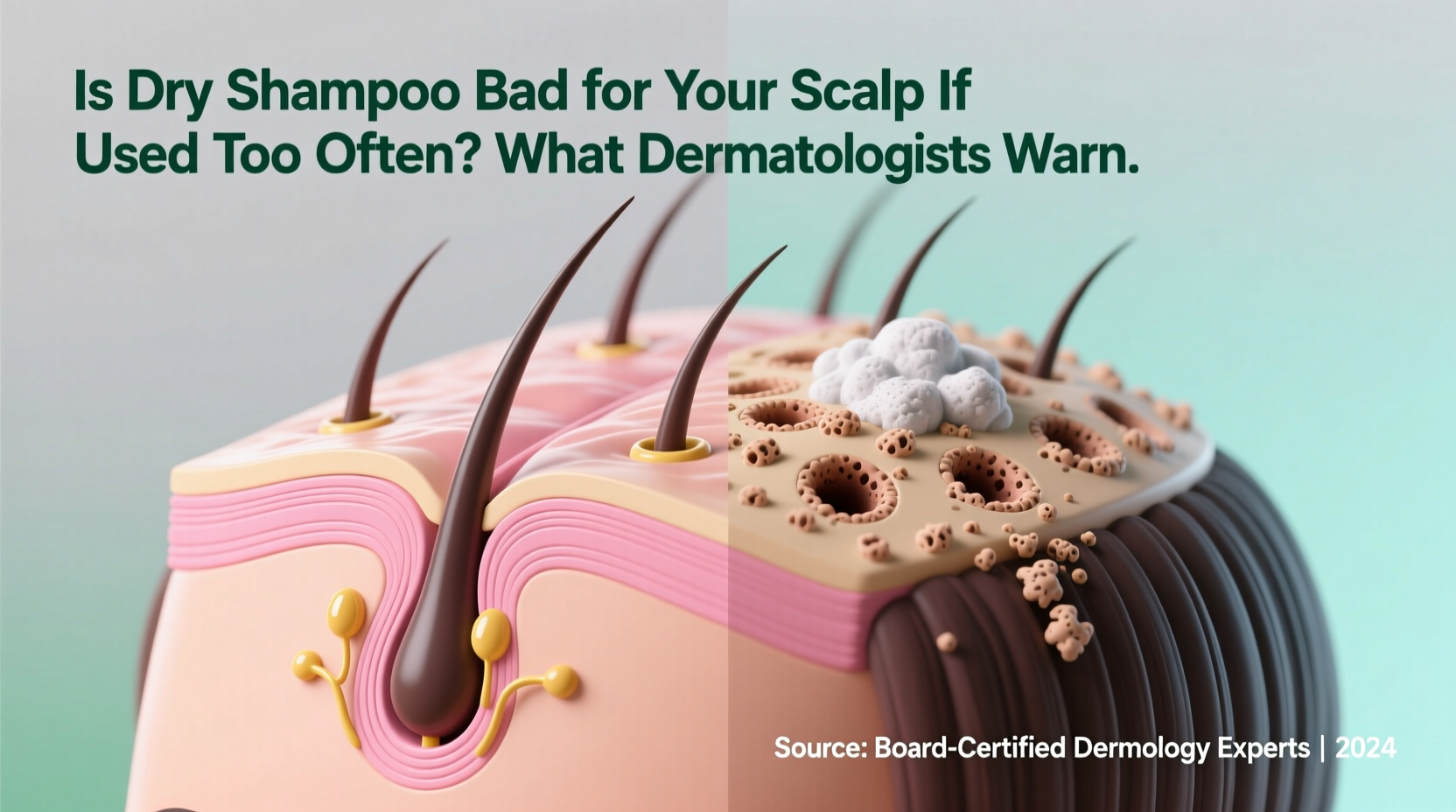
Dry shampoo typically contains alcohol and absorbent ingredients like starch, silica, or talc. These components work by soaking up excess sebum (oil) from the scalp and hair shafts, giving hair a cleaner, fresher appearance without water. The aerosol or powder formula is sprayed or applied at the roots, then massaged in to disperse oils and add volume.
While effective at masking oiliness, dry shampoo doesn’t remove dirt, dead skin cells, sweat, or environmental pollutants. Unlike traditional shampooing, which involves rinsing away buildup with water and surfactants, dry shampoo merely redistributes or absorbs surface oil—leaving behind residue that accumulates over time.
“Dry shampoo is a temporary cosmetic fix, not a substitute for cleansing. Using it repeatedly without washing your hair is like wiping a dirty floor instead of mopping it—you’re just pushing the grime around.” — Dr. Nina Patel, Board-Certified Dermatologist
This distinction is crucial. Over time, the accumulation of product residue, combined with natural scalp excretions, creates an environment ripe for irritation, microbial growth, and compromised follicle function.
What Happens When You Use Dry Shampoo Too Often?
Frequent reliance on dry shampoo—especially more than two days in a row or skipping regular washes for several days—can trigger a range of adverse effects on scalp health. Dermatologists consistently observe these common complications in patients who overuse the product:
- Clogged hair follicles: Starch and other powdery ingredients can clump and block follicles, leading to folliculitis—an inflammation or infection of the hair follicles.
- Scalp buildup: Residue mixes with oil and dead skin, forming a film that suffocates the scalp and disrupts its natural pH balance.
- Increased oil production: Ironically, overuse can signal the scalp to produce *more* oil as it tries to compensate for perceived dryness caused by alcohol-based formulas.
- Dandruff and flaking: Buildup can cause itching and visible flakes that mimic dandruff but are actually product-induced scaling.
- Hair thinning: Chronic inflammation and blocked follicles may impair hair growth and contribute to shedding over time.
In severe cases, prolonged neglect of proper cleansing can result in permanent damage to hair follicles, potentially leading to scarring alopecia—a type of irreversible hair loss.
Expert Recommendations: How Often Is Safe?
So, how much dry shampoo is too much? Dermatologists generally agree that using dry shampoo once or twice a week is acceptable for most people, provided it’s followed by a thorough wash within 1–2 days. However, daily use—or using it for three or more consecutive days without washing—is where risks significantly increase.
Dr. Alicia Ramirez, a clinical dermatologist specializing in hair disorders, advises: “I recommend no more than two consecutive uses of dry shampoo before washing. Beyond that, you’re playing with fire in terms of scalp inflammation and follicular damage.”
She also warns against applying dry shampoo too close to the scalp, especially in large quantities. “Hold the can at least six inches away and focus on the mid-lengths if oiliness isn’t severe. Direct spraying can lead to concentrated deposits that are hard to remove.”
Who Should Be Extra Cautious?
Some individuals are more vulnerable to dry shampoo-related issues due to pre-existing conditions or hair types:
- People with oily scalps: May feel they need dry shampoo more often, but this increases the risk of rebound oiliness and clogging.
- Those with sensitive or acne-prone skin: Scalp acne (often mistaken for dandruff) can worsen due to pore-clogging ingredients.
- Individuals with curly or textured hair: Often skip washes for longer periods, increasing the chance of buildup at the roots.
- Users of heavy styling products: Layering dry shampoo over gels, creams, or sprays compounds residue accumulation.
“The scalp is skin. And like facial skin, it needs regular cleansing to stay healthy. Treating it differently because it’s under hair is a mistake.” — Dr. Lena Cho, Trichology Specialist
Step-by-Step Guide to Safer Dry Shampoo Use
If you choose to use dry shampoo, following a disciplined routine can minimize harm while preserving its benefits. Here’s a practical timeline for responsible usage:
- Limit frequency: Use dry shampoo no more than twice a week and never for more than two consecutive days.
- Section hair properly: Part your hair into sections to ensure even application and avoid overspraying one area.
- Spray at a distance: Hold the can 6–8 inches from your scalp to prevent concentrated buildup.
- Wait before brushing: Allow 2–3 minutes for the product to absorb oil before massaging or brushing through.
- Wash thoroughly afterward: Follow up with a clarifying shampoo within 24–48 hours to remove all residue.
- Exfoliate weekly: Use a scalp scrub or brush once a week to lift dead skin and prevent clogs.
- Monitor your scalp: Check regularly for redness, bumps, persistent itching, or increased shedding.
Do’s and Don’ts of Dry Shampoo Use
| Do | Don’t |
|---|---|
| Use as a temporary solution between washes | Replace regular shampooing with dry shampoo |
| Choose formulas with minimal alcohol and fragrance | Use heavily fragranced or alcohol-rich sprays daily |
| Wash hair within 48 hours of use | Go more than three days without washing |
| Apply to roots only, avoiding excessive amounts | Spray liberally across entire scalp |
| Incorporate a weekly clarifying shampoo | Ignore signs of flaking, itching, or bumps |
Real-World Case: When Convenience Turned Into a Scalp Crisis
Consider the case of 29-year-old marketing executive Maya T., who began using dry shampoo four years ago during a hectic project season. Initially using it once a week, she gradually increased to every other day, sometimes going five days without washing her hair due to time constraints.
Within a year, Maya noticed persistent itching and small red bumps along her hairline. She assumed it was dandruff and switched to an anti-dandruff shampoo, but symptoms worsened. Eventually, she developed tender pustules and experienced noticeable thinning at the crown.
After visiting a dermatologist, she was diagnosed with mild folliculitis and early-stage scalp eczema caused by chronic product buildup and disrupted microbiome. The doctor advised immediate discontinuation of dry shampoo and prescribed a medicated cleanser. After three months of consistent washing, scalp exfoliation, and lifestyle adjustments, Maya’s symptoms resolved—but regaining full hair density took nearly nine months.
Her story isn’t unique. Many dermatologists report seeing similar cases, particularly among high-achieving professionals and new parents who prioritize efficiency over scalp maintenance.
Choosing a Safer Dry Shampoo: What to Look For
Not all dry shampoos are created equal. Some formulations are gentler and less likely to cause irritation or buildup. When selecting a product, consider the following guidelines:
- Avoid high-alcohol bases: Alcohol denat. can be extremely drying and irritating over time.
- Opt for natural absorbents: Look for rice starch, cornstarch, or oat flour instead of synthetic polymers.
- Check for added silicones: Dimethicone and similar ingredients can coat the scalp and trap debris.
- Prioritize fragrance-free options: Synthetic fragrances are a common trigger for allergic reactions.
- Consider non-aerosol formats: Powder or foam versions allow for more controlled application and less inhalation risk.
FAQ: Common Questions About Dry Shampoo and Scalp Health
Can dry shampoo cause hair loss?
Directly, no—but chronic overuse can lead to inflamed or clogged follicles, which may impair hair growth and contribute to temporary shedding. In extreme cases, untreated folliculitis can result in scarring and permanent hair loss.
How do I know if my scalp is damaged from dry shampoo?
Warning signs include persistent itching, redness, flaking, tenderness, small pimples on the scalp, or a waxy feel when touching your roots. If washing doesn’t resolve these issues, consult a dermatologist.
Are there natural alternatives to dry shampoo?
Yes. Some people use arrowroot powder or cocoa powder (for darker hair) applied with a makeup brush. While less processed, these still require thorough removal and shouldn’t replace regular washing.
Final Thoughts: Balance Convenience With Care
Dry shampoo isn’t inherently dangerous—it’s a useful tool when used appropriately. The danger lies in treating it as a substitute for proper hygiene rather than a strategic supplement. Your scalp is living skin that requires oxygen, cleansing, and care. Ignoring its needs for the sake of convenience can lead to long-term consequences that outweigh any short-term benefit.
The key is moderation, awareness, and accountability. Pay attention to how your scalp responds, stick to recommended usage limits, and never skip deep cleansing. By integrating expert-backed practices into your routine, you can enjoy fresh-looking hair without compromising your scalp’s health.




 浙公网安备
33010002000092号
浙公网安备
33010002000092号 浙B2-20120091-4
Comments
No comments yet. Why don't you start the discussion?