
Dry shampoo has become a staple in modern grooming routines—praised for its convenience, time-saving benefits, and ability to refresh second- or third-day hair. Whether you're rushing out the door, traveling, or simply avoiding daily washes, it's easy to see why this aerosol or powder product is so popular. But as usage increases, questions arise: What happens when dry shampoo becomes a near-daily habit? Can repeated application harm your scalp over time? While occasional use is generally safe, frequent reliance on dry shampoo may carry unintended consequences that extend beyond temporary freshness.
The answer isn't a simple yes or no. Dry shampoo itself isn’t inherently harmful, but how and how often you use it determines whether it supports or undermines scalp health. Over time, residue buildup, clogged follicles, and disrupted natural oil balance can contribute to irritation, dandruff, and even hair thinning. Understanding these risks—and how to mitigate them—is essential for anyone who depends on dry shampoo regularly.
How Dry Shampoo Works
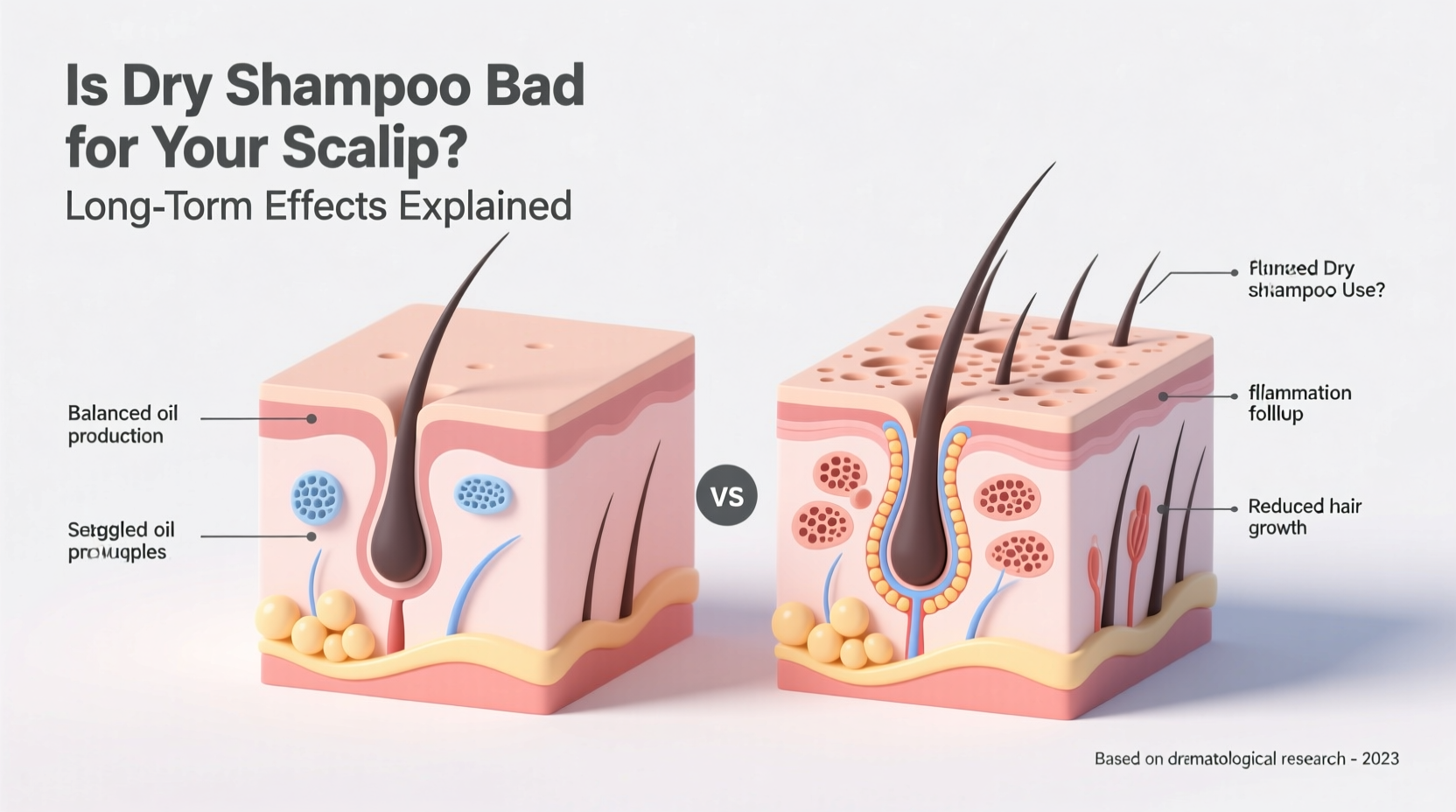
Dry shampoo functions by absorbing excess sebum (natural scalp oil) and sweat from the roots of your hair without water. Most formulas contain starch-based absorbents like rice, corn, or oat starch, along with alcohol, propellants (in aerosol versions), and fragrances. When sprayed or applied at the roots, these ingredients bind to oils, giving hair a cleaner, volumized appearance.
While effective in the short term, the mechanism raises concerns when used excessively. Unlike traditional shampooing, dry shampoo doesn’t rinse away dirt, dead skin cells, or product residue—it only masks oiliness. This means impurities remain on the scalp, accumulating over days or weeks if not properly cleansed.
Short-Term Benefits vs. Long-Term Risks
In moderation, dry shampoo offers real advantages. It extends time between washes, preserves natural moisture in curly or textured hair, and adds volume for styling. However, consistent daily or every-other-day use shifts the balance from benefit to risk.
Over time, the scalp’s ecosystem—home to beneficial microbes, oil glands, and hair follicles—can be disrupted. Without regular cleansing, absorbed oils mix with environmental pollutants, dead skin cells, and leftover product, forming a breeding ground for irritation and inflammation.
Common Long-Term Effects of Frequent Use
- Follicle clogging: Starch and silicones in dry shampoo can accumulate around hair follicles, potentially leading to folliculitis—an inflammatory condition that causes red, itchy bumps.
- Scalp dermatitis: Prolonged residue buildup may trigger contact dermatitis, especially in those sensitive to alcohol or fragrance additives.
- Disrupted microbiome: The scalp hosts a delicate balance of bacteria and fungi. Regular interference from chemical-laden products can encourage overgrowth of Malassezia, linked to dandruff and seborrheic dermatitis.
- Reduced hair strength: Some studies suggest that alcohol-based formulas may weaken hair shafts over time, increasing breakage and split ends.
- Thinning hair: Chronic inflammation from clogged pores or allergic reactions may contribute to miniaturization of hair follicles, mimicking early signs of androgenetic alopecia.
“While dry shampoo is convenient, treating it as a substitute for washing can compromise scalp integrity. I’ve seen patients develop persistent itching and flaking after months of daily use—only resolving once they returned to regular cleansing.” — Dr. Lena Patel, Board-Certified Dermatologist
Who Is Most at Risk?
Not everyone experiences adverse effects equally. Certain individuals are more vulnerable due to pre-existing conditions or hair type:
- Oily scalps: Produce more sebum, making buildup faster and harder to manage without washing.
- Curly or coily hair: Often washed less frequently, increasing dependency on dry shampoo despite higher susceptibility to dryness and scalp issues.
- Sensitive skin: Prone to reactions from alcohol, sulfates, or synthetic fragrances commonly found in formulations.
- Those with dandruff or psoriasis: Already compromised barriers make them more reactive to occlusive residues.
A mini case study illustrates this: Maria, a 32-year-old graphic designer with type 4C hair, began using dry shampoo five times a week to stretch her wash routine from weekly to bi-weekly. After three months, she noticed increased scalp tightness, flaking, and small raised bumps along her hairline. A dermatologist diagnosed her with mild folliculitis and advised reducing dry shampoo use to twice weekly and incorporating a clarifying wash. Within six weeks, symptoms subsided significantly.
Safe Usage Guidelines and Best Practices
You don’t need to eliminate dry shampoo entirely—just use it wisely. The key is treating it as a temporary solution, not a permanent replacement for cleansing.
Step-by-Step Guide to Safer Dry Shampoo Use
- Lift sections of hair: Part your hair into segments to apply directly to the roots, avoiding mid-lengths and ends.
- Spray 6–8 inches away: Prevent oversaturation by holding the can at a distance and using short bursts.
- Wait 30 seconds: Allow the product to absorb oils before massaging.
- Massage thoroughly: Use fingertips (not nails) to work the formula into the scalp and distribute any powdery residue.
- Brush out completely: Use a boar bristle brush to remove excess product and prevent buildup.
- Wash within 2–3 days: Never go more than three consecutive days without a proper shampoo.
Choosing a Scalp-Friendly Formula
Not all dry shampoos are created equal. Reading labels matters. Look for products with minimal, non-irritating ingredients. Avoid those containing:
- High levels of alcohol (ethanol, denatured alcohol): Can dry out both scalp and hair.
- Silicones (dimethicone, cyclomethicone): Build up easily and are hard to remove without sulfates.
- Synthetic fragrances: Common allergens that may trigger sensitivity.
- Propellants like butane or propane: May irritate sensitive skin and pose inhalation risks with frequent use.
Instead, opt for formulas with natural absorbents like kaolin clay, arrowroot powder, or oat flour. Some clean beauty brands now offer refillable powder options that reduce plastic waste and chemical load.
Comparison Table: Ingredients to Seek vs. Avoid
| Category | Recommended Ingredients | Ingredients to Avoid |
|---|---|---|
| Oil Absorbers | Rice starch, arrowroot, kaolin clay | Talc (potential contamination concerns) |
| Carrier Agents | Water, ethanol (in moderation) | Butane, propane, isobutane |
| Conditioning Additives | Jojoba oil, panthenol | Dimethicone, cyclomethicone |
| Fragrance | Essential oils (if non-irritating) | \"Fragrance\" or \"parfum\" (unspecified blends) |
Alternatives and Complementary Care
If you're concerned about long-term scalp health, consider integrating alternative methods to reduce dry shampoo dependence:
- Texturizing powders: Similar effect but often lighter and less occlusive.
- Co-washing (conditioner-only washing): Effective for curly hair types seeking moisture retention without stripping oils.
- Scalp mists with witch hazel: Offer a refreshing cleanse without heavy residue.
- Microfiber towels or bonnets: Reduce oil transfer during sleep, preserving freshness longer.
Additionally, schedule a clarifying shampoo session every 2–4 weeks—even if you wash infrequently. These formulas deeply cleanse buildup without harsh sulfates if chosen carefully. Look for ingredients like salicylic acid, apple cider vinegar, or charcoal.
Checklist: Healthy Dry Shampoo Habits
- ✅ Use no more than 2–3 times per week
- ✅ Always massage and brush out thoroughly
- ✅ Wash hair with real shampoo within 72 hours
- ✅ Check ingredient list for irritants
- ✅ Monitor scalp for itching, redness, or flaking
- ✅ Incorporate a monthly scalp exfoliation treatment
- ✅ Rotate products to prevent chemical buildup
Frequently Asked Questions
Can dry shampoo cause hair loss?
Directly, no—but chronic scalp inflammation from clogged follicles or allergic reactions may contribute to temporary shedding or exacerbate existing hair thinning conditions. There is no evidence that dry shampoo causes permanent baldness, but poor scalp hygiene can impair hair growth over time.
How do I know if my scalp is reacting negatively?
Signs include persistent itching, visible flakes that don’t improve with dandruff shampoo, redness, small pimples along the hairline, or a tight, uncomfortable feeling. If symptoms last more than two weeks after discontinuing use, consult a dermatologist.
Is powder dry shampoo better than aerosol?
Powder versions typically contain fewer propellants and solvents, making them gentler for sensitive scalps. They also allow for more precise application. However, they require thorough blending to avoid visible residue. Aerosols offer convenience but may deliver higher concentrations of alcohol and volatile compounds.
Conclusion: Balancing Convenience and Scalp Health
Dry shampoo is a practical tool in modern hair care, but like any cosmetic product, it demands mindful use. Treating it as an occasional aid rather than a daily crutch protects your scalp’s long-term health. Awareness of ingredients, application technique, and your body’s signals can prevent minor irritations from becoming chronic issues.
Healthy hair starts with a healthy scalp. By limiting frequency, choosing cleaner formulas, and maintaining a balanced cleansing routine, you can enjoy the benefits of fresh-looking hair without sacrificing wellness. Reassess your habits, listen to your scalp, and adjust accordingly—because true haircare sustainability lies not in shortcuts, but in informed choices.




 浙公网安备
33010002000092号
浙公网安备
33010002000092号 浙B2-20120091-4
Comments
No comments yet. Why don't you start the discussion?