
Dry shampoo has become a staple in modern haircare routines—offering a quick fix for greasy roots, bad hair days, and time-strapped mornings. But while it’s convenient, frequent or improper use can lead to unintended consequences. One of the most common complaints? Buildup on the scalp. This accumulation not only dulls hair but can also trigger irritation, clogged follicles, and even hinder hair growth. Understanding how dry shampoo contributes to buildup—and learning how to use it safely—is essential for maintaining a healthy scalp and vibrant hair.
The Science Behind Dry Shampoo and Scalp Buildup
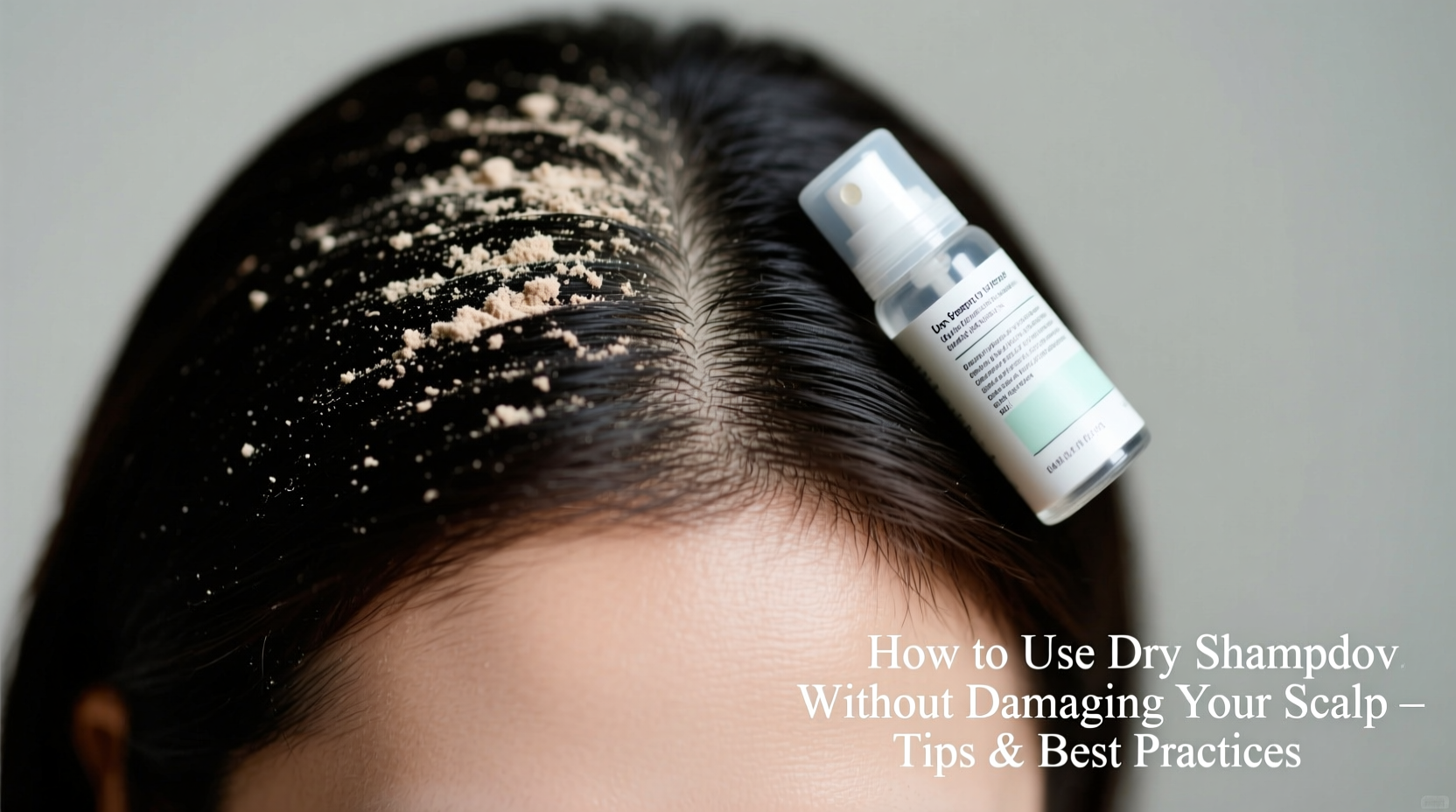
Dry shampoo works by absorbing excess sebum (natural oils) from the scalp using ingredients like starch, alcohol, or silica. While effective at masking oiliness, these powders don’t remove dirt, sweat, or environmental pollutants—they simply sit on the surface until washed out. Over time, repeated applications without thorough cleansing cause layers of residue to accumulate.
This buildup is more than cosmetic. When left unchecked, it can:
- Clog hair follicles, potentially leading to folliculitis
- Disrupt the scalp’s natural pH balance
- Prevent proper oxygenation of hair roots
- Inhibit new hair growth or contribute to thinning
- Trigger dandruff-like symptoms or itching
Many commercial dry shampoos also contain propellants, fragrance additives, and binding agents that adhere tightly to hair shafts and scalp skin. These compounds are not water-soluble, making them difficult to fully rinse away with regular washing.
“Dry shampoo is a temporary solution, not a replacement for cleansing. Overreliance leads to what we call ‘invisible grime’—a layer of absorbed oil and product that suffocates the scalp.” — Dr. Lena Patel, Board-Certified Trichologist
How Often Is Too Often? Finding Your Balance
There’s no universal rule for dry shampoo frequency—it depends on hair type, scalp sensitivity, and lifestyle. However, dermatologists generally advise limiting use to two consecutive days maximum before washing.
For example:
- Oily scalps may be tempted to use dry shampoo daily, but this increases risk of blockage.
- Dry or curly hair types might benefit from occasional use, but overuse can weigh down strands and mask needed moisture.
- Color-treated or chemically processed hair is more porous and prone to retaining residues, requiring extra caution.
Step-by-Step Guide: How to Use Dry Shampoo Without Damaging Your Scalp
To enjoy the benefits of dry shampoo while minimizing harm, follow this science-backed routine:
- Section your hair: Part hair into 2–4 sections to ensure direct application to the roots, not just the mid-lengths.
- Hold the can 6–8 inches away: Spraying too close deposits excessive product, increasing buildup risk.
- Aim at the roots, not the scalp surface: Focus on the base of the hair shafts where oil accumulates.
- Use short bursts: One to two-second sprays per section are usually sufficient.
- Wait 30 seconds: Allow the formula time to absorb oils before brushing.
- Brush thoroughly: Use a boar bristle brush to distribute product and lift residue from the scalp.
- Wash within 48 hours: Never let dry shampoo sit longer than two days without a proper shampoo cleanse.
This method maximizes absorption while reducing excess residue. For aerosol-free options, consider powder-based dry shampoos applied with a makeup brush—these allow greater control over dosage.
Do’s and Don’ts of Dry Shampoo Use
| Do’s | Don’ts |
|---|---|
| Apply to second-day hair, not freshly washed strands | Use on completely clean, dry hair (it bonds poorly and builds up faster) |
| Choose formulas with rice or corn starch instead of talc | Select products with high alcohol content (>70%) which can dry out the scalp |
| Massage gently after application to help lift debris | Rub aggressively—this spreads oil and pushes particles deeper into follicles |
| Wash hair with a clarifying shampoo once a week if using dry shampoo regularly | Go more than 5–6 days without a full wash |
| Store in a cool place to maintain propellant integrity | Leave cans in hot environments (e.g., cars), which can destabilize the spray mechanism |
Recognizing the Signs of Buildup and Scalp Damage
Your scalp often signals when dry shampoo is doing more harm than good. Watch for these red flags:
- Persistent itchiness or flaking, even after washing
- White or grayish film visible at the roots
- Hair feels flat, stiff, or “crunchy” despite being unwashed
- Reduced volume or increased greasiness between washes
- Small bumps or tenderness along the hairline or crown
If you notice any of these symptoms, discontinue dry shampoo use temporarily and perform a deep cleanse. A clarifying shampoo—or even a diluted apple cider vinegar rinse—can help dissolve accumulated residues.
Mini Case Study: From Flaky Scalp to Healthy Roots
Sarah, a 32-year-old marketing executive, relied on dry shampoo five days a week due to her early morning meetings and late-night workouts. After six months, she developed intense scalp itching and noticed small red bumps near her temples. Her stylist pointed out visible white specks at her part lines—classic signs of product buildup.
She stopped using dry shampoo for two weeks and switched to a weekly chelating shampoo. She also began massaging her scalp with a soft brush before washing to loosen debris. Within three weeks, her symptoms subsided, and her hair regained its natural bounce. Now, she uses dry shampoo only once between washes and always follows up with a thorough cleanse.
Sarah’s experience underscores a key truth: convenience should never override scalp health.
Choosing the Right Dry Shampoo for Your Scalp Type
Not all dry shampoos are created equal. The best choice depends on your individual scalp needs:
- Oily scalp: Look for lightweight, mattifying formulas with kaolin clay or charcoal. Avoid heavy silicones.
- Dry or sensitive scalp: Opt for alcohol-free, fragrance-free versions with soothing ingredients like aloe or oat extract.
- Colored hair: Select tinted dry shampoos to avoid white cast, preferably labeled “color-safe.”
- Thinning hair: Use volumizing formulas with minimal residue; some contain caffeine to stimulate circulation.
Read labels carefully. Ingredients like dimethicone, cyclomethicone, and synthetic fragrances are common culprits behind persistent buildup.
Effective Alternatives and Complementary Practices
If you're concerned about long-term effects, consider integrating alternatives that reduce reliance on dry shampoo:
- Scalp micellar waters: Liquid formulas that trap oil and impurities without leaving powder behind.
- Blotting papers: Ideal for touching up visible oil at the roots during the day.
- Texturizing sprays: Add grip and volume without heavy absorption agents.
- Regular scalp exfoliation: Use a gentle scrub or chemical exfoliant (like salicylic acid) once a week to clear pores.
Additionally, improve your baseline hair health by:
- Washing with lukewarm water to avoid stripping natural oils
- Using silicone-free conditioners focused on ends only
- Maintaining a balanced diet rich in omega-3s and biotin
- Reducing heat styling to preserve scalp barrier function
“The scalp is living skin. Treating it like one—with regular cleansing, exfoliation, and care—is the foundation of healthy hair.” — Dr. Marcus Wu, Dermatologist specializing in Hair Disorders
Frequently Asked Questions
Can dry shampoo cause hair loss?
Directly, no—but prolonged buildup can clog follicles and create an inhospitable environment for hair growth. Inflammation from trapped bacteria or yeast may lead to temporary shedding. Regular cleansing prevents this risk.
How do I remove dry shampoo buildup effectively?
Use a clarifying shampoo once a week if you use dry shampoo frequently. For stubborn residue, try a chelating shampoo designed to remove mineral and product buildup. Pre-wash scalp massages with a soft brush can also help lift debris before rinsing.
Is there a “safe” amount of dry shampoo to use per week?
Most experts recommend no more than 2–3 times per week, with a full shampoo in between each use. Daily use, especially over multiple weeks, significantly raises the risk of adverse effects.
Checklist: Safe Dry Shampoo Usage Routine
Follow this checklist to protect your scalp while using dry shampoo:
- ☑ Apply only to second- or third-day hair
- ☑ Section hair for targeted root application
- ☑ Spray from 6–8 inches away in short bursts
- ☑ Wait 30 seconds before brushing
- ☑ Brush thoroughly with a natural bristle brush
- ☑ Wash hair within 48 hours of application
- ☑ Use a clarifying shampoo weekly if using dry shampoo regularly
- ☑ Monitor scalp for itching, flaking, or irritation
- ☑ Replace old cans every 12 months (propellants degrade over time)
- ☑ Store in a cool, dry place away from sunlight
Conclusion: Smart Use, Healthier Hair
Dry shampoo isn’t inherently harmful—but treating it as a permanent substitute for washing is. Buildup happens silently, accumulating beneath the surface until symptoms appear. By understanding how dry shampoo interacts with your scalp and adopting a disciplined usage pattern, you can enjoy its convenience without compromising long-term hair health.
Make mindful choices: select cleaner formulas, limit frequency, and prioritize scalp hygiene. Your hair will look fresher, feel lighter, and grow stronger when supported by a truly balanced routine.




 浙公网安备
33010002000092号
浙公网安备
33010002000092号 浙B2-20120091-4
Comments
No comments yet. Why don't you start the discussion?