
Dry shampoo has become a staple in modern hair care routines, especially for those juggling busy schedules, post-workout refreshes, or days when a full wash isn’t practical. Its convenience is undeniable—spray, massage, and go. But as its popularity grows, so do concerns about long-term effects, particularly the risk of buildup on the scalp and hair. The central question many are asking: Is dry shampoo causing buildup, or can it actually be used safely twice a week?
The answer isn’t a simple yes or no. It depends on product choice, application technique, hair type, and how well you balance dry shampoo use with proper cleansing. When used thoughtfully, dry shampoo can be a safe and effective tool. Misused, it may contribute to scalp irritation, clogged follicles, and dull, lifeless hair.
How Dry Shampoo Works—and Why Buildup Happens
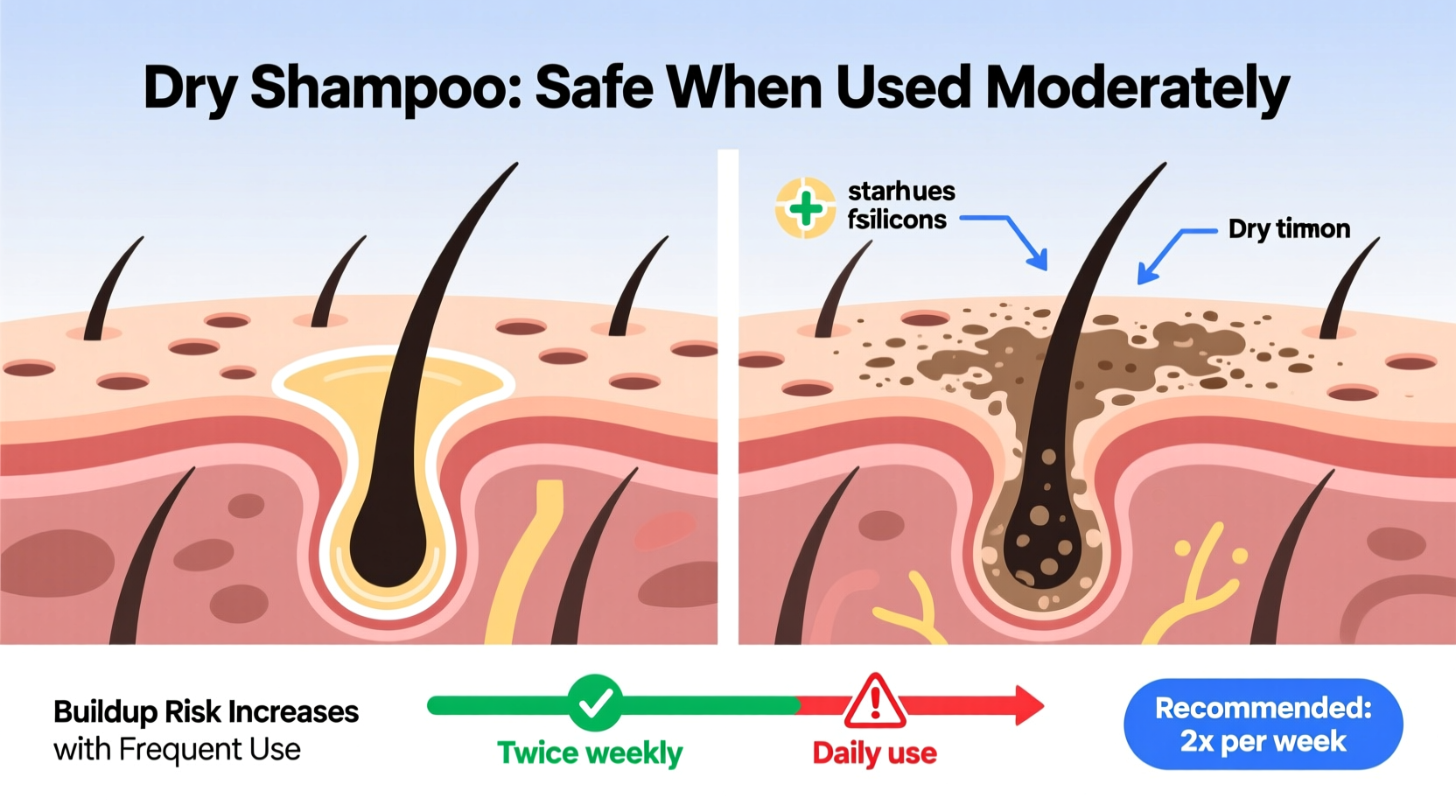
Dry shampoo typically contains absorbent ingredients like starch, alcohol, or silica that bind to excess oil (sebum) at the roots. These components lift grease and dirt from the scalp, giving hair a fresher appearance without water. While this process mimics cleanliness, it doesn’t remove debris—it redistributes or temporarily traps it.
Over time, repeated applications without thorough washing allow residue to accumulate. This buildup often manifests as:
- A gritty or waxy texture at the roots
- Dullness or flatness despite use
- Itchy or flaky scalp
- Reduced volume and bounce
- Clogged hair follicles, potentially leading to folliculitis
Dr. Nina Patel, board-certified dermatologist and hair health specialist, explains:
“Dry shampoo is not a replacement for shampoo. It masks oil but doesn’t cleanse. Over-reliance can disrupt the scalp’s microbiome and lead to inflammation or even temporary hair thinning.”
The frequency of use plays a key role. Daily application increases the risk significantly, but using dry shampoo twice a week falls within a safer range—provided it’s done correctly and balanced with regular washing.
Safely Using Dry Shampoo Twice a Week: Best Practices
Using dry shampoo twice a week is generally acceptable for most hair types, but only if certain guidelines are followed. The goal is to maintain freshness while preventing residue accumulation and scalp stress.
1. Choose the Right Formula for Your Hair Type
Not all dry shampoos are created equal. Some contain heavy oils, fragrances, or talc that increase the likelihood of buildup. Opt for lightweight, non-aerosol formulas if you're sensitive, or aerosols with fine mists for easier dispersion.
| Hair Type | Recommended Dry Shampoo Features | Avoid |
|---|---|---|
| Fine or thin hair | Lightweight, volumizing, alcohol-based (in moderation) | Heavy oils, thick creams |
| Thick or curly hair | Moisture-balancing, talc-free, hydrating variants | Overly drying alcohols |
| Oily scalp | High-absorbency powders (e.g., rice starch, kaolin clay) | Fragrance-heavy formulas |
| Dry or color-treated hair | Sulfate-free, UV-protected, nourishing ingredients (like argan oil) | Denatured alcohol, sulfates |
2. Apply Strategically, Not Excessively
Less is more. Focus on the roots—especially the crown and part lines—where oil accumulates fastest. Avoid spraying near the ends, which are already prone to dryness. Limit sprays to 5–7 seconds per section, then massage thoroughly with fingertips to distribute and activate absorption.
3. Don’t Skip Regular Wash Days
If you use dry shampoo on Tuesday and Friday, schedule a full shampoo and scalp cleanse by Sunday. This prevents residue stacking. Consider using a clarifying shampoo once every 10–14 days if you’re a frequent user.
4. Brush After Application
After massaging in the product, use a boar bristle brush to sweep through hair from roots to ends. This helps disperse leftover powder and prevents chalky deposits.
Real-World Example: Sarah’s Scalp Recovery Journey
Sarah, a 32-year-old marketing executive, relied on dry shampoo five to six times a week to maintain her sleek bob between workouts and client meetings. Within three months, she noticed persistent itching, flaking, and a loss of volume. Her stylist pointed out visible white flakes along her part—not dandruff, but dry shampoo residue.
She cut back to twice weekly use, incorporated a weekly clarifying wash, and switched to a rice-starch-based formula. Within four weeks, her scalp normalized, and her hair regained its natural lift. “I didn’t realize I was suffocating my scalp,” she said. “Now I treat dry shampoo like a touch-up, not a foundation.”
Sarah’s experience highlights a common misconception: convenience shouldn’t override scalp health. Even moderate use requires awareness and correction.
Step-by-Step Guide to Balanced Dry Shampoo Use (Twice Weekly)
- Day 1 – Wash Day: Start with clean, conditioned hair. Use a sulfate-free shampoo and focus on massaging the scalp.
- Day 2 – First Dry Shampoo Use: Apply after workout or at the end of the day if hair feels oily. Spray at roots, wait 30 seconds, then massage and brush.
- Day 3–4: Let hair breathe. Avoid additional product unless absolutely necessary.
- Day 5 – Second Dry Shampoo Use: Repeat application, focusing on high-oil zones. Do not layer over previous residue.
- Day 6–7: Schedule a full wash. Consider a clarifying shampoo if you notice dullness or stiffness.
- Maintenance: Once monthly, perform a scalp exfoliation using a gentle scrub or treatment to remove any lingering buildup.
This rhythm allows two strategic uses while preserving scalp hygiene. Adjust based on sweat levels, humidity, or activity.
Checklist: Safe Dry Shampoo Habits
- ✅ Use only on second- or third-day hair, never on freshly washed strands
- ✅ Limit to two sprays per section (no more than 7 seconds total)
- ✅ Massage thoroughly into the scalp with fingertips
- ✅ Brush hair afterward to remove excess powder
- ✅ Wash hair with regular shampoo within 3–4 days of last dry shampoo use
- ✅ Switch to a clarifying shampoo every 2 weeks if using frequently
- ✅ Monitor scalp for itching, redness, or bumps—signs of irritation
- ✅ Replace old cans (over 12 months) to prevent bacterial growth
When Twice a Week Might Still Be Too Much
While twice weekly is generally safe, some individuals should exercise extra caution:
- Those with sensitive scalps: May react to alcohol, fragrance, or propellants.
- People with dandruff or seborrheic dermatitis: Buildup can worsen flaking and inflammation.
- Wearers of wigs or extensions: Dry shampoo can degrade adhesives and tangle synthetic fibers.
- Individuals with fine, low-density hair: Residue shows more visibly and weighs hair down faster.
In such cases, consider reducing frequency to once a week or exploring alternatives like root-refreshing powders or dry conditioners with lighter formulations.
Frequently Asked Questions
Can dry shampoo cause hair loss?
No direct evidence links dry shampoo to permanent hair loss. However, prolonged buildup can clog follicles, leading to folliculitis or traction alopecia if combined with tight hairstyles. Inflammation from an unhealthy scalp may contribute to temporary shedding, which resolves once cleansing resumes.
How do I know if I have buildup?
Signs include a gritty scalp texture, white or grayish residue at the roots, lack of volume even after washing, and difficulty styling. If your hair feels stiff or looks dull despite care, buildup is likely present. A clarifying shampoo should help reveal the difference.
Are there natural alternatives to commercial dry shampoos?
Yes. Cornstarch, arrowroot powder, or cocoa powder (for dark hair) can be applied sparingly with a makeup brush to absorb oil. These are gentler but require careful application to avoid excess. Mix with a few drops of essential oil for fragrance if desired.
Final Thoughts: Balance Is Key
Dry shampoo isn’t inherently harmful—but it’s not a substitute for proper hair hygiene. Used twice a week with intention, it can extend the life of your style and reduce unnecessary washing, which benefits both hair health and the environment. The critical factor is balance: pairing each use with awareness, proper technique, and timely cleansing.
Think of dry shampoo like fast food—occasionally helpful, never a diet. When chosen wisely and applied mindfully, it fits neatly into a healthy routine. But when overused, it compromises the very thing it’s meant to enhance: fresh, vibrant hair.




 浙公网安备
33010002000092号
浙公网安备
33010002000092号 浙B2-20120091-4
Comments
No comments yet. Why don't you start the discussion?