
Dry shampoo has become a staple in modern hair care routines—praised for its ability to refresh oily roots between washes, extend blowouts, and save time on busy mornings. But as its popularity grows, so do concerns: Is this quick fix secretly harming your scalp? Could the very product meant to keep hair looking clean actually be contributing to long-term buildup, irritation, or even hair thinning?
The answer isn’t black and white. Dry shampoo itself isn’t inherently bad—but how, when, and how often you use it can make all the difference. Used wisely, it’s a powerful convenience tool. Overused or misapplied, it can disrupt your scalp’s natural balance and lead to residue accumulation that clogs follicles and dulls hair.
This article explores the science behind dry shampoo, identifies the signs of scalp buildup, compares safe versus risky usage habits, and provides actionable steps to enjoy the benefits without sacrificing scalp health.
How Dry Shampoo Works—and Where It Can Go Wrong
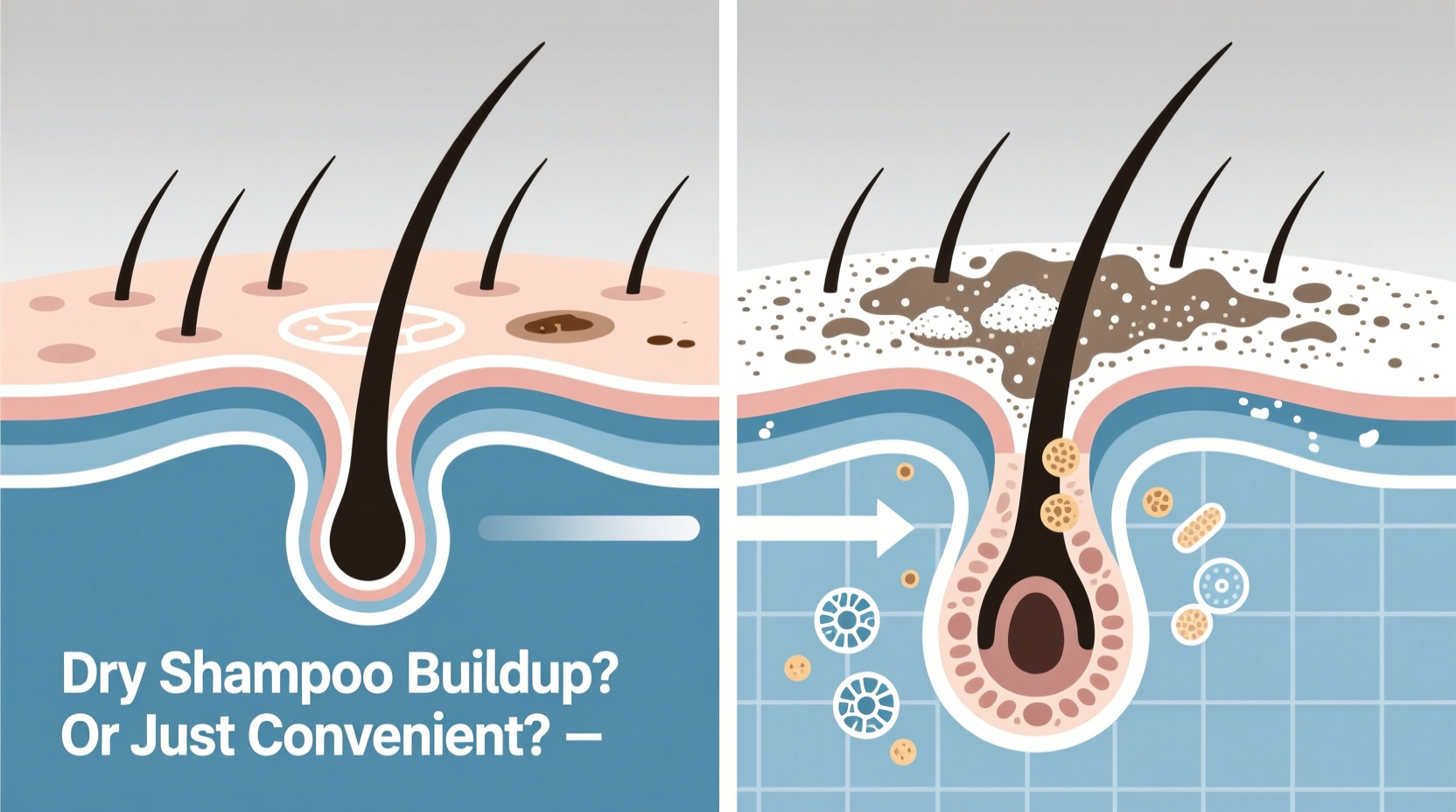
Dry shampoo typically contains absorbent ingredients like starch (rice, corn, or oat), alcohol, and sometimes silica or clay. These components work by soaking up excess sebum—the natural oil produced by your scalp—giving hair a cleaner appearance and added volume without water.
Unlike traditional shampoos that cleanse with surfactants and rinsing, dry shampoo sits on the surface. While effective short-term, repeated application without thorough cleansing allows particles to accumulate at the hairline, along the scalp, and around follicles. This creates a layer of residue that can:
- Block hair follicles, potentially slowing growth
- Irritate sensitive skin, leading to itching or flaking
- Mimic dandruff due to visible white or grayish specks
- Trap bacteria and dead skin cells, increasing risk of folliculitis
Dr. Nina Madnani, a dermatologist specializing in hair and scalp disorders, explains:
“Dry shampoo is an excellent temporary solution, but it's not a substitute for proper washing. When used excessively, it becomes part of the problem—especially for individuals prone to seborrheic dermatitis or scalp acne.”
The core issue lies in perception. Many users believe they’re “cleaning” their hair when they spray dry shampoo, when in reality, they’re only masking oil. The real debris—oil, sweat, environmental pollutants, and product residue—remains unless fully washed away with water and a clarifying agent.
Signs Your Scalp Is Suffering from Buildup
Scalp buildup doesn’t always announce itself dramatically. Often, the changes are subtle until they escalate into discomfort or visible damage. Watch for these red flags:
- Persistent itchiness – A tingling or scratching sensation, especially after using dry shampoo frequently.
- Flaky scalp that doesn’t improve with anti-dandruff treatments – If flakes persist despite using medicated shampoos, the issue may be physical residue rather than fungal overgrowth.
- Greasy roots despite frequent dry shampoo use – This paradox occurs because the product can't absorb new oil once old oil and powder have formed a crust.
- Thinner-looking hair or increased shedding – Clogged follicles may weaken hair anchorage over time.
- White or gray residue that won’t brush out – Especially noticeable on dark hair or near the hairline.
- Foul odor from the scalp – Bacteria thrive in trapped oils and leftover product, producing an unpleasant smell no amount of fragrance can mask.
Safe vs. Risky Dry Shampoo Habits: A Comparison
| Habit | Safe Practice | Risky Practice |
|---|---|---|
| Frequency | 1–2 times per week, max | Daily or multiple times per day |
| Duration between washes | No more than 2–3 days without a full wash | Going 5+ days without water-based cleansing |
| Application area | Roots only, lifted sections, held 6–8 inches from scalp | Spraying directly onto visible scalp, especially inflamed areas |
| Post-application routine | Brushed thoroughly; followed by regular shampoo within 48 hours | Left in overnight or for multiple days without removal |
| Product choice | Alcohol-free, low-residue formulas with natural absorbents | Aerosols heavy in silicones, synthetic fragrances, or talc |
One common misconception is that all dry shampoos are created equal. In reality, formulations vary widely. Aerosol sprays tend to disperse unevenly and contain propellants that can irritate sensitive scalps. Non-aerosol powders or foam alternatives often offer better control and fewer harsh additives.
A Real-Life Example: How Overuse Led to Scalp Recovery
Consider Sarah, a 32-year-old marketing executive with fine, color-treated hair. Her schedule left little room for daily washing, so she relied on dry shampoo almost every day—sometimes twice—to maintain volume and freshness. Within six months, she noticed persistent itching, small bumps along her hairline, and a strange stiffness at her roots.
After visiting a trichologist, she learned she had developed contact folliculitis—a mild inflammation caused by accumulated product residue trapping bacteria. The diagnosis wasn’t alarming, but the treatment required discipline: stop all dry shampoo use for four weeks, switch to a weekly clarifying shampoo, and limit future use to emergencies only.
Within two months, her scalp normalized. She now uses dry shampoo only once between washes and always follows up with a gentle sulfate-free shampoo within 48 hours. “I thought I was saving time,” she said. “But I ended up spending more on treatments and feeling self-conscious. Now I plan better and accept that some days, hair just needs to be washed.”
Step-by-Step Guide to Using Dry Shampoo Without Buildup
To keep enjoying the convenience of dry shampoo while protecting your scalp, follow this sustainable routine:
- Section your hair – Part hair into 2–4 sections to expose the roots evenly.
- Hold the can 6–8 inches away – Spray briefly at the roots, focusing on oily zones like the crown and temples. Avoid oversaturating.
- Wait 30 seconds to 1 minute – Let the active ingredients absorb oil before touching.
- Massage gently with fingertips or a boar-bristle brush – Distribute the product and lift residue. Do not scratch or press hard.
- Style as usual – Blow-dry for extra volume if desired.
- Wash within 48 hours – Use a clarifying or balancing shampoo to remove all traces. Once a week, opt for a chelating shampoo if you use styling products regularly.
- Monitor your scalp weekly – Check for flakiness, odor, or irritation. Adjust frequency accordingly.
For those with curly, coily, or textured hair, dry shampoo should be used even more sparingly. These hair types are more prone to dryness, and buildup along the scalp can exacerbate conditions like pseudofolliculitis barbae or scalp psoriasis.
Choosing the Right Dry Shampoo for Your Scalp Type
Not all scalps react the same way to dry shampoo. Selecting the right formula based on your skin and hair profile reduces the risk of adverse effects.
- Oily scalp: Look for lightweight, alcohol-based or clay-infused formulas that target sebum without heaviness.
- Dry or sensitive scalp: Choose talc-free, fragrance-free options with oat or rice starch. Avoid aerosols with drying alcohols.
- Color-treated hair: Opt for tinted dry shampoos to prevent white cast. Ensure the product is sulfate-free and non-stripping.
- Darker hair tones: Use charcoal-based or brown-tinted powders to avoid chalky residue.
- Acne-prone or reactive skin: Patch test first. Avoid silicones and heavy emollients that can clog pores around the hairline.
FAQ: Common Questions About Dry Shampoo and Scalp Health
Can dry shampoo cause hair loss?
Directly, no—but chronic scalp buildup from overuse can contribute to hair thinning. Clogged follicles restrict healthy growth cycles and may lead to temporary shedding. This is usually reversible with proper cleansing and reduced product use.
How do I remove dry shampoo buildup?
Use a clarifying shampoo once a week. For stubborn residue, try a pre-wash oil treatment (like coconut or jojoba oil) massaged into the scalp 20 minutes before washing. This helps loosen powder and oil. Follow with lukewarm water and a gentle lather.
Is there a healthier alternative to aerosol dry shampoo?
Yes. Consider non-aerosol options like root-refreshing powders applied with a makeup brush, or texturizing sprays that absorb oil without leaving residue. Some brands now offer biodegradable, plant-based formulas with minimal additives.
Expert Insight: What Dermatologists Recommend
“Think of dry shampoo like fast food—occasionally convenient, but never a replacement for balanced nutrition. Your scalp needs regular cleansing to stay healthy. If you wouldn’t skip brushing your teeth for days, don’t skip washing your scalp.” — Dr. Alicia Renoir, Board-Certified Dermatologist
Dermatologists consistently emphasize moderation. They also recommend incorporating scalp exfoliation into weekly routines—either through chemical exfoliants (like salicylic acid shampoos) or soft physical brushes—to prevent long-term accumulation.
Checklist: Healthy Dry Shampoo Usage
Before reaching for the bottle, run through this checklist to protect your scalp:
- ☑ I haven’t used dry shampoo more than twice this week
- ☑ My last full wash was less than 3 days ago
- ☑ I’m spraying only at the roots, not on irritated or broken skin
- ☑ I will brush it in thoroughly after waiting 30 seconds
- ☑ I plan to wash my hair within the next two days
- ☑ My product is free from talc, parabens, and synthetic fragrances (if I have sensitivities)
Conclusion: Convenience Should Never Come at the Cost of Scalp Health
Dry shampoo isn’t the enemy—it’s a tool. Like any shortcut in personal care, its value depends on how you use it. When applied occasionally and responsibly, it extends styles, saves time, and supports hair health by reducing excessive washing and heat exposure.
But when over-relied upon, it masks deeper hygiene needs and introduces new problems. Scalp buildup is preventable, not inevitable. By recognizing early warning signs, choosing better formulas, and committing to regular cleansing, you can enjoy the best of both worlds: fresh hair today and a healthy scalp tomorrow.




 浙公网安备
33010002000092号
浙公网安备
33010002000092号 浙B2-20120091-4
Comments
No comments yet. Why don't you start the discussion?