
Dry shampoo has become a staple in modern hair care routines—offering a quick fix for greasy roots, bad hair days, or post-workout refreshes without water. While convenient, frequent use raises concerns about long-term scalp health. Dermatologists and trichologists increasingly warn that overreliance on dry shampoo can lead to irritation, clogged follicles, and even hair thinning. Understanding how it works, its potential downsides, and knowing when to step back is essential for maintaining a healthy scalp and strong hair.
How Dry Shampoo Works—and What’s Actually in It
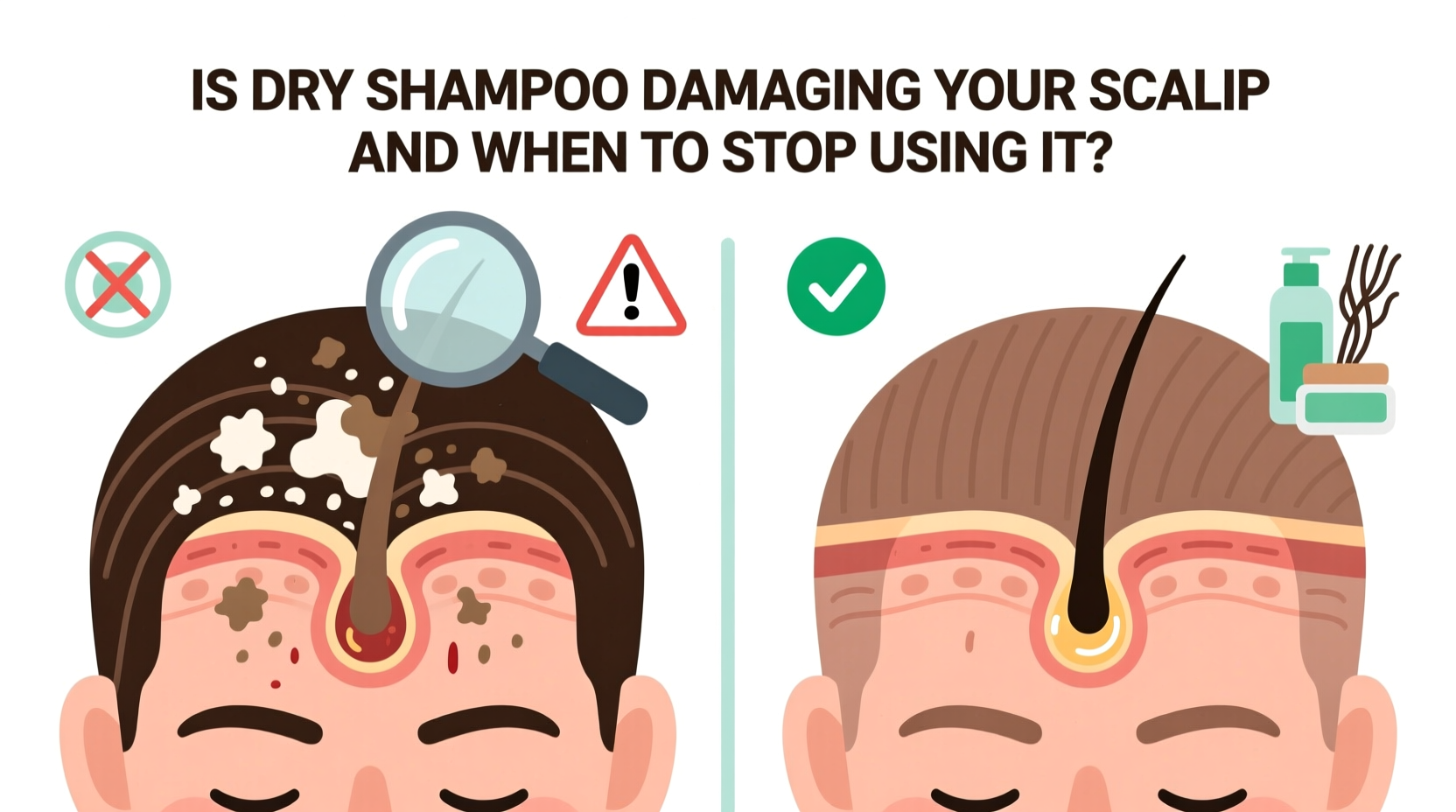
Dry shampoo absorbs excess sebum (oil) from the scalp and hair shafts using powdery ingredients like starch, silica, or alcohol-based propellants. Most aerosol versions spray fine particles onto the roots, which bind to oil and give the appearance of freshly washed hair. While effective short-term, these ingredients don’t wash away buildup—they mask it.
The formulation varies widely between brands. Some contain talc, others rely on rice or cornstarch. Many include fragrance, preservatives, and propellants such as butane or propane, which help disperse the product but may contribute to scalp sensitivity over time.
Unlike traditional shampoos that cleanse with surfactants and water, dry shampoos leave residue behind. This residue accumulates with repeated use, especially if full scalp cleansing is delayed. Over time, this can alter the scalp’s microbiome, disrupt natural oil balance, and impair follicle function.
When Occasional Use Turns Into Scalp Damage
Using dry shampoo once or twice a week between washes is generally safe for most people. Problems arise when it replaces regular shampooing for days—or weeks—on end. The scalp needs periodic deep cleaning to remove sweat, environmental pollutants, dead skin cells, and product buildup.
Chronic use without proper cleansing leads to several issues:
- Clogged hair follicles: Buildup from oils, dirt, and dry shampoo residue can block follicles, potentially leading to folliculitis—an inflammation of the hair follicles often mistaken for acne.
- Scalp irritation and flaking: Accumulated product can cause itching, redness, and dandruff-like flakes, especially in those prone to seborrheic dermatitis.
- Disrupted pH balance: The scalp maintains a slightly acidic pH (around 4.5–5.5). Frequent application of alkaline or alcohol-heavy products can disturb this balance, weakening the skin barrier.
- Impaired hair growth: In severe cases, prolonged clogging and inflammation may contribute to miniaturization of hair follicles, resulting in thinner regrowth or temporary shedding.
“Dry shampoo is a cosmetic solution, not a substitute for cleansing. Relying on it too much prevents the scalp from breathing and self-regulating.” — Dr. Lena Patel, Board-Certified Dermatologist
Signs You Should Stop Using Dry Shampoo—Now
Your scalp communicates distress through physical cues. Ignoring these signals can escalate minor irritation into chronic conditions. Here are key warning signs that it’s time to pause dry shampoo use:
- Persistent itchiness or tightness: A constantly itchy or tense scalp suggests inflammation or dehydration, possibly due to chemical exposure or residue buildup.
- Visible white or grayish flakes: If dandruff appears shortly after using dry shampoo, the product may be disrupting your scalp’s natural exfoliation process.
- Increased oiliness despite frequent use: Paradoxically, overusing dry shampoo can signal your scalp to produce more oil to compensate for perceived dryness caused by alcohol-based formulas.
- Bumps or pimples along the hairline: These could indicate bacterial or fungal folliculitis triggered by trapped debris and moisture.
- Hair feels brittle or looks dull: Residue coats strands, reducing shine and increasing breakage, especially near the roots.
- Product no longer works effectively: When dry shampoo stops absorbing oil efficiently, it's a sign of saturation—your scalp is overloaded.
Safe Usage Guidelines: How to Use Dry Shampoo Without Harm
You don’t need to eliminate dry shampoo entirely—used wisely, it remains a valuable tool. The key is moderation and technique. Follow these best practices to minimize risk:
| Do’s | Don’ts |
|---|---|
| Use only on oily roots, not entire scalp | Don’t apply daily for more than 2 consecutive days |
| Hold can 6–10 inches from head to avoid overspray | Never skip regular shampooing for over 3 days |
| Massage thoroughly after application to distribute and lift residue | Avoid spraying near eyes or inhaling propellants |
| Choose formulas with minimal fragrance and alcohol | Don’t use on broken or irritated skin |
| Rinse out completely during next wash | Never let residue sit for multiple weeks |
For optimal results, treat dry shampoo as an emergency touch-up—not a replacement for hygiene. Limit usage to once or twice per week, and always follow up with a sulfate-free or clarifying shampoo within 48 hours.
Step-by-Step: Resetting a Damaged Scalp After Overuse
If you’ve been relying heavily on dry shampoo and now experience discomfort, follow this five-day recovery plan:
- Day 1: Clarify deeply. Use a clarifying shampoo containing salicylic acid or charcoal. Massage gently into the scalp for 2–3 minutes, focusing on areas where dry shampoo was applied. Rinse thoroughly.
- Day 2: Soothe and hydrate. Apply a lightweight scalp serum with ingredients like aloe vera, panthenol, or niacinamide. Avoid heavy oils that could further clog pores.
- Day 3: Exfoliate gently. Use a scalp scrub or brush with soft bristles to loosen dead skin and residual buildup. Do not scratch or press hard.
- Day 4: Monitor response. Observe changes in oil production, flaking, and comfort level. If irritation persists, consider an over-the-counter antifungal shampoo (e.g., ketoconazole 1%) twice weekly.
- Day 5: Reassess routine. Resume normal washing with a mild shampoo. Only reintroduce dry shampoo sparingly, and track any recurrence of symptoms.
“A weekly reset with a clarifying wash can prevent long-term damage—even if you use dry shampoo occasionally.” — Rachel Kim, Trichology Specialist
Real-Life Example: Recovering From Chronic Dry Shampoo Use
Samantha, a 32-year-old marketing executive, used dry shampoo every other day for nearly eight months. Her schedule left little time for washing her thick, wavy hair, so she relied on aerosol sprays to maintain volume and freshness. Within six months, she noticed persistent itching, small bumps behind her ears, and increased hair shedding during brushing.
After visiting a dermatologist, she was diagnosed with mild scalp folliculitis and advised to stop all dry shampoo use immediately. She followed a two-week regimen involving biweekly clarifying washes, a soothing tea tree oil rinse, and nightly scalp massages with squalane oil. By week three, her symptoms had improved significantly. Today, she uses dry shampoo only before events and never skips more than two days between washes.
Her experience highlights how easily convenience can compromise scalp health—and how quickly improvement follows corrective action.
Frequently Asked Questions
Can dry shampoo cause hair loss?
Directly, no—but prolonged buildup and inflammation from overuse can weaken hair follicles, leading to temporary shedding or hindered growth. Once the scalp environment improves, hair typically recovers.
Is there a safer alternative to aerosol dry shampoo?
Yes. Powder-based or foam dry shampoos with natural absorbents like arrowroot powder or oat flour tend to be less irritating. They also allow for more precise application and fewer propellants.
How often is it safe to use dry shampoo?
Most experts recommend limiting use to 1–2 times per week, always followed by a thorough shampoo within 24–48 hours. Never go more than three days without washing your scalp.
Final Thoughts: Balancing Convenience With Scalp Health
Dry shampoo offers undeniable convenience in fast-paced lifestyles. However, treating it as a permanent substitute for cleansing risks long-term scalp damage. The scalp is living skin—it requires care, breathability, and regular detoxification just like facial or body skin.
Recognizing the early signs of irritation, understanding ingredient risks, and adhering to safe usage limits can help you enjoy the benefits without the backlash. When in doubt, err on the side of washing. Healthy hair begins with a clean, balanced scalp.




 浙公网安备
33010002000092号
浙公网安备
33010002000092号 浙B2-20120091-4
Comments
No comments yet. Why don't you start the discussion?