
Dry shampoo has become a staple in modern haircare routines, praised for its ability to refresh oily roots between washes, extend hairstyles, and save time on busy mornings. But as usage increases—sometimes daily or every other day—questions arise about its long-term impact on scalp health. While convenient, frequent reliance on dry shampoo may come at a cost. Accumulated residue, blocked follicles, and disrupted sebum balance are just some of the concerns dermatologists have begun to highlight.
This article examines the science behind dry shampoo, identifies potential risks associated with prolonged use, and offers practical strategies to enjoy its benefits without harming your scalp over time.
How Dry Shampoo Works
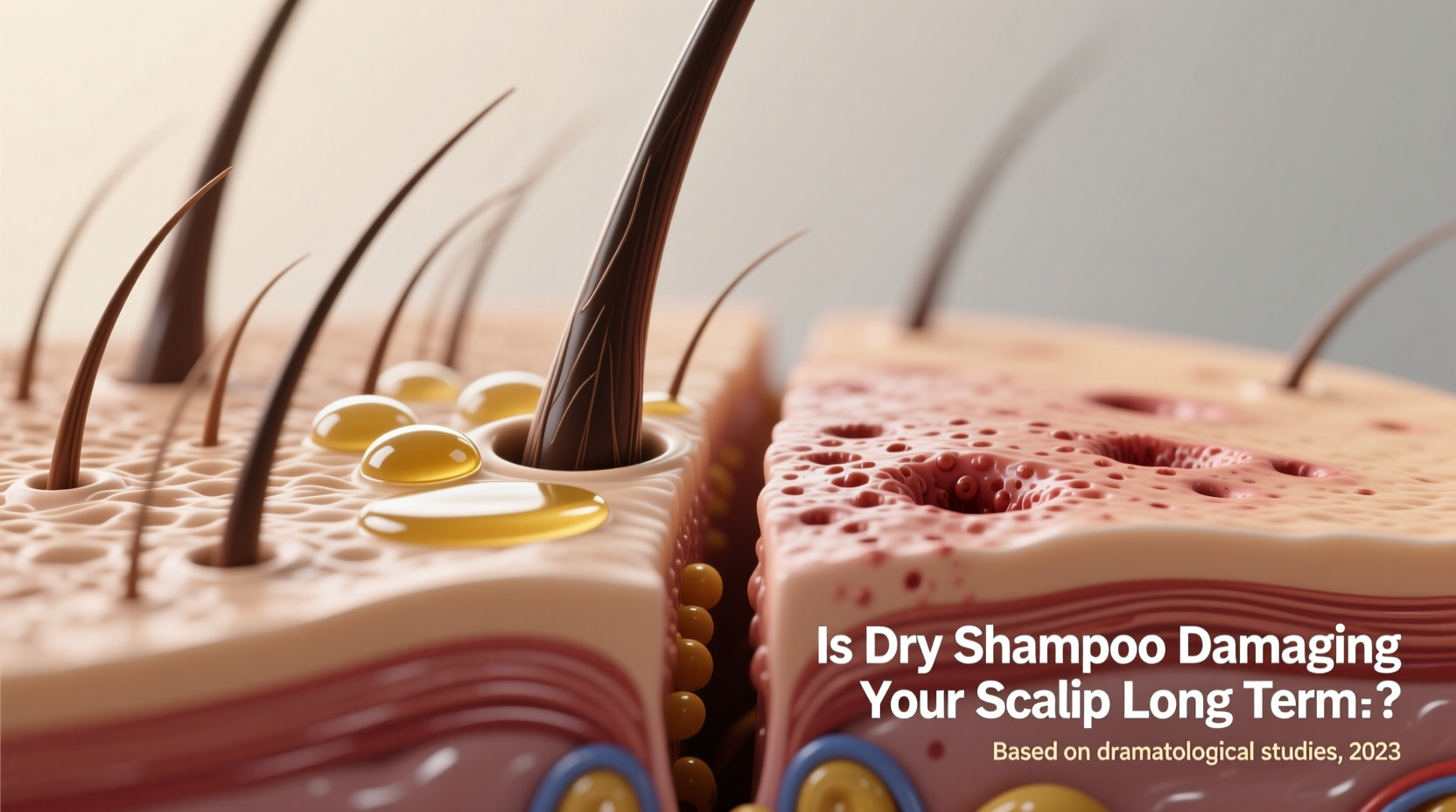
Dry shampoo typically contains alcohol and absorbent ingredients such as starch, silica, or rice powder. These components work by soaking up excess oil (sebum) from the scalp and hair shafts, giving hair a cleaner appearance and added volume without water.
When sprayed onto the roots, the product binds to oils and dirt. Users then massage it into the scalp, allowing the powders to lift impurities before brushing out the residue. Unlike traditional shampoos that cleanse via surfactants and rinsing, dry shampoo offers a temporary fix—cleansing the surface but not replacing a thorough wash.
The convenience factor is undeniable: no wet hair, no styling restart, no time spent blow-drying. However, because it doesn’t remove buildup completely, repeated applications can lead to accumulation on the scalp—a key concern for long-term users.
Long-Term Risks to Scalp Health
While occasional use of dry shampoo poses minimal risk, chronic application—especially without proper cleansing in between—can contribute to several scalp issues.
1. Follicle Clogging and Inflammation
Over time, the powders and propellants in dry shampoo can accumulate around hair follicles. This buildup may block pores, leading to folliculitis—an inflammation of the hair follicles often mistaken for acne. Symptoms include red bumps, itching, and tenderness on the scalp.
In severe cases, persistent clogging can restrict hair growth and even contribute to temporary hair thinning, particularly along the part line where product concentration tends to be highest.
2. Disruption of Natural Oil Balance
The scalp produces sebum to moisturize both skin and hair. Frequent use of oil-absorbing products can trick the scalp into overproducing oil to compensate for perceived dryness. This rebound greasiness creates a cycle: more oil leads to more dry shampoo use, which further disrupts the natural balance.
3. Buildup of Chemical Residues
Beyond oils, dry shampoos leave behind inactive ingredients like polymers, fragrances, and preservatives. These don’t evaporate and can layer over time, especially if full scalp washes are infrequent. This film may prevent oxygen flow to follicles and hinder nutrient absorption.
4. Increased Risk of Dandruff and Irritation
A compromised scalp environment—due to trapped sweat, dead skin cells, and product residue—creates an ideal breeding ground for Malassezia yeast, a common contributor to dandruff. Additionally, alcohol-based formulas can strip moisture, leading to dryness, flaking, and irritation, particularly in individuals with sensitive skin.
“Using dry shampoo more than two days in a row regularly can compromise the scalp’s microbiome and barrier function.” — Dr. Lena Patel, Board-Certified Dermatologist
Who’s Most at Risk?
Not all users experience adverse effects equally. Certain factors increase vulnerability to scalp damage from extended dry shampoo use:
- Oily scalp types: More prone to overuse due to faster oil recurrence.
- Curly or textured hair: Often washed less frequently, increasing dependency on dry shampoo.
- Individuals with existing scalp conditions: Such as psoriasis, eczema, or seborrheic dermatitis may see flare-ups worsened by residue buildup.
- Frequent users: Those applying dry shampoo daily or skipping washes for multiple days in a row.
Mini Case Study: Sarah’s Scalp Reaction
Sarah, a 29-year-old marketing executive, used dry shampoo nearly every day to maintain her blowout during a six-week business trip. She noticed mild itching at first, then developed small red bumps along her hairline. After three months of continuous use with only weekly washes, she experienced noticeable thinning near her crown.
Upon visiting a dermatologist, she was diagnosed with mild folliculitis and advised to discontinue dry shampoo for four weeks. A clarifying shampoo regimen and reduced frequency of use helped restore her scalp health within two months. Her stylist now recommends limiting dry shampoo to once or twice per week max.
Safe Usage Guidelines and Alternatives
You don’t need to eliminate dry shampoo entirely to protect your scalp. The key lies in moderation, proper technique, and complementary care practices.
Step-by-Step Guide to Safer Dry Shampoo Use
- Lift hair sections: Part your hair to expose the scalp directly—this ensures even application and reduces overspray.
- Spray briefly: Apply in short bursts (1–2 seconds per section), focusing only on oily areas.
- Wait 30 seconds: Allow the formula to absorb oils before massaging.
- Massage thoroughly: Use fingertips to distribute the product and break up clumps.
- Brush out completely: Use a boar bristle brush to remove all visible residue.
- Wash regularly: Never go more than 2–3 days without a full shampoo, regardless of dry shampoo use.
Healthier Alternatives to Traditional Dry Shampoo
- Pre-wash oil treatments: Apply lightweight oils (like jojoba or grapeseed) before washing to control oil production naturally.
- Blotting papers: Designed for facial oil, these can gently dab excess scalp grease without adding chemicals.
- Rinseless conditioners or micellar waters: Some brands offer water-activated cleansers that lift oil with a damp towel or cloth.
- Scalp-focused powders: Look for talc-free, cornstarch-based options with fewer synthetic additives.
Do’s and Don’ts of Dry Shampoo Use
| Do | Don’t |
|---|---|
| Use 1–2 times per week maximum | Apply daily or multiple times per day |
| Choose formulas with minimal alcohol and fragrance | Use heavily scented or aerosol-heavy products |
| Follow up with a clarifying shampoo weekly | Skip regular washes for more than 3 days |
| Massage and brush thoroughly after application | Leave product sitting without brushing out |
| Monitor your scalp for signs of irritation | Ignore itching, redness, or flaking |
FAQ
Can dry shampoo cause hair loss?
Directly, no—but long-term buildup can lead to clogged follicles, inflammation, and weakened hair shafts, contributing to temporary shedding. If left unaddressed, chronic folliculitis may impair hair regrowth in affected areas.
Is there a “safe” type of dry shampoo?
Yes. Opt for non-aerosol, low-alcohol formulas made with natural absorbents like kaolin clay or oat flour. Avoid products containing parabens, sulfates, or synthetic fragrances, especially if you have sensitive skin.
How do I know if my scalp is damaged from dry shampoo?
Watch for persistent itchiness, redness, flaking, or small bumps along the hairline or part. You might also notice increased oiliness shortly after washing, indicating disrupted sebum regulation.
Conclusion: Balancing Convenience and Scalp Wellness
Dry shampoo isn’t inherently harmful, but treating it as a substitute for real cleansing sets the stage for long-term scalp issues. Used sparingly and correctly, it remains a valuable tool in maintaining fresh-looking hair between washes. However, relying on it too heavily risks disrupting your scalp’s delicate ecosystem—leading to inflammation, excess oil, and even impaired hair growth.
The solution isn’t elimination, but intentionality. Limit usage, prioritize full washes, choose cleaner formulations, and pay attention to how your scalp responds. Your hair’s health depends not just on what you put on it, but what you allow to stay on your scalp.




 浙公网安备
33010002000092号
浙公网安备
33010002000092号 浙B2-20120091-4
Comments
No comments yet. Why don't you start the discussion?