
Dry shampoo has become a staple in modern haircare routines. Whether you're rushing out the door, extending a blowout, or avoiding daily washing, it offers a quick fix for greasy roots and flat strands. But as its popularity grows, so do concerns about long-term scalp health. Is this convenient product secretly damaging your scalp, or is it genuinely helping preserve your hair’s natural oils and structure between washes? The answer isn’t black and white — it depends on how, when, and how often you use it.
Understanding the balance between convenience and care requires looking at the ingredients, application methods, and biological impact on the scalp. While dry shampoo can be a lifesaver for busy lifestyles, misuse can lead to buildup, irritation, and even hair thinning over time. Let’s explore the science behind dry shampoo, its benefits, risks, and how to use it without compromising scalp health.
How Dry Shampoo Works: The Science Behind the Spray
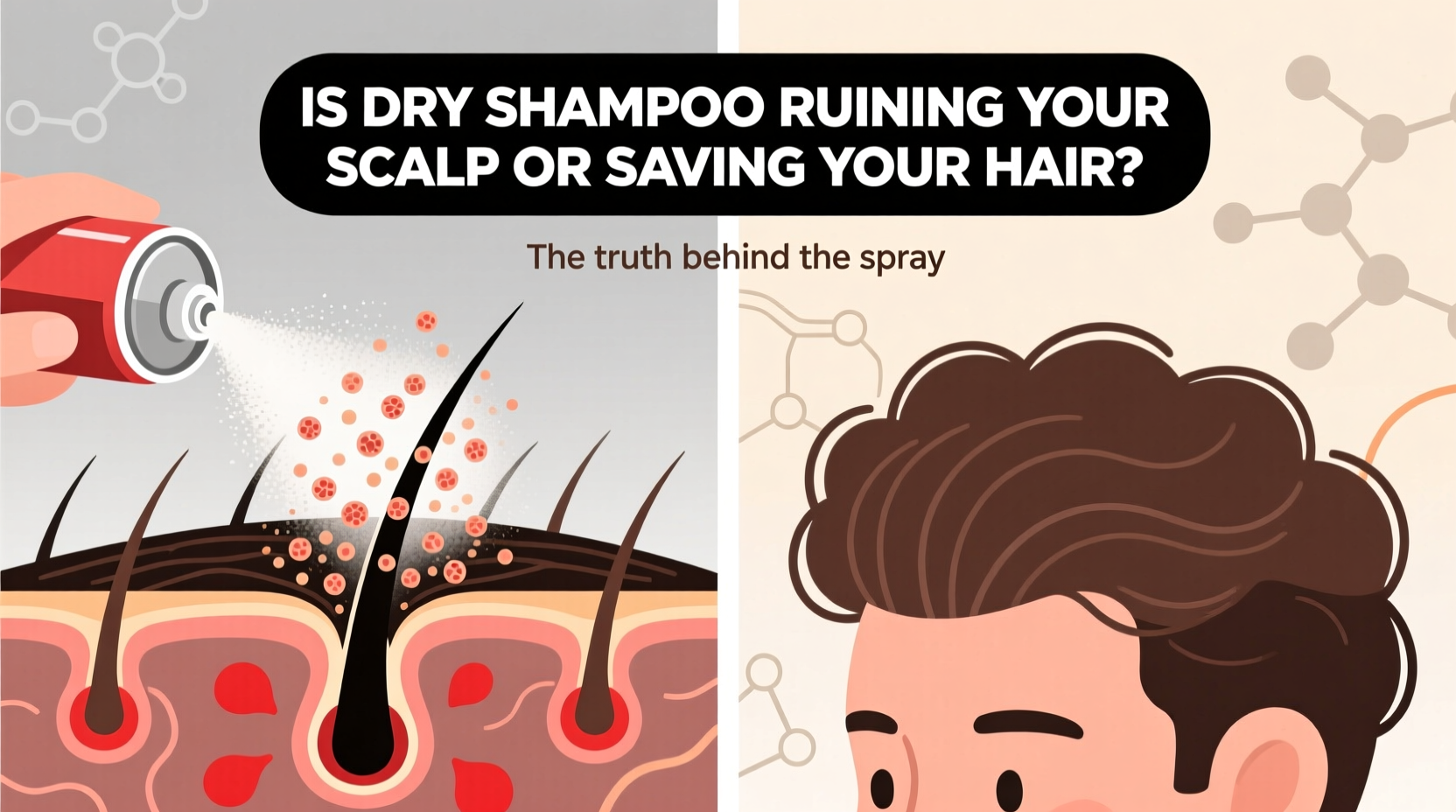
Dry shampoo typically contains absorbent ingredients like starch, silica, or clay that bind to sebum — the natural oil produced by your scalp. When applied, these powders soak up excess oil from the hair shaft and scalp, giving hair a refreshed, voluminous appearance without water or traditional cleansing.
The active components are suspended in an aerosol or non-aerosol formula, allowing even distribution. Once sprayed or applied, users massage the product into the roots, where it lifts away grease and adds texture. Many formulas also include fragrance and conditioning agents to enhance sensory appeal.
Unlike regular shampoo, which removes oil, dirt, and product residue through surfactants and rinsing, dry shampoo only addresses surface-level oil. It doesn’t cleanse the scalp deeply or remove environmental pollutants, dead skin cells, or long-term buildup.
“Dry shampoo is not a substitute for cleansing — it’s a temporary solution. Over-reliance can disrupt the scalp’s microbiome.” — Dr. Lena Patel, Board-Certified Dermatologist
The Benefits: Why Dry Shampoo Can Be a Haircare Hero
When used appropriately, dry shampoo delivers real advantages, especially for those with specific hair types or lifestyle demands.
- Prolongs hairstyle longevity: Blowouts, curls, and straight styles last longer when washing is minimized.
- Reduces mechanical damage: Less brushing, drying, and heat styling means less breakage and split ends.
- Maintains natural oils: Frequent washing strips essential sebum, leading to dryness; dry shampoo helps retain moisture balance.
- Convenient for travel or busy schedules: No water, no mess, no time commitment.
- Boosts volume and texture: Especially beneficial for fine or flat hair needing lift at the roots.
For people with curly, coily, or textured hair, where washing and conditioning are time-intensive and can disrupt curl patterns, dry shampoo offers a way to refresh hair without starting over. Similarly, individuals undergoing chemotherapy or experiencing hair loss may find dry shampoo gentler than frequent washing.
The Risks: How Overuse Can Harm Your Scalp
The problem isn’t dry shampoo itself — it’s frequency and technique. Using it too often or incorrectly can lead to several issues:
1. Product Buildup
Absorbent powders accumulate on the scalp over time, especially if not fully brushed out. This creates a film that blocks hair follicles, potentially leading to clogged pores and reduced hair growth.
2. Scalp Irritation and Flaking
Some formulas contain alcohol, propellants, or synthetic fragrances that can dry out the scalp. This mimics dandruff-like symptoms — itching, redness, and flaking — particularly in sensitive individuals.
3. Disrupted Microbiome
Your scalp hosts a delicate ecosystem of bacteria and fungi. Regularly masking oil without cleansing allows microbes like *Malassezia* to thrive, increasing the risk of seborrheic dermatitis or fungal acne.
4. Weakened Hair Follicles
Chronic buildup and inflammation can stress hair follicles, contributing to shedding or thinning, especially along the hairline where dry shampoo is most heavily applied.
5. Misleading Cleanliness
Dry shampoo gives the illusion of cleanliness while dirt, sweat, and pollutants remain. This false sense of hygiene may delay proper washing, worsening scalp conditions over time.
“I’ve seen patients come in with severe scalp congestion after using dry shampoo every day for months. They thought they were protecting their hair, but they were suffocating their scalp.” — Dr. Amir Chen, Trichologist
Best Practices: How to Use Dry Shampoo Without Damage
The key to safe dry shampoo use lies in moderation, selection, and routine. Follow these steps to enjoy the benefits while minimizing harm.
Step-by-Step Guide to Safe Application
- Shake the can well to evenly disperse ingredients.
- Hold 6–10 inches from roots to avoid oversaturation.
- Target oily areas only — usually the crown and part line.
- Spray in short bursts, focusing on 2–3 second intervals per section.
- Wait 30 seconds for the powder to absorb oil.
- Massage thoroughly with fingertips or a boar bristle brush to distribute and remove excess.
- Do not sleep with residue — always brush out completely before bed.
Dos and Don’ts of Dry Shampoo Use
| Do | Don’t |
|---|---|
| Use 1–2 times per week max | Apply daily or multiple times a day |
| Choose formulas with natural absorbents (rice starch, kaolin clay) | Use products high in alcohol or synthetic fragrances |
| Brush out thoroughly after each use | Leave residue on the scalp overnight |
| Wash hair weekly with a clarifying shampoo | Go more than 7–10 days without washing |
| Part hair in different sections to avoid concentrated buildup | Spray repeatedly in the same area |
Choosing the Right Formula for Your Scalp Type
Not all dry shampoos are created equal. Selecting the right one based on your scalp and hair type reduces the risk of adverse effects.
- Oily scalp: Look for lightweight, oil-absorbing formulas with charcoal or witch hazel.
- Dry or sensitive scalp: Choose alcohol-free, fragrance-free options with soothing ingredients like aloe or oat extract.
- Colored or chemically treated hair: Opt for color-safe, UV-protectant sprays that won’t dull or strip dye.
- Thick or coarse hair: Cream-based or foam dry shampoos may distribute more evenly than aerosols.
- Fine hair: Aerosol sprays with volumizing properties work best to add lift without weighing hair down.
Read labels carefully. Avoid ingredients like talc (potential contamination concerns), parabens, and phthalates when possible. Mineral-based alternatives are gaining traction for their safety and biodegradability.
Mini Case Study: From Daily Dependence to Scalp Recovery
Sophia, a 32-year-old marketing executive, relied on dry shampoo five to six times a week to maintain her sleek bob between salon visits. After several months, she noticed persistent itching, flaking, and thinning near her temples. A visit to a dermatologist revealed folliculitis and early signs of traction-related shedding due to product accumulation.
She was advised to stop using dry shampoo for four weeks, switch to a salicylic acid-based cleanser twice weekly, and adopt a rotating wash schedule. After three months of consistent cleansing and limited dry shampoo use (only once a week), her scalp healed, and hair density improved. Sophia now uses dry shampoo strategically — never more than twice a week — and always follows up with a thorough wash within 48 hours.
FAQ: Common Questions About Dry Shampoo and Scalp Health
Can dry shampoo cause hair loss?
Not directly, but chronic scalp buildup and inflammation from overuse can weaken hair follicles and contribute to shedding. If left untreated, this may lead to temporary thinning, especially around the hairline.
How often should I wash my hair if I use dry shampoo?
You should still wash your hair at least once every 5–7 days. Dry shampoo extends time between washes but doesn’t replace deep cleansing. Skipping washes for longer increases the risk of clogged follicles and scalp disorders.
Is non-aerosol dry shampoo safer?
Non-aerosol formulas (powders, sprays, or foams) often contain fewer propellants and alcohol, making them gentler for sensitive scalps. However, effectiveness varies — some require more precise application to avoid clumping.
Final Checklist: Healthy Dry Shampoo Habits
- Limit use to 1–2 times per week.
- Always brush out residue completely.
- Wash hair with a clarifying shampoo weekly.
- Avoid spraying directly on inflamed or broken skin.
- Rotate part lines to prevent localized buildup.
- Check ingredient lists for irritants like alcohol or synthetic fragrances.
- Listen to your scalp — if itching or flaking occurs, take a break.
Conclusion: Balancing Convenience and Care
Dry shampoo isn’t inherently good or bad — it’s a tool. Used wisely, it preserves hair integrity, reduces wash-induced stress, and fits seamlessly into modern routines. But when overused or misapplied, it becomes a culprit behind scalp congestion, irritation, and long-term damage.
The goal isn’t elimination, but intentionality. Treat dry shampoo as a supplement, not a replacement. Pair it with regular cleansing, mindful application, and scalp awareness. Your hair will stay fresh, your scalp will stay healthy, and you’ll enjoy the best of both worlds: convenience without compromise.




 浙公网安备
33010002000092号
浙公网安备
33010002000092号 浙B2-20120091-4
Comments
No comments yet. Why don't you start the discussion?