
Dry shampoo has become a staple in modern grooming routines—praised for its convenience, time-saving benefits, and ability to refresh hair between washes. Whether you're rushing to a meeting or extending the life of a blowout, a quick spray seems like a harmless solution. But as usage increases, so do concerns: Is it really safe to rely on dry shampoo every day? And at what point does convenience turn into scalp damage?
The truth is, while dry shampoo offers undeniable short-term benefits, daily or prolonged use without proper cleansing can lead to buildup, irritation, and even long-term scalp health issues. Understanding the ingredients, mechanisms, and limitations of dry shampoo is essential to using it wisely.
How Dry Shampoo Works—and What’s Inside It
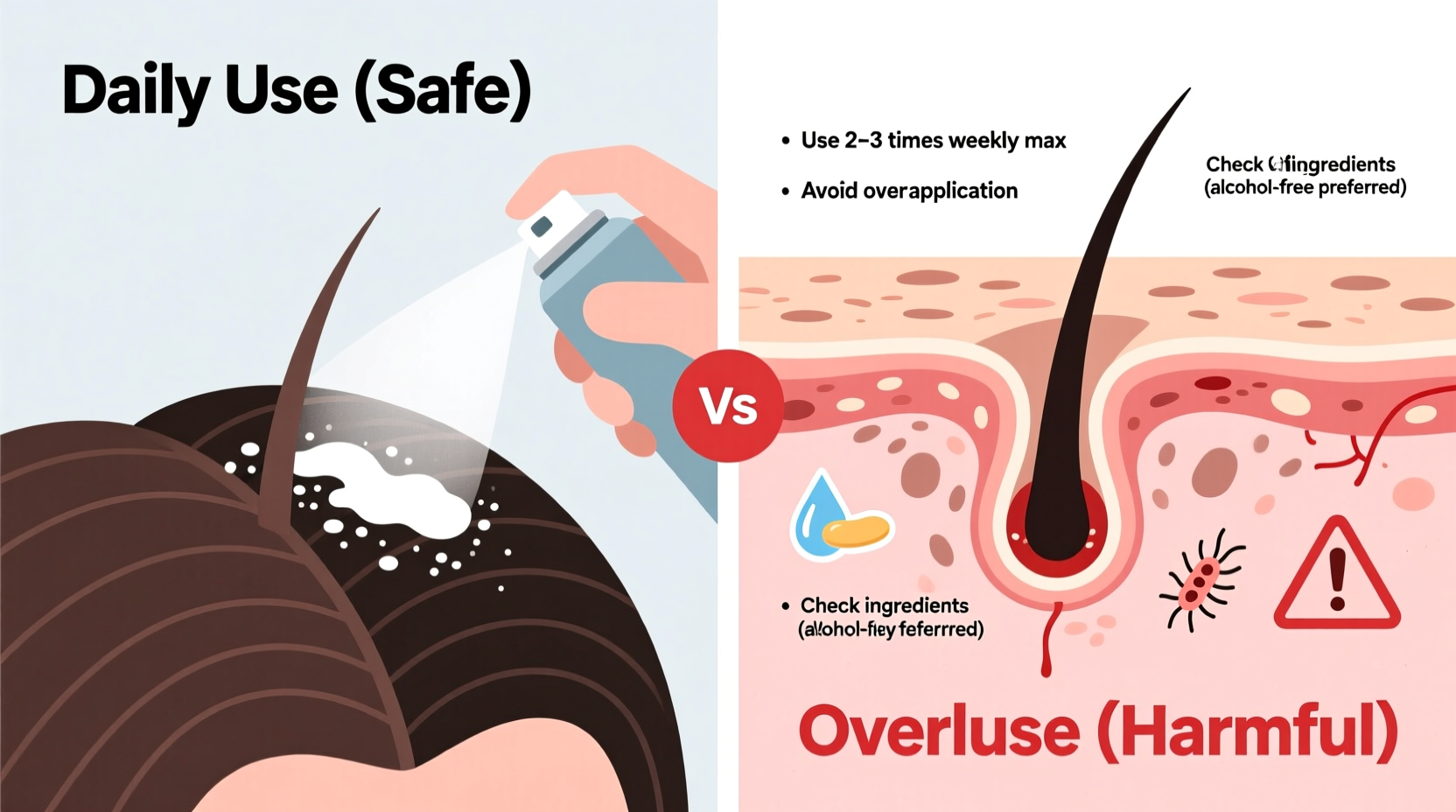
Dry shampoo doesn’t clean hair in the traditional sense. Instead, it absorbs excess oil (sebum) from the scalp and hair shaft using absorbent ingredients like starch, silica, or clay. These components bind to oils and give hair a refreshed, volumized appearance without water.
Most aerosol and powder formulas also contain propellants, fragrance, and alcohol. While effective, some of these ingredients may cause sensitivity or contribute to scalp imbalance over time. For example:
- Butane, propane, isobutane – Propellants in aerosol sprays that help disperse the product but can be drying.
- Alcohol denat. – A drying agent that evaporates quickly but may irritate sensitive scalps with frequent use.
- Fragrance – Often a mix of undisclosed chemicals; a common trigger for allergic reactions.
- Starch or talc – Absorb oils but can accumulate if not fully washed out.
While these ingredients are generally recognized as safe for occasional use, their cumulative effect—especially when applied daily—can compromise scalp health.
The Risks of Daily Dry Shampoo Use
Using dry shampoo once or twice a week as a supplement to regular washing is unlikely to cause harm. However, daily reliance can lead to several problems:
1. Product Buildup and Clogged Follicles
Every application leaves behind residue. Over time, this accumulates along with dead skin cells, sweat, and environmental pollutants. The result? A congested scalp where hair follicles become blocked—a condition known as folliculitis. This can manifest as small, itchy bumps, redness, or even pustules resembling acne.
2. Disruption of Natural Oil Balance
The scalp produces sebum to protect and moisturize hair. When dry shampoo constantly absorbs oil, the scalp may respond by producing more—leading to a cycle of increased greasiness and greater dependence on the product.
3. Impaired Scalp Microbiome
Your scalp hosts a delicate ecosystem of beneficial bacteria and fungi. Frequent chemical exposure from sprays and powders can disrupt this balance, potentially encouraging conditions like dandruff or seborrheic dermatitis.
4. Hair Breakage and Thinning
Buildup weighs down hair strands, making them brittle. Combined with aggressive brushing to distribute dry shampoo, this increases the risk of mechanical damage and breakage. In severe cases, chronic inflammation from clogged follicles may contribute to temporary thinning.
“Daily dry shampoo use without proper cleansing is like putting makeup on dirty skin—it masks the problem but worsens the underlying condition.” — Dr. Lena Patel, Board-Certified Dermatologist
When Dry Shampoo Crosses the Line from Help to Harm
It’s not just frequency that matters—how you use dry shampoo and your individual scalp type play crucial roles. Certain warning signs indicate it’s time to reevaluate your routine:
- Increased itching, flaking, or redness after application
- Persistent greasiness despite daily use
- White or gray residue that won’t brush out
- Small pimples or tender spots on the scalp
- Noticeable hair thinning at the crown or part line
If any of these symptoms persist, your scalp is likely suffering from buildup or irritation. Continuing daily use will only exacerbate the issue.
Mini Case Study: Sarah’s Scalp Recovery Journey
Sarah, a 32-year-old marketing executive, used dry shampoo six days a week for nearly two years. She skipped regular washes to preserve her keratin treatment and save time. Over months, she noticed increasing itchiness and tiny bumps along her hairline. After visiting a dermatologist, she was diagnosed with contact folliculitis caused by product accumulation and fragrance sensitivity.
Her treatment plan included stopping all dry shampoo use for four weeks, switching to a gentle salicylic acid shampoo, and adopting a consistent washing schedule. Within six weeks, her scalp cleared up, and she now uses dry shampoo no more than twice a week—always followed by a thorough wash within 48 hours.
Safe Usage Guidelines and Best Practices
Dry shampoo isn’t inherently harmful—but it must be used strategically. Think of it as an emergency tool, not a permanent replacement for cleansing.
Step-by-Step Guide to Safer Dry Shampoo Use
- Shake well and hold 6–8 inches from scalp to ensure even distribution and minimize propellant concentration.
- Apply only to oily areas, such as roots near the crown or part line—not the entire head.
- Wait 30 seconds before massaging to allow absorption.
- Brush thoroughly to remove excess powder and prevent buildup.
- Launder hats and pillowcases weekly to reduce reinfection from accumulated residue.
- Wash your hair within 24–48 hours to clear out absorbed oils and leftover product.
Do’s and Don’ts of Dry Shampoo Use
| Do | Don’t |
|---|---|
| Use on second- or third-day hair, not freshly washed hair | Apply daily without washing in between |
| Choose fragrance-free or low-scent options if prone to irritation | Ignore signs of redness or itching |
| Opt for non-aerosol powders if avoiding propellants | Use excessively near the hairline (can clog facial pores) |
| Massage scalp gently after use to stimulate circulation | Replace all washes with dry shampoo for extended periods |
| Store in a cool, dry place away from heat sources | Use near open flame (aerosols are flammable) |
Healthier Alternatives and Scalp Maintenance Tips
For those seeking to reduce dependency on dry shampoo, several alternatives and habits can help maintain fresh hair naturally:
- Texturizing powders without propellants – Offer volume and oil absorption with fewer harsh ingredients.
- Blotting papers for hair – Gently press at the roots to lift surface oil without adding product.
- Scalp micellar waters – A newer category of rinse-free cleansers designed to dissolve impurities without drying.
- Loose hairstyles – Updos or braids keep hair off the face and reduce oil transfer.
- Dry towel blotting – Gently patting roots with a clean towel can absorb light oiliness.
Long-term scalp health also depends on lifestyle factors:
- Maintain hydration and a balanced diet rich in omega-3s and biotin.
- Reduce stress through sleep and mindfulness—stress can increase sebum production.
- Avoid touching your hair frequently, which transfers oil and bacteria.
Checklist: Healthy Dry Shampoo Habits
- ☑ Limit use to 2–3 times per week max
- ☑ Always follow with a full shampoo within two days
- ☑ Inspect scalp monthly for irritation or bumps
- ☑ Choose formulas with minimal fragrance and alcohol
- ☑ Incorporate a weekly clarifying or exfoliating scalp treatment
- ☑ Replace old bottles older than 12 months (risk of bacterial growth)
Frequently Asked Questions
Can dry shampoo cause hair loss?
Not directly, but chronic scalp inflammation from buildup and clogged follicles can lead to temporary shedding or hinder hair growth. If folliculitis develops, it may damage hair roots over time. Proper cleansing and reduced use typically reverse the effects.
Is dry shampoo safe for colored or chemically treated hair?
Generally yes, and many brands market dry shampoos specifically for color-treated hair. However, some formulas contain alcohol or sulfates that may fade color faster. Look for sulfate-free, UV-protected versions and avoid overuse to preserve both color and scalp health.
Are there natural or organic dry shampoo options?
Yes. Many clean beauty brands offer powder-based dry shampoos using arrowroot powder, cornstarch, or oat flour as absorbents. These often come in eco-friendly packaging and avoid synthetic fragrances and propellants. While effective, they still require regular washing to prevent buildup.
Conclusion: Balancing Convenience and Scalp Health
Dry shampoo is a powerful tool when used correctly—but it should never replace regular hair washing. Daily use may seem efficient, but it risks compromising scalp integrity, disrupting natural oil regulation, and triggering inflammation. The key is moderation, mindful selection of products, and commitment to thorough cleansing.
Your scalp is living skin, not just a base for hair. Treating it with the same care as your face—by cleansing, exfoliating, and monitoring for changes—ensures long-term health and vitality. If you’ve been relying on dry shampoo too heavily, consider this a wake-up call. Take a break, reset your routine, and reintroduce the product sparingly.




 浙公网安备
33010002000092号
浙公网安备
33010002000092号 浙B2-20120091-4
Comments
No comments yet. Why don't you start the discussion?