
The Durga Saptashati, also known as the Devi Mahatmyam, is one of the most revered scriptures in Shaktism—the tradition that worships the Divine Feminine. Found within the Markandeya Purana, this 700-verse text narrates the triumphs of Goddess Durga over powerful demons like Mahishasura, Shumbha-Nishumbha, and Raktabija. Despite its spiritual significance, a growing myth persists: that reading or chanting the Durga Saptashati without proper guidance can invite misfortune or even a \"curse.\" This belief, while widespread in certain communities, lacks scriptural basis and often stems from misunderstanding, superstition, or cultural hearsay.
This article explores the origins of this belief, examines the true nature of the text, and offers practical guidance for those seeking to engage with the Saptashati respectfully and safely.
Origins of the \"Curse\" Myth
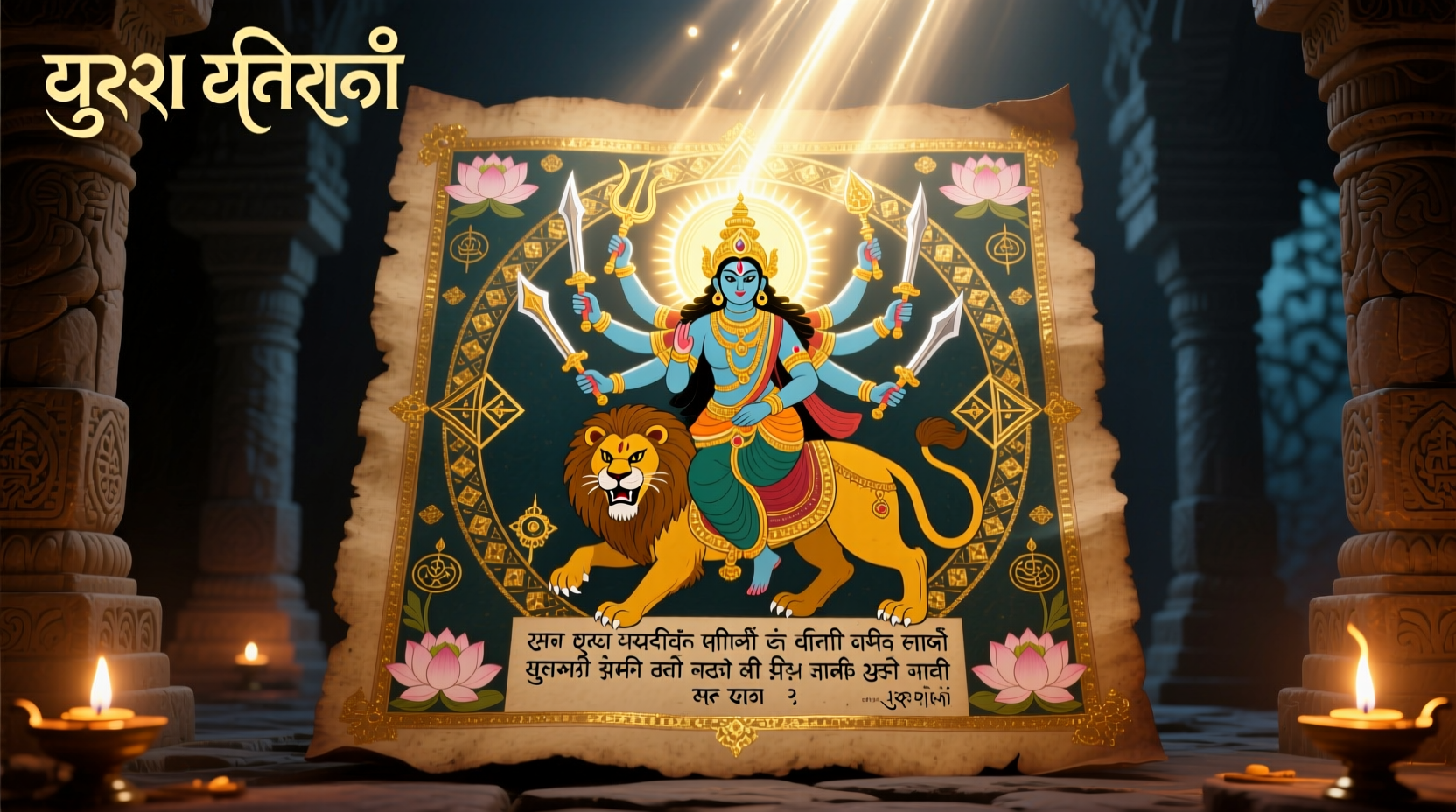
The idea that sacred texts carry inherent dangers if misused is not unique to the Durga Saptashati. Similar concerns arise around the Gayatri Mantra, Rudram, and other Vedic chants. In traditional Indian society, such knowledge was once transmitted orally under the supervision of a guru. The emphasis on initiation (diksha) created a framework where students approached powerful mantras with discipline and reverence.
Over time, this caution evolved into fear. Some elders warn that reciting the Saptashati without purification, proper pronunciation, or ritual preparation may anger the goddess. Others claim that unseen forces react negatively to incorrect chanting. However, classical commentaries on the Devi Mahatmyam do not mention curses. Instead, they emphasize faith, devotion, and regular practice as keys to benefit.
“Mantras are not weapons that backfire; they are vibrations of divine consciousness. When chanted with sincerity, they elevate the mind.” — Dr. Vidya Lakshmi, Sanskrit Scholar and Tantric Studies Researcher
Understanding the True Purpose of Durga Saptashati
The Durga Saptashati is not a magical spellbook but a philosophical and devotional masterpiece. Its three main sections (caritra, stuti, and kavaca) blend narrative, hymn, and protective incantation. The text describes cosmic battles not merely as physical conflicts but as metaphors for inner transformation—where ignorance, ego, and desire are the real enemies.
Regular recitation is believed to:
- Cultivate courage and clarity
- Remove obstacles in life
- Strengthen mental resilience
- Deepen connection with the divine feminine
The text concludes with the Phalashruti, a section detailing its benefits: protection from disease, victory over adversaries, peace of mind, and ultimately, liberation (moksha). Nowhere does it state that failure to follow procedures results in punishment or supernatural retribution.
Debunking Common Misconceptions
| Misconception | Reality |
|---|---|
| Reading at night invites negative energy. | No scriptural restriction exists. Many devotees chant it during Navaratri evenings. |
| You must be initiated by a guru to read it. | While initiation enhances depth, self-study with humility is widely accepted. |
| Pronunciation errors cause harm. | Intent matters more than perfection. Even silent reading with devotion yields benefit. |
| Women during menstruation should avoid it. | This is a social taboo, not a scriptural rule. Many modern practitioners reject this restriction. |
A Respectful Approach: How to Engage with the Text Safely
Fear should never be a barrier to spiritual growth. However, respect and mindfulness enhance any sacred practice. The following steps help ensure a positive experience when engaging with the Durga Saptashati.
Step-by-Step Guide to Beginning Your Practice
- Set an intention: Clarify why you’re reading—whether for strength, healing, or devotion.
- Choose a clean, quiet space: A dedicated corner with a simple image or idol of Durga helps focus the mind.
- Begin with purification: Wash hands and face, sit comfortably, and take a few deep breaths.
- Start small: Begin with Chapter 1 (the defeat of Madhu-Kaitabha) or the popular Navakshari Mantra: “Om Aim Hrim Klim Chamundaye Viche”.
- Recite regularly: Even 10–15 minutes daily builds momentum and familiarity.
- Close with gratitude: Offer a short prayer of thanks, regardless of immediate results.
Real-Life Example: A Modern Practitioner’s Journey
Rina, a software engineer from Bangalore, began reading the Durga Saptashati after a period of intense stress and anxiety. She had heard whispers about the \"curse\" but decided to research before dismissing it entirely. After consulting a local priest and reading scholarly interpretations, she started with just the first chapter every morning.
“I didn’t light lamps or wear special clothes,” she says. “I just sat quietly before work and read slowly. Within three weeks, I noticed I was calmer, more decisive. The fear I’d carried for years began to lift.”
Today, Rina completes the full text during Navaratri and shares recordings with her family. “The only ‘curse’ was the one I imagined,” she reflects. “The real power came from consistency and faith.”
Essential Do’s and Don’ts
| Do’s | Don’ts |
|---|---|
| Read with sincerity and attention | Don’t rush through verses mechanically |
| Use translations if Sanskrit is difficult | Don’t assume lack of fluency makes it dangerous |
| Chant aloud or silently—both are valid | Don’t believe only experts can benefit |
| Seek guidance if desired, but don’t wait indefinitely | Don’t let fear prevent starting altogether |
FAQ: Addressing Common Concerns
Can anyone read the Durga Saptashati?
Yes. There are no birth-based, gender-based, or caste-based restrictions in the text itself. Anyone who approaches it with reverence can benefit.
What if I make a mistake in chanting?
Mistakes are part of learning. The goddess is described as compassionate (karuna-sagara). What matters is the attitude behind the effort, not linguistic perfection.
Is there a best time to read it?
Morning and evening are traditionally preferred, especially during sunrise or sunset. However, the most important factor is consistency. Choose a time you can sustain.
Final Thoughts: Reverence Over Fear
The notion that the Durga Saptashati is \"cursed\" reflects a distortion of its true purpose. This scripture is a beacon of empowerment, designed to awaken inner strength and dissolve fear—not create it. The battles it describes are not external but internal: the struggle against doubt, attachment, and inertia.
Like any profound spiritual tool, the Saptashati works best when approached with humility, patience, and regular practice. You don’t need special permission to begin. You only need the willingness to show up, open the text, and let the words speak to your heart.
“The greatest protection offered by the Devi Mahatmyam is not from outside threats, but from the paralysis of self-doubt.” — Swami Ananda Tirtha, Author of *The Wisdom of the Goddess*
Your Next Step
If you’ve been hesitant to explore the Durga Saptashati because of myths about curses, consider this your invitation to begin—with care, curiosity, and courage. Start with a single verse. Read it slowly. Let it resonate. Over time, you may find not danger, but deliverance.




 浙公网安备
33010002000092号
浙公网安备
33010002000092号 浙B2-20120091-4
Comments
No comments yet. Why don't you start the discussion?