
Essential oil diffusers have become a popular way to freshen homes, support relaxation, and promote wellness. Their subtle fragrance and therapeutic benefits make them a staple in many households. However, when you share your home with vulnerable members—such as infants or pets—the question of safety becomes critical. Unlike adults, babies and animals have more sensitive respiratory systems and limited ability to process certain compounds. This raises an important concern: can the very device meant to enhance well-being inadvertently cause harm?
The answer isn’t a simple yes or no. While many essential oils are natural, “natural” does not automatically mean “safe.” The concentrated chemical components in essential oils can be toxic when inhaled or absorbed by those with underdeveloped or highly sensitive systems. Understanding which oils are risky, how diffusion affects air quality, and what precautions to take is essential for responsible use.
How Essential Oil Diffusers Work and What They Release
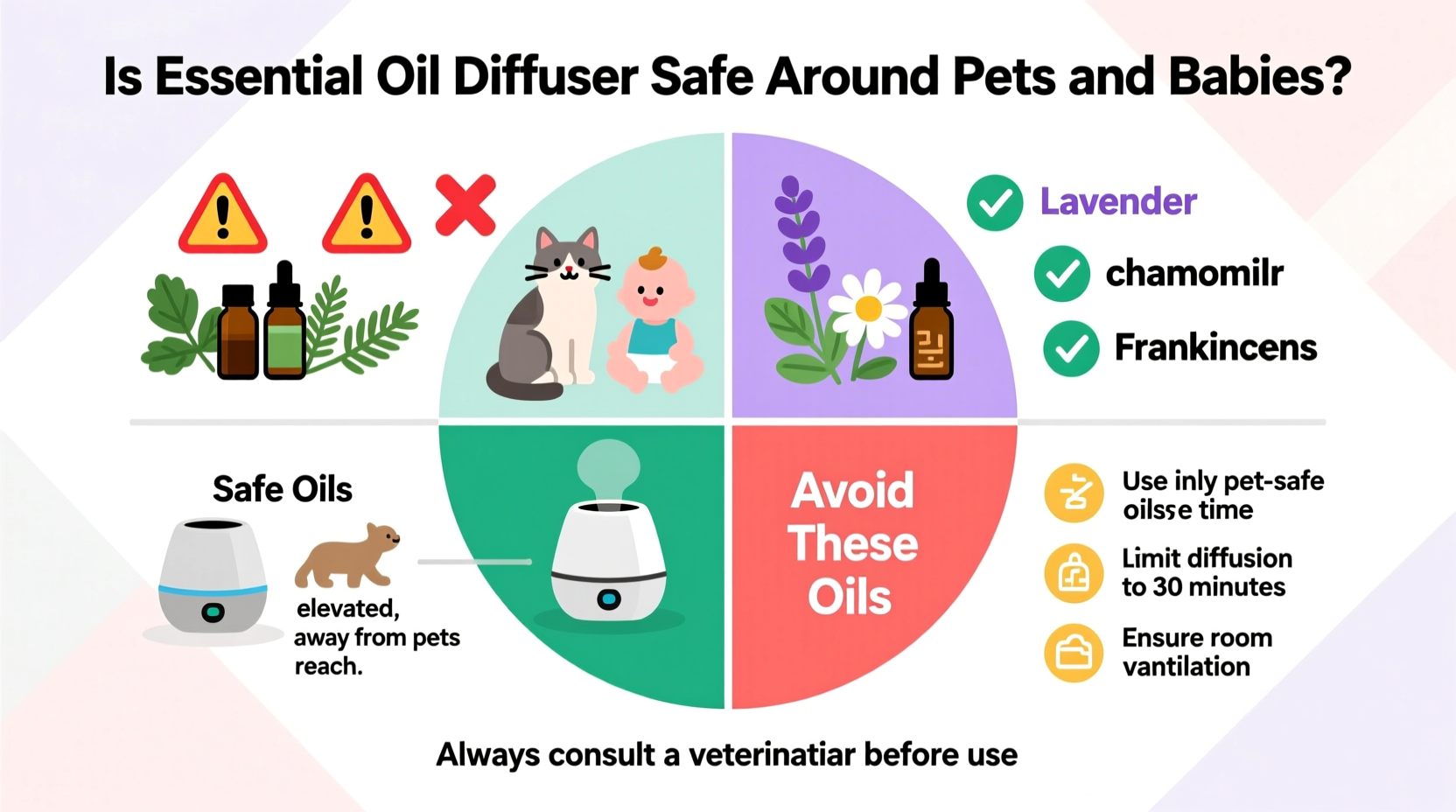
Diffusers disperse essential oils into the air using various methods—ultrasonic vibrations, heat, or nebulization. Ultrasonic diffusers are the most common; they mix water with a few drops of essential oil and use high-frequency vibrations to create a fine mist. This mist carries microscopic oil particles into the air, where they can be inhaled or settle on surfaces.
While this process may seem harmless, the airborne particles contain volatile organic compounds (VOCs) found in essential oils. These compounds can trigger respiratory irritation, especially in enclosed spaces with poor ventilation. For babies, whose lungs are still developing, and pets like cats and birds with extremely efficient but delicate respiratory systems, even low concentrations can pose risks.
A 2020 study published in *Environmental Science & Technology* noted that continuous use of diffusers can significantly increase indoor VOC levels, sometimes exceeding safety thresholds established by environmental agencies. This underscores the importance of moderation and awareness when operating diffusers around sensitive individuals.
Risks to Babies: Why Caution Is Necessary
Infants under one year old have immature immune and respiratory systems. Their breathing rate is faster than adults', meaning they inhale more air per pound of body weight. This increases their exposure to any airborne substances, including essential oil vapors.
Oils like eucalyptus, camphor, and peppermint contain compounds such as 1,8-cineole and menthol, which can cause respiratory distress in babies. In some cases, exposure has led to coughing, wheezing, or even temporary apnea—a pause in breathing. The American Association of Poison Control Centers reports hundreds of annual calls related to children under six exposed to essential oils, many involving inhalation from diffusers.
“Essential oils should never be used in the vicinity of infants, especially those under three months. Their bodies cannot metabolize these potent plant chemicals efficiently.” — Dr. Laura Johnson, Pediatric Pulmonologist
Dangers to Pets: Species-Specific Sensitivities
Pets vary widely in their sensitivity to essential oils. Cats, birds, and small mammals like rabbits or guinea pigs are particularly vulnerable due to their unique physiology.
Cats lack certain liver enzymes (glucuronosyltransferases) needed to break down phenolic compounds found in oils like tea tree, citrus, and cinnamon. Inhalation or even indirect exposure—such as petting a cat after using a diffuser—can lead to toxicity. Symptoms include drooling, tremors, difficulty walking, and lethargy.
Birds have highly efficient respiratory systems designed for oxygen uptake during flight. Unfortunately, this makes them extremely susceptible to airborne irritants. Even brief exposure to diffused oils can result in respiratory distress or fatal lung damage. Avian veterinarians routinely advise against using any kind of aerosolized scent near birds.
Dogs, while generally more tolerant, can still experience adverse effects. Breeds with short snouts (brachycephalic dogs like pugs or bulldogs) already struggle with airflow and may react poorly to scented mists. Additionally, essential oils can settle on fur and be ingested during grooming, leading to gastrointestinal upset or neurological symptoms.
Essential Oils: Safety by Pet Type
| Pet Type | High-Risk Oils | Safer Alternatives (with caution) | Notes |
|---|---|---|---|
| Cats | Tea tree, citrus, pine, eucalyptus, peppermint | Lavender (highly diluted, infrequent) | Avoid all oil diffusion; risk of liver toxicity |
| Birds | All essential oils | None recommended | Extremely sensitive; avoid all diffusion |
| Dogs | Pennyroyal, wintergreen, clove, ylang-ylang | Lavender, chamomile (low concentration) | Monitor for coughing or agitation |
| Small Mammals | Pine, cedar, citrus, eucalyptus | None advised | Respiratory stress likely even at low levels |
Safe Practices for Using Diffusers Around Vulnerable Housemates
You don’t necessarily need to give up your diffuser entirely. With thoughtful habits, you can enjoy aromatherapy while minimizing risk. The key is control: limit duration, concentration, location, and access.
Step-by-Step Guide to Safer Diffusion
- Choose the right room: Use the diffuser in a space far from nurseries, pet enclosures, or areas where babies and pets spend time.
- Limit session length: Run the diffuser for no more than 15–30 minutes at a time, followed by several hours of break.
- Use intermittent settings: If your diffuser has intervals (e.g., 30 seconds on, 30 seconds off), use them to reduce continuous exposure.
- Select safer oils: Stick to mild, low-toxicity oils like lavender or chamomile, and only in minimal amounts (1–2 drops).
- Ventilate the space: Open windows or use fans to disperse vapors quickly after diffusion.
- Observe reactions: Watch for signs of discomfort in babies (coughing, fussiness) or pets (pawing at face, sneezing, hiding).
- Clean regularly: Residual oil buildup can release vapors over time; clean the diffuser weekly with water and vinegar.
Real-Life Scenario: A Cautionary Example
In suburban Ohio, Sarah introduced a new eucalyptus diffuser into her home to help with seasonal allergies. She placed it in the living room, assuming the open layout would prevent concentration. Her 8-month-old daughter napped in a nearby bedroom with the door ajar, and her Siamese cat, Luna, roamed freely.
Within 45 minutes, the baby began coughing and developed mild wheezing. Sarah noticed Luna was unusually lethargic and had begun drooling. Alarmed, she turned off the diffuser and called her pediatrician and vet. Both professionals identified the symptoms as likely linked to essential oil exposure. The baby recovered after fresh air and monitoring; Luna required a veterinary visit for supportive care.
This incident highlights how quickly things can go wrong—even with good intentions. Diffused oils travel silently and invisibly, affecting those who cannot communicate discomfort until symptoms escalate.
Expert Recommendations and Regulatory Guidance
Major health and veterinary organizations urge caution. The ASPCA Animal Poison Control Center lists numerous essential oils as toxic to pets, with tea tree oil being one of the most commonly reported causes of poisoning. Similarly, the FDA does not regulate essential oils for household use, leaving safety largely in the hands of consumers.
“The assumption that 'if it’s natural, it’s safe' is dangerously misleading. Essential oils are pharmacologically active compounds. Treat them like medicine—not just pleasant scents.” — Dr. Alan Reed, Veterinary Toxicologist
The Environmental Protection Agency (EPA) recommends avoiding the use of any aerosolized products around infants and individuals with asthma or respiratory conditions. Given that many essential oils act as irritants, this advice extends logically to diffuser use.
Checklist: Safe Diffuser Use Around Babies and Pets
- ✅ Avoid diffusing in rooms where babies sleep or play
- ✅ Never use near birds or small rodents
- ✅ Keep diffusers out of reach of curious pets
- ✅ Choose mild oils like lavender or chamomile—if using at all
- ✅ Limit diffusion to 15–30 minutes with long breaks
- ✅ Ensure strong ventilation during and after use
- ✅ Watch for signs of distress: coughing, sneezing, lethargy, drooling
- ✅ Consult your pediatrician or veterinarian before introducing oils
Frequently Asked Questions
Can I use a diffuser if my baby is in another room?
It depends on airflow. If rooms are connected by open doors or shared HVAC systems, vapors can spread. It’s safest to avoid diffusion when a baby is in the home unless you can ensure complete isolation and ventilation. Waiting until the baby is outside or asleep elsewhere—and airing out the space thoroughly—is a better approach.
Are there any essential oils that are completely safe for pets?
No essential oil is universally safe for all pets. Even oils marketed as “pet-friendly” can cause issues depending on species, concentration, and exposure method. Cats and birds should never be exposed to diffused oils. For dogs, extreme caution and veterinary consultation are necessary before use.
What are safer alternatives to essential oil diffusers?
For fragrance, consider simmering natural ingredients like orange peels and cinnamon sticks on the stove (supervised). For wellness, prioritize clean air via HEPA filters, humidity control, and regular ventilation. For calming effects, soft music or white noise is a safer option for nurseries.
Final Thoughts: Prioritizing Safety Over Scent
The appeal of essential oil diffusers is understandable—they offer a sensory upgrade and a sense of holistic care. But when babies and pets are part of the household, safety must come first. Their physiological vulnerabilities mean that what feels relaxing to us could be harmful to them.
Instead of asking, “Is this diffuser safe?” reframe the question: “Is this risk necessary?” Often, the answer is no. Simple lifestyle adjustments, improved air quality, and non-invasive calming techniques can replace the need for diffused oils without sacrificing comfort.
If you choose to use a diffuser, do so with full awareness, strict limits, and constant vigilance. Read labels, research oils, and err on the side of caution. When in doubt, turn it off.




 浙公网安备
33010002000092号
浙公网安备
33010002000092号 浙B2-20120091-4
Comments
No comments yet. Why don't you start the discussion?