
Essential oils have surged in popularity for their calming, energizing, and purifying benefits. From lavender to eucalyptus, many households use diffusers to enhance mood, support sleep, or freshen the air. But if you share your home with pets—especially cats, birds, or small mammals—the use of essential oils demands caution. Unlike humans, animals process chemicals differently, and some essential oils can be toxic when inhaled or absorbed through the skin. Understanding which scents are safe, which to avoid, and how to diffuse responsibly is crucial for protecting your furry, feathered, or scaled companions.
The Science Behind Essential Oil Risks for Pets
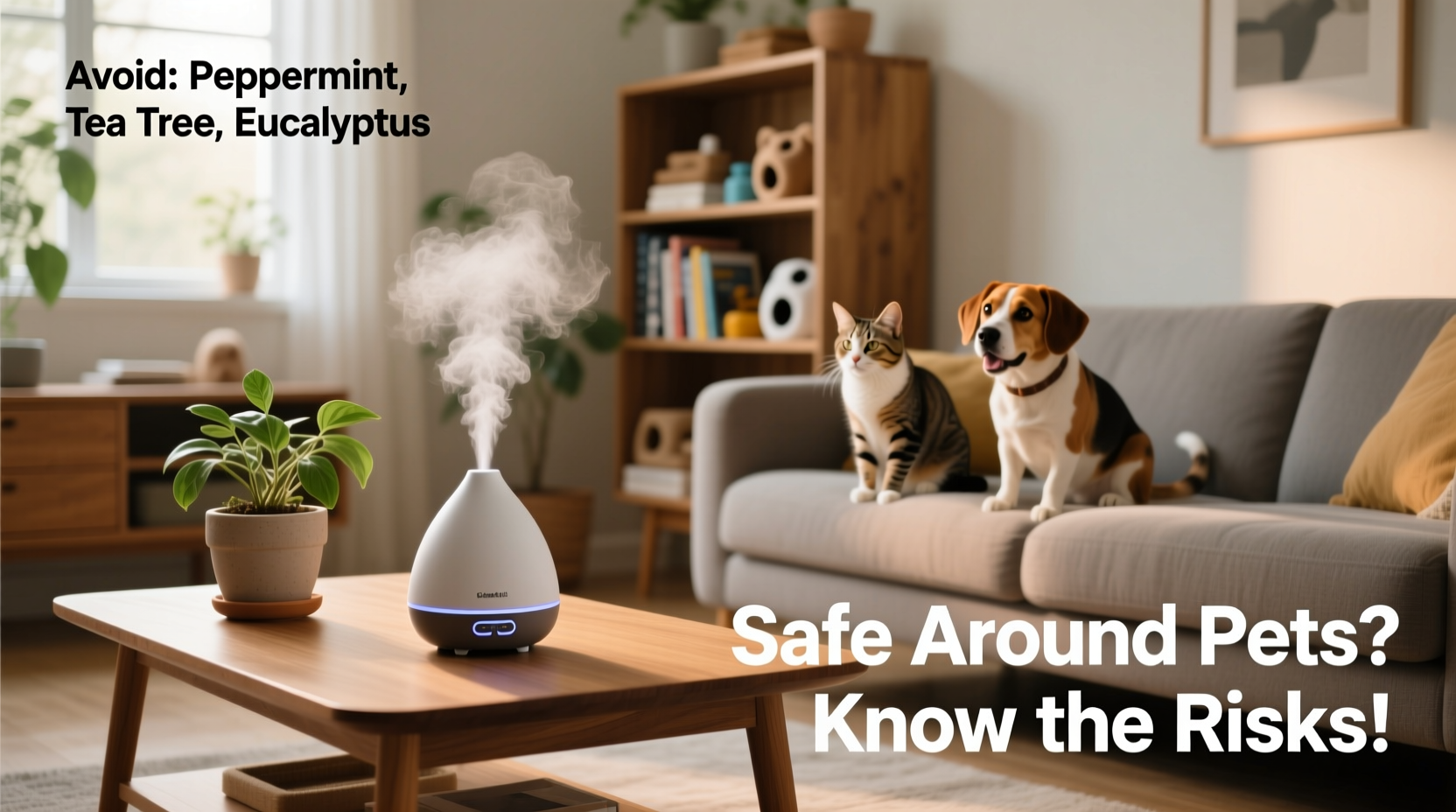
Essential oils are highly concentrated plant extracts. While natural, they contain volatile organic compounds (VOCs) that can become airborne during diffusion. These microscopic particles linger in the air and settle on surfaces, including pet fur, skin, and respiratory tracts. Because pets often groom themselves, they may ingest oils transferred to their coats. Birds, in particular, have extremely sensitive respiratory systems, making them vulnerable even to low levels of vaporized oils.
Cats lack certain liver enzymes—specifically glucuronyl transferase—that help break down phenols and terpenes found in many essential oils. This metabolic limitation means substances like tea tree, peppermint, and citrus oils can accumulate in their system, leading to toxicity. Dogs, while generally more resilient, can still suffer adverse effects from prolonged or concentrated exposure. Small mammals like rabbits, guinea pigs, and hamsters also possess delicate respiratory pathways, increasing their risk.
“Many essential oils considered safe for humans can cause severe reactions in pets due to species-specific differences in metabolism and physiology.” — Dr. Sarah Wooten, DVM, Veterinary Consultant
Essential Oils That Are Dangerous for Pets
Not all essential oils pose the same level of threat. Some are outright toxic, while others may only cause mild irritation under specific conditions. The following list highlights commonly used oils that should be avoided in homes with pets:
- Tea Tree (Melaleuca): Highly toxic to cats and dogs; can cause tremors, weakness, and liver damage even in small amounts.
- Eucalyptus: Contains eucalyptol, which irritates airways and can lead to respiratory distress in birds and small animals.
- Peppermint: Its menthol content can trigger breathing difficulties and gastrointestinal upset.
- Citrus Oils (Lemon, Orange, Grapefruit): Limonene and other compounds are harmful to cats and can cause photosensitivity and liver issues.
- Pine and Wintergreen: Contain phenols and methyl salicylate, which are linked to poisoning symptoms such as vomiting, lethargy, and seizures.
- Cinnamon: Extremely irritating when inhaled; can cause lung inflammation and chemical burns in nasal passages.
- Ylang Ylang: Known to induce vomiting, diarrhea, and heart rate changes in dogs.
Are Any Essential Oils Safe Around Pets?
While caution is paramount, not all essential oils are off-limits. Some are considered lower risk when used properly and sparingly. However, \"safer\" does not mean \"risk-free.\" Even milder oils should be diffused with care, especially around sensitive species.
Lavender oil, for example, contains linalool and linalyl acetate, which in low concentrations may be tolerated by dogs. Some pet-safe sprays use highly diluted lavender for calming effects. Frankincense and chamomile are also sometimes used in diluted forms for anxiety relief in dogs—but always under veterinary guidance.
Bird owners must exercise extreme caution. According to the Association of Avian Veterinarians, any aerosolized substance—including essential oils—can impair avian respiration. Canaries, budgies, and cockatiels are particularly susceptible. If you own birds, it's best to avoid diffusing altogether or do so in a completely separate, well-ventilated area far from their cages.
Table: Essential Oil Safety Guide for Common Household Pets
| Essential Oil | Cats | Dogs | Birds | Small Mammals |
|---|---|---|---|---|
| Lavender (diluted, occasional) | ❌ Avoid | ✅ Low Risk | ❌ Unsafe | ⚠️ Use Caution |
| Tea Tree | ❌ Toxic | ❌ Avoid | ❌ Toxic | ❌ Unsafe |
| Peppermint | ❌ Avoid | ⚠️ Moderate Risk | ❌ Unsafe | ⚠️ Use Caution |
| Frankincense | ⚠️ Minimal Exposure Only | ✅ Low Risk | ❌ Avoid | ⚠️ Limited Use |
| Eucalyptus | ❌ Toxic | ❌ Avoid | ❌ Toxic | ❌ Unsafe |
| Chamomile (Roman) | ⚠️ With Vet Approval | ✅ Low Risk | ❌ Avoid | ✅ Low Risk |
Note: “Low risk” assumes proper dilution, limited diffusion time, and adequate ventilation. Always consult your veterinarian before introducing new scents into a pet-inhabited space.
How to Diffuse Safely Around Pets: A Step-by-Step Guide
If you choose to use an essential oil diffuser in a home with pets, follow these steps to minimize risk:
- Choose the Right Room: Diffuse in a room your pet does not occupy. Close doors and ensure no airflow connects to areas where pets spend time.
- Limit Diffusion Time: Run the diffuser for no more than 15–30 minutes at a time. Long-term exposure increases inhalation risks.
- Use Intermittent Mode: If your diffuser has interval settings (e.g., 30 seconds on, 30 seconds off), use them to reduce continuous output.
- Ensure Proper Ventilation: Open windows or use fans to disperse vapors quickly after diffusion.
- Monitor Your Pet Closely: Watch for signs of distress such as coughing, sneezing, labored breathing, drooling, or lethargy. If observed, stop use immediately and ventilate the area.
- Keep Diffusers Out of Reach: Prevent pets from knocking over devices or drinking from water tanks containing oils.
- Avoid Humidifier-Style Diffusers: These release larger oil droplets and increase the chance of dermal or oral exposure.
Real-Life Example: When Aromatherapy Went Wrong
In 2021, a Colorado family introduced a daily lavender and tea tree oil diffusion routine to help manage stress during remote work. Their two indoor cats began exhibiting unusual behaviors—excessive grooming, hiding, and reduced appetite. After several days, one cat developed muscle tremors and was rushed to an emergency vet. Blood tests revealed elevated liver enzymes consistent with essential oil toxicity. The diagnosis: prolonged inhalation and incidental ingestion of tea tree oil residue from grooming. The family discontinued diffusion, improved ventilation, and both cats recovered after supportive care. This case underscores how seemingly benign practices can endanger pets without immediate warning signs.
Pet-Safe Alternatives to Essential Oil Diffusion
You don’t need essential oils to create a pleasant home environment. Several safer options exist:
- Baking Soda Bowls: Place open containers of baking soda in rooms to absorb odors naturally.
- Ventilation: Regularly open windows to refresh indoor air and reduce pollutant buildup.
- Indoor Plants: Spider plants, Boston ferns, and peace lilies naturally filter air and add freshness—just verify they’re non-toxic to pets.
- Non-Toxic Sprays: Use pet-safe enzymatic cleaners for odor control instead of fragranced products.
- Beeswax Candles: Burn cleanly and release negative ions that help purify air—ensure pets cannot reach them.
Checklist: Pet-Friendly Home Scenting Practices
- ✅ Consult your veterinarian before using any essential oils around pets.
- ✅ Avoid diffusing in multi-pet households unless all species are confirmed tolerant.
- ✅ Choose short, infrequent diffusion sessions in isolated rooms.
- ✅ Watch for early signs of respiratory or neurological distress.
- ✅ Store oils securely in cabinets away from curious paws.
- ✅ Opt for fragrance-free or plant-based alternatives when possible.
- ✅ Keep emergency vet numbers accessible in case of accidental exposure.
Frequently Asked Questions
Can I diffuse essential oils if my pet is in another room?
Only if the rooms are fully sealed with no air exchange. Most homes have interconnected HVAC systems or drafts that circulate vapors. Until the air clears completely (typically 2–4 hours), there’s still a risk. It’s safest to wait until pets can return only after thorough ventilation.
What should I do if my pet inhales essential oils and seems sick?
Immediately remove the pet from the area, open windows, and turn on fans to clear the air. Contact your veterinarian or the ASPCA Animal Poison Control Center (888-426-4435) for guidance. Do not induce vomiting unless instructed.
Are “pet-safe” essential oil blends truly safe?
Marketing terms like “pet-safe” are largely unregulated. Even products labeled as such may contain ingredients risky for certain species. Always read labels carefully and confirm safety with your vet—especially for cats and birds.
Conclusion: Balancing Wellness and Pet Safety
Enjoying essential oils at home doesn't have to come at the expense of your pet’s health—but it requires informed choices and responsible habits. There is no universal standard for pet-safe diffusion, and individual sensitivity varies widely. When in doubt, err on the side of caution. Prioritize non-toxic alternatives, limit exposure, and stay vigilant for subtle signs of discomfort in your animals.
Your commitment to both wellness and animal welfare reflects a deeper respect for the shared spaces you inhabit. By making thoughtful decisions today, you protect the long-term health of your beloved companions while still cultivating a soothing atmosphere in your home.




 浙公网安备
33010002000092号
浙公网安备
33010002000092号 浙B2-20120091-4
Comments
No comments yet. Why don't you start the discussion?