
Essential oils have grown in popularity for their natural fragrance, mood-enhancing properties, and potential health benefits. Many people use diffusers to disperse these aromatic compounds into the air, creating a calming or invigorating atmosphere at home. However, what many don’t realize is that essential oil diffusion can pose serious risks to household pets. Cats, dogs, birds, and small mammals process chemicals differently than humans, making them far more vulnerable to airborne toxins. Understanding these dangers and taking proper precautions is critical for maintaining a safe environment for both you and your animal companions.
How Essential Oils Affect Pets Differently Than Humans
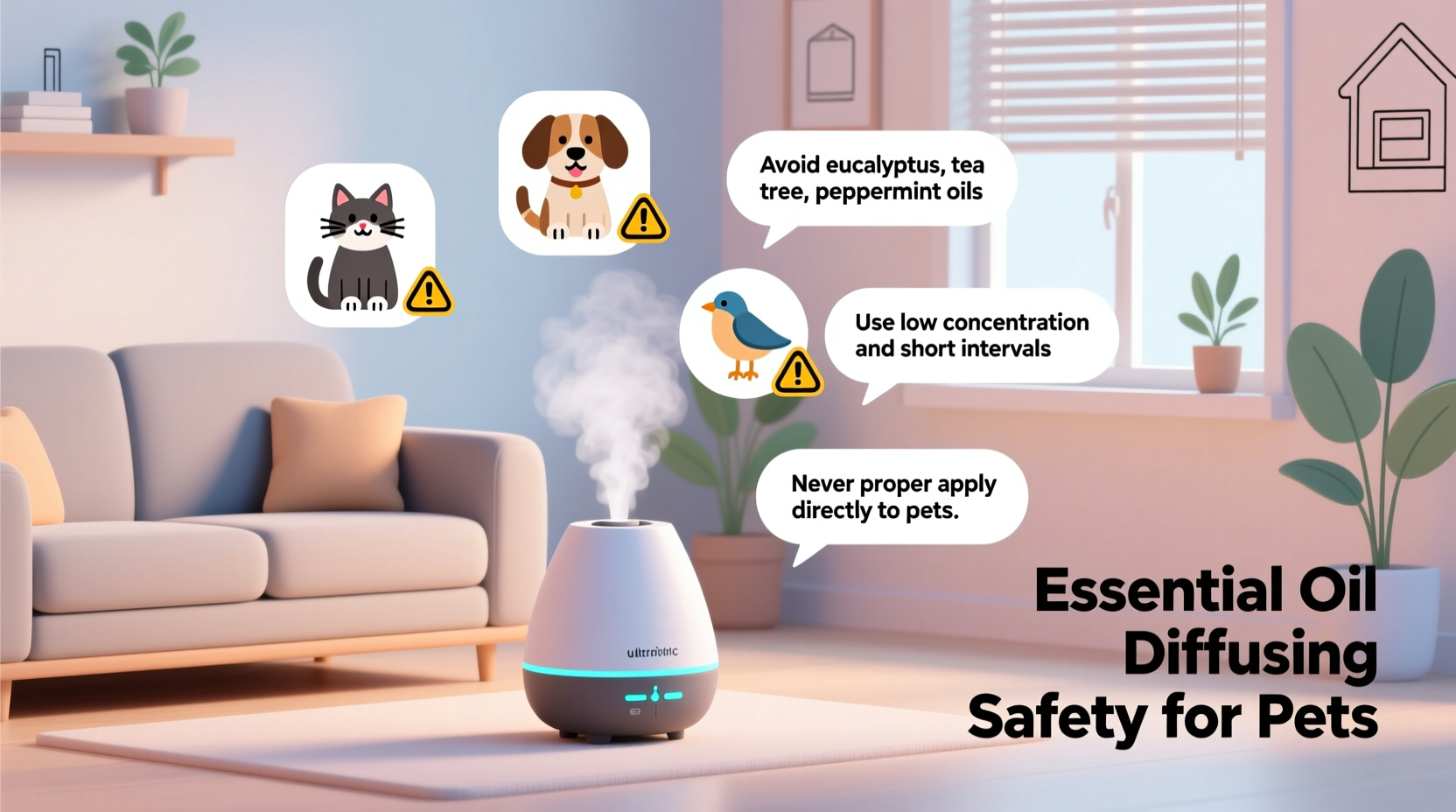
Humans and pets metabolize substances through different biological pathways. One of the most significant differences lies in liver function. For example, cats lack certain enzymes—specifically glucuronyl transferase—that are necessary to break down phenols and other compounds found in many essential oils. This makes even small exposures potentially toxic. Dogs, while more resilient than cats, still have sensitive respiratory systems and can suffer from inhalation-related distress or gastrointestinal issues if they lick oil residues from their fur.
Birds are especially at risk due to their highly efficient respiratory systems. Their air sacs allow for rapid gas exchange, which also means airborne particles like essential oil vapors are absorbed quickly and deeply into their bodies. Even low concentrations can lead to respiratory irritation, labored breathing, or fatal lung damage.
Small mammals such as rabbits, guinea pigs, and hamsters also have delicate respiratory tracts. Their size and fast metabolism mean that exposure to strong scents can overwhelm their systems rapidly, leading to stress, organ damage, or sudden death.
“Many essential oils considered safe for humans are extremely dangerous when inhaled or absorbed by pets, especially cats and birds.” — Dr. Jennifer Freeman, DVM, Pet Health Expert
Essential Oils That Are Toxic to Common Household Pets
Not all essential oils are equally harmful, but several commonly used varieties are known to be toxic to animals. The severity of reaction depends on the species, concentration, method of exposure (inhalation, dermal, ingestion), and duration.
| Toxic Oil | Risks to Cats | Risks to Dogs | Risks to Birds |
|---|---|---|---|
| Tea Tree (Melaleuca) | Liver failure, tremors, weakness | Vomiting, ataxia, lethargy | Respiratory distress, death |
| Eucalyptus | Salivation, seizures | Coughing, drooling | Severe lung damage |
| Peppermint | Liver damage, breathing issues | Gastrointestinal upset | Airway constriction |
| Lavender | Skin irritation, neurological effects | Mild sedation, vomiting | Irritation with prolonged exposure |
| Citrus (Lemon, Orange) | Photosensitivity, liver toxicity | Dermatitis, GI upset | Respiratory inflammation |
| Pine | Kidney damage | Respiratory irritation | Fatal pulmonary edema |
Even oils marketed as “natural” or “safe” should not be assumed harmless. For instance, while diluted lavender may be used under veterinary supervision for anxiety in dogs, its use in a diffuser creates uncontrolled exposure that can accumulate over time.
Recognizing Symptoms of Essential Oil Poisoning in Pets
Early detection can make a life-or-death difference. Pets exposed to toxic essential oils—especially through inhalation or accidental licking—may show signs within minutes to hours. Common symptoms vary by species but often include:
- Drooling or foaming at the mouth
- Vomiting or diarrhea
- Lethargy or weakness
- Tremors or seizures
- Difficulty breathing or wheezing
- Pawing at the face or mouth
- Uncoordinated movement (ataxia)
- Skin redness or irritation (especially where oil contacted fur/skin)
In cats, symptoms may progress rapidly due to their limited detoxification abilities. Birds might exhibit fluffed feathers, open-mouth breathing, or sudden collapse. If any of these signs appear after using a diffuser, turn it off immediately, ventilate the room, and contact your veterinarian or the ASPCA Animal Poison Control Center (888-426-4435).
Precautions for Using Essential Oils Around Pets
If you choose to use essential oil diffusers despite having pets, strict safety measures must be followed. The goal is to minimize exposure while still allowing you to enjoy aromatherapy benefits.
- Diffuse only in pet-free rooms: Use diffusers exclusively in areas your pets cannot access, such as a closed bedroom or office. Ensure doors remain shut during and after diffusion.
- Limited duration: Run the diffuser for no more than 15–30 minutes at a time, followed by several hours of ventilation. Continuous diffusion increases vapor concentration and risk.
- Ensure proper ventilation: Open windows or use fans to disperse vapors quickly. Stagnant air allows oils to linger and concentrate.
- Avoid ultrasonic diffusers near cages or enclosures: These devices release fine mist particles that settle on surfaces—including bird feathers or rodent bedding—leading to indirect ingestion.
- Never apply oils directly to pets: Topical application without veterinary guidance is extremely dangerous and often illegal under animal welfare laws.
- Keep diffusers out of reach: Curious pets may knock over devices, spilling concentrated oil or causing electrical hazards.
- Use only pet-safe oils—if any: Some practitioners cautiously recommend diluted chamomile or frankincense for dogs under controlled conditions, but diffusion remains controversial even with \"safer\" oils.
Checklist: Safe Diffusing Practices Around Pets
- ✅ Confirm all household members know which oils are unsafe for pets
- ✅ Choose a diffuser with automatic shut-off
- ✅ Use only high-quality, pure oils (avoid synthetic fragrances)
- ✅ Monitor pets closely after any diffusion session
- ✅ Have your vet’s number and poison control hotline accessible
- ✅ Store essential oils securely in cabinets away from curious paws
Real-Life Scenario: When Aromatherapy Went Wrong
Sarah, a dog owner from Colorado, began using a lavender and eucalyptus blend in her living room diffuser to help with seasonal allergies. Her two dogs, a golden retriever and a small terrier, spent most days lounging nearby. Within three days, the terrier became increasingly lethargic, refused food, and developed mild tremors. Concerned, Sarah rushed him to the emergency vet. Blood work revealed elevated liver enzymes consistent with toxin exposure. After learning about the diffuser use, the vet diagnosed essential oil toxicity. The terrier required hospitalization for IV fluids and supportive care but eventually recovered. Sarah discontinued all diffusing and now uses only non-aromatic humidifiers.
This case highlights how even “mild” oils like lavender, when combined with stronger ones like eucalyptus and used continuously, can overwhelm a small animal’s system. It also underscores the importance of recognizing subtle behavioral changes as early warning signs.
Alternatives to Essential Oil Diffusion for Pet-Friendly Homes
You don’t need essential oils to create a pleasant-smelling or relaxing home environment. Consider these safer alternatives:
- Beeswax candles: Naturally purify air and emit a soft honey scent without synthetic fragrances.
- Baking soda + activated charcoal air filters: Effective at neutralizing odors without releasing volatile compounds.
- Fresh herbs: Place sprigs of rosemary, mint, or thyme in vases or bowls for natural fragrance.
- Ventilation: Regularly opening windows is one of the most effective ways to refresh indoor air.
- Non-toxic houseplants: Spider plants, Boston ferns, and Areca palms help filter indoor air naturally.
For anxiety relief in pets, consult your veterinarian about proven options such as pheromone diffusers (like Feliway for cats or Adaptil for dogs), which are specifically formulated and tested for animal safety.
Frequently Asked Questions
Can I diffuse essential oils if my pet isn’t in the room?
You can, but only with caution. Residual vapors can linger on furniture, carpets, and pet bedding. If your pet returns to the room before it’s fully aired out, they may still inhale concentrated particles. Always wait at least 2–3 hours after diffusing, ensure excellent ventilation, and avoid using toxic oils altogether.
Are there any essential oils that are completely safe around pets?
There is no universal consensus on any essential oil being 100% safe for all pets when diffused. While some oils like chamomile or frankincense are considered lower risk for dogs in very low concentrations, they still carry potential for respiratory irritation or allergic reactions. Cats and birds should never be exposed to diffused essential oils under normal circumstances.
What should I do if my pet shows signs of oil poisoning?
Immediately stop the diffusion, remove your pet from the area, and provide fresh air. Do not induce vomiting unless instructed by a professional. Contact your veterinarian or the ASPCA Animal Poison Control Center at (888) 426-4435. Have the oil bottle ready to share ingredient information.
Final Thoughts and Call to Action
Your home should be a sanctuary for every member of your family—including your pets. While essential oil diffusers offer undeniable appeal, their risks in pet-inhabited spaces are real and sometimes irreversible. By understanding species-specific vulnerabilities, avoiding known toxins, and adopting safer alternatives, you can maintain a healthy, harmonious living environment.
Take a moment today to review the essential oils in your home. Check labels, secure storage, and assess your current usage habits. Share this knowledge with fellow pet owners who may not realize the hidden dangers lurking in their favorite scents. Small changes can prevent lifelong consequences.




 浙公网安备
33010002000092号
浙公网安备
33010002000092号 浙B2-20120091-4
Comments
No comments yet. Why don't you start the discussion?