
Gua sha, a traditional Chinese healing technique once used primarily for relieving muscle pain and improving circulation, has surged in popularity as a skincare ritual. Today, rose quartz and jade tools line the vanities of influencers and dermatologists alike, promising sculpted jawlines, reduced puffiness, and glowing skin. But amid the viral TikTok routines and luxury packaging, a critical question emerges: Is gua sha truly effective, or is it merely a placebo-powered beauty fad with little scientific backing?
The answer lies somewhere between ancient wisdom and modern skepticism. While clinical research on facial gua sha remains limited, emerging evidence and centuries of practice suggest it’s more than just marketing hype. To understand its real value, we need to explore how it works, what science says, and how — when done correctly — it may offer tangible benefits.
The Origins and Evolution of Gua Sha
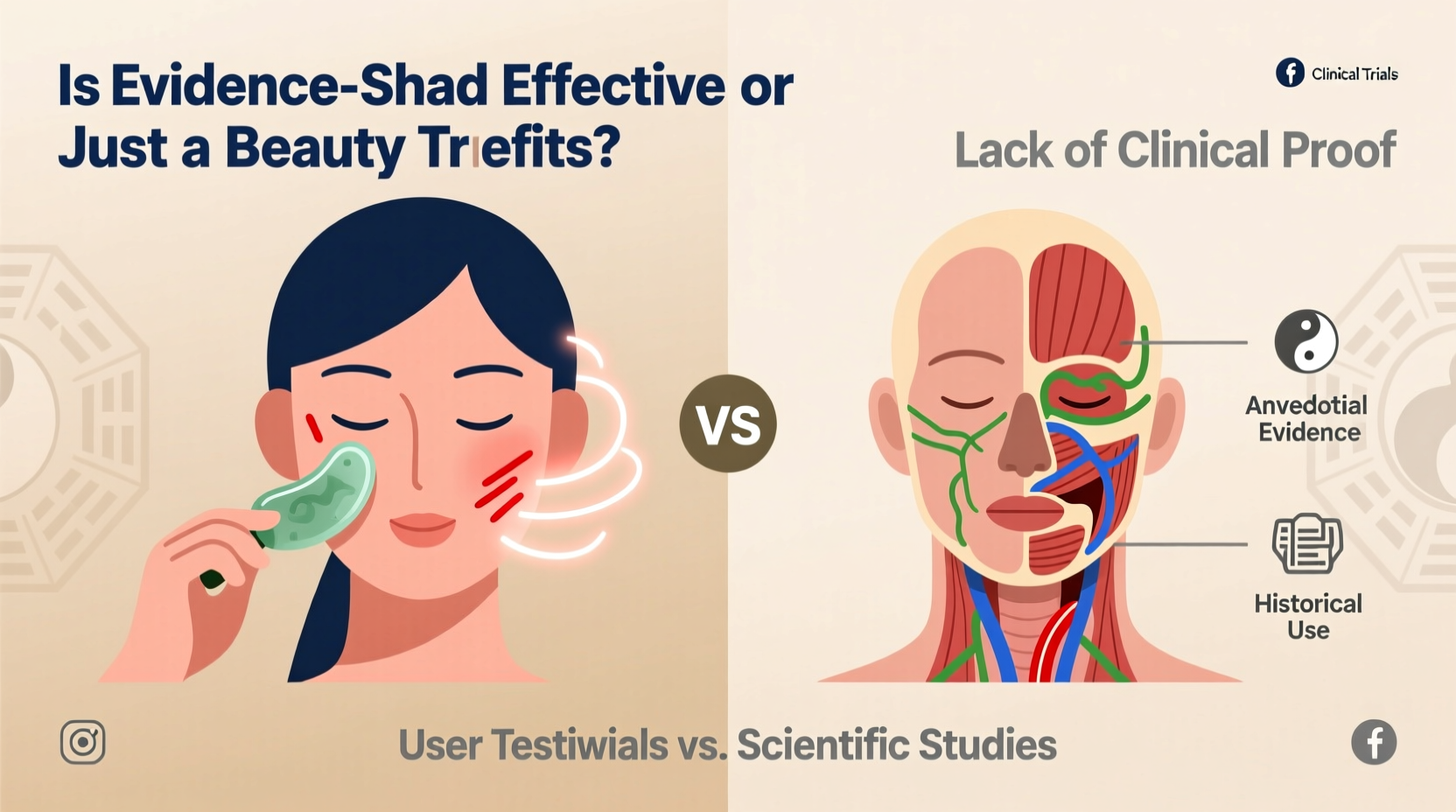
Gua sha (pronounced “gwah-shah”) translates to “scraping sand” in Mandarin, referring to the method of using a smooth-edged tool to stroke the skin in long, deliberate motions. Traditionally, it was applied to the back, neck, and limbs with oil to relieve tension, break up stagnation, and promote blood flow. Practitioners believed that by increasing microcirculation and releasing fascial tightness, gua sha could support overall wellness.
In recent years, this technique has been adapted for facial use. Facial gua sha uses smaller, contoured tools to target muscles and lymphatic pathways in the face. Unlike body gua sha, which often leaves visible redness or petechiae (“sha”), facial application is gentle — designed not to mark the skin but to stimulate without irritation.
The shift from therapeutic modality to beauty routine reflects a broader trend: the blending of holistic practices with aesthetic goals. But does tradition translate into measurable results?
What Science Says About Facial Gua Sha
While large-scale clinical trials on facial gua sha are scarce, several small studies and expert observations provide insight:
- A 2019 pilot study published in *Complementary Therapies in Clinical Practice* found that participants who performed facial massage with a gua sha tool reported reduced facial tension and improved skin elasticity after four weeks.
- Dermatologists acknowledge that manual lymphatic drainage — a key component of gua sha — can reduce under-eye puffiness and morning swelling by encouraging fluid movement away from the face.
- Increased blood flow from consistent stroking may enhance oxygen delivery to skin cells, potentially supporting collagen production and giving skin a temporary \"lit-from-within\" glow.
Dr. Lian Mack, board-certified dermatologist and founder of Glow Dermspa in New York, notes:
“While gua sha isn’t going to replace retinoids or lasers, it can be a valuable adjunct. The mechanical stimulation improves circulation and may help with product absorption when used after serums.” — Dr. Lian Mack, MD, Dermatologist
However, she cautions against overstating claims: “I’ve seen patients expect jawline definition after one session. That’s unrealistic. Any contouring effect is subtle and temporary, largely due to reduced fluid retention.”
Proven Benefits vs. Overhyped Claims
Not all benefits attributed to gua sha are equally supported. Below is a breakdown of what’s likely real versus what lacks strong evidence.
| Claim | Evidence Level | Reality Check |
|---|---|---|
| Reduces facial puffiness | High | Lymphatic drainage is well-documented; effects are most noticeable in the morning. |
| Improves skin radiance | Moderate | Increased blood flow delivers oxygen, creating a short-term glow. |
| Boosts product absorption | Moderate | Gentle massage may enhance penetration of active ingredients. |
| Firms sagging skin long-term | Low | No strong evidence it rebuilds collagen or replaces medical treatments. |
| Permanently reshapes face | None | Bone structure doesn’t change; any contouring is temporary and subtle. |
| Clears acne or reduces wrinkles | Very Low | May worsen inflammation if done aggressively; not a treatment for skin conditions. |
The data suggests gua sha offers mild, short-term aesthetic improvements — particularly in reducing fluid buildup and enhancing circulation — but falls short of the dramatic transformations often implied in social media reels.
A Step-by-Step Guide to Effective Facial Gua Sha
To get the most out of gua sha — and avoid irritation — technique matters more than frequency. Follow this clinically informed routine:
- Cleanse and prep: Start with clean skin. Apply a facial oil or serum to reduce friction. Avoid water-based products, which increase drag.
- Warm the tool: If stored at room temperature, warm it slightly in your hands. Cold tools can constrict blood vessels.
- Neck first: Begin at the base of the neck, gliding upward toward the ears. This opens lymphatic exit points.
- Jawline: Place the curved edge along the jaw. Sweep from chin to earlobe using light to medium pressure. Repeat 3–5 times per side.
- Under eyes: Use the smaller curve under the eye, sweeping from inner corner to temple. Be extra gentle — skin here is thin.
- Cheeks: Starting at the nose, glide outward toward the hairline. Focus on areas prone to puffiness.
- Forehead: Use upward strokes from brows to hairline, then center to temples.
- Finish: Press gently over acupressure points (e.g., temples, brow bone) to relax facial muscles.
Spend 5–7 minutes total. Use daily for best results, ideally in the morning. Always move upward and outward — never downward, which can encourage sagging.
Common Mistakes That Reduce Effectiveness
Many users see little benefit because of incorrect technique. Avoid these pitfalls:
- Using too much pressure: Gua sha is not deep tissue massage. Excessive force can damage capillaries or irritate sensitive skin.
- Skipping lubrication: Dry scraping causes micro-tears. Always use oil or a slick serum.
- Going too fast: Rushing defeats the purpose. Slow, intentional strokes improve lymphatic flow.
- Using on broken or inflamed skin: Active acne, rosacea flare-ups, or cold sores can worsen with manipulation.
- Expecting instant transformation: Benefits build over time. One session might brighten skin temporarily, but consistency yields better results.
“Gua sha is like facial yoga — it strengthens tone over time, but only if practiced mindfully.” — Sarah Kucera, Licensed Acupuncturist and Author of *The Spirit of Herbs*
Real Example: A 30-Day Gua Sha Experiment
Jessica, a 34-year-old graphic designer from Portland, struggled with morning facial puffiness and dullness. Skeptical but curious, she committed to a daily 7-minute gua sha routine for one month.
She began each morning after cleansing, applying a hyaluronic acid serum followed by squalane oil. Using a jade heart-shaped tool, she followed the step-by-step method above. She took weekly photos under consistent lighting.
By week two, she noticed her cheeks appeared less puffy by midday. By week four, her coworkers commented that she looked “more awake.” While her bone structure didn’t change, her skin had a more even tone and felt firmer to the touch.
“It’s not magic,” she said. “But it’s become part of my self-care rhythm. I feel more connected to my face, and honestly, it’s kind of meditative.”
Her experience aligns with what experts observe: the psychological and circulatory benefits are real, even if physical changes are subtle.
Checklist: Getting Started With Facial Gua Sha
Before you begin, ensure you’re set up for success:
- ✅ Choose a high-quality tool made of jade, rose quartz, or stainless steel
- ✅ Select a non-comedogenic facial oil or serum for glide
- ✅ Wash your tool weekly with mild soap and water
- ✅ Dedicate 5–7 minutes daily (morning is ideal)
- ✅ Learn proper stroke directions — follow lymphatic flow
- ❌ Do not use on active breakouts, sunburns, or open wounds
- ❌ Avoid pressing hard enough to cause redness or pain
Frequently Asked Questions
Can gua sha really slim your face?
No, gua sha cannot permanently slim or reshape your face. However, it may create a temporary lifting effect by reducing fluid retention and improving muscle tone. Think of it as a “facial workout” rather than a fat-reduction tool.
How soon will I see results?
Some people notice brighter skin and reduced puffiness after the first use. More consistent improvements — such as smoother texture and enhanced firmness — typically appear after 2–4 weeks of daily practice.
Are certain skin types better suited for gua sha?
Most skin types can benefit, but those with rosacea, eczema, or severe acne should proceed cautiously. Inflammatory conditions can worsen with friction. Consult a dermatologist if unsure.
Conclusion: Beyond the Hype, a Tool Worth Trying
Gua sha is neither a miracle cure nor a complete sham. It sits in the nuanced space between ritual and results. While it won’t replace medical-grade skincare, its ability to improve circulation, reduce puffiness, and enhance mindfulness makes it a legitimate addition to a holistic routine.
The real power of gua sha may lie not in dramatic transformation, but in the daily act of care. Taking a few quiet minutes to connect with your body, to stimulate healing pathways, and to support skin health from the outside in — that’s where its lasting value resides.




 浙公网安备
33010002000092号
浙公网安备
33010002000092号 浙B2-20120091-4
Comments
No comments yet. Why don't you start the discussion?