
As winter sets in, few comforts match the luxury of a warm car seat. For many drivers, built-in heated seats are a premium feature that enhances comfort on cold mornings. But not every vehicle comes equipped with them — and upgrading to a car that does can cost thousands. Enter the heated car seat cushion: an affordable, portable alternative promising similar warmth without the high price tag. But is it really worth it? How does it stack up against factory-installed seat warmers in terms of performance, safety, durability, and overall value?
This article breaks down the key differences between heated seat cushions and built-in heated seats, examines real-world usage scenarios, and helps you determine which option makes the most sense for your lifestyle and budget.
How Built-In Heated Seats Work
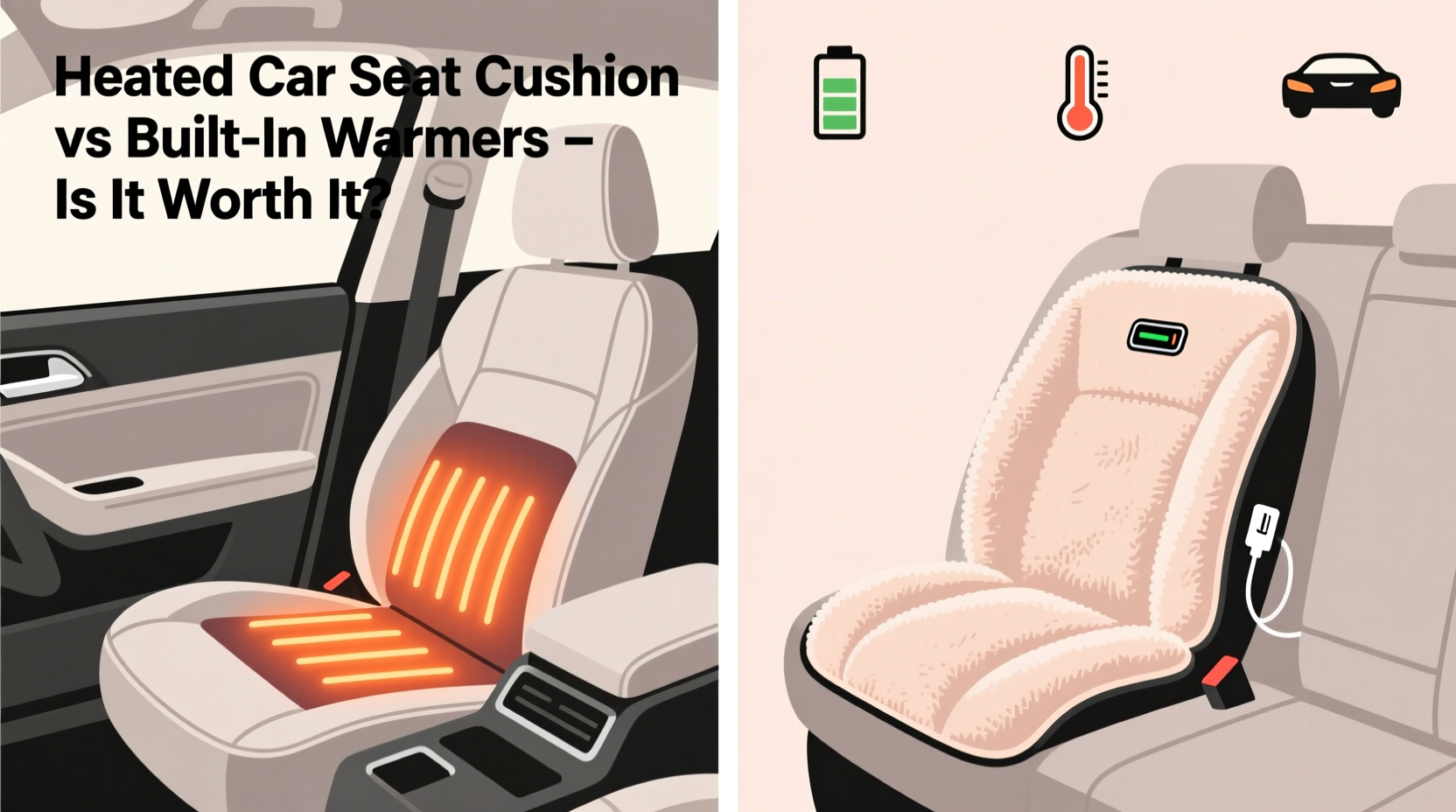
Built-in heated seats are integrated into a vehicle’s design during manufacturing. They typically consist of heating elements woven into the seat fabric or embedded beneath the upholstery. These elements are connected directly to the car’s electrical system and controlled via buttons on the center console or door panel.
Most modern systems offer multiple heat settings (usually low, medium, and high), with automatic shut-off features after 10–15 minutes for safety. The heat is evenly distributed across the lower back and thigh areas, providing consistent, full-seat warmth. Because they're engineered as part of the vehicle, these systems are discreet, reliable, and require no setup beyond turning them on.
“Factory-installed heated seats are designed for seamless integration — both electrically and ergonomically. That level of engineering is hard to replicate with aftermarket solutions.” — Daniel Reeves, Automotive Systems Engineer
How Heated Seat Cushions Work
Heated seat cushions are standalone accessories powered either by a 12V car outlet (cigarette lighter) or rechargeable batteries. They’re designed to sit on top of your existing car seat and provide localized warmth to the lower back and buttocks area. Most models include adjustable temperature settings and auto-shutoff timers.
These cushions often use carbon fiber or wire heating elements embedded in foam or fabric layers. While convenient, their performance depends heavily on fit, power source, and build quality. Some users report uneven heating or bulkiness that affects seating posture.
Performance Comparison: Heat Distribution and Comfort
One of the biggest differences between the two options lies in how heat is delivered. Built-in systems heat the entire seat surface, including the backrest and bottom cushion, ensuring your core stays warm. In contrast, most heated cushions only warm the seating area, leaving your upper back exposed.
Additionally, factory systems are calibrated to maintain consistent temperatures without hot spots. Aftermarket cushions, especially lower-end models, may have inconsistent heating patterns due to cheaper materials or poor element placement.
Comfort is another factor. Built-in heaters don’t alter the seat’s shape or firmness. A cushion, however, adds thickness and can change the driving position slightly — particularly problematic for shorter drivers who rely on precise pedal reach.
| Feature | Built-In Heated Seats | Heated Seat Cushion |
|---|---|---|
| Heat Coverage | Full seat (back + base) | Limited to seating base (some include back support) |
| Heat Consistency | Even, regulated distribution | May have hot/cold zones |
| Installation | None — factory installed | Plug in or charge; place on seat |
| Portability | Fixed to one vehicle | Can be moved between vehicles or used at home |
| Durability | High (designed for 10+ years) | Varies (average lifespan 2–4 years) |
| Aesthetic Integration | Seamless, invisible | Visible, may look bulky |
Cost and Value Analysis
Built-in heated seats are typically offered as part of a higher trim package or optional upgrade. Depending on the make and model, adding factory heating can increase a vehicle’s price by $500 to $1,500 — sometimes more when bundled with other features.
In contrast, high-quality heated seat cushions range from $30 to $100. Even premium models with dual-zone heating, lumbar support, and memory foam rarely exceed $120. This makes them an attractive option for budget-conscious buyers or those who drive older vehicles.
The return on investment differs significantly. With built-in systems, you pay upfront but gain long-term reliability and resale value. Heated cushions offer immediate savings but may need replacement every few years, especially if used daily in harsh conditions.
Safety and Reliability Considerations
Safety is critical when dealing with electrical components near flammable materials like seat foam and fabric. Factory systems undergo rigorous testing for overheating, short circuits, and fire risk. They’re integrated with vehicle diagnostics and often include thermal fuses.
Aftermarket cushions vary widely in safety standards. Reputable brands comply with UL or ETL certifications and include overheat protection, but cheaper models sold online may lack proper safeguards. There have been documented cases of low-quality cushions causing burns or even igniting due to faulty wiring.
Another concern is dependency on the 12V outlet. If the cord gets caught during seat adjustment or the plug loosens while driving, the cushion shuts off unexpectedly. Battery-powered models solve this issue but require regular charging and lose effectiveness in extreme cold.
“Any device drawing power from the cabin electrical system should meet automotive-grade safety standards. Not all third-party products do.” — Sarah Lin, Consumer Product Safety Analyst
Real-World Use Case: Commuter vs. Fleet Driver
Consider Mark, a delivery driver in Minnesota who spends six hours a day in his 2015 sedan. His car lacks heated seats, and replacing it isn’t financially viable. After researching options, he purchased a $75 heated cushion with adjustable straps and dual heating zones. It connects to his USB car charger and has served him reliably through three winters.
While the cushion doesn’t warm his back like a factory system would, it prevents stiffness and improves comfort during early morning routes. He stores it in his gear bag when not in use and appreciates that it works in his wife’s SUV too.
In contrast, Lisa, a sales executive, drives a leased 2023 Lexus with ventilated and heated front/rear seats. She values the seamless experience — pressing a button and feeling warmth within seconds, with no cords or setup required. For her, the feature enhances perceived luxury and justifies the lease cost.
Both users are satisfied — but for very different reasons. Mark prioritizes affordability and flexibility; Lisa values integration and convenience. Their experiences highlight that “worth it” depends on individual needs.
Step-by-Step: Choosing the Right Option for You
Follow this decision framework to determine whether a heated seat cushion or built-in system suits your situation best:
- Evaluate your vehicle ownership timeline. If you plan to keep your car long-term, investing in a cushion makes sense. If you frequently upgrade, built-ins add to the ownership experience.
- Assess daily driving conditions. Frequent cold-weather drivers benefit more from consistent heating. Occasional users may find a cushion sufficient.
- Check your budget. Determine how much you’re willing to spend now versus over time. A $90 cushion replaced every three years costs $300 over a decade — still less than most factory upgrades.
- Test fit and comfort. Try sitting with a cushion in your car. Does it shift? Interfere with seatbelts? Cause discomfort over time?
- Research brand reputation. Stick to well-reviewed brands with safety certifications. Avoid no-name products with suspiciously low prices.
- Consider multi-use potential. Can the cushion be used at home, in the office, or in another vehicle? This increases its utility beyond the car.
FAQ: Common Questions About Heated Seat Options
Can a heated seat cushion damage my car seat?
Prolonged use of low-quality cushions may lead to material degradation, especially if they trap moisture or generate excessive heat. High-end models with breathable fabrics and auto-shutoff features minimize this risk. To be safe, remove the cushion when not in use and clean both it and the seat periodically.
Do heated seat cushions work in leather seats?
Yes, but ensure proper ventilation. Leather can retain heat and moisture, increasing the risk of condensation under the cushion. Choose a model with mesh panels or airflow design to prevent sticking or discoloration.
Are built-in heated seats worth the extra cost when buying a car?
If you live in a cold climate and drive regularly, yes. Beyond comfort, heated seats can improve circulation and reduce muscle fatigue on long trips. They also boost resale value and are often paired with other desirable features like premium audio or navigation.
Final Verdict: Which Is Worth It?
The answer hinges on your priorities. If you value seamless integration, long-term reliability, and full-body warmth, built-in heated seats are superior. They’re part of a holistic driving experience that justifies their inclusion in higher-end trims.
However, if you drive an older car, rent vehicles frequently, or want a temporary solution without major investment, a high-quality heated seat cushion offers remarkable value. Modern models have closed the gap in performance, and portability adds unique versatility.
Ultimately, a heated seat cushion isn’t a perfect substitute — but for many drivers, it’s close enough. It brings meaningful comfort at a fraction of the cost, making winter driving safer and more enjoyable.




 浙公网安备
33010002000092号
浙公网安备
33010002000092号 浙B2-20120091-4
Comments
No comments yet. Why don't you start the discussion?