
For many fitness enthusiasts, the pursuit of peak physical performance goes hand in hand with optimizing nutrition. Intermittent fasting (IF) has surged in popularity as a tool for fat loss, metabolic health, and even longevity. But when paired with high-intensity training—think heavy lifting, CrossFit, or endurance work—questions arise: Can your body sustain energy output? Will muscle mass be preserved? And most importantly, can you recover effectively?
The answer isn’t a simple yes or no. It depends on how IF is structured, individual physiology, training volume, and nutritional choices during eating windows. When implemented strategically, intermittent fasting can coexist with demanding workouts—but it requires planning, awareness, and adaptation.
Understanding the Physiology of Fasting and Exercise
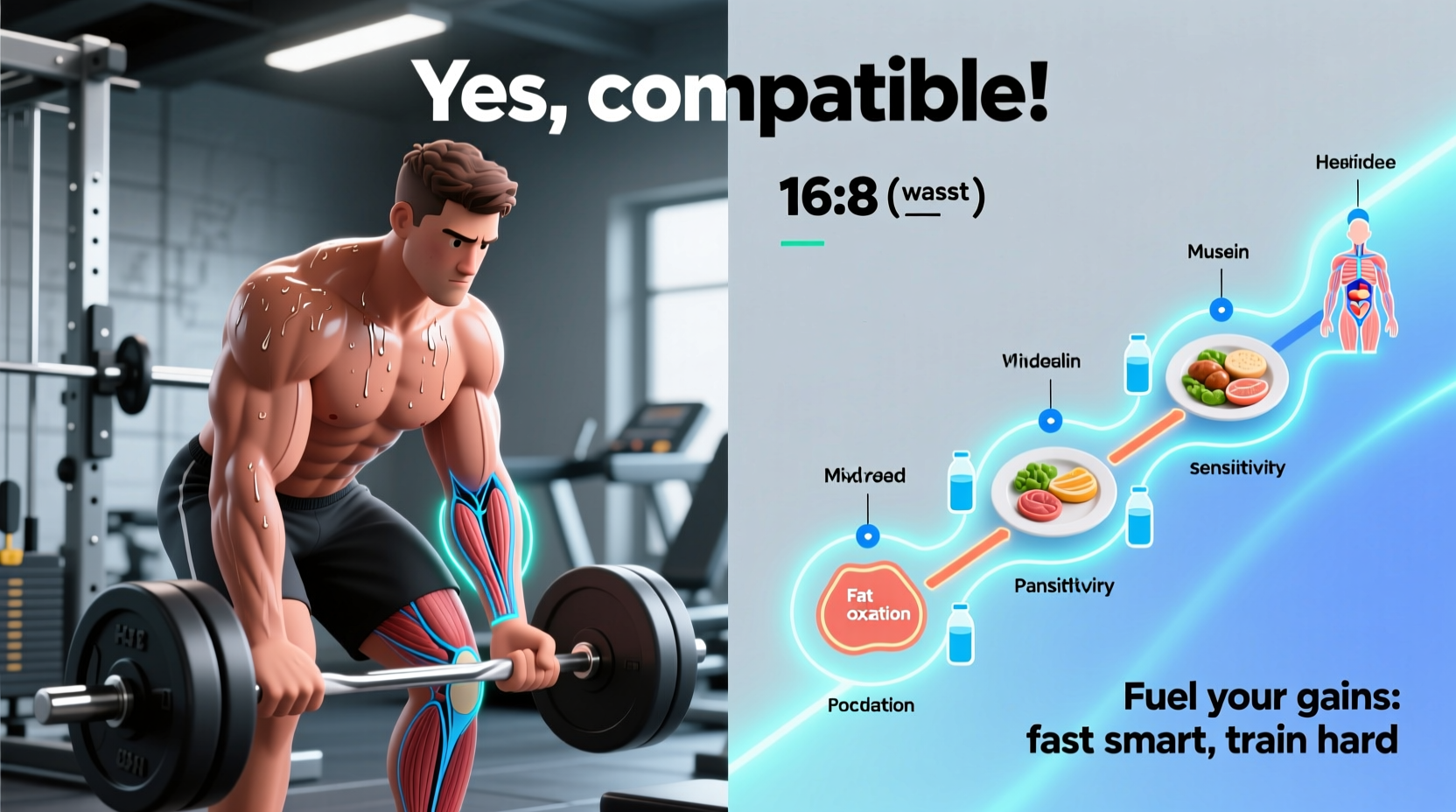
During fasting, insulin levels drop, and the body shifts from using glucose as its primary fuel to tapping into stored glycogen and eventually fat. This metabolic switch typically begins after 10–12 hours without food and deepens over time. For athletes engaging in intense training, this shift presents both opportunities and challenges.
On one hand, enhanced fat oxidation can improve endurance efficiency. On the other, high-intensity efforts rely heavily on glycogen. Without readily available carbohydrates, performance may suffer—especially if workouts fall outside optimal fueling times.
Additionally, protein synthesis—the process essential for muscle repair and growth—is maximized when amino acids are available. Extended fasting periods can delay this process unless protein intake is concentrated and sufficient within feeding windows.
“Fasting doesn’t inherently impair strength, but timing matters. Training in a fasted state may compromise power output if glycogen stores are low.” — Dr. Stacy Sims, exercise physiologist and nutrition researcher
Structuring Intermittent Fasting Around Intense Workouts
Not all intermittent fasting protocols are created equal. Some align better with rigorous training than others. The key lies in synchronizing your eating window with workout demands.
The most common IF methods include:
- 16/8 Method: Fast for 16 hours, eat within an 8-hour window (e.g., 12 PM – 8 PM)
- 18/6 Method: More restrictive; often used during cutting phases
- 20/4 (Warrior Diet): One large meal at night; challenging for recovery
- Alternate-Day Fasting: Not ideal for consistent training due to energy fluctuations
For those following intense gym routines, the 16/8 method tends to be the most sustainable. It allows enough flexibility to consume adequate calories and nutrients while still benefiting from prolonged fasting effects.
Optimal Timing: When to Train and Eat
Training late in the morning or early afternoon—and breaking the fast post-workout—can yield strong results. For example:
- Train at 11 AM (after a 14-hour overnight fast)
- Consume a balanced meal rich in protein and carbs right after
- Continue eating every 2–3 hours within your 8-hour window
This approach leverages the fat-burning benefits of mild fasting while ensuring rapid replenishment of glycogen and initiation of muscle repair.
Avoid scheduling high-intensity sessions late in the evening if your eating window closes soon after. Recovery slows during sleep, so delaying nutrient intake too long post-exercise can hinder adaptation.
Nutritional Priorities for Fasted Athletes
When daily food intake is compressed, each meal must deliver maximum value. Missing key nutrients—even temporarily—can impact strength, immunity, and hormonal balance.
Here’s what matters most:
| Nutrient | Why It Matters | Daily Target (for active individuals) |
|---|---|---|
| Protein | Preserves lean mass, supports recovery | 1.6–2.2g per kg of body weight |
| Carbohydrates | Fuels intense workouts, restores glycogen | 4–7g per kg (higher on training days) |
| Fats | Hormone production, satiety, joint health | 0.8–1.2g per kg |
| Electrolytes (Na, K, Mg) | Prevent cramps, maintain hydration | Maintain through food or supplementation |
Because eating windows are limited, liquid nutrition like smoothies or shakes can help meet calorie and macronutrient goals without excessive fullness. However, whole foods should remain the foundation to ensure fiber, micronutrients, and gut health aren’t compromised.
Hydration and Electrolyte Management
Dehydration is a silent performance killer—especially during fasting. Even mild fluid deficits reduce strength, focus, and thermoregulation.
During fasting hours, water, black coffee, and unsweetened tea are acceptable and encouraged. Adding a pinch of sea salt to morning water can help maintain sodium levels and prevent fatigue or headaches.
Real-World Application: A Case Study
Consider Mark, a 32-year-old strength athlete preparing for a powerlifting meet. He lifts five days a week with sessions lasting 75–90 minutes, focusing on squats, deadlifts, and bench press at 80–90% of his one-rep max.
Initially, Mark tried a 16/8 protocol where he ate from 8 AM to 4 PM. His first workout was at 6 AM, fasted. While he adapted initially, he noticed declining bar speed and motivation by week three. His recovery lagged, and he lost 3 pounds of lean mass over six weeks.
After consulting a sports nutritionist, he adjusted his schedule:
- Shifted eating window to 12 PM – 8 PM
- Trained at 11 AM (fasted but fueled by BCAAs and black coffee)
- Broke his fast with a 600-calorie meal: 40g protein, 70g carbs, 15g fat
- Consumed two more meals before 8 PM, prioritizing lean meats, rice, vegetables, and healthy fats
Within four weeks, Mark regained lost strength, improved body composition, and reported better mental clarity. Bloodwork showed stable testosterone and cortisol levels, indicating good hormonal balance.
His experience underscores a critical point: compatibility between IF and intense training hinges on alignment—not just willpower.
Common Pitfalls and How to Avoid Them
Many people abandon intermittent fasting when starting a rigorous program because they don’t adjust their expectations or execution. Here are frequent missteps and solutions:
- Under-eating during feeding windows
- Trying to “save” calories leads to low energy and poor recovery. Track intake initially to ensure adequacy.
- Ignoring carbohydrate needs
- Low-carb + fasting + heavy training = burnout risk. Adjust carb intake based on training load.
- Training fasted without proper preparation
- If training fasted, use caffeine or BCAAs to reduce muscle breakdown and boost focus.
- Overextending fasting duration
- More fasting isn’t always better. 14–16 hours is often sufficient for metabolic benefits without compromising performance.
Checklist: Optimizing IF for High-Intensity Training
- ✅ Choose a fasting protocol that aligns with your workout schedule
- ✅ Train either just before or shortly after breaking your fast
- ✅ Consume 30–40g of high-quality protein within 60 minutes post-workout
- ✅ Hit daily calorie and macro targets—even in a compressed window
- ✅ Stay hydrated and supplement electrolytes if needed
- ✅ Monitor performance, recovery, and body composition monthly
- ✅ Adjust based on feedback—don’t force a rigid system if it’s failing
Frequently Asked Questions
Can I build muscle while doing intermittent fasting?
Yes, provided you consume enough total protein and calories, train progressively, and allow adequate recovery. Muscle growth depends more on cumulative nutrition and stimulus than meal frequency. Studies show similar gains in muscle mass between those eating multiple meals and those compressing intake into fewer windows—as long as protein is evenly distributed and sufficient.
Should I take BCAAs during my fast?
While BCAAs technically break a fast by triggering insulin, they can be useful for preserving muscle during fasted training. If your goal is autophagy or strict fasting, skip them. If performance and muscle retention are priorities, 5–10g pre-workout may help without significantly disrupting benefits.
Will fasting hurt my testosterone levels?
Short-term fasting (up to 24 hours) does not negatively impact testosterone. In fact, some research suggests brief fasts may enhance hormone sensitivity. However, chronic under-eating, poor recovery, and excessive stress—common in extreme dieting—can suppress testosterone. Focus on balanced nutrition and sleep to protect hormonal health.
Final Recommendations and Action Plan
Intermittent fasting can support intense gym routines—if approached intelligently. It’s not a one-size-fits-all solution, nor should it be adopted at the expense of performance or well-being.
Start by experimenting with a moderate 14–16 hour fast. Schedule your workout toward the end of the fasting period and prioritize a nutrient-dense post-exercise meal. Track your strength, energy, sleep quality, and body composition over four weeks. If progress stalls or fatigue increases, widen your eating window or increase calorie density.
Remember: the goal isn’t to endure discomfort, but to enhance performance and health. Whether you're aiming to cut fat, gain strength, or improve metabolic flexibility, alignment between nutrition and training is far more important than adherence to any single dietary dogma.
“The best diet is the one you can stick to while still performing at your best.” — Alan Aragon, nutrition researcher and coach
Conclusion
Integrating intermittent fasting with intense gym routines is entirely possible—and for many, highly effective. Success comes down to smart timing, disciplined nutrition, and listening to your body. With the right adjustments, you can enjoy the metabolic advantages of fasting without sacrificing strength, power, or recovery.




 浙公网安备
33010002000092号
浙公网安备
33010002000092号 浙B2-20120091-4
Comments
No comments yet. Why don't you start the discussion?