
Intermittent fasting has gained widespread popularity not only as a weight-loss strategy but also as a method to enhance mental clarity and physical vitality. Yet many people report conflicting experiences: some feel more alert and energized, while others describe fatigue, brain fog, and midday crashes. So what’s really happening? Is intermittent fasting a reliable way to sustain energy—or does it disrupt your body’s natural rhythms in ways that lead to exhaustion?
The truth lies somewhere in the middle. Intermittent fasting can significantly improve energy levels—but only when implemented correctly and aligned with individual physiology. When done poorly, it can indeed trigger energy crashes, hormonal imbalances, and metabolic slowdowns. Understanding the mechanisms behind these outcomes is key to making informed decisions about whether this lifestyle approach supports your well-being.
How Intermittent Fasting Affects Energy at the Cellular Level
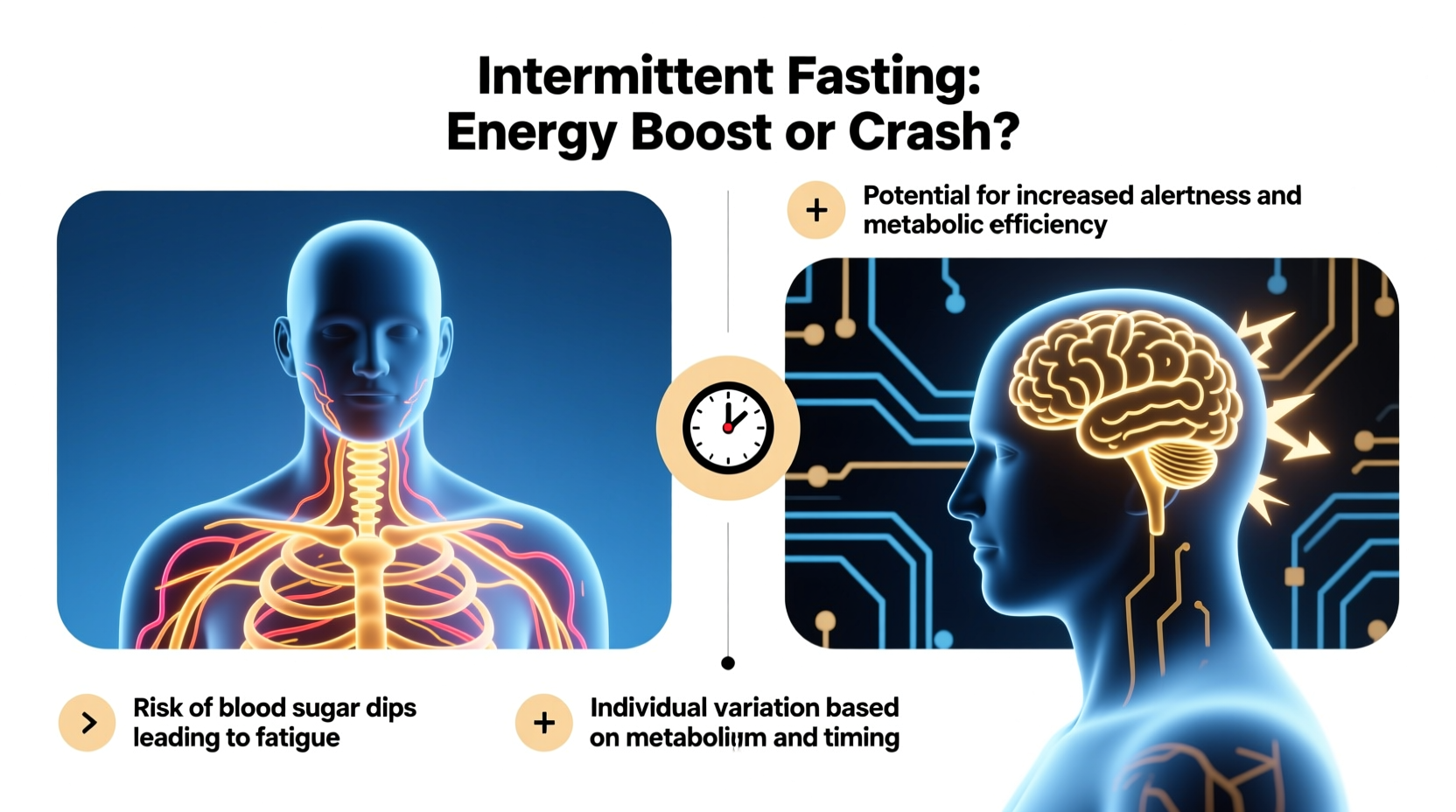
At its core, intermittent fasting works by shifting your body from relying on glucose (from recently eaten food) to burning stored fat for fuel. This transition triggers several metabolic changes:
- Ketone production: After 12–16 hours without food, the liver begins converting fat into ketones, which are an efficient fuel source for the brain and muscles.
- Improved insulin sensitivity: Fasting reduces insulin spikes, allowing cells to respond better to glucose and maintain steady energy.
- Mitochondrial biogenesis: Some studies suggest fasting stimulates the creation of new mitochondria—the powerhouses of cells—potentially enhancing long-term energy output.
Dr. Mark Mattson, former chief of the Laboratory of Neurosciences at the National Institute on Aging, explains:
“Intermittent fasting doesn’t just reduce calorie intake—it challenges the brain and body in beneficial ways, promoting cellular resilience and increased energy efficiency over time.” — Dr. Mark Mattson, Neuroscientist and Fasting Researcher
However, this adaptation period isn't instantaneous. The shift from sugar-burning to fat-burning (a state known as nutritional ketosis) often takes several days to weeks. During this phase, individuals may experience temporary dips in energy, irritability, and cravings—commonly referred to as \"keto flu.\"
The Two Faces of Fasting: Sustained Energy vs. Energy Crashes
Why do some people thrive on intermittent fasting while others feel drained? The difference often comes down to three factors: timing, nutrition quality, and individual metabolic health.
When Fasting Boosts Energy
People who experience sustained energy typically follow these practices:
- Eat nutrient-dense meals during their eating window (rich in healthy fats, protein, fiber).
- Stay well-hydrated with water, herbal teas, or electrolyte drinks.
- Align their eating window with circadian rhythms (e.g., eating earlier in the day).
- Avoid extreme fasting windows (like 20+ hour fasts) without gradual buildup.
Many report improved focus, reduced afternoon slumps, and fewer mood swings once adapted. This is partly due to stabilized blood sugar and reduced inflammation.
When Fasting Causes Energy Crashes
Conversely, energy crashes are common among those who:
- Break fasts with high-carb, low-protein meals that spike and then crash blood sugar.
- Fasting too long without proper electrolyte balance.
- Have underlying issues like adrenal fatigue, hypothyroidism, or chronic stress.
- Are skipping meals inconsistently or using fasting as a form of caloric restriction without planning.
In such cases, cortisol (the stress hormone) may rise excessively during fasting, leading to jitteriness followed by fatigue. Additionally, inadequate calorie or nutrient intake can impair thyroid function and mitochondrial efficiency—both critical for energy production.
Real-World Example: Sarah’s Journey with Intermittent Fasting
Sarah, a 38-year-old marketing manager, decided to try the 16:8 method (16-hour fast, 8-hour eating window) to manage her afternoon energy dip. Initially, she skipped breakfast and ate lunch at noon, followed by dinner at 7 p.m.
Week one was rough—she experienced headaches, irritability, and struggled to concentrate before lunch. But instead of giving up, she adjusted her approach. She started drinking salted bone broth during her fast and made sure her first meal included eggs, avocado, and leafy greens. By week three, her morning clarity improved dramatically. She no longer needed coffee to stay focused and reported feeling “lighter” mentally and physically.
However, after increasing her fast to 19 hours on weekends, she began waking up anxious and exhausted. Her sleep worsened, and her menstrual cycle became irregular. After consulting a functional medicine practitioner, she learned that prolonged fasting was stressing her adrenals. Returning to a gentler 14:10 schedule restored her energy and hormonal balance.
Sarah’s story illustrates a crucial point: intermittent fasting isn’t one-size-fits-all. What works short-term may backfire if pushed too far without monitoring bodily signals.
Optimizing Your Fasting Routine for Steady Energy
To harness the benefits of intermittent fasting without triggering crashes, consider the following evidence-based strategies.
Step-by-Step Guide: Building a Sustainable Fasting Routine
- Start gradually: Begin with a 12-hour fast (e.g., 7 p.m. to 7 a.m.) and slowly extend by 30–60 minutes every few days.
- Choose the right window: Align your eating period with daylight hours. Eating earlier (e.g., 8 a.m.–4 p.m.) supports circadian rhythm and digestion.
- Break your fast mindfully: Prioritize protein and healthy fats (e.g., Greek yogurt with nuts, scrambled eggs with vegetables) over sugary or processed foods.
- Hydrate strategically: Drink water throughout the day. Add a pinch of sea salt or use an electrolyte supplement if fasting beyond 16 hours.
- Monitor your body’s feedback: Track energy, mood, sleep, and digestion. Adjust duration or timing if negative symptoms persist beyond two weeks.
- Take breaks when needed: Listen to your body. Illness, high stress, or intense training may require temporary suspension of fasting.
Do’s and Don’ts of Fasting for Energy Balance
| Do’s | Don’ts |
|---|---|
| Eat balanced meals rich in protein, fiber, and healthy fats | Break fasts with sugary cereals, pastries, or soda |
| Drink water, herbal tea, or black coffee during fasting | Consume caloric beverages like juice or milk during fasts |
| Exercise during or after your eating window for best fueling | Engage in intense workouts while fasted without prior adaptation |
| Adjust fasting based on menstrual cycle, stress, or illness | Ignore signs of fatigue, dizziness, or hormonal disruption |
| Use fasting as part of a broader healthy lifestyle | Treat fasting as a license to undereat or binge during eating windows |
Who Should Be Cautious With Intermittent Fasting?
While many benefit from intermittent fasting, certain groups should proceed with caution or avoid it altogether:
- Pregnant or breastfeeding women: Increased energy and nutrient demands make fasting risky.
- Individuals with a history of eating disorders: Fasting can trigger disordered patterns.
- People with type 1 diabetes or advanced type 2 diabetes: Risk of hypoglycemia requires medical supervision.
- Those with adrenal fatigue or HPA axis dysfunction: Extended fasting may worsen cortisol dysregulation.
- Underweight individuals: May lack sufficient energy reserves to safely fast.
If you have any chronic condition, consult your healthcare provider before starting a fasting regimen.
Frequently Asked Questions
Can intermittent fasting cause fatigue?
Yes, especially during the initial adaptation phase. Temporary fatigue, brain fog, and irritability are common as your body shifts from glucose to fat metabolism. These usually resolve within 1–2 weeks. Persistent fatigue may indicate poor nutrition, dehydration, or an unsuitable fasting schedule.
Will I have more energy once adapted to fasting?
Many people report increased mental clarity, stable mood, and sustained physical energy after adapting to intermittent fasting—typically within 3–4 weeks. This is linked to improved insulin sensitivity, ketone utilization, and reduced oxidative stress.
Is it normal to feel shaky or dizzy while fasting?
Occasional mild shakiness can occur, especially if electrolytes are low. However, persistent dizziness, heart palpitations, or fainting are red flags. They may signal hypoglycemia or dehydration and require immediate attention. Consider shortening your fast or adjusting your diet.
Action Plan Checklist: Optimize Fasting for Energy
- ✅ Start slow:
- Begin with 12-hour fasts and build up gradually.
- ✅ Prioritize nutrients:
- Focus on whole foods—vegetables, quality proteins, healthy fats.
- ✅ Hydrate with electrolytes:
- Add sodium, potassium, and magnesium to prevent fatigue.
- ✅ Time your meals wisely:
- Eat earlier in the day to align with natural circadian rhythms.
- ✅ Monitor your body:
- Track sleep, energy, mood, and digestion weekly.
- ✅ Know when to pause:
- Stop fasting during illness, pregnancy, or high-stress periods.
Conclusion: Finding Your Fasting Sweet Spot
Intermittent fasting isn’t inherently good or bad for energy—it depends on how you practice it. For many, it offers a powerful tool to stabilize blood sugar, enhance mental performance, and reduce energy fluctuations caused by constant snacking and carb-heavy diets. But for others, especially those under stress or with metabolic vulnerabilities, it can deepen fatigue and imbalance.
The key is personalization. There’s no universal “best” fasting window. Success comes from listening to your body, supporting it with high-quality nutrition, and being willing to adjust based on real-world feedback. If you’re experiencing consistent crashes, don’t push through—reassess your approach. Small tweaks can transform fasting from a drain into a daily energy enhancer.




 浙公网安备
33010002000092号
浙公网安备
33010002000092号 浙B2-20120091-4
Comments
No comments yet. Why don't you start the discussion?