
In an era where technology integrates seamlessly into everyday life—from smart thermostats to voice-controlled lighting—it's no surprise that mirrors are getting a digital upgrade. Smart mirrors, once confined to science fiction, now sit in modern bathrooms, gyms, and dressing rooms. These devices combine reflective surfaces with embedded displays, sensors, and connectivity to offer everything from weather updates to fitness tracking. But beneath the sleek design and futuristic appeal lies a pressing question: is investing in a smart mirror truly beneficial for your daily routine, or is it simply a costly gimmick?
The answer isn’t black and white. For some, a smart mirror enhances productivity, health awareness, and convenience. For others, it’s an expensive novelty that gathers dust—both literally and figuratively. To make an informed decision, it’s essential to examine the functionality, cost, integration potential, and real-world usability of these devices.
What Exactly Is a Smart Mirror?
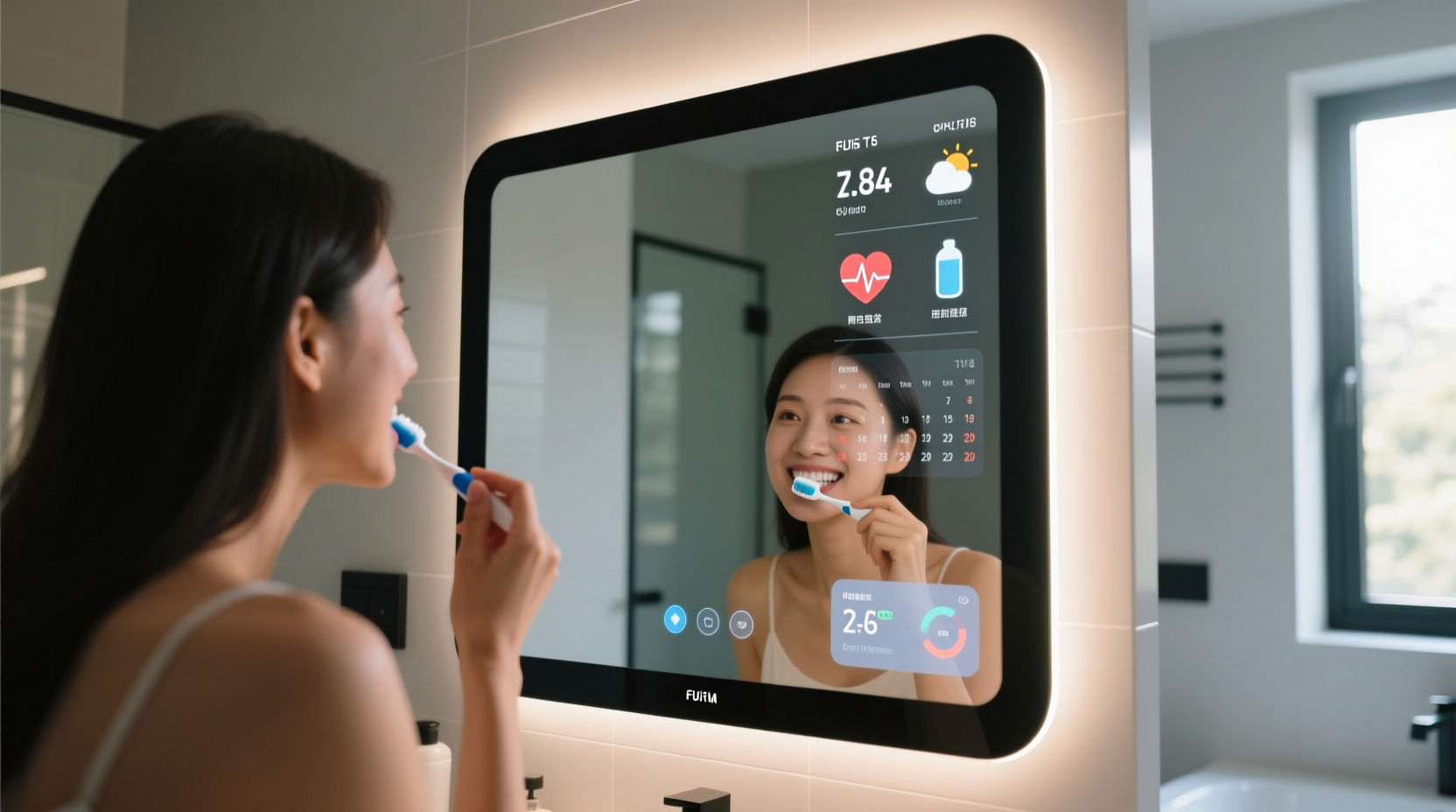
A smart mirror is a two-way glass with a display behind it, typically running on a small computer like a Raspberry Pi or integrated Android system. When powered off, it looks like a regular mirror. When activated, it overlays digital information such as time, weather, calendar events, news headlines, fitness metrics, or even augmented reality (AR) try-ons for clothing or makeup.
Some models come equipped with cameras, microphones, motion sensors, and voice assistants like Alexa or Google Assistant. Others sync with wearable devices to display heart rate, sleep data, or workout summaries as you get ready in the morning. High-end versions, such as those from companies like HiMirror or MemoMi, are used in retail and beauty industries for skin analysis and virtual fitting rooms.
Despite their advanced features, smart mirrors remain niche. Prices range from $300 for DIY kits to over $3,000 for fully integrated commercial units. This steep cost raises the stakes for consumers trying to determine whether the investment pays off in tangible daily value.
Practical Benefits: Where Smart Mirrors Add Real Value
For certain users, smart mirrors deliver measurable improvements in efficiency and wellness. The key lies in how well the device aligns with personal habits and lifestyle goals.
- Morning Routine Optimization: A smart mirror can consolidate information usually checked across multiple devices—phone, tablet, laptop—into one glance while brushing teeth or styling hair. Seeing your schedule, traffic conditions, and weather forecast without reaching for your phone reduces distraction and streamlines preparation.
- Fitness & Wellness Tracking: Models like the Naked Labs 3D body scanner provide weekly body composition updates, helping users track muscle gain, fat loss, and posture changes visually. This feedback loop can motivate consistency in fitness regimens far more effectively than numbers on a scale.
- Skin and Beauty Analysis: Devices like the HiMirror use AI-powered facial recognition to assess skin condition—detecting wrinkles, dark spots, pores, and hydration levels. Over time, they track progress and recommend skincare routines, making them valuable tools for dermatology-conscious users.
- Voice and Gesture Control: With hands-free operation, you can control music, set reminders, or start a timer while washing your face or shaving, minimizing contact with devices in humid environments.
When Smart Mirrors Fall Short: The Gimmick Factor
Despite their promise, many smart mirrors fail to deliver long-term utility. Several factors contribute to their reputation as overpriced novelties:
- Limited App Ecosystem: Unlike smartphones or tablets, smart mirrors run on proprietary software with few third-party apps. Most functions are preloaded and inflexible, limiting customization.
- Privacy Concerns: Built-in cameras and microphones raise valid questions about data security. Who has access to your images or voice recordings? Are they stored locally or in the cloud? Many brands lack transparent privacy policies, deterring cautious users.
- High Cost vs. Low ROI: Spending over $1,000 on a mirror that shows the weather may seem unjustifiable when a $50 smart display does the same—and more. Unless specific features like body scanning or skin analysis are critical, the return on investment is questionable.
- Integration Challenges: Not all smart mirrors work seamlessly with existing ecosystems (Apple Health, Google Fit, Samsung SmartThings). Poor interoperability diminishes their usefulness in a connected home.
- Short Lifespan: As with fast-evolving tech, today’s cutting-edge mirror may be obsolete in two years. Unlike traditional mirrors that last decades, smart versions risk becoming e-waste due to outdated hardware or discontinued support.
“Many smart home gadgets prioritize novelty over necessity. A smart mirror only makes sense if it solves a real problem in your routine—not just adds another screen.” — Dr. Lena Torres, Human-Computer Interaction Researcher at MIT Media Lab
Real-World Example: A Busy Professional’s Experience
Consider Mark, a 38-year-old financial analyst with a packed morning schedule. He installed a mid-tier smart mirror ($750) that syncs with his calendar, Fitbit, and smart home system. Each morning, the mirror greets him with:
- Today’s meetings and deadlines
- Weather-appropriate outfit suggestions based on outdoor temperature
- His resting heart rate and sleep quality from the previous night
- Traffic alerts for his commute
Within three weeks, Mark reduced his morning decision fatigue by 40%, according to a self-tracked journal. He no longer checks his phone until after leaving the house, which he credits for improved mental clarity. However, after six months, he stopped using the AR fitness coach feature because the workouts were repetitive and not personalized enough.
Mark’s experience illustrates a common pattern: initial enthusiasm followed by selective usage. The core informational features remained valuable; the “smart” extras did not. His conclusion? “Worth it—but only for the basics. I wouldn’t pay double for more bells and whistles.”
Smart Mirror Comparison: Features vs. Price
| Model | Price Range | Key Features | Best For | Drawbacks |
|---|---|---|---|---|
| HiMirror Mini | $250–$300 | Skin analysis, makeup tutorials, weight tracking | Beauty enthusiasts, skincare routines | Limited voice control, app requires subscription |
| Naked 3 by Naked Labs | $1,495 | 3D body scans, muscle/fat tracking, progress visuals | Fitness-focused users, weight loss journeys | Large footprint, requires dedicated space |
| Mirror (by Lululemon) | $1,495 + $39/month membership | Live & on-demand workouts, camera feedback, streaming classes | Home gym users, fitness beginners | Ongoing subscription required, limited non-fitness use |
| DreamVue DIY Kit | $350–$500 | Customizable interface, supports Android apps, voice assistant compatible | Tech-savvy users, DIY integrators | Assembly required, technical setup needed |
| SimpleFrame Basic Smart Mirror | $199 | Time, weather, calendar, Wi-Fi enabled | Budget-conscious early adopters | Few advanced features, basic UI |
How to Decide: A Step-by-Step Evaluation Guide
Before purchasing a smart mirror, follow this structured approach to determine if it fits your needs:
- Identify Your Morning Pain Points: Do you struggle with time management, forgetting appointments, or inconsistent fitness tracking? List 2–3 daily challenges the mirror could solve.
- Assess Your Tech Ecosystem: Check compatibility with your current devices (iPhone, Wear OS, Fitbit, Alexa, etc.). Prioritize mirrors that integrate natively.
- Define Your Use Case: Are you focused on fitness, skincare, productivity, or general convenience? Choose a model tailored to that function rather than one with excessive features you won’t use.
- Calculate Total Cost of Ownership: Include not just the upfront price but also subscription fees (e.g., Mirror’s $39/month), electricity, and potential repair costs.
- Test Alternatives: Could a wall-mounted tablet or smart display achieve similar results at lower cost and higher flexibility? Compare before committing.
- Read Long-Term User Reviews: Look beyond initial excitement. Focus on reviews from users who’ve had the device for 6+ months. Are they still using it daily?
FAQ: Common Questions About Smart Mirrors
Can I install a smart mirror myself?
Yes, many DIY kits (like DreamVue or Raspberry Pi-based setups) come with detailed instructions and online community support. However, hardwiring power or mounting heavy units safely may require professional help, especially in bathrooms with moisture exposure.
Do smart mirrors work in low light?
Most do. They use ambient light sensors to adjust screen brightness automatically. Some even double as soft LED lighting for grooming. However, overly bright displays at night can disrupt circadian rhythms—ensure the model has a nighttime dimming mode.
Are there privacy-safe smart mirrors?
Yes, but they’re rare. Opt for models with physical camera covers, local data storage (not cloud-dependent), and clear privacy certifications. Avoid units that require constant internet connectivity unless absolutely necessary.
Final Verdict: Investment or Gimmick?
The truth is, a smart mirror isn’t inherently worth it—or worthless. Its value depends entirely on how you use it. For individuals with highly structured routines, fitness goals, or skincare concerns, a well-chosen smart mirror can become an indispensable tool. It consolidates data, reduces friction in daily decisions, and provides actionable insights that a phone cannot deliver in the same context.
But for the average user seeking convenience, the cost often outweighs the benefit. If you’re drawn to the idea solely because it looks futuristic or was featured in a viral video, pause and reflect. Technology should serve your life, not distract from it.
The most successful adopters treat smart mirrors like specialized instruments—not general-purpose gadgets. They use them for one or two critical functions and ignore the rest. In this focused way, the device transcends gimmick status and becomes functional art: a mirror that informs, motivates, and integrates quietly into the rhythm of daily life.
Take Action: Make Your Decision Count
If you're considering a smart mirror, don’t rush. Start by mapping your morning and evening routines. Identify where friction occurs. Then, research models that address those specific points. Try simulating the experience—use a tablet on your bathroom wall for a week to see if centralized information improves your flow.
Technology evolves quickly, but mindful consumption evolves slower—and wiser. Whether you choose to invest or walk away, do so with intention. Because the best smart device isn’t the one with the most features, but the one that helps you live better, one reflection at a time.




 浙公网安备
33010002000092号
浙公网安备
33010002000092号 浙B2-20120091-4
Comments
No comments yet. Why don't you start the discussion?