
For light sleepers, even the faintest disturbance can disrupt rest and compromise well-being. Living near a busy street amplifies this challenge—constant traffic hum, honking horns, and late-night engine revs can turn what should be peaceful nights into restless battles for sleep. While earplugs and white noise machines offer temporary relief, many homeowners are turning to a more permanent solution: noise cancelling windows. But is the investment truly worth it? This article explores the science, costs, benefits, and alternatives to help you decide if upgrading your windows will deliver the quiet sanctuary you need.
Understanding Noise Pollution and Sleep Disruption
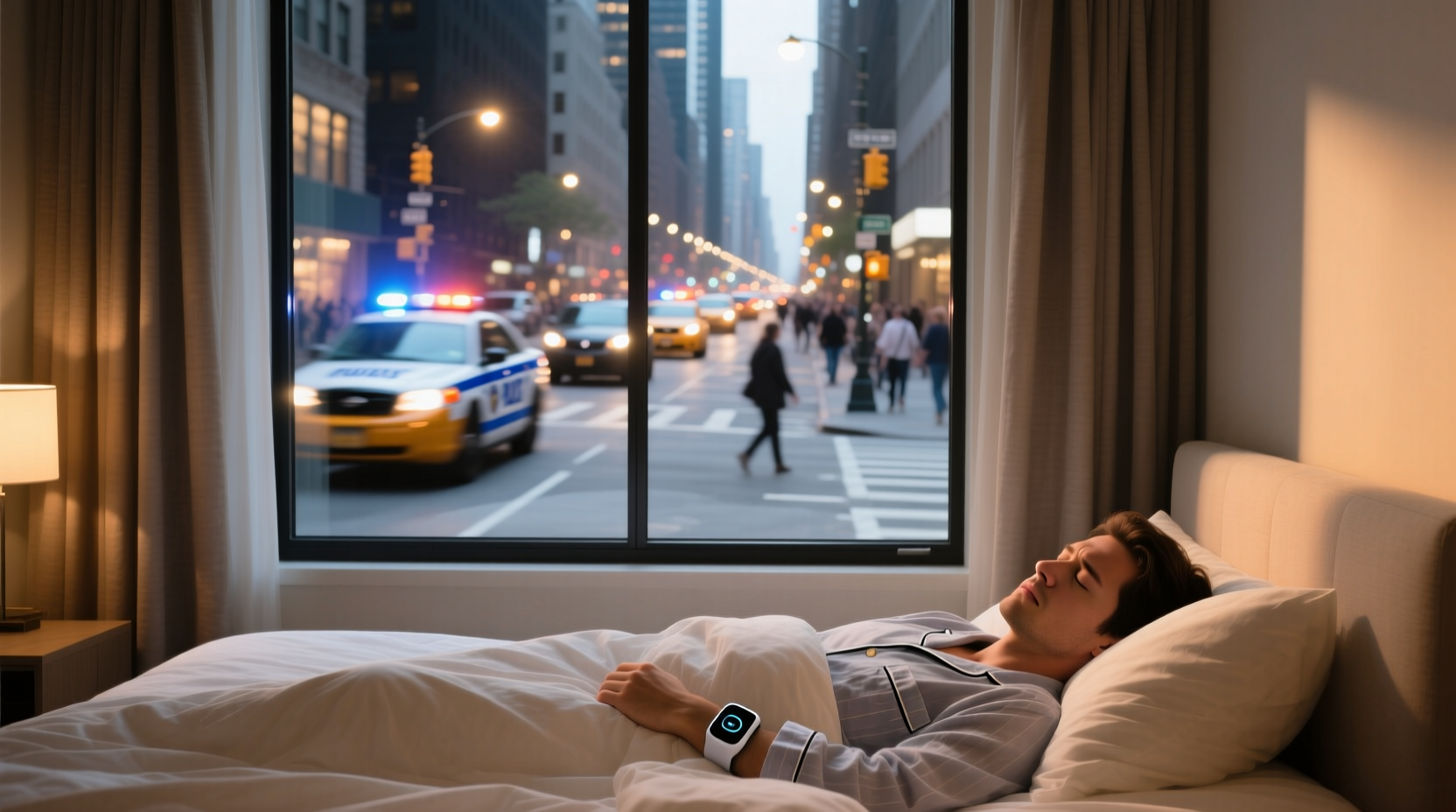
Noise pollution isn't just an annoyance—it's a documented health concern. The World Health Organization (WHO) identifies environmental noise as a leading environmental cause of health problems in Europe, second only to air pollution. Chronic exposure to traffic noise, especially at night, has been linked to increased risks of hypertension, cardiovascular disease, and persistent sleep disturbances.
Light sleepers are particularly vulnerable. Even sounds below 45 decibels—such as distant traffic or a passing motorcycle—can trigger micro-arousals during sleep. These brief awakenings aren’t always remembered, but they fragment sleep cycles, reducing deep and REM sleep. Over time, this leads to fatigue, reduced cognitive function, and irritability.
“Sleep quality isn’t just about duration—it’s about continuity. Uninterrupted sleep is essential for physical recovery and mental clarity.” — Dr. Lena Patel, Sleep Neurologist, Boston Medical Center
Traditional double-pane windows reduce some noise, but they’re not designed to block low-frequency traffic rumble. That’s where noise cancelling windows come in.
What Are Noise Cancelling Windows?
The term “noise cancelling windows” can be misleading. Unlike headphones that use active noise cancellation (ANC), most residential windows rely on passive soundproofing techniques. True ANC windows do exist but are rare and expensive, typically involving built-in microphones and speakers that emit inverse sound waves. The majority of so-called “noise cancelling” windows are actually high-performance acoustic windows designed to block sound through advanced materials and construction.
Key features of effective acoustic windows include:
- Laminated glass: A plastic interlayer (often PVB or SGP) between glass panes dampens vibrations and blocks mid-to-high frequency noise.
- Variable thickness panes: Using different glass thicknesses prevents sound resonance across frequencies.
- Gas-filled gaps: Argon or krypton gas between panes improves insulation and reduces sound transmission.
- Airtight frames: Thermally broken vinyl, fiberglass, or composite frames with multi-point locking systems prevent air and sound leaks.
- Proper installation: Even the best window fails if installed poorly. Gaps around the frame can negate up to 90% of soundproofing gains.
Together, these elements can reduce outside noise by 70–95%, depending on the STC (Sound Transmission Class) rating. Standard windows score around STC 26–30; premium acoustic models reach STC 45 or higher.
Cost vs. Benefit Analysis
Installing noise cancelling windows is a significant investment. Here’s a realistic breakdown:
| Window Type | Average Cost per Window | Noise Reduction (dB) | Expected Lifespan |
|---|---|---|---|
| Standard Double-Pane | $300–$500 | 20–25 dB | 15–20 years |
| Acoustic Double-Pane (Laminated) | $600–$900 | 35–40 dB | 25+ years |
| Premium Triple-Pane Acoustic | $900–$1,400 | 40–45 dB | 30+ years |
| Active Noise Cancelling (Prototype/Custom) | $2,000+ | Up to 50 dB (with electronics) | 10–15 years (due to tech components) |
For a typical three-bedroom home with 10 windows, upgrading to acoustic models could cost $6,000–$14,000. While steep, consider the long-term benefits:
- Improved sleep quality: Consistent, deeper sleep enhances mood, focus, and immune function.
- Increased property value: Energy-efficient, quiet homes command higher resale prices.
- Better concentration: Useful for home offices or students needing quiet study space.
- Lower reliance on short-term fixes: No more replacing earplugs or running loud fans all night.
Many homeowners report recouping 70–80% of installation costs upon selling their home, especially in urban areas where noise is a known issue.
Real-World Impact: A Case Study
Sarah Thompson, a freelance writer and light sleeper, moved into a condo overlooking a major arterial road in Seattle. Despite using heavy curtains and a white noise machine, she averaged only 5.5 hours of broken sleep per night. After six months of chronic fatigue, she invested $8,200 in laminated acoustic windows for her bedroom and home office.
Post-installation, a sound meter recorded a drop from 58 dB (equivalent to moderate rainfall) to 28 dB (quiet library) inside her bedroom at 8 PM. Sarah reported falling asleep 20 minutes faster and waking up less than once per night, compared to 3–4 times before. Within three weeks, her self-reported energy levels improved significantly.
“I didn’t realize how much the constant noise was draining me until it was gone. I feel like I’ve reclaimed my nights—and my mornings.” — Sarah Thompson
While individual results vary, Sarah’s experience reflects broader trends seen in urban dwellers who upgrade to acoustic glazing.
Alternatives and Complementary Solutions
If full window replacement isn’t feasible, several alternatives can improve sleep without the same upfront cost:
- Interior secondary glazing: Installing a second pane of glass inside the existing window frame adds mass and an air gap, improving STC by 10–15 points. Costs range from $200–$400 per window.
- Weatherstripping and sealing: Closing gaps around old windows with V-strip or compression seals can reduce noise infiltration by up to 30%. DIY kits cost under $50.
- Heavy acoustic curtains: Dense, layered drapes with mass-loaded vinyl cores can absorb mid-frequency noise. Effective when combined with other methods.
- White noise or pink noise machines: These mask intrusive sounds by filling the auditory spectrum with consistent background sound. Most effective for high-frequency noises like sirens or voices.
- Bedroom reconfiguration: Moving the bed to a wall facing away from the street or using bookshelves as sound barriers can make a noticeable difference.
Step-by-Step Guide to Evaluating Your Needs
Before committing to new windows, follow this practical timeline to assess your situation:
- Week 1: Monitor your current environment. Use a smartphone decibel meter app to record noise levels in your bedroom at different times—especially between 10 PM and 6 AM. Note peak events (e.g., garbage trucks, late-night deliveries).
- Week 2: Test temporary solutions. Try high-fidelity earplugs, a white noise machine, or heavy curtains. Track changes in sleep quality using a journal or wearable device.
- Week 3: Consult a professional. Schedule a home energy audit or acoustic assessment. Many window companies offer free evaluations that include sound testing.
- Week 4: Compare quotes and specs. Get at least three estimates from reputable installers. Ask for STC/OITC ratings, warranty length, and installation process details.
- Decision Point: If temporary fixes reduce noise by less than 50% and your sleep remains disrupted, investing in acoustic windows is likely justified.
Common Myths About Noise Cancelling Windows
Misinformation can cloud decision-making. Let’s clarify a few misconceptions:
- Myth: All double-pane windows are soundproof. Reality: Unless specifically designed for acoustics, standard double-glazed units offer minimal noise reduction beyond thermal insulation.
- Myth: Thicker glass always means better sound blocking. Reality: It’s the combination of glass thickness, lamination, air gap, and frame design that matters—not just thickness alone.
- Myth: You’ll never hear outside sounds again. Reality> Well-installed acoustic windows drastically reduce noise but don’t eliminate all sound. You may still hear muffled traffic or occasional horns, but not enough to disturb sleep.
FAQ
Do noise cancelling windows also improve energy efficiency?
Yes. Most acoustic windows use insulated glazing and thermally broken frames, which reduce heat transfer. Homeowners often see 10–20% lower heating and cooling bills after installation.
Can I install noise cancelling windows myself?
It’s not recommended. Proper acoustic performance depends on perfect sealing and alignment. Professional installation ensures no gaps and optimal performance. DIY errors can void warranties and reduce effectiveness.
How long do acoustic windows last?
High-quality models last 25–30 years or more. Laminated glass resists yellowing and delamination, and modern frames resist warping. Regular maintenance (cleaning tracks, checking seals) extends lifespan.
Checklist: Is It Time to Upgrade Your Windows?
Answer “yes” to three or more of the following to justify an investment:
- Do you live within 100 feet of a busy road, highway, or railway?
- Do you wake up frequently due to outside noise?
- Have temporary solutions (earplugs, machines) failed to improve your sleep?
- Is your current window over 15 years old or single-pane?
- Are you planning to stay in your home for 5+ years?
- Does outside noise exceed 50 dB at night?
Final Verdict: Worth It for Light Sleepers?
For light sleepers near busy streets, investing in noise cancelling windows is often not just worthwhile—it’s transformative. While the initial cost is high, the long-term return in sleep quality, health, and home value makes it a strategic decision. Unlike temporary aids that require nightly effort, acoustic windows work silently and continuously, creating a consistently restful environment.
That said, the investment makes the most sense when:
- You plan to stay in your home long enough to benefit from the upgrade.
- Your current windows are outdated or poorly sealed.
- Other noise mitigation strategies haven’t provided sufficient relief.
If you're tired of counting trucks instead of sheep, and you value deep, uninterrupted sleep, then yes—noise cancelling windows are likely worth every dollar.




 浙公网安备
33010002000092号
浙公网安备
33010002000092号 浙B2-20120091-4
Comments
No comments yet. Why don't you start the discussion?