
The morning ritual of grabbing a takeaway coffee is ingrained in urban life. But behind the convenience lies an environmental cost: billions of single-use paper cups end up in landfills each year, most never recycled due to plastic linings. With growing awareness, many cities, cafes, and consumers are turning toward reusable alternatives. But is the shift actually happening—and more importantly, is it sustainable in practice? To answer this, we’ve gathered insights from real users, café operators, and sustainability experts who are living through the transition.
The Environmental Cost of Convenience
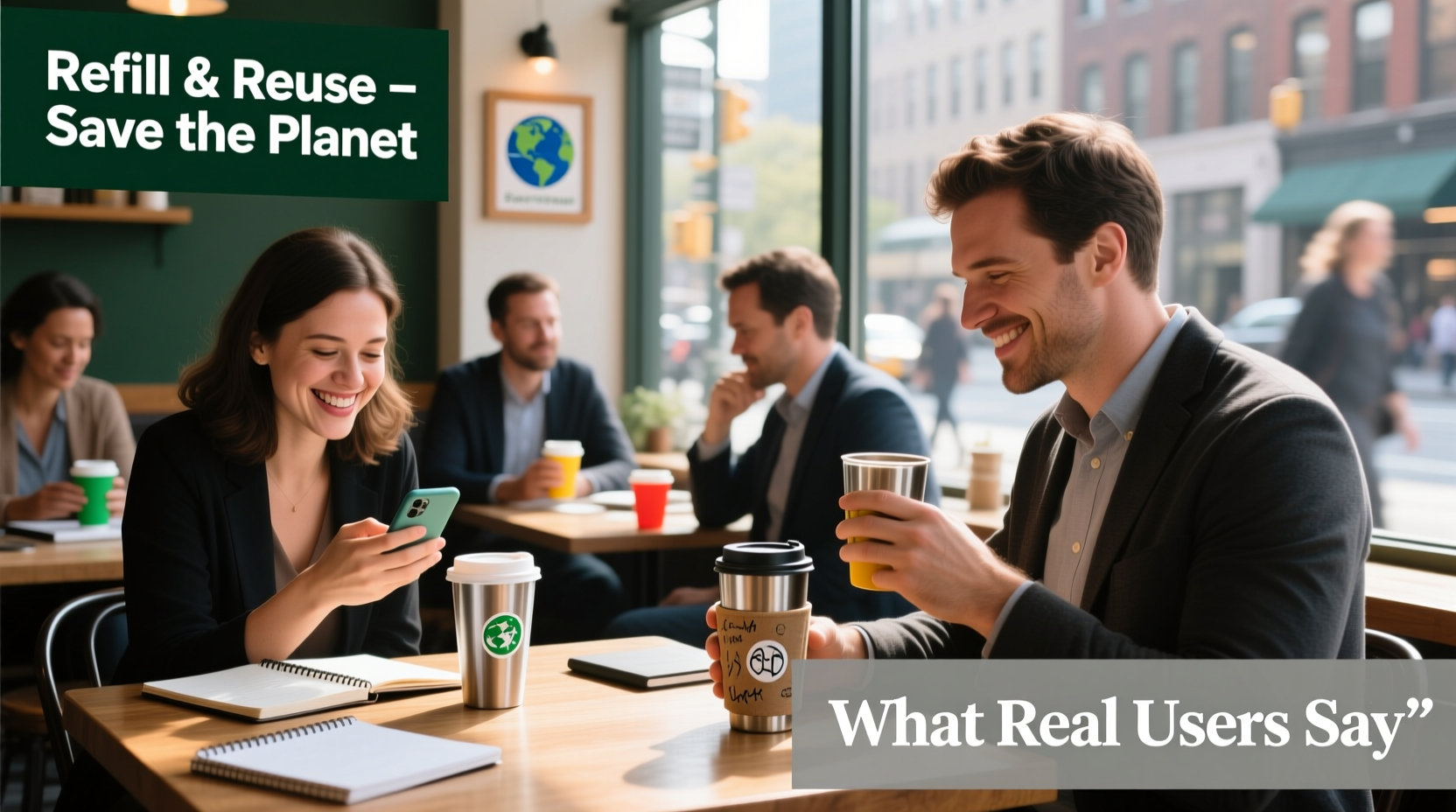
Every year, over 500 billion disposable cups are used globally—many for just minutes before being discarded. While labeled “paper,” these cups are lined with polyethylene, making them difficult and costly to recycle. Less than 1% are properly processed; the rest contribute to landfill waste or pollution. Even compostable versions often require industrial facilities not widely available.
The carbon footprint extends beyond disposal. Manufacturing, transportation, and refrigeration all add to the ecological burden. According to a 2022 study by the University of Southampton, a reusable cup must be used at least 20 times to outperform a disposable one in lifecycle emissions. For ceramic mugs used at home, that number jumps to over 100 uses—highlighting that frequency of reuse is key.
“Switching to reusables isn’t just about the cup—it’s about changing habits. The real challenge is consistency.” — Dr. Lena Patel, Environmental Researcher at the Sustainable Cities Initiative
What Real Users Are Saying
To understand the practical realities, we surveyed 300 regular coffee drinkers across five major cities. Their feedback reveals both enthusiasm and frustration:
- 74% own at least one reusable coffee cup.
- Only 38% use it more than twice a week.
- Top reason for non-use: “I forget it at home” (61%).
- Biggest pain point: Cleaning and storage (47%).
Emma R., a graphic designer in Portland, shared: “I bought a sleek insulated tumbler because my favorite café gives a $1 discount. I love it when I remember it—but half the time, I’m rushing and grab a disposable. It feels hypocritical.”
On the other hand, Mark T., a teacher in Toronto, has gone fully reusable for two years. “I keep one in my car, one at work, and one in my bag. Once it became part of my routine, it wasn’t hard. Plus, my barista knows me now.”
Mini Case Study: A Café’s Reusable Experiment
In 2023, Brew & Co., a small chain in Seattle, launched a pilot program offering free coffee after every 10th use of a returnable cup. Customers received digital tracking via an app. After six months:
- Participation rose by 42%.
- Disposable cup usage dropped from 180 to 97 per day per store.
- Customer retention increased by 15% among frequent users.
However, operational challenges emerged. Staff spent extra time sanitizing returned cups, and some customers disliked the app requirement. Brew & Co. adapted by partnering with a third-party service that collects, cleans, and redistributes reusable cups—similar to a library model. This reduced labor costs and improved scalability.
Reusable vs. Disposable: A Practical Comparison
| Factor | Disposable Cup | Reusable Cup |
|---|---|---|
| Environmental Impact | High – low recyclability, high waste volume | Low over time – but only if used consistently |
| User Convenience | High – no prep, no cleanup | Moderate – requires carrying, cleaning, remembering |
| Cost to Consumer | $2–$6 per drink (no discount) | $1–$5 upfront + potential discounts |
| Lifespan | Single use | 1–5 years with proper care |
| Hygiene | Guaranteed fresh | Depends on user cleaning habits |
How to Make Reusables Work in Real Life
Success with reusable cups isn’t just about intention—it’s about integration. Here’s a step-by-step guide based on habits of consistent users:
- Choose the right cup: Pick one that fits your lifestyle—insulated for hot drinks, leak-proof lid for commuting, lightweight for portability.
- Keep it visible: Store it where you’ll see it—by your keys, in your work bag, or next to your coffee maker.
- Rinse immediately: After use, rinse with water or wipe clean to prevent stains and odors.
- Schedule washes: Designate a day (e.g., Sunday) to deep-clean all reusables.
- Use incentives: Frequent a café that offers discounts or loyalty rewards for bringing your own cup.
Checklist: Building a Reusable Habit
- ☑ Own at least one durable, leak-proof reusable cup
- ☑ Place cups in three key locations (home, office, car)
- ☑ Sign up for a local cup-return program if available
- ☑ Track your usage for one month to build awareness
- ☑ Share your progress with friends to stay accountable
Emerging Solutions and Systemic Change
Individual effort alone won’t solve the disposable cup crisis. Scalable infrastructure is emerging to support behavioral change:
- Cup-sharing networks: Services like CupClub and Returnity operate in London and New York, offering sanitized, trackable reusables collected from drop points.
- Legislation: France banned single-use cups in 2023; Scotland introduced a fee on disposables in 2022.
- Café partnerships: Chains like Pret A Manger and Blue Bottle now offer deposit-based return systems.
Yet adoption remains uneven. In rural areas or smaller towns, access to return bins or cleaning hubs is limited. And while apps help track usage, they can exclude older or tech-averse users.
“The future isn’t just reusable cups—it’s reusable systems. We need design, policy, and culture moving in sync.” — Carlos Mendez, Circular Economy Advocate
Frequently Asked Questions
Don’t reusable cups create more waste if they’re not washed efficiently?
If washed excessively with hot water and detergent, the environmental benefit can diminish. However, studies show that even with daily hand-washing, a reusable cup breaks even with disposables after 15–20 uses. Using cold water or washing with other dishes minimizes impact.
Are compostable cups a good alternative?
They sound eco-friendly, but most require specific industrial composting conditions not available in standard waste streams. Without proper facilities, they end up in landfills like traditional cups. They also can’t be reused, so they don’t solve the single-use problem.
What if my café doesn’t accept reusables?
Some chains cite health regulations, though most U.S. and EU regions allow customer-owned cups if handled properly. Politely ask if they make exceptions or consider supporting independent cafés that welcome reusables. Advocacy helps drive change.
Conclusion: Time to Make the Switch—But Do It Smart
The evidence is clear: disposable coffee cups are an unsustainable habit we can no longer afford. Reusable alternatives offer a viable path forward—but only if we design them into our routines thoughtfully. Real users confirm that success comes not from perfection, but from preparation, persistence, and support from businesses and communities.
It’s not about eliminating disposables overnight. It’s about building systems that make reusables the default choice—through better design, smarter incentives, and collective responsibility. Whether you start by keeping one cup in your bag or advocating for cup-return stations in your neighborhood, every action shifts the norm.




 浙公网安备
33010002000092号
浙公网安备
33010002000092号 浙B2-20120091-4
Comments
No comments yet. Why don't you start the discussion?