
Bleeding gums during flossing is a common experience that many people dismiss as routine. Some assume it’s just part of maintaining good oral hygiene—after all, flossing can be irritating at first. But persistent bleeding is not something to ignore. While occasional bleeding may occur when you first start flossing regularly, consistent or heavy bleeding is a red flag. It often signals underlying gum inflammation or early-stage periodontal disease. Understanding why your gums bleed and what you can do about it is essential for long-term oral health.
Why Gums Bleed When Flossing: The Science Behind It
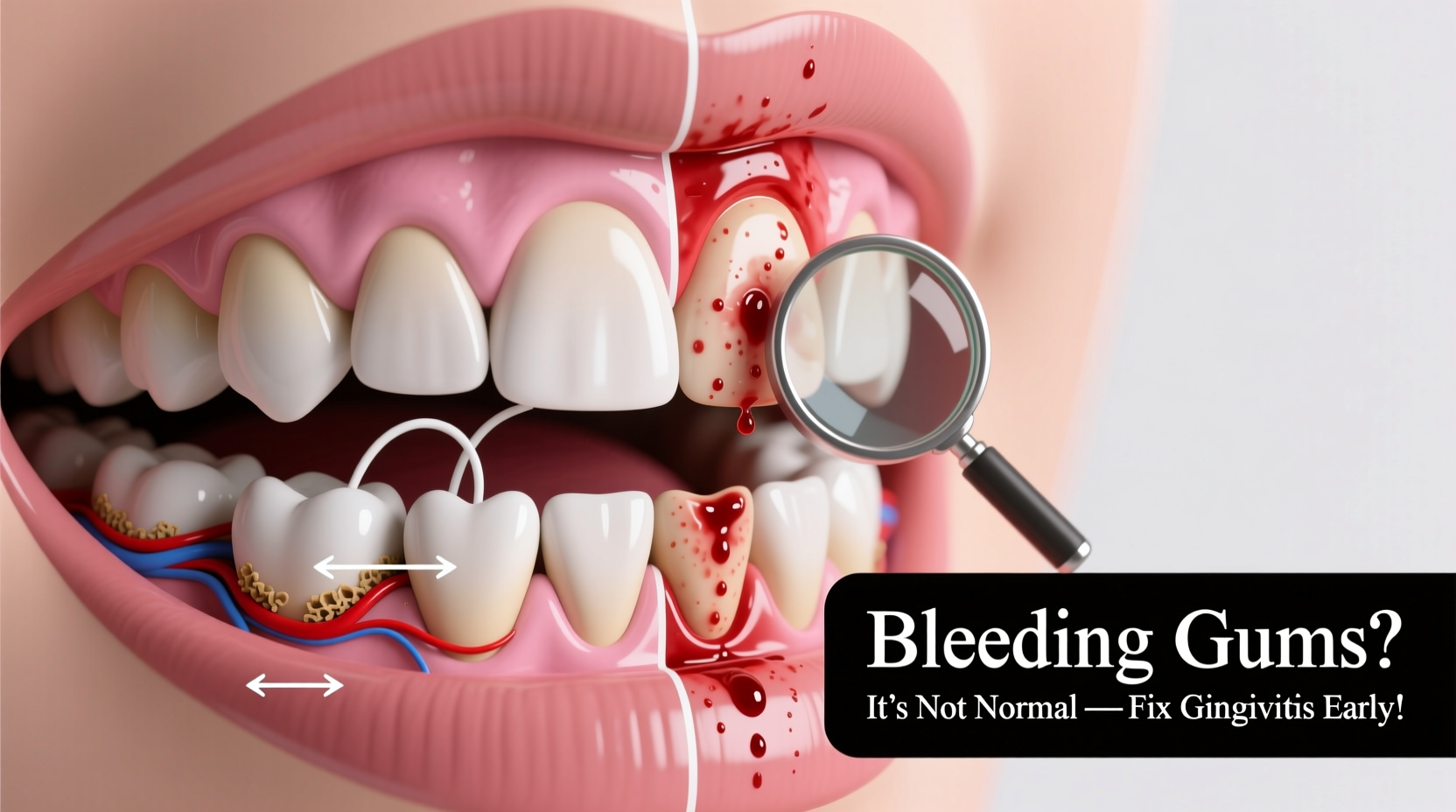
Gum bleeding during flossing typically results from inflammation caused by plaque buildup along the gumline. Plaque is a sticky film of bacteria that forms on teeth throughout the day. If not removed through proper brushing and flossing, it hardens into tartar, which irritates the gums and leads to gingivitis—the earliest stage of gum disease.
Inflamed gums become swollen, tender, and more prone to bleeding with even minor stimulation, such as brushing or flossing. This condition is medically referred to as gingival hemorrhage. According to the Centers for Disease Control and Prevention (CDC), nearly half of adults over 30 in the U.S. have some form of periodontal disease, making this an extremely widespread issue.
The key misconception is that bleeding means you should stop flossing. In reality, skipping flossing only worsens the problem. The act of flossing disrupts bacterial colonies and helps reduce inflammation over time. However, if bleeding persists beyond two weeks of consistent flossing, it may indicate a more serious condition requiring professional evaluation.
Common Causes of Bleeding Gums
While poor oral hygiene is the leading cause, several other factors can contribute to bleeding gums:
- Infrequent or improper flossing: Skipping floss allows plaque to accumulate between teeth where brushing can't reach.
- Gingivitis: Early gum disease characterized by redness, swelling, and bleeding.
- Hormonal changes: Pregnancy, menstruation, puberty, and menopause can increase gum sensitivity due to hormonal fluctuations.
- Nutritional deficiencies: Lack of vitamin C or K can weaken blood vessels and impair clotting.
- Medications: Blood thinners like warfarin or aspirin may increase bleeding tendency, including in the gums.
- Smoking: Reduces blood flow to the gums and masks symptoms of gum disease by constricting blood vessels.
- Dry mouth: Caused by medications or dehydration, dry mouth reduces saliva’s protective effect against bacteria.
- Systemic conditions: Diabetes, leukemia, and immune disorders can manifest orally through gum issues.
It's important to assess your overall health and habits when evaluating gum bleeding. For instance, someone who recently started taking a new medication might notice increased bleeding despite no change in oral care routine.
When Bleeding Is Normal vs. When It’s a Warning Sign
There are scenarios where mild gum bleeding is expected and resolves quickly:
- You’ve just started flossing after a long break.
- You're using a firmer floss or technique than usual.
- You’re pregnant and experiencing hormonal shifts.
In these cases, bleeding usually subsides within 5–10 days of consistent, gentle flossing. However, continued or worsening symptoms demand attention.
“Bleeding gums are never normal in the long term. Think of them like smoke alarms—they signal danger before major damage occurs.” — Dr. Lena Patel, Board-Certified Periodontist
Warning Signs That Require Dental Evaluation
| Symptom | May Be Normal? | Action Required |
|---|---|---|
| Light spotting once or twice after starting flossing | Yes | Continue flossing gently; monitor improvement |
| Bleeding every time you floss, lasting more than 2 weeks | No | Schedule dental checkup |
| Gums appear red, puffy, or recede | No | Possible gingivitis or periodontitis—see dentist |
| Persistent bad breath or taste in mouth | No | Indicates infection; seek professional care |
| Loose teeth or pain while chewing | No | Advanced gum disease likely; urgent visit needed |
Step-by-Step Guide to Stop Bleeding Gums
If your gums bleed regularly when flossing, follow this six-step plan to reverse early gum disease and restore oral health:
- Floss Daily Using Proper Technique
Use about 18 inches of floss, winding most around one middle finger and the rest around the other. Gently guide the floss between teeth using a zigzag motion. Curve it into a \"C\" shape against one tooth and slide it under the gumline. Move up and down several times before switching sides and repeating. - Switch to a Soft-Bristled Toothbrush
Aggressive brushing with hard bristles damages gum tissue. Use a soft-bristled brush and apply light pressure in circular motions at a 45-degree angle to the gums. - Use an Antimicrobial Mouthwash
Rinse daily with an alcohol-free mouthwash containing cetylpyridinium chloride or chlorhexidine (if prescribed) to reduce bacterial load and inflammation. - Incorporate Interdental Tools
If traditional floss is uncomfortable, try interdental brushes, water flossers, or ultra-thin floss tapes designed for tight spaces. - Maintain Hydration and Nutrition
Drink plenty of water to support saliva production. Eat foods rich in vitamin C (citrus, bell peppers, broccoli) and vitamin K (kale, spinach, Brussels sprouts) to strengthen capillaries and aid clotting. - Schedule a Professional Cleaning
Even with excellent home care, tartar buildup requires removal by a dental hygienist. Aim for cleanings every six months—or more frequently if you’re prone to gum issues.
Mini Case Study: Reversing Gingivitis at Home
Sarah, a 34-year-old teacher, noticed her gums bled every time she brushed or flossed. She had always skipped flossing, assuming brushing was enough. After reading about gum disease risks online, she committed to daily flossing—even though her gums bled heavily the first week.
She switched to a soft toothbrush, began using an antimicrobial rinse, and added spinach and oranges to her diet. Within three weeks, the bleeding decreased significantly. At her next dental appointment, her hygienist noted improved gum texture and reduced pocket depth—from 4mm to 2.5mm in most areas. Sarah was diagnosed with mild gingivitis, now reversed through consistent care.
Her story highlights that early intervention works. With discipline and the right tools, reversible gum inflammation doesn’t have to progress to irreversible damage.
Do’s and Don’ts for Healthy Gums
| Do’s | Don’ts |
|---|---|
| Brush twice daily with fluoride toothpaste | Use hard-bristled brushes or scrub aggressively |
| Floss gently but thoroughly every day | Force floss if it causes pain—adjust technique instead |
| Rinse with alcohol-free antibacterial mouthwash | Smoke or use tobacco products |
| Eat crunchy fruits and vegetables to stimulate gums | Ignore persistent bleeding for more than two weeks |
| Visit your dentist every 6 months (or as advised) | Delay treatment due to fear of diagnosis |
FAQ: Common Questions About Bleeding Gums
Can bleeding gums go away on their own?
Only if the underlying cause—usually plaque buildup—is addressed. Without improved oral hygiene or professional cleaning, bleeding will persist or worsen. Gingivitis is reversible with action, but left untreated, it progresses to periodontitis, which involves bone loss and cannot be fully undone.
Is it safe to keep flossing if my gums bleed?
Yes, unless there is severe pain or excessive bleeding. Gentle, correct flossing removes the source of irritation (plaque) and allows gums to heal. Avoid snapping floss into the gums, and consider softer alternatives like floss tape or interdental brushes if discomfort continues.
Can kids have bleeding gums too?
Yes. Children with poor brushing habits, braces, or high-sugar diets can develop gingivitis. Teach them proper technique early and supervise until age 8–10. Bleeding in children should also be evaluated by a pediatric dentist.
Final Steps Toward Healthier Gums
Bleeding gums when flossing are not something to accept as normal. They are a clear message from your body that inflammation is present and needs attention. The good news is that in most cases, early-stage gum disease is entirely reversible with consistent care.
Your mouth is a window into your overall health. Chronic gum disease has been linked to heart disease, diabetes complications, and adverse pregnancy outcomes. Taking bleeding seriously isn’t just about saving your smile—it’s about protecting your entire body.
“The mouth is not separate from the rest of the body. Treating gum disease is preventive medicine.” — Dr. Michael Chen, Integrative Dentistry Specialist




 浙公网安备
33010002000092号
浙公网安备
33010002000092号 浙B2-20120091-4
Comments
No comments yet. Why don't you start the discussion?