
Dreams are a universal human experience—most people dream several times each night during rapid eye movement (REM) sleep. While occasional vivid or emotionally charged dreams are common, experiencing intense, cinematic, or disturbing dreams every single night can raise questions about mental and physical well-being. For some, these nightly episodes feel like watching full-length movies with rich detail, emotion, and narrative complexity. But where is the line between normal brain activity and a signal that something deeper may need attention?
This article explores the science behind vivid dreaming, examines factors that amplify dream intensity, identifies red flags indicating potential underlying issues, and offers practical guidance on when and how to seek help.
What Makes Dreams Vivid?
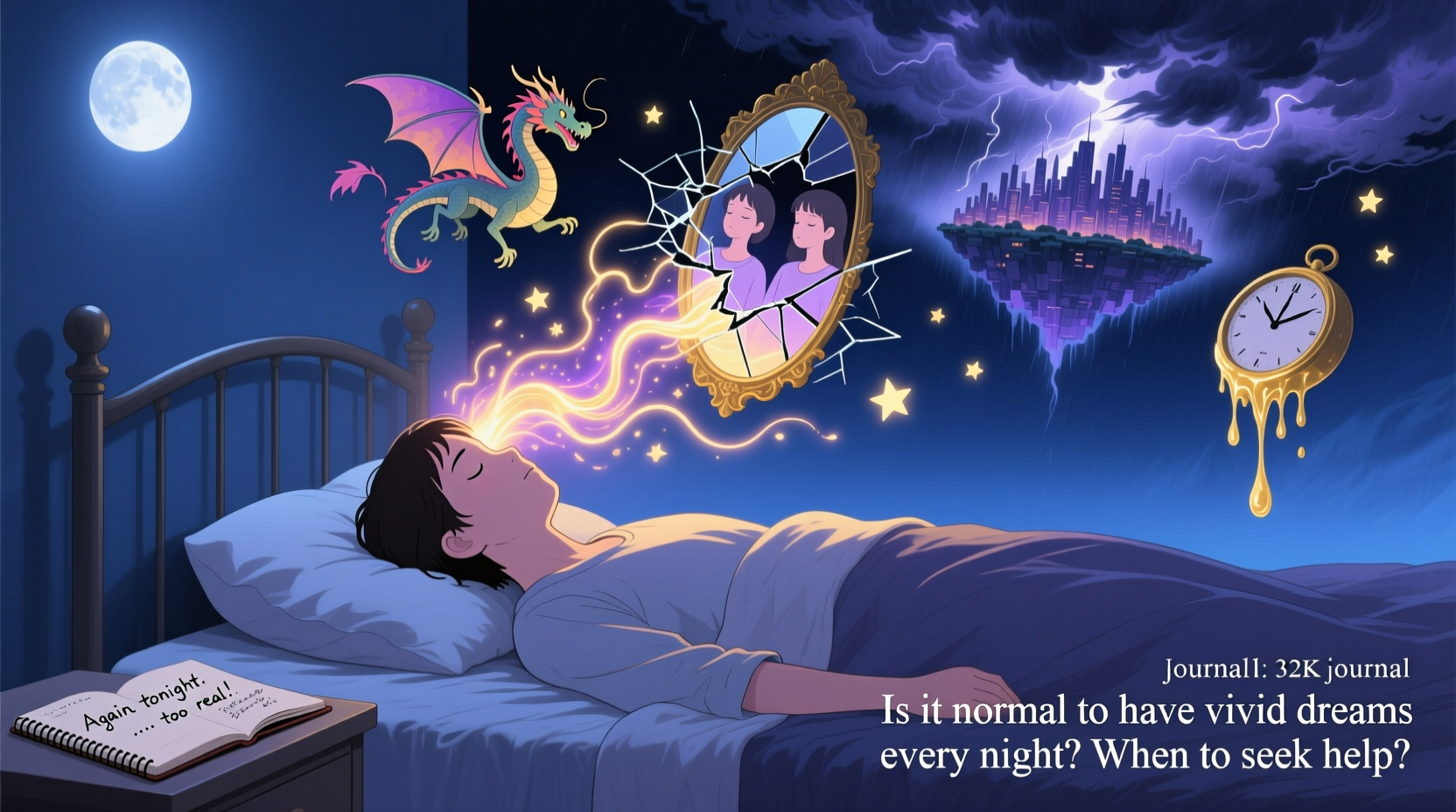
Vivid dreams differ from ordinary dreams in clarity, emotional depth, and sensory realism. They often involve strong visuals, sounds, smells, and feelings. These dreams can feel so real that waking up leaves you disoriented or emotionally affected. Understanding what contributes to this phenomenon begins with the mechanics of sleep.
During REM sleep—the stage most associated with dreaming—the brain becomes highly active, nearly as much as when awake. The visual, emotional, and memory-processing regions fire intensely, while the prefrontal cortex (responsible for logic and self-awareness) is less engaged. This neurochemical environment allows for surreal, emotionally charged narratives without the usual filters of reality-checking.
Certain conditions increase the likelihood of vivid dreams:
- Sleep fragmentation: Waking up during or immediately after REM cycles makes dream recall more likely and memories stronger.
- High emotional arousal: Stress, anxiety, or unresolved psychological tension can fuel dramatic dream content.
- Hormonal shifts: Pregnancy, menstruation, and menopause are linked to increased dream intensity due to fluctuating hormone levels affecting sleep architecture.
- Diet and substances: Alcohol, caffeine, certain medications (like antidepressants), and late-night eating can alter REM patterns.
When Vivid Dreaming Is Normal
Having vivid dreams occasionally—or even nightly—is not inherently problematic. Many healthy individuals report frequent, detailed dreams without any negative consequences. In fact, some researchers suggest that vivid dreaming plays a role in emotional regulation and cognitive processing.
According to Dr. Robert Stickgold, a Harvard Medical School professor and sleep researcher:
“Dreaming helps the brain sort through emotional experiences, consolidate memories, and simulate possible futures. Vivid dreams aren’t just noise—they’re part of our mental maintenance.” — Dr. Robert Stickgold, Cognitive Neuroscientist
Common life situations that temporarily increase dream vividness include:
- Navigating major life transitions (moving, job change, relationship shifts)
- Grieving or processing loss
- Experiencing high stress at work or home
- Engaging in creative projects or deep learning
- Practicing mindfulness or dream journaling
In these cases, vivid dreams often subside once the triggering factor resolves or stabilizes. No medical intervention is needed unless the dreams begin disrupting daily functioning.
When to Be Concerned: Warning Signs
While vivid dreams alone aren’t a disorder, they can become a symptom of an underlying issue when accompanied by specific behavioral or physiological changes. The key distinction lies in whether the dreams are enhancing insight or impairing well-being.
Consider seeking professional evaluation if you experience any of the following:
- Frequent nightmares causing fear of sleep: If bedtime becomes a source of dread due to recurring terrifying dreams, this could indicate nightmare disorder.
- Daytime fatigue despite adequate sleep: Repeated awakenings from intense dreams may fragment sleep, leading to non-restorative rest.
- Emotional distress spilling into waking life: Anxiety, irritability, or depression linked to dream content.
- Physical movements during sleep: Kicking, shouting, or jumping out of bed may point to REM sleep behavior disorder (RBD).
- New onset after medication changes: Some SSRIs, beta-blockers, and Parkinson’s drugs are known to intensify dreams.
A particularly concerning pattern is recurrent dreams involving themes of being chased, falling, or losing control—especially if they persist for weeks or months. These may reflect unprocessed trauma or chronic stress.
Mini Case Study: Maria’s Experience with Nightly Nightmares
Maria, a 34-year-old nurse, began having intense dreams every night after working long shifts in the ICU during the pandemic. Her dreams involved patients calling her name, code blues she couldn’t respond to, and endless hospital corridors. Initially, she dismissed them as stress-related. But after three months of poor sleep quality, daytime exhaustion, and increasing anxiety, she consulted a sleep specialist.
She was diagnosed with mild nightmare disorder secondary to occupational stress and early signs of burnout. With cognitive-behavioral therapy for insomnia (CBT-I) and imagery rehearsal therapy (IRT), her dream intensity decreased within eight weeks. By addressing the root cause—workplace trauma—and implementing structured relaxation techniques before bed, Maria regained restful sleep.
Do’s and Don’ts: Managing Vivid Dreams at Home
Before considering clinical treatment, many people benefit from lifestyle adjustments that promote balanced sleep and reduce hyperarousal. The table below outlines evidence-based strategies.
| Do’s | Don’ts |
|---|---|
| Maintain a regular sleep-wake schedule | Consume alcohol or heavy meals within 3 hours of bedtime |
| Practice relaxation techniques (meditation, deep breathing) | Use electronic devices in bed; blue light disrupts melatonin |
| Keep a dream journal to process emotions | Suppress or fear your dreams—acknowledge them without judgment |
| Create a calming bedtime routine | Watch intense media (thrillers, news) before sleeping |
| Limit caffeine after noon | Take over-the-counter sleep aids without consulting a doctor |
Step-by-Step Guide: When and How to Seek Help
If self-management isn’t enough, professional support can make a significant difference. Here’s a clear path to follow:
- Track symptoms for two weeks: Use a sleep diary to record dream frequency, mood, sleep duration, medication use, and daytime functioning.
- Consult your primary care provider: Rule out medical causes such as sleep apnea, thyroid dysfunction, or medication side effects.
- See a sleep specialist: If abnormal movements or breathing occur at night, a polysomnogram (sleep study) may be recommended.
- Engage a mental health professional: Therapists trained in CBT, IRT, or trauma-informed care can address anxiety, PTSD, or unresolved emotional conflicts fueling disturbing dreams.
- Follow a treatment plan: Depending on diagnosis, options may include therapy, medication adjustment, or sleep hygiene coaching.
Early intervention prevents minor disruptions from evolving into chronic sleep disorders. As Dr. Meir Kryger, a leading sleep medicine expert, notes:
“Sleep is not just downtime—it’s essential brain maintenance. Ignoring persistent dream disturbances is like ignoring chest pain: both signal systems under strain.” — Dr. Meir Kryger, Yale School of Medicine
Frequently Asked Questions
Can vivid dreams be a sign of mental illness?
Not necessarily. Vivid dreams alone don’t indicate mental illness. However, when paired with symptoms like anxiety, depression, hallucinations upon waking, or disorganized thinking, they may be linked to conditions such as PTSD, bipolar disorder, or schizophrenia. A qualified clinician can differentiate between normal variation and clinical concern.
Are lucid dreams the same as vivid dreams?
No. Vivid dreams refer to clarity and sensory richness. Lucid dreams occur when you become aware you’re dreaming and may even control the dream’s narrative. While lucid dreams can be vivid, not all vivid dreams are lucid. Some people train themselves to achieve lucidity through mindfulness and reality-testing exercises.
Why do I suddenly start remembering all my dreams?
Sudden dream recall often results from waking up during or right after REM sleep. Common triggers include stress, irregular sleep schedules, alcohol withdrawal, or starting medications that affect neurotransmitters like serotonin. Improved dream memory isn’t harmful unless it comes with distress or sleep disruption.
Conclusion: Listen to Your Dreams—But Prioritize Your Well-Being
Vivid dreams every night are more common than many realize, especially in times of emotional flux or lifestyle change. For most, they’re a natural expression of the brain’s inner work—processing memories, regulating emotions, and simulating challenges. There’s no need to pathologize rich dream life if it doesn’t interfere with daily function or peace of mind.
However, when dreams consistently provoke fear, exhaust energy, or blur the line between sleep and wakefulness, they deserve attention. Recognizing the difference between meaningful dreaming and symptomatic disturbance empowers you to take proactive steps toward better sleep and mental health.
Your dreams may hold insights—but your waking life matters most. If nighttime stories are stealing your daytime calm, don’t wait. Reach out to a healthcare provider who understands the language of sleep. Restful nights and clearer days are within reach.




 浙公网安备
33010002000092号
浙公网安备
33010002000092号 浙B2-20120091-4
Comments
No comments yet. Why don't you start the discussion?