
Diffusers have become a staple in modern homes, offering an easy way to infuse living spaces with calming scents, improve mood, and even support respiratory wellness. As people experiment more with scent customization, a common question arises: can you safely blend fragrance oils and essential oils in the same diffuser? The answer isn’t a simple yes or no—it depends on the oils used, the diffuser type, and how the mixture is prepared. Understanding the differences between these two oil types, their chemical properties, and safety considerations is essential before combining them.
Understanding the Difference Between Fragrance Oils and Essential Oils
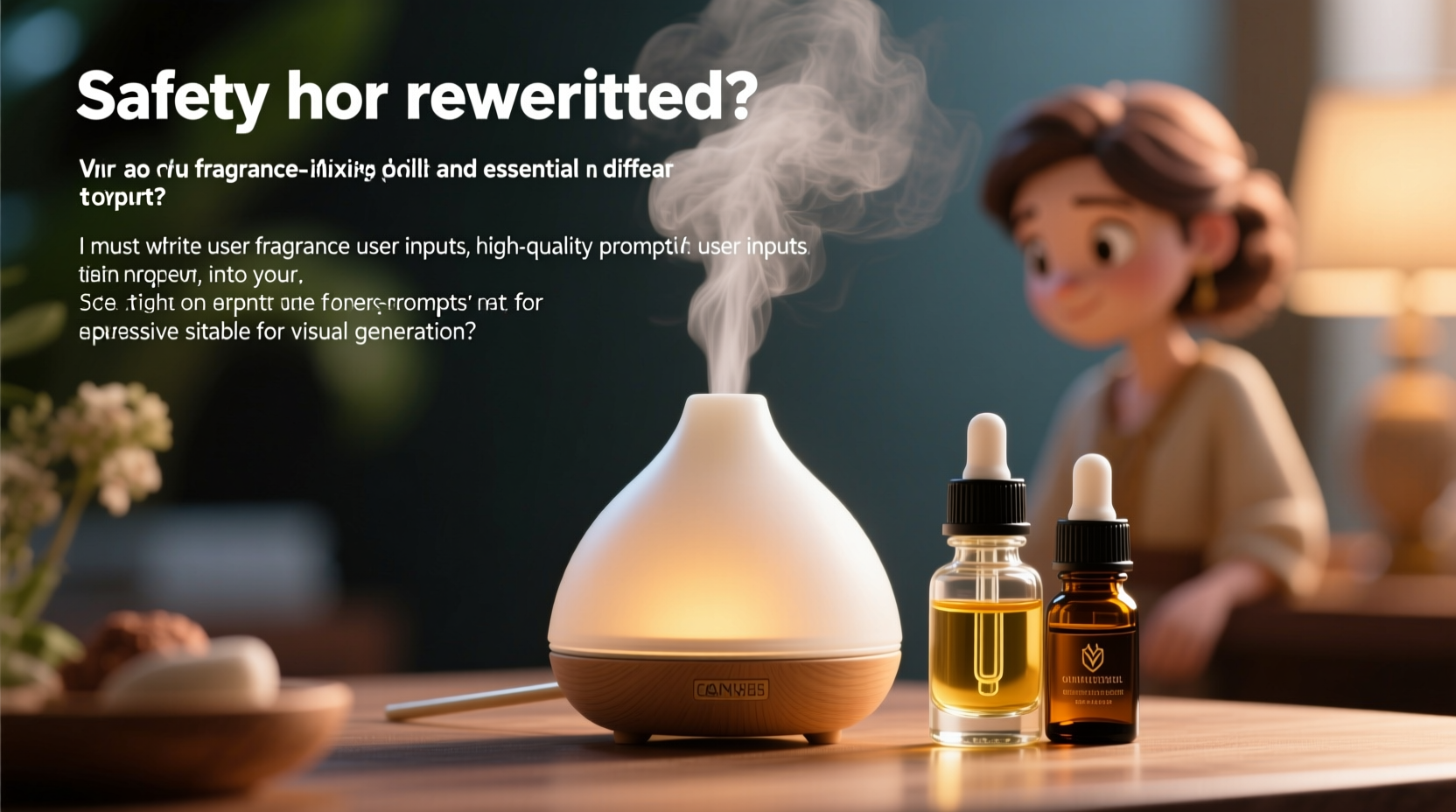
Before considering mixing, it's crucial to distinguish between fragrance oils and essential oils—two fundamentally different substances often mistaken for one another.
Essential oils are concentrated plant extracts obtained through steam distillation, cold pressing, or solvent extraction. They contain the volatile aromatic compounds of plants and are valued for their therapeutic properties. Examples include lavender for relaxation, eucalyptus for respiratory support, and peppermint for mental clarity.
Fragrance oils, on the other hand, are typically synthetic blends created in labs to mimic natural scents—or to produce entirely new ones like “ocean breeze” or “vanilla cupcake.” While some fragrance oils may contain natural components, many are made from petrochemicals or alcohol-based carriers designed purely for scent, not therapy.
The key distinction lies in purpose: essential oils are functional and bioactive; fragrance oils are primarily aesthetic. This difference affects how they behave when diffused, especially in combination.
“Blending fragrance and essential oils isn't inherently dangerous, but it requires caution. Not all ingredients play well together, and impurities in fragrance oils can degrade diffuser performance or irritate sensitive individuals.” — Dr. Lena Patel, Aromatherapy Safety Researcher
Safety Considerations When Mixing Oils
Mixing oils isn't just about creating a pleasant smell—it’s about ensuring the blend remains non-toxic, non-irritating, and compatible with your equipment. Several factors influence whether combining fragrance and essential oils is safe:
- Chemical compatibility: Some fragrance oils contain solvents or stabilizers that may react unpredictably with certain essential oils, potentially forming off-gassing byproducts when aerosolized.
- Respiratory sensitivity: Synthetic fragrances can trigger headaches, allergies, or asthma in sensitive individuals. Adding potent essential oils like cinnamon or clove may intensify irritation.
- Diffuser material degradation: Many ultrasonic diffusers use plastic reservoirs. Certain fragrance oil additives (like dipropylene glycol) can degrade plastic over time, leading to leaks or motor damage.
- Therapeutic dilution: Blending reduces the concentration of active essential oil compounds, possibly negating any intended aromatherapeutic benefit.
When Mixing Might Be Acceptable
In controlled conditions, blending small amounts of high-quality fragrance oil with essential oils can work. For example:
- You love the floral base of a premium fragrance oil but want added therapeutic value from real lavender essential oil.
- You’re using a reed diffuser where evaporation is slower, reducing inhalation risk.
- The fragrance oil is labeled as “phthalate-free,” “non-toxic,” and “diffuser-safe” by a reputable brand.
Even then, the ratio matters. A safe starting point is 1 part fragrance oil to 3–4 parts essential oil, never exceeding 10 drops total per 100ml of water in an ultrasonic diffuser.
Step-by-Step Guide to Safely Blend Oils in a Diffuser
If you decide to proceed with mixing, follow this methodical approach to minimize risk and maximize effectiveness.
- Choose a compatible diffuser: Use only ultrasonic or nebulizing diffusers designed for essential oils. Avoid heat diffusers, which can alter chemical structures and increase volatility.
- Select high-quality oils: Verify that your fragrance oil is explicitly labeled as safe for aromatherapy or diffuser use. Opt for essential oils that are 100% pure, third-party tested, and stored in dark glass bottles.
- Prepare a test blend: In a small glass vial, combine 2 drops of fragrance oil with 6 drops of essential oil. Cap and let sit for 1 hour to check for separation or cloudiness.
- Conduct a smell test: Open the vial in a ventilated area. If the scent is harsh, chemically, or causes discomfort, discard the blend.
- Test in the diffuser: Add 1–2 drops of the mixed oil to 100ml of water in your diffuser. Run for 10 minutes. Observe for residue buildup, strange odors, or changes in mist output.
- Monitor physical response: Stay in the room and note any signs of headache, dizziness, or throat irritation. Discontinue use immediately if symptoms occur.
- Document results: Record the oils used, ratios, and reactions for future reference. Adjust ratios gradually if needed.
Do’s and Don’ts of Oil Blending in Diffusers
| Do’s | Don’ts |
|---|---|
| Use only diffuser-safe, high-quality fragrance oils | Assume all fragrance oils are safe to inhale |
| Keep blends mostly essential oil (75% or more) | Use fragrance oils containing phthalates or parabens |
| Start with low concentrations and short diffusion times | Diffuse blends around infants, pets, or asthmatics without testing |
| Clean your diffuser thoroughly after each blend use | Store mixed oils in plastic containers |
| Label all custom blends clearly | Mix citrus essential oils with fragrance oils high in aldehydes (can increase photosensitivity) |
Real-World Example: A Cautionary Blend
Sarah, a wellness enthusiast, wanted to create a cozy “spiced vanilla” aroma in her living room. She combined 4 drops of vanilla fragrance oil with 2 drops of cinnamon bark essential oil in her ultrasonic diffuser. Within 20 minutes, she developed a mild headache and noticed a filmy residue inside the water tank.
After consulting an aromatherapist, she learned that the fragrance oil contained propylene glycol, which—when aerosolized with the highly phenolic cinnamon oil—created an irritating vapor. Additionally, the cinnamon had begun to degrade the plastic seal of the diffuser. Sarah switched to using only essential oils for therapeutic diffusion and reserved the fragrance oil for potpourri and wax melts instead.
This case highlights the importance of ingredient transparency and gradual testing. What smells pleasant on paper may not translate safely into airborne particles.
Expert Recommendations and Industry Standards
Professional aromatherapists generally advise against mixing fragrance and essential oils for inhalation purposes. The National Association for Holistic Aromatherapy (NAHA) states that only pure essential oils and hydrosols should be used in diffusers intended for therapeutic benefit.
“The moment you introduce synthetic components into a diffuser, you're no longer practicing aromatherapy—you're engaging in ambient scenting. There's nothing wrong with that, but it should be done transparently and with awareness of potential health impacts.” — Dr. Rebecca Tran, Clinical Aromatherapist and Educator
Manufacturers of high-end diffusers, such as Vitruvi and URPOWER, also warn against using fragrance oils, citing risks of clogging, corrosion, and voided warranties. Their devices are calibrated for the viscosity and volatility of pure essential oils, not synthetic blends.
Frequently Asked Questions
Can mixing oils damage my diffuser?
Yes. Many fragrance oils contain carriers like DPG (dipropylene glycol) or alcohol bases that can corrode plastic tanks, degrade rubber seals, or leave sticky residues that impair mist production. Even “natural” fragrance oils may contain thickening agents that clog nebulizers.
Are there any fragrance oils safe to mix with essential oils?
A few companies produce diffuser-safe fragrance oils made with food-grade or GRAS (Generally Recognized As Safe) ingredients. These are rare and usually labeled explicitly for aromatherapy use. However, they still lack the therapeutic properties of essential oils and should be used cautiously.
What’s a safer alternative to mixing oils?
Instead of blending, alternate diffusion sessions. Run an essential oil blend in the morning for focus or relaxation, then switch to a fragrance oil in the evening for ambiance—allowing time for ventilation between uses. Another option is using separate diffusers: one dedicated to pure essential oils, another for fragrance-only applications.
Final Checklist Before You Blend
- ✅ Confirmed both oils are labeled as safe for diffusion
- ✅ Checked fragrance oil ingredients for phthalates, parabens, and alcohol bases
- ✅ Used a glass or stainless-steel diffuser (plastic-free)
- ✅ Tested the blend in a small amount first
- ✅ Ensured good room ventilation during and after use
- ✅ Avoided use around children, pets, pregnant individuals, or those with respiratory conditions
- ✅ Cleaned the diffuser thoroughly after testing
Conclusion: Proceed with Knowledge, Not Guesswork
Mixing fragrance oils with essential oils in diffusers isn’t categorically unsafe—but it comes with significant caveats. Without full knowledge of each oil’s composition, you risk compromising your health, your diffuser’s longevity, and the integrity of aromatherapeutic practice. When in doubt, keep the two categories separate: reserve essential oils for wellness-focused diffusion and fragrance oils for decorative scenting methods like wax warmers, sachets, or room sprays (where exposure is limited).
If you choose to blend, do so with intention, precision, and respect for the materials involved. Read labels, start small, and prioritize safety over novelty. Your lungs—and your diffuser—will thank you.




 浙公网安备
33010002000092号
浙公网安备
33010002000092号 浙B2-20120091-4
Comments
No comments yet. Why don't you start the discussion?