
Many people with oily skin believe that skipping moisturizer will help reduce shine and prevent breakouts. After all, their skin already produces excess oil—why add more? But dermatologists consistently warn against this logic. Skipping moisturizer, even with oily skin, can do more harm than good. The misconception stems from confusing oil with hydration. While sebum (oil) and water are both part of skin health, they serve different roles. When you deprive your skin of proper hydration, you disrupt its natural balance, often leading to increased oil production, irritation, and even accelerated aging.
Understanding the difference between oil and moisture—and how your skin responds when one is missing—is key to building an effective skincare routine. Dermatologists emphasize that hydration is non-negotiable, regardless of skin type. In fact, oily skin may need hydration support more than most realize.
The Science Behind Oily Skin and Moisture Imbalance
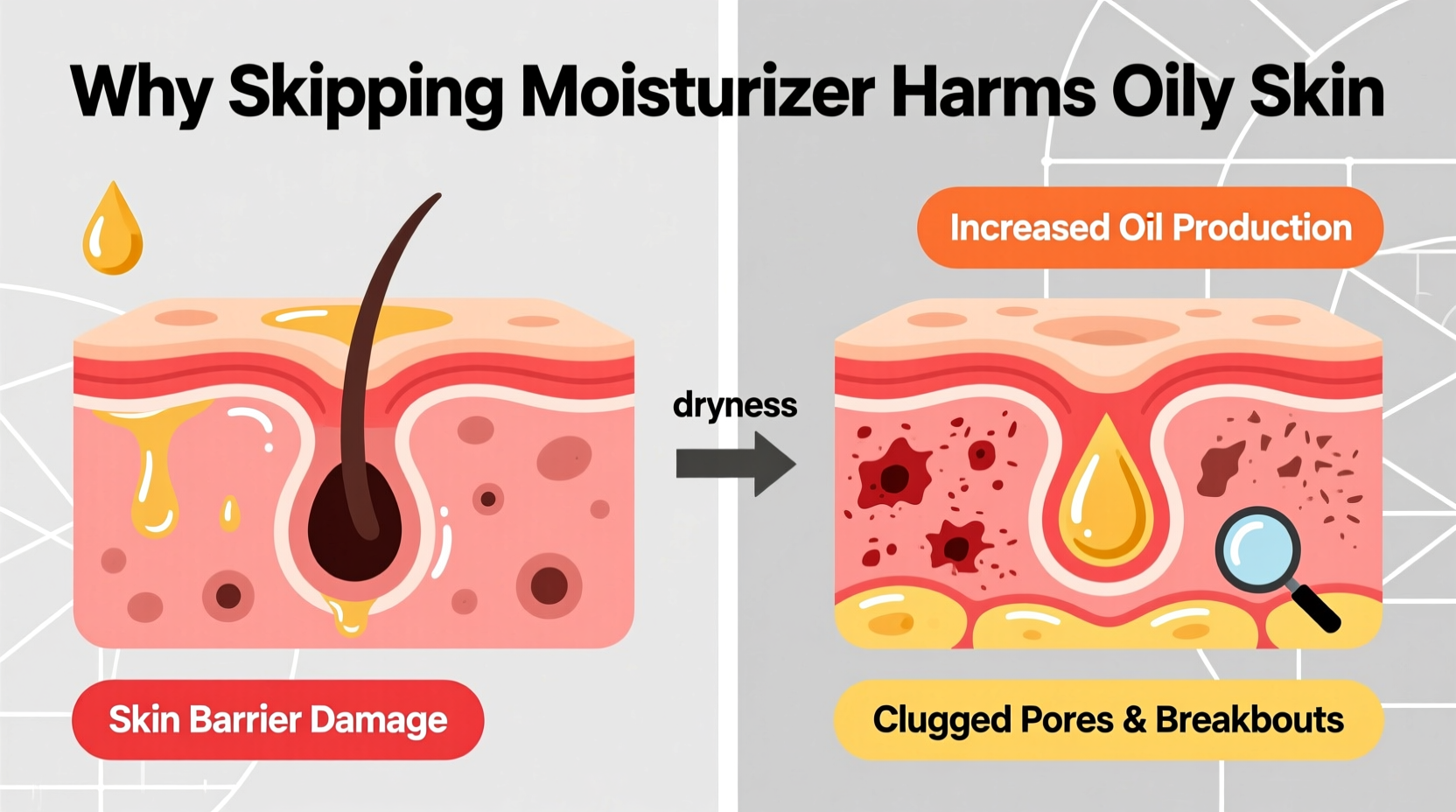
Oily skin results from overactive sebaceous glands producing too much sebum. This condition is influenced by hormones, genetics, environment, and lifestyle. However, sebum production doesn’t equate to hydration. Hydration refers to the water content in the skin’s outermost layer, the stratum corneum. A well-hydrated skin barrier functions optimally: it locks in moisture, keeps irritants out, and maintains elasticity.
When you skip moisturizer, especially if you’re using acne treatments like benzoyl peroxide, salicylic acid, or retinoids, you risk compromising the skin barrier. These ingredients, while effective at controlling breakouts, are often drying. Without replenishment, the skin becomes dehydrated. In response, the body signals the sebaceous glands to produce more oil—a process called reactive seborrhea.
“Oily skin doesn’t mean well-hydrated skin. In fact, many patients with oily complexions have a damaged moisture barrier, which leads to increased oil production as a compensatory mechanism.” — Dr. Lena Torres, Board-Certified Dermatologist
This creates a vicious cycle: dryness triggers oiliness, which leads to harsher cleansing and skipping moisturizers, further damaging the barrier. Over time, this imbalance can result in inflammation, sensitivity, and persistent acne.
Why Moisturizing Actually Reduces Oil Production
Contrary to popular belief, applying the right moisturizer can actually help regulate oil production. When your skin receives consistent hydration, it no longer needs to overcompensate by pumping out excess sebum. Think of it like watering a plant: if you never water it, the soil dries out. But if you establish a regular watering schedule, the plant thrives without needing to absorb excessive amounts at once.
A 2020 study published in the Journal of Clinical and Aesthetic Dermatology found that participants with oily, acne-prone skin who used a lightweight, non-comedogenic moisturizer twice daily experienced a 30% reduction in perceived oiliness after six weeks. Their skin also showed improved texture and fewer breakouts compared to those who skipped moisturizer.
The takeaway? Consistent hydration helps normalize your skin’s behavior. It’s not about adding grease—it’s about restoring balance.
Choosing the Right Moisturizer for Oily Skin
Not all moisturizers are created equal. For oily skin, the goal is hydration without heaviness. Avoid thick creams containing petrolatum, mineral oil, or lanolin. Instead, opt for formulas designed specifically for combination or oily skin types. Key ingredients to look for include:
- Hyaluronic acid – attracts and holds water in the skin without clogging pores.
- Niacinamide – reduces sebum production, minimizes pores, and strengthens the skin barrier.
- Glycerin – a humectant that draws moisture into the skin.
- Ceramides – help repair and maintain the skin’s protective barrier.
- Dimethicone (in low concentrations) – provides light occlusion without greasiness.
Water-based or gel-cream formulations absorb quickly and leave a matte finish, making them ideal for daytime use under makeup. Some even include mattifying agents like silica to control shine throughout the day.
Moisturizer Comparison for Oily Skin
| Product Type | Best For | Key Benefits | Ingredients to Avoid |
|---|---|---|---|
| Gel Moisturizer | Very oily, acne-prone skin | Lightweight, fast-absorbing, non-greasy | Mineral oil, coconut oil, lanolin |
| Hydrating Serum | Dry patches within oily zones | Targets dehydration without heaviness | Alcohol denat., synthetic fragrances |
| Oil-Free Lotion | Combination skin | Balances T-zone and cheeks | Parabens, sulfates |
| Mattifying Cream | Skin with persistent shine | Controls oil for hours | Heavy silicones (e.g., dimethicone above 5%) |
Step-by-Step Routine: How to Moisturize Oily Skin Correctly
Applying moisturizer isn’t just about slathering on a product—it’s about timing, technique, and consistency. Follow this dermatologist-approved routine to maximize benefits without exacerbating oiliness:
- Cleanse gently. Use a mild, sulfate-free cleanser twice daily. Avoid scrubbing or using hot water, which strips natural oils and triggers rebound oil production.
- Tone (optional). Apply an alcohol-free toner with hydrating or balancing ingredients like witch hazel, rose water, or niacinamide.
- Apply treatment products. Use serums or spot treatments (e.g., vitamin C, retinol, salicylic acid) after cleansing.
- Seal with moisturizer. While skin is still slightly damp, apply a pea-sized amount of moisturizer. This locks in hydration from earlier steps.
- Use sunscreen daily. Even oily skin needs UV protection. Choose a lightweight, broad-spectrum SPF 30+ that won’t clog pores.
Consistency matters more than complexity. Stick to this routine morning and night, adjusting only if irritation occurs. Introduce new products one at a time, waiting at least a week before adding another.
Real Example: Breaking the Cycle of Over-Drying
Take Sarah, a 28-year-old office worker with persistent midday shine and frequent breakouts along her jawline. For years, she avoided moisturizer entirely, believing it would make her face oilier. Her routine included a foaming cleanser, acne pads with alcohol, and blotting sheets throughout the day.
After consulting a dermatologist, she learned her skin was dehydrated despite being oily. The alcohol-based products were stripping her barrier, causing her glands to overproduce oil. She started using a simple regimen: a gentle cleanser, niacinamide serum, and a lightweight gel moisturizer. Within three weeks, her skin felt less tight, her shine decreased, and breakouts became less frequent.
“I was shocked,” Sarah said. “I thought I was doing everything right by drying out my skin. Turns out, I was making it worse. Now I don’t even need to blot as much.”
Common Myths About Moisturizing Oily Skin
Despite growing awareness, several myths persist. Let’s address them with dermatological facts:
- Myth: “Moisturizers cause breakouts.”
Reality: Only comedogenic (pore-clogging) formulas do. Non-comedogenic, oil-free options are safe and beneficial. - Myth: “If my skin feels oily, it’s hydrated.”
Reality: Oil ≠ moisture. You can have oily yet dehydrated skin, which often feels tight despite surface grease. - Myth: “Only dry skin needs moisturizer.”
Reality: All skin types require hydration. Even oily skin can suffer from transepidermal water loss (TEWL), weakening the barrier. - Myth: “I’ll use moisturizer only in winter.”
Reality: Air conditioning, pollution, and indoor heating dry out skin year-round. Seasonal changes don’t eliminate the need for daily hydration.
FAQ: Your Oily Skin Moisturizing Questions Answered
Can I use the same moisturizer in summer and winter?
You might need to adjust based on climate. In humid summers, a gel formula may suffice. In drier months, you may benefit from a slightly richer lotion—but still oil-free. Listen to your skin: flakiness or tightness means you need more hydration, not less.
Won’t moisturizer make my makeup slide off?
Not if you choose the right product. Lightweight, fast-absorbing moisturizers actually create a smoother base for makeup. Wait 2–3 minutes after application before applying foundation to allow full absorption.
Is it okay to skip moisturizer if I’m using a hydrating serum?
No. Serums deliver active ingredients but lack occlusive agents needed to seal in moisture. Always follow with a moisturizer to lock in hydration and protect the skin barrier.
Essential Checklist for Oily Skin Care Success
- ✅ Use a gentle, non-stripping cleanser twice daily.
- ✅ Apply a non-comedogenic, oil-free moisturizer every morning and night.
- ✅ Choose products labeled “lightweight,” “gel,” or “water-based.”
- ✅ Never skip moisturizer—even if your skin feels greasy.
- ✅ Pair moisturizer with a broad-spectrum sunscreen daily.
- ✅ Avoid alcohol-heavy toners and abrasive scrubs.
- ✅ Monitor your skin’s response and adjust products as needed.
Conclusion: Moisturizing Is Non-Negotiable—for Everyone
Skipping moisturizer because you have oily skin is like refusing to drink water because you’re sweating. Both are misguided attempts to manage excess, but they ignore the body’s deeper needs. Dermatologists agree: hydration is essential for all skin types. Denying your skin moisture disrupts its balance, encourages more oil, and increases the risk of long-term damage.
The right moisturizer isn’t an indulgence—it’s a necessity. With so many advanced, lightweight formulas available today, there’s no excuse to go without. Start viewing moisturizer not as a contributor to oiliness, but as a regulator of it. Your skin will respond with less shine, fewer breakouts, and greater resilience over time.




 浙公网安备
33010002000092号
浙公网安备
33010002000092号 浙B2-20120091-4
Comments
No comments yet. Why don't you start the discussion?