
Hanging decorative string lights above or around a gas fireplace mantel is a popular choice for adding warmth and ambiance during holidays and seasonal gatherings. However, when the fireplace runs for hours at a time—especially in colder months—the combination of heat, electrical components, and combustible materials raises valid safety concerns. While many homeowners do this without incident, understanding the underlying risks and how to mitigate them is essential to prevent fire hazards, material degradation, or long-term damage.
This article examines the real dangers associated with placing string lights near gas fireplaces, outlines manufacturer and code-based safety standards, and provides actionable steps to decorate safely—even with prolonged fireplace use.
Understanding the Heat Output of Gas Fireplaces
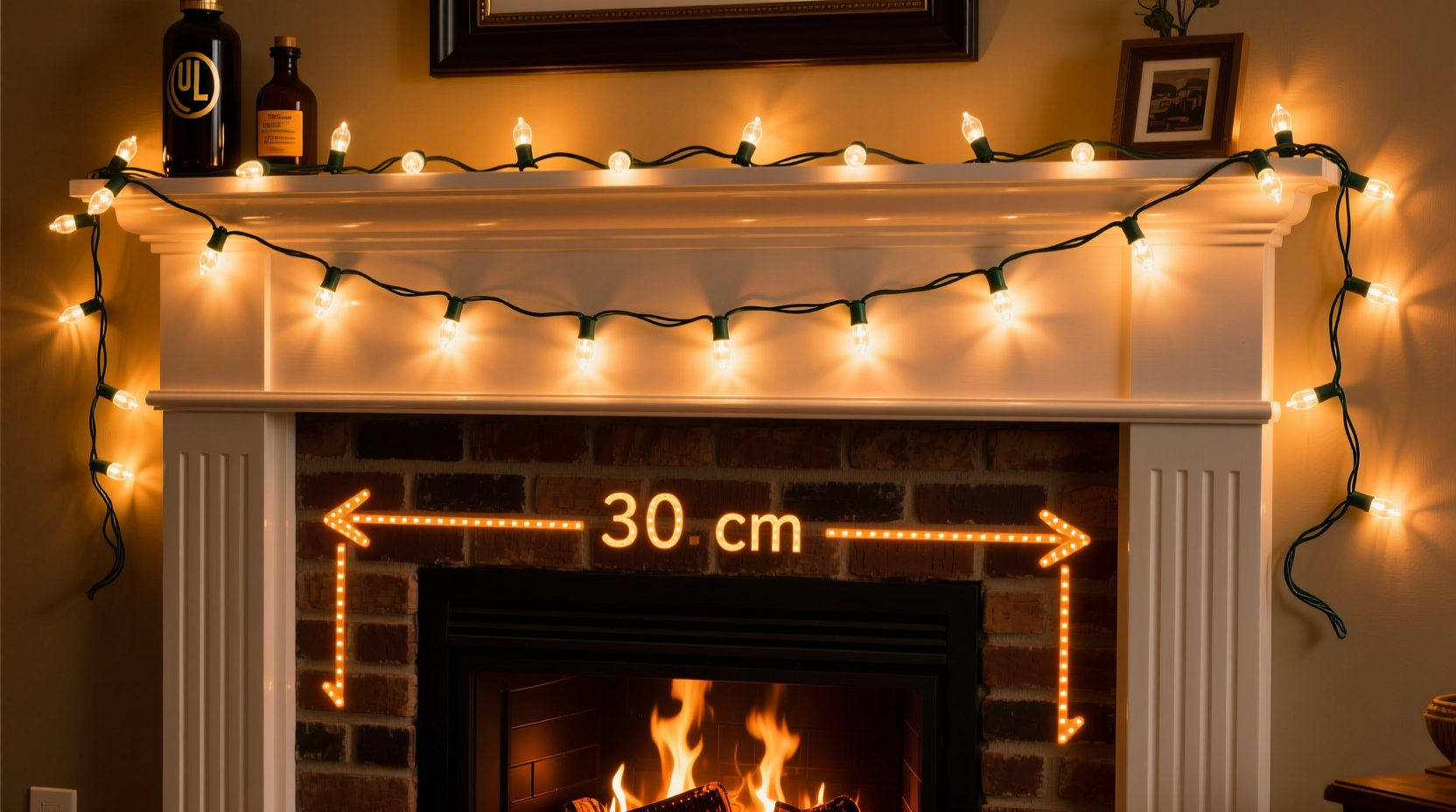
Gas fireplaces are designed to be efficient heating sources, often operating between 300°F and 700°F (149°C–371°C) at the front glass and surrounding surfaces. While modern units include safety features like automatic shutoffs and tempered glass fronts, radiant heat still disperses upward and outward—particularly toward the mantel and wall area above.
The mantel itself, even if made from non-combustible materials like stone or metal, can become a heat reservoir over time. Wood mantels may not ignite immediately, but prolonged exposure to temperatures above 200°F can cause warping, charring, or smoldering—especially if nearby objects trap heat.
String lights, particularly incandescent types, generate their own heat. Even LED versions, while cooler, still produce some thermal output and contain plastic insulation, wiring, and connectors that degrade under sustained high temperatures.
“Any electrical decoration placed within 3 feet of a heat source should be evaluated for temperature resistance and compliance with local fire codes.” — James Rutherford, Certified Fire Safety Inspector, NFPA Level II
Risks of Hanging String Lights Near a Gas Fireplace
Several interrelated risks emerge when combining decorative lighting with an active gas fireplace:
- Fire hazard: Overheated wires or connectors can melt insulation, short-circuit, or ignite nearby flammable materials such as wood trim, fabric garlands, or paper decorations.
- Material degradation: Plastic housings on lights, plugs, and wire coatings begin softening at temperatures as low as 160°F—well within the range emitted by radiant heat above a running fireplace.
- Electrical failure: Thermal stress can weaken solder joints and connections, increasing the risk of flickering, overheating, or intermittent power loss.
- Voided warranties: Both fireplace and lighting manufacturers often void warranties if accessories are installed too close to heat sources, especially in violation of clearance guidelines.
In one documented case, a homeowner in Colorado reported minor smoke damage after leaving incandescent string lights draped over a wooden mantel during a 10-hour holiday gathering. The lights were positioned just 10 inches above the fireplace opening. Though no flames occurred, post-inspection revealed melted wire sheathing and compromised plug integrity—clear signs of excessive thermal exposure.
Mini Case Study: A Holiday Incident in Denver
A family in Denver decorated their living room with traditional warm-white string lights looped across a reclaimed wood mantel. They used standard C7 incandescent bulbs spaced every 12 inches, connected via a single strand plugged into an outlet behind the TV stand. During a weekend snowstorm, they operated the gas fireplace nearly continuously for 36 hours.
On the second evening, they noticed a faint burning smell. Investigation revealed that the central section of lights—directly above the fireplace’s upper vent—had darkened and warped. The plastic coating had bubbled, and two bulbs had burst. Fortunately, the circuit tripped before ignition occurred.
An electrician later confirmed that radiant heat, amplified by poor airflow behind the TV console, caused localized temperatures exceeding 220°F. The lights were replaced with UL-listed, low-heat LED rope lights mounted 18 inches higher, with added aluminum heat shielding.
Safety Guidelines and Clearance Standards
National and international safety organizations provide clear recommendations for combustible clearances around gas appliances. While these typically focus on construction materials, they offer valuable insight for accessory placement.
| Organization | Recommended Clearance Above Fireplace | Notes |
|---|---|---|
| NFPA 54 (National Fuel Gas Code) | Minimum 12 inches to combustibles | Applies to framing, shelves, and built-ins; extends to attached decor |
| UL 127 (Gas-Fired Decorative Appliances) | Follow manufacturer specifications | Most require 18+ inches for wood mantels; varies by model |
| Consumer Product Safety Commission (CPSC) | No specific distance, but advises keeping flammables away | Recommends using LED lights and avoiding daisy-chaining |
These standards suggest that anything flammable—including plastic-coated wires, adhesive clips, or fabric-wrapped cords—should be treated like wood trim: kept well outside the thermal envelope of the appliance.
Choosing the Right Type of String Lights
Not all string lights are created equal. For use near heat sources, selection matters significantly:
- LED vs. Incandescent: LED lights emit far less heat (typically 20–30% of incandescent) and are strongly recommended for proximity to fireplaces.
- Insulation rating: Look for lights labeled “outdoor-rated” or “high-temp resistant,” which often use thicker PVC or rubberized jackets that withstand up to 90°C (194°F).
- Plug and transformer location: Position power adapters and junction boxes away from direct heat. Never tuck them behind electronics or into enclosed spaces above the fireplace.
- UL Certification: Only use lights certified by Underwriters Laboratories (UL) or ETL. Avoid dollar-store or unbranded strands lacking safety testing.
“LED technology has dramatically improved decorative lighting safety, but placement remains critical. Just because it’s cool to the touch doesn’t mean it belongs over a heat source.” — Dr. Lena Torres, Electrical Safety Researcher, UL Labs
Step-by-Step Guide: How to Safely Install String Lights Near a Gas Fireplace
If you choose to install string lights near your gas fireplace, follow this sequence to minimize risk—especially for extended or frequent use:
- Measure the heat zone: Run the fireplace at full output for one hour. Use an infrared thermometer to check surface temperatures at various heights above the mantel. Mark areas exceeding 100°F as high-risk zones.
- Select LED-only lights: Choose UL-listed, low-voltage LED string or rope lights rated for indoor/outdoor use. Avoid incandescent, halogen, or vintage-style bulbs.
- Determine safe mounting height: Install lights at least 18 inches above the fireplace opening. If heat readings remain high at that level, increase to 24 inches or consider side-wall mounting instead.
- Use non-combustible fasteners: Attach lights with metal clips, tension wires, or adhesive mounts rated for high temperatures (e.g., silicone-based). Avoid tape, push pins, or staples that can damage wires.
- Route cords safely: Keep cords away from sharp edges, furniture legs, and foot traffic. Use cord covers if necessary, but ensure they don’t trap heat.
- Test before extended use: Operate the lights with the fireplace running for 2–3 hours. Monitor for discoloration, odor, or warmth in the wiring.
- Limit runtime: Avoid leaving lights on overnight or unattended. Use a timer to shut them off after 6–8 hours, aligning with typical fireplace usage patterns.
Checklist: Safe String Light Installation Near Gas Fireplaces
- ✅ Verified fireplace surface temps above mantel (using IR thermometer)
- ✅ Chose UL-listed LED string lights (no incandescent)
- ✅ Mounted lights at least 18 inches above fireplace opening
- ✅ Used heat-resistant fasteners (metal clips or high-temp adhesive)
- ✅ Kept power adapter and cords away from heat and foot traffic
- ✅ Installed timer or smart plug to limit runtime
- ✅ Tested system with fireplace running before full deployment
- ✅ Read both fireplace and light manufacturer’s clearance instructions
Frequently Asked Questions
Can I use battery-powered string lights near a gas fireplace?
Yes, battery-powered LED string lights eliminate electrical wiring risks and generate minimal heat, making them safer than plug-in versions. However, batteries themselves can leak or overheat if exposed to sustained high temperatures. Ensure the battery pack is mounted outside the heat plume—ideally below room temperature levels—and inspect regularly for corrosion.
Are flameless candles with string lights safe above a mantel?
Flameless candles that are part of a string light set pose similar risks if the wiring runs through high-heat zones. While the “flames” are LED-based and safe, the connecting wires and power sources must still comply with clearance rules. Opt for standalone, battery-operated flameless candles instead, and place them on the mantel surface—not suspended above it.
Do electric fireplaces have the same restrictions?
Electric fireplaces generally produce less radiant heat than gas models, especially at the front glass. However, many still emit significant heat from internal fans and vents located at the top or sides. Maintain at least 12 inches of clearance above electric units, and always refer to the user manual for specific guidelines.
Conclusion: Balance Beauty and Safety
Decorating around a gas fireplace can elevate your home’s ambiance, but safety must never be sacrificed for aesthetics. Extended use of string lights in proximity to heat sources demands careful planning, appropriate materials, and ongoing vigilance. By choosing LED lighting, respecting clearance distances, and monitoring thermal conditions, you can enjoy festive displays without compromising household safety.
Every season brings new decorating ideas, but lasting peace of mind comes from informed decisions. Re-evaluate your setup each year—especially if switching bulb types or changing fireplace usage patterns. When in doubt, consult a licensed electrician or fireplace technician before installation.




 浙公网安备
33010002000092号
浙公网安备
33010002000092号 浙B2-20120091-4
Comments
No comments yet. Why don't you start the discussion?