
The glow of a beautifully lit Christmas tree is one of the most cherished symbols of the holiday season. But as families gather and festivities unfold, a common question arises: can you safely leave those twinkling lights on while everyone sleeps? The answer isn’t always straightforward—and for good reason. According to the National Fire Protection Association (NFPA), U.S. fire departments respond to an average of 200 home fires each year that start with Christmas trees. Many of these incidents are linked to electrical failures or decorative lighting left unattended.
While modern LED lights and improved safety standards have reduced risks, leaving Christmas tree lights on overnight still poses potential hazards—especially when combined with dry trees, overloaded circuits, or damaged wiring. This article dives into real-world fire department guidelines, actionable prevention strategies, and expert-backed recommendations to help you enjoy a festive and safe holiday season.
Understanding the Risks: Why Tree Lights Can Be Dangerous
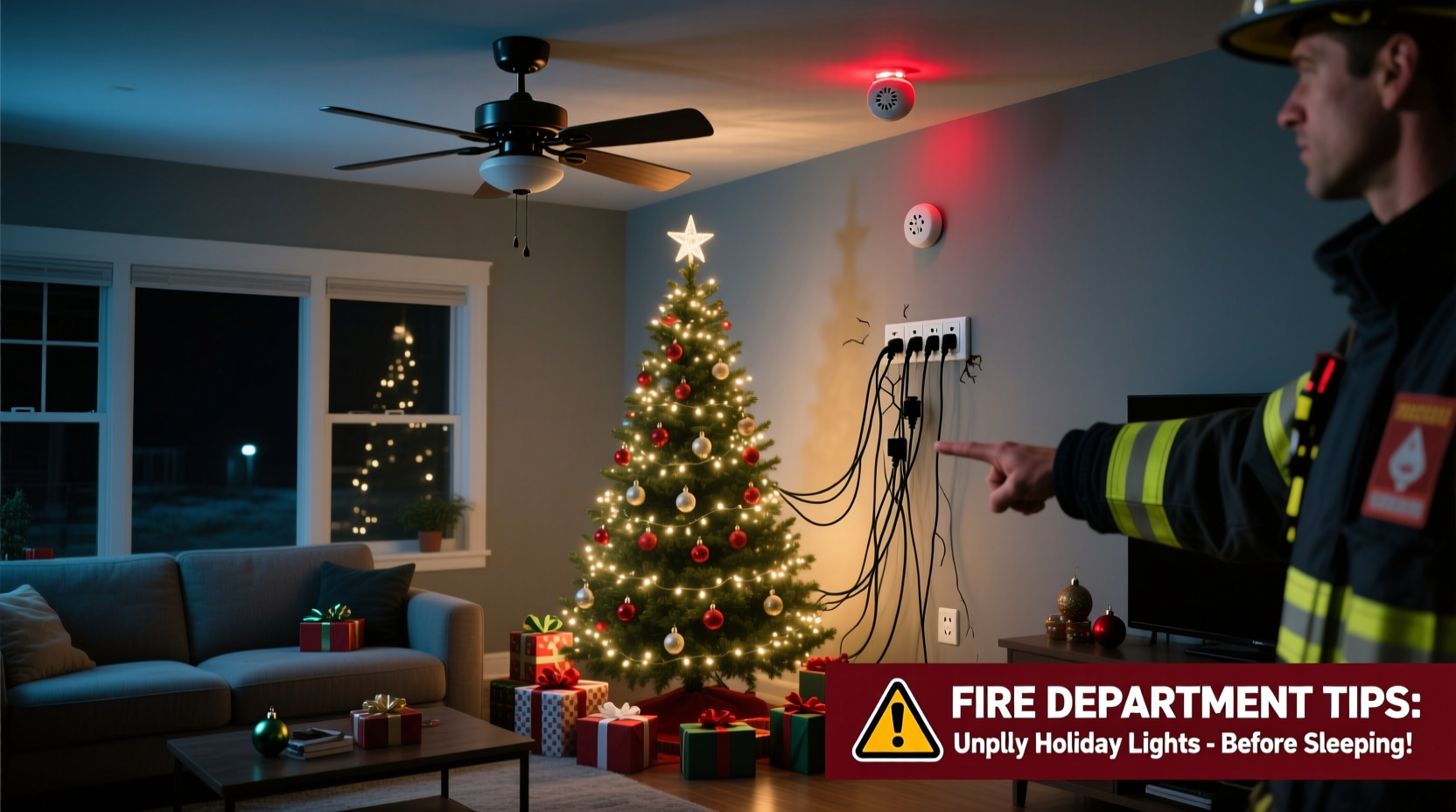
Christmas tree fires may seem rare, but their consequences can be devastating. A dry evergreen can go from smoldering to fully engulfed in flames in under 30 seconds. The combination of flammable materials, heat sources, and electricity creates a perfect storm for disaster—particularly when no one is awake to notice early warning signs like smoke or flickering lights.
Electrical malfunctions are the leading cause of Christmas tree fires. These include:
- Frayed or damaged light cords
- Overloaded power strips or outlets
- Poorly manufactured or non-certified lighting products
- Improper installation (e.g., nails piercing wires)
Even lights marketed as “cool-burning” or “LED-safe” can overheat if connected to faulty circuits or used beyond manufacturer recommendations. And once a fire starts in a living room or near curtains, it spreads rapidly—often before smoke detectors sound.
“Leaving holiday lights on overnight, especially on a dry tree, significantly increases fire risk. We strongly recommend turning them off before bedtime or using timers.” — Captain Linda Ruiz, Phoenix Fire Department Public Safety Division
Fire Department Guidelines: What Experts Recommend
Across the United States, fire departments issue consistent warnings during the holiday season. Their guidance is based on decades of incident data and post-fire investigations. Here are the top recommendations from fire safety professionals:
- Turn off tree lights when leaving the house or going to sleep. This simple step eliminates the primary ignition source during vulnerable hours.
- Inspect all lights before use. Look for cracked sockets, frayed wires, or loose connections. Discard any set showing signs of wear.
- Use only UL-listed lighting products. Underwriters Laboratories certification ensures the product meets rigorous electrical safety standards.
- Don’t overload outlets or extension cords. Plug no more than three light sets into a single outlet or power strip.
- Keep the tree hydrated. A fresh-cut tree should be watered daily. Dry trees ignite faster and burn hotter.
Step-by-Step Guide to Safe Holiday Lighting
Following a structured routine helps ensure every aspect of your display meets safety standards. Use this timeline to prepare, maintain, and monitor your Christmas tree lights throughout the season.
- Week 1: Inspect and Test Lights (Before Installation)
Unpack each string of lights and check for visible damage. Plug them in one at a time to test functionality. Discard any that flicker, dim intermittently, or show exposed wires. - Week 2: Install Safely
Use insulated hooks instead of staples or nails. Avoid pinching cords between furniture or doors. Keep cords away from high-traffic areas to prevent tripping and wire strain. - Day of Tree Setup: Water Immediately
Place the tree in a stand with a large water reservoir. A typical six-foot tree can drink over a quart of water per day initially. Check water levels twice daily. - Daily Routine: Monitor and Maintain
Touch the bulbs and cords briefly to detect unusual warmth. Warmth indicates resistance or overload. Also, look for sagging branches or leaning stands. - Nightly Habit: Power Down
Whether manually switching off or using a timer, ensure lights are off by midnight—or earlier if the house will be unoccupied. - Last Week of December: Dismantle Early
Once needles begin dropping easily or the trunk feels brittle, it’s time to take down the tree—even if it’s before New Year’s. A dried-out tree is a fire hazard regardless of light type.
Do’s and Don’ts: Holiday Lighting Safety Table
| Do | Don’t |
|---|---|
| Use UL-certified lights and extension cords | Use lights with cracked sockets or exposed wires |
| Plug lights into a timer set to turn off at night | Leave lights on while sleeping or away from home |
| Water your tree daily | Place the tree near heat sources like radiators or fireplaces |
| Limit three light strings per outlet | Daisy-chain more than three sets together |
| Install smoke detectors on every level of the home | Ignore chirping detectors or expired batteries |
Real Example: A Close Call in Denver
In December 2022, a family in Denver narrowly avoided tragedy when their Christmas tree caught fire around 2:30 a.m. The homeowners had left LED lights on overnight, assuming they were safe. However, one strand had been damaged during setup and was generating excess heat. By morning, the base of the tree had begun to smolder.
Luckily, their upstairs smoke detector activated, waking the parents. They discovered smoke rising from the tree stand and extinguished the small flame with a fire extinguisher. An investigation revealed that the tree had not been watered in nearly a week and had become highly flammable. The fire department credited both the working smoke alarm and prompt response with preventing a fatal outcome.
This case underscores two critical points: even LED lights can pose risks under poor conditions, and early detection saves lives.
Practical Checklist: Keep Your Home Safe This Holiday Season
Use this printable-style checklist to ensure your Christmas tree display remains festive and fire-safe:
- ☐ Inspect all light strings for damage before installation
- ☐ Confirm lights are UL-listed or ETL-certified
- ☐ Use a sturdy tree stand with a large water reservoir
- ☐ Place the tree at least three feet from heaters, fireplaces, and candles
- ☐ Install or test smoke alarms on every floor, especially near bedrooms
- ☐ Plug tree lights into a heavy-duty power strip with surge protection
- ☐ Limit to three light strands connected end-to-end
- ☐ Set a timer to turn lights off between 11 p.m. and 7 a.m.
- ☐ Check water levels in the tree stand twice daily
- ☐ Remove the tree from the home within one week of Christmas if it shows signs of drying
Frequently Asked Questions
Are LED Christmas lights safer than incandescent ones?
Yes, LED lights are generally safer because they produce less heat, consume less energy, and are more durable. However, they are not risk-free. Damaged wiring, poor circuit design, or incompatible transformers can still lead to overheating. Always follow manufacturer instructions and inspect LEDs just as you would older-style bulbs.
Can I leave Christmas lights on while I’m at work during the day?
It’s not recommended—especially if the house will be unoccupied for several hours. While brief periods (e.g., a few hours) may be acceptable with a healthy tree and proper setup, the absence of anyone to respond to early signs of trouble increases danger. If you must leave lights on, ensure the tree is freshly watered, the circuit is not overloaded, and smoke detectors are functional. Better yet, use a timer to limit operation to peak viewing hours.
How long can I keep my real Christmas tree up safely?
A real tree typically remains safe for about four weeks if properly cared for. After that, moisture loss accelerates, increasing flammability. As a rule, if more than a handful of needles fall when you tap the tree, or if the trunk feels dry and brittle, remove it immediately. Many cities offer curbside pickup or recycling programs in early January.
Conclusion: Celebrate Safely, Not Riskily
The holiday season should be filled with joy, warmth, and lasting memories—not emergency calls or preventable disasters. Leaving Christmas tree lights on overnight might seem harmless, but fire departments across the country warn against it for good reason. With a little planning, daily attention, and adherence to expert guidelines, you can enjoy a radiant display without compromising safety.
Start tonight: unplug the lights before bed, check your tree’s water level, and verify your smoke detectors are working. Small actions today can prevent catastrophe tomorrow. Share these tips with friends and family to spread awareness and protect more homes this season.




 浙公网安备
33010002000092号
浙公网安备
33010002000092号 浙B2-20120091-4
Comments
No comments yet. Why don't you start the discussion?