
Reusing Ziplock bags is a common practice in many households aiming to reduce waste and save money. With growing awareness about sustainability, more people are asking: can you safely reuse these plastic bags for food storage without risking contamination or chemical exposure? The answer isn’t a simple yes or no—it depends on how the bags are used, cleaned, and what they originally contained.
While manufacturers like Ziploc state that their products are designed for single use, many consumers successfully reuse them under specific conditions. Understanding the science behind plastic degradation, microbial growth, and proper cleaning techniques is essential to making informed decisions about reusing these everyday items.
Understanding Ziplock Bag Materials
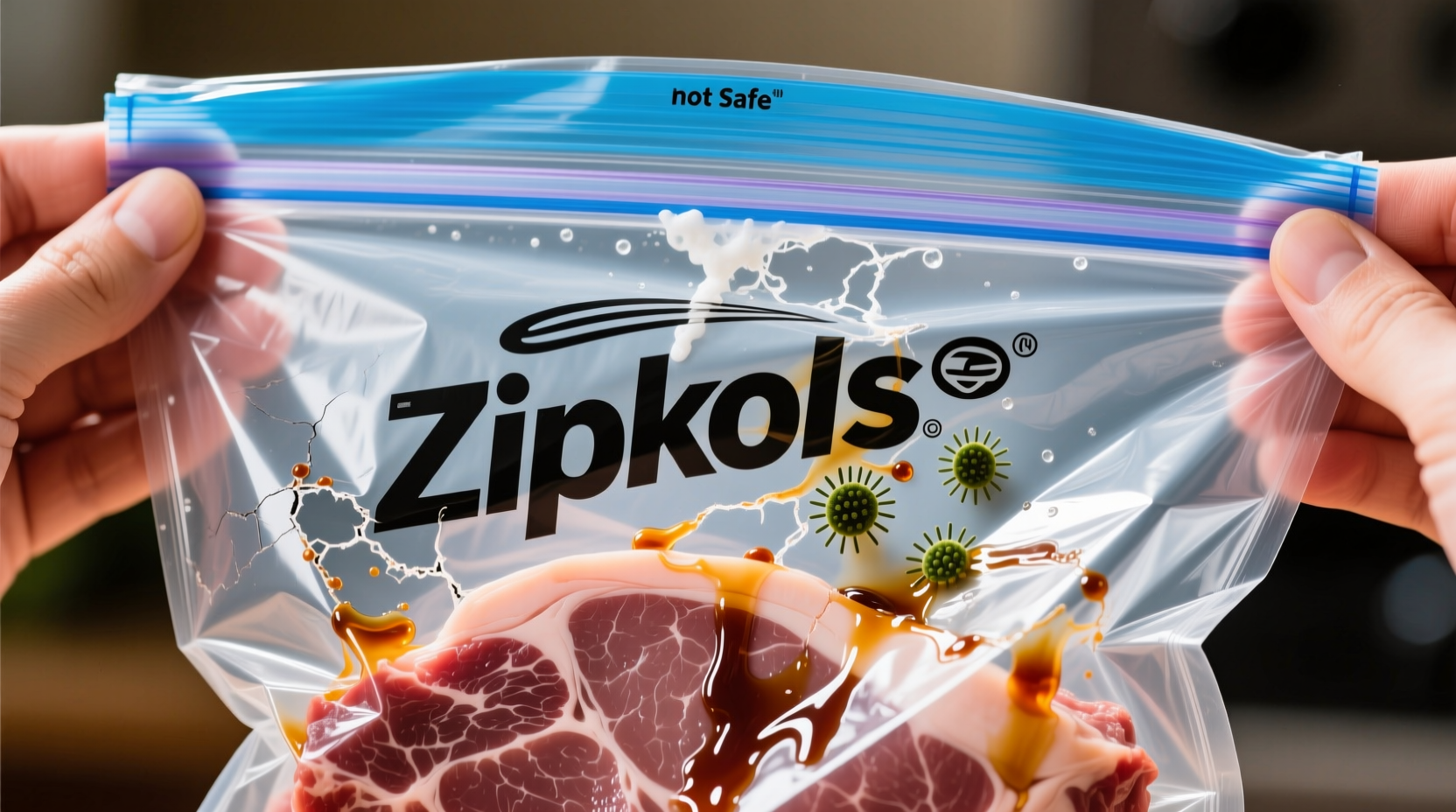
Most Ziplock-style bags are made from low-density polyethylene (LDPE), a flexible and durable plastic commonly labeled as #4 recycling code. LDPE is considered one of the safer plastics for food contact because it doesn’t contain bisphenol A (BPA) or phthalates, which are chemicals linked to health concerns.
However, even safe materials have limitations. Repeated use exposes the plastic to physical stress, heat, and moisture, which can compromise its integrity over time. Microscopic cracks and scratches can form along the seams and zipper tracks—ideal hiding spots for bacteria and mold. These imperfections aren't always visible but can harbor pathogens if not cleaned properly.
The U.S. Food and Drug Administration (FDA) regulates food-contact plastics and considers LDPE safe under normal conditions. But repeated washing, especially with hot water or abrasive scrubbing, may accelerate wear and potentially lead to leaching—though evidence of harmful levels under typical home use remains limited.
“Plastics like LDPE are stable under most household conditions, but repeated thermal and mechanical stress increases the risk of microfractures and bacterial retention.” — Dr. Lena Patel, Food Safety Scientist at Cornell University
When Reuse Is Acceptable (and When It’s Not)
Not all foods pose the same risks when stored in reusable bags. High-moisture, protein-rich, or acidic foods create environments where bacteria multiply quickly and residues are harder to remove. Dry, non-perishable items present far less risk.
Consider the original contents of the bag before deciding to reuse it:
- Safe to Reuse: Bags that held crackers, cereal, dry pasta, or frozen fruits/vegetables (if washed promptly).
- Avoid Reusing: Bags that contained raw meat, fish, eggs, greasy takeout, or dairy products due to cross-contamination risks.
- Never Reuse: Bags that were used for microwaving, boiling, or storing hot foods—heat weakens plastic structure.
Even seemingly clean bags that once held oily foods may retain invisible lipid residues that degrade plastic over time and promote bacterial adhesion. These films are difficult to fully remove with hand washing alone.
Step-by-Step Guide to Safely Reusing Ziplock Bags
If you choose to reuse Ziplock bags, follow this detailed process to minimize health risks and extend usability:
- Empty Immediately: After use, empty any remaining contents right away. Delayed cleaning encourages bacterial growth.
- Rinse Thoroughly: Turn the bag inside out under warm running water. Use a soft bottle brush to reach corners and the zipper track.
- Wash with Mild Soap: Apply a small amount of fragrance-free dish soap. Avoid harsh detergents or bleach, which can degrade plastic.
- Air-Dry Completely: Hang upside down or prop open with a spoon to ensure full drying. Moisture trapped inside promotes mold.
- Inspect Before Reuse: Check for cloudiness, lingering odors, warping, or damage to the seal. Discard if any defects are found.
- Limited Reuse Cycle: Reuse no more than 3–5 times, depending on condition. More frequent use increases contamination risk.
Dishwashing is not recommended. While some users place bags on the top rack, the high heat and powerful jets can warp seals and embed food particles deeper into crevices.
Do’s and Don’ts of Reusing Plastic Storage Bags
| Do’s | Don’ts |
|---|---|
| Use only for dry or frozen foods after cleaning | Reuse bags that held raw meat or oily foods |
| Wash by hand with gentle soap and brush | Put in dishwasher or microwave after reuse |
| Dry completely before storing or refilling | Store damp bags—they encourage mold growth |
| Limit reuse to 3–5 cycles max | Use visibly cracked, cloudy, or smelly bags |
| Label reused bags to track usage | Assume all plastic is equally safe for long-term reuse |
Real Example: A Busy Parent’s Experience
Sarah M., a mother of three in Portland, Oregon, has reused Ziplock bags for over five years as part of her zero-waste kitchen strategy. She uses separate sets for different purposes: one batch for freezing homemade soups, another for packing school snacks, and a third for dry pantry items.
Her system includes color-coded labels and a strict cleaning routine. “I realized early on that not all bags are equal,” she says. “I learned the hard way when a bag that held chicken broth developed a sour smell after two uses. Now I only reuse bags that had vegetables or grains, and I retire them after four washes.”
She stores cleaned bags upright in a designated bin and inspects each one before reuse. “It takes an extra minute, but knowing my family isn’t exposed to hidden bacteria makes it worth it.” Her approach reflects a practical balance between sustainability and safety.
Alternatives to Reusing Disposable Bags
For those seeking a safer, longer-term solution, several eco-friendly alternatives exist:
- Reusable Silicone Bags: Brands like Stasher or ZipTop offer dishwasher-safe, freezer-safe, and microwave-safe options that last for years.
- Glass Containers with Lids: Ideal for fridge and pantry storage; inert material prevents odor absorption and chemical leaching.
- Beeswax Wraps: Great for covering bowls or wrapping sandwiches, though not suitable for liquids.
- Stainless Steel Tiffins: Durable, non-reactive, and perfect for meal prep or packed lunches.
While these options require a higher upfront investment, they eliminate the guesswork around reuse safety and significantly reduce plastic waste over time.
Frequently Asked Questions
Can I sanitize Ziplock bags with vinegar or bleach?
Vinegar is mildly effective but may not kill all pathogens. Diluted bleach (1 tsp per quart of water) can sanitize, but rinsing must be thorough to avoid chemical residue. Even then, porous plastic can trap contaminants. For high-risk applications, sanitizing isn’t enough—replacement is safer.
How can I tell if a Ziplock bag is too worn to reuse?
Look for signs like cloudiness, stiffness, lingering odors, difficulty sealing, or visible scratches. If the bag doesn’t lie flat or feels brittle, it’s time to discard it. Trust your senses: if something seems off, it probably is.
Are \"freezer-grade\" Ziplock bags safer to reuse?
Freezer bags are thicker and more puncture-resistant, which may improve durability during washing. However, they’re still made from the same base material (LDPE) and subject to the same risks of bacterial retention and degradation. Extra thickness doesn’t make them immune to wear.
Expert Insight on Long-Term Reuse
“The convenience of reusing plastic bags comes with trade-offs. While occasional reuse under strict hygiene conditions is low-risk, consistent long-term reuse without professional-grade sanitation increases the chance of microbial buildup—especially in homes with young children or immunocompromised individuals.” — Dr. Alan Tran, Environmental Health Researcher, Johns Hopkins Bloomberg School of Public Health
This perspective underscores the importance of context. A healthy adult in a low-risk household might tolerate minor lapses, but families with vulnerable members should prioritize caution.
Checklist: Safe Reuse Protocol for Ziplock Bags
Follow this checklist every time you consider reusing a plastic storage bag:
- ☐ Was the original content non-perishable, dry, or frozen produce?
- ☐ Was the bag rinsed immediately after use?
- ☐ Has it been washed with mild soap and a brush?
- ☐ Is it completely dry before reuse?
- ☐ Does it seal tightly with no gaps or resistance?
- ☐ Are there no odors, discoloration, or texture changes?
- ☐ Has it been reused fewer than five times?
If you answered “no” to any of these, the bag should be discarded.
Conclusion: Balancing Safety, Sustainability, and Practicality
Reusing Ziplock bags can be done safely—but only under strict conditions and with careful judgment. The key lies in recognizing their limitations: they are not designed for repeated use, and each wash cycle increases the risk of unseen damage and contamination.
For low-risk foods and diligent users, moderate reuse with proper cleaning offers a reasonable compromise between environmental responsibility and food safety. However, for high-risk applications or those seeking peace of mind, switching to dedicated reusable containers is the smarter long-term choice.




 浙公网安备
33010002000092号
浙公网安备
33010002000092号 浙B2-20120091-4
Comments
No comments yet. Why don't you start the discussion?