
Birds are among the most sensitive pets when it comes to airborne substances. Their highly efficient respiratory systems, designed for flight, make them exceptionally vulnerable to environmental toxins—including essential oils. While aromatherapy is widely embraced in human wellness, its use around birds requires extreme caution. Many essential oils release volatile organic compounds (VOCs) that can cause respiratory distress, neurological damage, or even sudden death in birds. This article explores the risks, identifies dangerous oils, and provides practical guidance for pet owners who want to enjoy aromatherapy without endangering their avian companions.
Why Birds Are So Vulnerable to Essential Oils
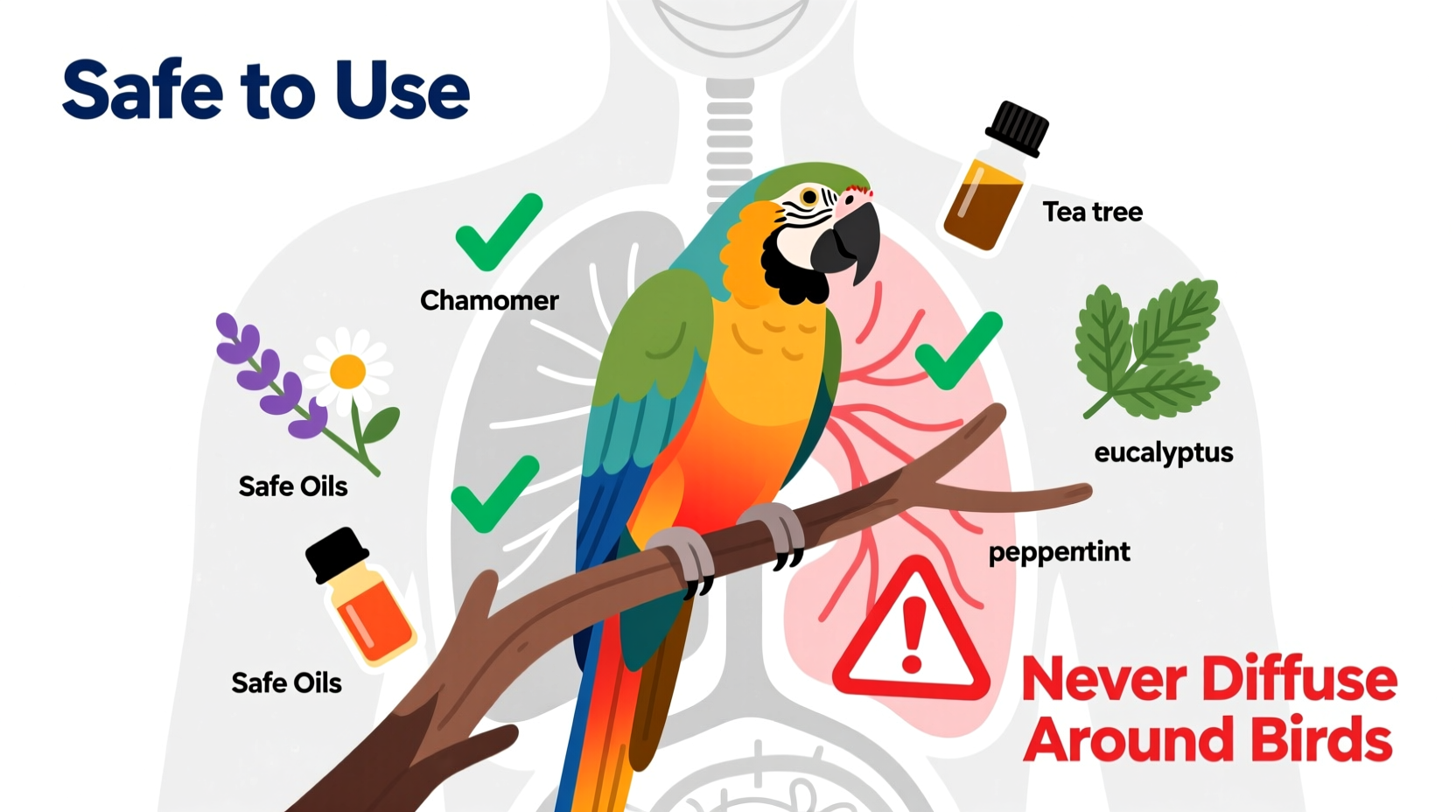
Birds have one of the most advanced respiratory systems in the animal kingdom. Unlike mammals, they possess air sacs and a unidirectional airflow system that allows for maximum oxygen extraction—ideal for high-energy flight but dangerously efficient at absorbing airborne particles. When essential oil droplets are diffused into the air, they become aerosolized and easily inhaled deep into a bird’s lungs and air sacs. Even low concentrations can accumulate rapidly, leading to irritation, inflammation, or chemical pneumonia.
Additionally, birds lack a diaphragm and rely on chest and abdominal muscles to breathe, making them less able to cough or clear irritants. Their small size and high metabolic rate further increase their sensitivity. A substance that may seem mildly irritating to humans can be fatal to a parakeet or cockatiel within minutes.
“Birds’ respiratory tracts are directly connected to their circulatory system, meaning inhaled toxins enter the bloodstream almost instantly.” — Dr. Laurie Hess, Avian Veterinarian & Director, Veterinary Centers of America (VCA)
Dangerous Essential Oils: Which Ones to Never Diffuse Around Birds
Certain essential oils contain phenols, terpenes, and ketones—compounds known to be toxic when inhaled by birds. These chemicals can trigger oxidative stress in delicate lung tissues, suppress immune function, or act as neurotoxins. The following oils should **never** be used in homes with pet birds, especially in diffusers:
- Eucalyptus – Contains cineole, a potent respiratory irritant.
- Tea Tree (Melaleuca) – Known to cause neurological symptoms and liver damage.
- Pine – High in turpentine-like compounds that inflame airways.
- Peppermint – Menthol can induce bronchoconstriction and breathing difficulty.
- Thyme – Rich in thymol, a strong antiseptic that damages mucous membranes.
- Oregano – Highly concentrated phenols make it extremely toxic.
- Cinnamon – Cinnamaldehyde is corrosive to respiratory tissues.
- Clove – Eugenol content can lead to rapid respiratory failure.
- Lemon, Lime, Orange, and other citrus oils – Limonene and other terpenes are volatile and irritating.
- Wintergreen – Methyl salicylate is related to aspirin and toxic to birds.
Safer Alternatives and Risk-Reducing Practices
While no essential oil is 100% safe around birds, some pose lower risks when used with extreme caution. However, even \"milder\" oils like lavender or chamomile can be harmful if overused or improperly dispersed. The safest approach is complete avoidance—but if you must use aromatherapy, consider these strategies:
- Use only personal application methods – Apply diluted oils to your own skin (e.g., wrists or feet), far from the bird’s environment.
- Choose non-aerosol options – Scented candles, incense, and reed diffusers are equally dangerous. Avoid all airborne fragrance sources.
- Ventilate rigorously – If you diffuse, do so in a separate, sealed room with strong ventilation and return only after several hours.
- Monitor your bird closely – Signs of distress include tail bobbing, labored breathing, sneezing, lethargy, or fluffed feathers.
- Consult an avian vet – Before introducing any new product near your bird, get professional input tailored to your species.
Natural, non-toxic alternatives to essential oils include:
- Fresh herbs like rosemary or mint (placed out of reach)
- Open windows for natural ventilation
- Baking soda or activated charcoal for odor control
- Houseplants that purify air (e.g., spider plant, peace lily)
Essential Oil Safety Checklist for Bird Owners
📋 Essential Oil Safety Checklist- ✅ I have researched the toxicity of each essential oil before use.
- ✅ I avoid diffusing any essential oils in rooms occupied by birds.
- ✅ My diffuser is located in a separate, well-ventilated area, not connected to the bird’s space.
- ✅ I observe my bird for signs of respiratory distress after any scent use.
- ✅ I store essential oils securely away from cages and perches.
- ✅ I use only minimal amounts on myself, avoiding clothing that contacts the bird.
- ✅ I have emergency vet contact information readily available.
Comparison Table: Safe vs. Unsafe Practices with Essential Oils and Birds
| Practice | Risk Level | Explanation |
|---|---|---|
| Using a diffuser in the same room as a bird | 🔴 Extreme Risk | Aerosolized oils are immediately inhaled and can cause acute respiratory failure. |
| Applying diluted oil to skin and entering bird room shortly after | 🟠 High Risk | Oils can off-gas from skin and clothing, exposing birds indirectly. |
| Diffusing in a distant room with closed doors and HVAC off | 🟡 Moderate Risk | Residual particles may still circulate; only acceptable with long wait times. |
| Using fresh herbs for scent instead of oils | 🟢 Low Risk | Natural plant material poses minimal risk if kept out of reach. |
| Wearing essential oil-scented laundry detergent | 🟠 High Risk | Continuous low-level exposure via fabric can cause chronic irritation. |
| Using unscented, bird-safe cleaning products | 🟢 No Risk | Best choice for maintaining a healthy environment. |
Real-Life Example: A Close Call with Eucalyptus Oil
💬 Mini Case Study: Sarah’s WarningSarah, a parrot owner from Portland, began using a eucalyptus oil diffuser in her living room to relieve seasonal allergies. Her 3-year-old green-cheeked conure, Milo, lived in a large cage nearby but had free flight time daily. Within two days, Milo became lethargic and started tail-bobbing while resting—a sign of respiratory effort.
She rushed him to an avian vet, where X-rays revealed early-stage lung inflammation. The veterinarian identified the diffuser as the likely culprit. After removing all scented products and administering supportive care, Milo recovered—but Sarah now keeps her aromatherapy strictly confined to a basement bathroom, used only when Milo is outdoors in his secure aviary.
“I thought ‘natural’ meant safe,” she said. “But for birds, natural doesn’t equal harmless. I’ll never take that risk again.”
Step-by-Step Guide: How to Use Essential Oils Safely in a Home with Birds
🕒 Safe Usage Timeline- Step 1: Assess Your Environment (Before Use)
Confirm that your bird’s cage is in a separate area with no shared airflow. Check HVAC settings—avoid central fans that circulate air throughout the house. - Step 2: Choose a Sealed Room
Select a room with a door that closes tightly and no vents leading to bird areas. Bathrooms or basements often work best. - Step 3: Diffuse Briefly and Sparingly
Run the diffuser for no more than 10–15 minutes. Use only 1–2 drops of a lower-risk oil (e.g., lavender), never blends with citrus or pine. - Step 4: Evacuate the Bird
Move the bird to another building, outdoor enclosure, or trusted location during and after diffusion. - Step 5: Ventilate Thoroughly
Open windows, run exhaust fans, and allow at least 4–6 hours of airing before reintroducing the bird. - Step 6: Clean Surfaces
Wipe down nearby furniture and floors, as essential oils can settle and later volatilize. - Step 7: Monitor for Residual Effects
Watch for subtle signs of stress—even after cleanup—for up to 24 hours.
This protocol minimizes risk but does not eliminate it. The only guaranteed safe method is complete abstinence from diffusing in bird households.
Frequently Asked Questions
Can I ever use lavender oil around my bird?
Lavender is sometimes cited as “milder,” but there is no scientific evidence proving its safety for birds. Inhalation risks remain, especially with prolonged or repeated exposure. Topical use on humans may transfer via clothing or touch. Until veterinary studies confirm safety, assume all essential oils are hazardous.
What if my bird accidentally inhales essential oil vapor?
Immediately remove the bird from the area and provide fresh, cool air. Do not attempt home remedies. Contact an avian veterinarian or emergency clinic right away—even if symptoms seem mild. Early intervention can prevent irreversible damage.
Are “bird-safe” essential oil blends really safe?
No commercially available essential oil blend is proven safe for birds. Claims of “bird-safe” formulations are marketing statements, not backed by veterinary toxicology. Birds’ unique physiology makes them prone to reactions even at micro-doses. Trustworthy avian vets universally recommend avoiding all diffused oils.
Conclusion: Prioritizing Bird Health Over Scent Preferences
The emotional and physical bond between bird owners and their pets is profound. These intelligent, social creatures depend entirely on their caregivers for a safe environment. While essential oils offer therapeutic benefits to humans, their risks to birds far outweigh any potential gains. There is no essential oil diffuser setting, ventilation trick, or “safe” brand that overrides the biological vulnerability of avian respiratory systems.
If you cherish your bird’s health and longevity, the wisest choice is to eliminate diffused essential oils from your home entirely. Opt for non-volatile, natural alternatives that won’t compromise your pet’s breathing. Your bird cannot speak, but its well-being speaks volumes about the choices you make.




 浙公网安备
33010002000092号
浙公网安备
33010002000092号 浙B2-20120091-4
Comments
No comments yet. Why don't you start the discussion?