
Birds are among the most sensitive pets when it comes to airborne substances. Their highly efficient respiratory systems, designed for flight, make them exceptionally vulnerable to environmental pollutants—including essential oils. While these natural extracts are widely praised for their therapeutic benefits in humans, their use in homes with pet birds can pose serious, even fatal, risks. Many bird owners unknowingly expose their animals to toxic compounds through diffusers, scented candles, or cleaning products containing essential oils. Understanding which oils are dangerous, how they affect avian physiology, and what safer alternatives exist is crucial for responsible bird care.
Why Birds Are Uniquely Vulnerable to Essential Oils
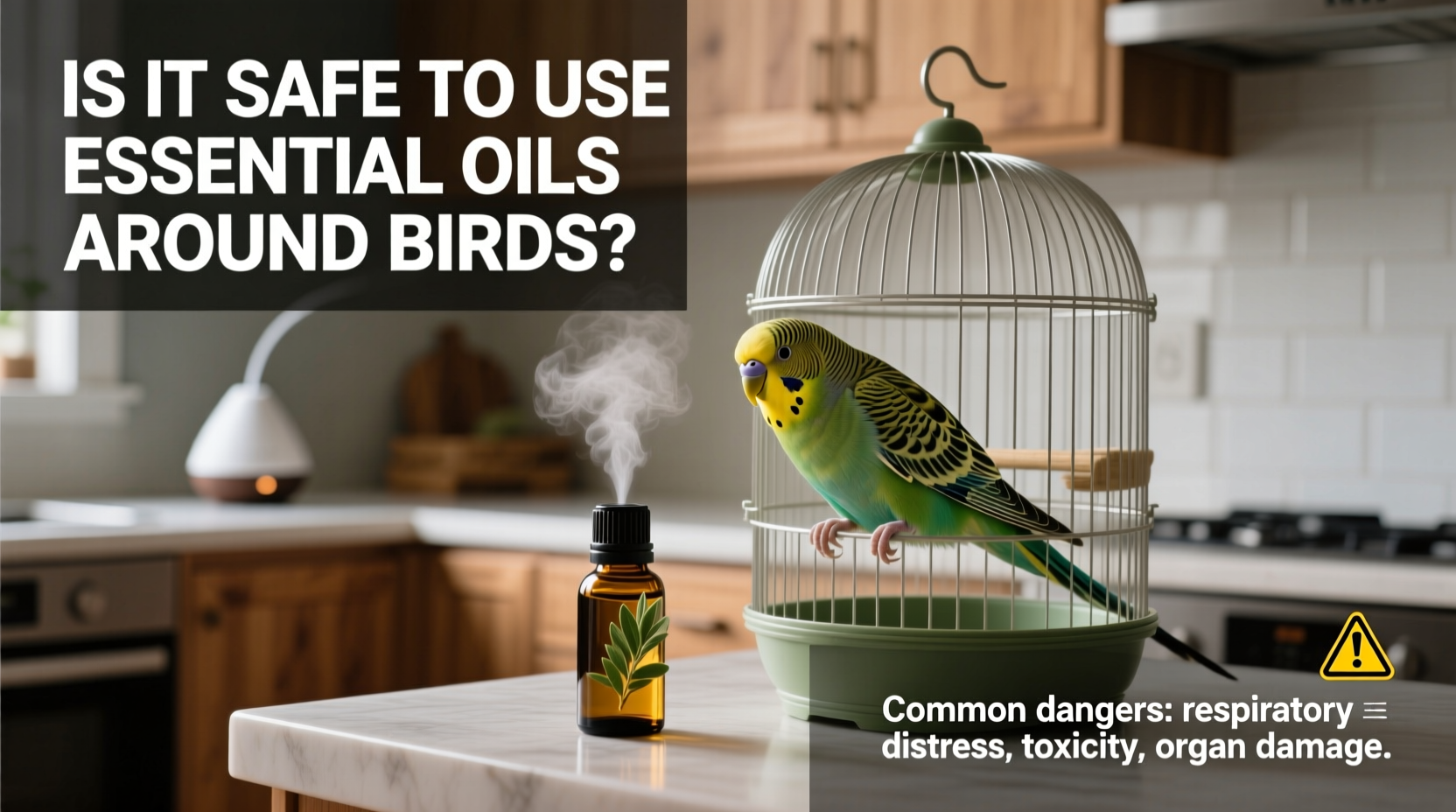
Birds possess one of the most advanced respiratory systems in the animal kingdom. Unlike mammals, birds have rigid lungs connected to a network of air sacs that extend throughout their body, including into their bones. This system ensures maximum oxygen absorption but also means inhaled particles circulate more efficiently—and more dangerously—through their bodies. Because birds lack a diaphragm and rely on continuous airflow, they cannot filter or expel airborne toxins as effectively as humans or other pets.
Additionally, birds breathe at a much faster rate than mammals. A small parakeet, for example, may take 30–40 breaths per minute compared to a human’s 12–20. This increased respiration rate means they inhale larger volumes of air relative to their size, amplifying exposure to volatile organic compounds (VOCs) released by diffused essential oils.
“Birds’ respiratory systems are not only more efficient but also far more fragile. What might be a mild aroma to us can be a lethal dose to them.” — Dr. Laura Jenkins, Avian Veterinarian and Toxicology Specialist
Their high metabolic rate further intensifies the impact of toxins. Chemicals absorbed through the lungs reach vital organs quickly, often overwhelming the liver and kidneys before symptoms even appear. By the time a bird shows signs of distress—such as labored breathing, lethargy, or tail bobbing—it may already be in critical condition.
Common Essential Oils That Are Dangerous to Birds
Not all essential oils are equally harmful, but many commonly used ones contain compounds that are toxic when inhaled or ingested by birds. The danger lies not just in the oil itself but in its concentration, method of dispersal, and duration of exposure. Even \"natural\" or \"therapeutic-grade\" oils can be deadly when aerosolized in an enclosed space.
Some of the most hazardous essential oils for birds include:
- Eucalyptus – Contains cineole, which can cause respiratory paralysis.
- Tea Tree (Melaleuca) – Known to induce neurological symptoms and liver damage.
- Pine – Releases phenols and terpenes that irritate delicate lung tissues.
- Cinnamon – Highly irritating; can trigger acute respiratory distress.
- Clove – Contains eugenol, a potent compound linked to sudden death in birds.
- Peppermint – Can suppress respiration and lead to hypothermia.
- Lemon, Lime, and other citrus oils – High in d-limonene, which is hepatotoxic.
- Thyme and Oregano – Extremely potent; even small amounts can be fatal.
Dangers of Diffusion Methods
The way essential oils are dispersed plays a major role in their risk level. Common household devices like ultrasonic diffusers, nebulizers, and plug-in aromatherapy units release microscopic oil particles into the air, where they remain suspended for hours. Birds inhale these particles directly into their air sacs, leading to rapid absorption.
Even indirect exposure—such as using a diffuser in another room or wearing oil-infused jewelry—can be harmful if ventilation is poor. Air currents, open doors, and HVAC systems can carry vaporized oils into areas where birds live.
Topical applications are also risky. If a bird preens a person who has applied essential oils to their skin or clothing, it can ingest concentrated chemicals. Similarly, cages cleaned with oil-based solutions may retain residues that off-gas over time.
| Diffusion Method | Risk Level for Birds | Notes |
|---|---|---|
| Ultrasonic Diffuser | High | Creates fine mist that lingers in air; especially dangerous in small rooms. |
| Nebulizing Diffuser | Very High | Releases pure oil without water; highest concentration of airborne particles. |
| Reed Diffusers | Moderate | Slower release, but still emits VOCs continuously. |
| Spray Bottles | High | Direct inhalation risk; avoid near cages or perches. |
| Candles & Wax Warmers | High | Combines heat with fragrance; produces additional soot and fumes. |
Recognizing Signs of Essential Oil Toxicity
Birds are masters at hiding illness, a survival instinct inherited from the wild. By the time symptoms become visible, poisoning may already be advanced. Early detection is key to improving survival chances.
Common signs of essential oil exposure include:
- Rapid or labored breathing
- Tail bobbing (a sign of respiratory effort)
- Sneezing or wheezing
- Lethargy or reluctance to move
- Loss of appetite
- Vomiting or regurgitation
- Neurological symptoms: tremors, seizures, or imbalance
- Sudden death (in severe cases)
If you suspect your bird has been exposed to essential oils, act immediately. Remove the source of the oil, ventilate the area thoroughly, and contact an avian veterinarian without delay. Do not attempt home remedies unless directed by a professional.
“I’ve treated multiple birds for essential oil toxicity—some survived, others didn’t. In every case, the owner believed they were using a ‘safe amount.’ There is no safe amount when diffusion is involved.” — Dr. Alicia Monroe, DVM, Avian Emergency Care Center
Safe Alternatives for Scent and Cleaning
You don’t have to live in a scent-free home to protect your bird. There are effective, bird-safe ways to maintain a pleasant environment without resorting to essential oils.
For air freshening:
- Open windows regularly for natural ventilation.
- Use activated charcoal or baking soda filters in air purifiers (ensure no ozone emission).
- Place bowls of white vinegar or baking soda in rooms to absorb odors.
- Simmer citrus peels, cinnamon sticks, or cloves on the stove—but only in well-ventilated areas and never when birds are present.
For cleaning:
- Diluted white vinegar and water (1:1 ratio) works well for disinfecting surfaces.
- Baking soda is excellent for scrubbing and deodorizing.
- Castile soap is gentle and biodegradable, ideal for cage bars and accessories.
Step-by-Step Guide to Creating a Bird-Safe Home Environment
Protecting your bird from airborne hazards requires ongoing awareness and routine adjustments. Follow this timeline to minimize risks:
- Week 1: Audit Your Current Products
Check labels on all cleaning supplies, air fresheners, candles, and personal care items. Identify any that contain essential oils or synthetic fragrances. Make a list of replacements needed. - Week 2: Eliminate High-Risk Devices
Remove diffusers, scented candles, and plug-ins from your home. Store essential oils in a sealed cabinet away from bird areas—even storage matters, as some oils can volatilize over time. - Week 3: Switch to Bird-Safe Cleaners
Replace chemical cleaners with vinegar, baking soda, or fragrance-free Castile soap. Test on a small area first to ensure compatibility with surfaces. - Week 4: Improve Ventilation
Ensure your bird’s room has adequate airflow. Use exhaust fans, open windows when possible, and consider a HEPA air purifier that does not produce ozone. - Ongoing: Monitor for Symptoms
Observe your bird daily for changes in behavior, breathing, or appetite. Keep your avian vet’s number accessible and share your home’s product history during checkups.
Mini Case Study: A Close Call with Eucalyptus Oil
Sarah, a parrot owner from Portland, began using a eucalyptus diffuser in her living room to help with seasonal allergies. Her green-cheeked conure, Milo, lived in the same room in a large cage near the window. Within two days, Milo became quieter than usual. By day three, he was hunched at the bottom of his cage, tail bobbing with each breath.
Sarah rushed him to an emergency avian clinic. The veterinarian diagnosed acute respiratory irritation consistent with essential oil toxicity. After 48 hours of oxygen therapy and supportive care, Milo stabilized—but recovery took weeks. Sarah removed all diffusers and switched to vinegar-based cleaning. She now advocates for bird safety on social media, urging others to reconsider “natural” products around pets.
This case highlights how quickly exposure can escalate, even with infrequent or short-term use. No diffuser setting or dilution prevented harm in this scenario.
Essential Oil Safety Checklist for Bird Owners
Use this checklist to evaluate your home and habits:
- ✅ I do not use any type of essential oil diffuser in my home.
- ✅ My cleaning products are fragrance-free or made with bird-safe ingredients (vinegar, baking soda).
- ✅ I avoid wearing perfumes, lotions, or clothes treated with essential oils around my bird.
- ✅ My bird’s cage is located in a well-ventilated area, away from kitchens, bathrooms, or entryways where fumes may accumulate.
- ✅ I store essential oils in a tightly sealed container, out of reach and in a separate room from my bird.
- ✅ I have my avian vet’s contact information saved and know the nearest emergency clinic.
- ✅ I educate family members and guests about the dangers of scents around birds.
Frequently Asked Questions
Can I ever use essential oils if I have a bird?
It is strongly advised against. Even occasional or diluted use poses significant risks due to birds’ extreme sensitivity. If you must use essential oils, do so in a separate building or while ensuring your bird is in a completely isolated, well-ventilated space with no air exchange. However, the safest choice is complete avoidance.
Are “bird-safe” essential oil blends really safe?
No. There is no scientifically validated “bird-safe” essential oil blend. Any product that releases aromatic compounds into the air carries risk. Marketing claims are not regulated, and even minimal exposure can trigger adverse reactions.
What should I do if my bird inhales essential oil vapors?
Immediately remove the source, open windows, and turn on fans to increase airflow. Do not give food, water, or medications unless instructed by a vet. Contact an avian veterinarian or emergency clinic right away, even if symptoms seem mild. Early intervention improves outcomes significantly.
Conclusion: Prioritizing Your Bird’s Respiratory Health
Your bird’s life depends on the quality of the air it breathes. While essential oils offer benefits for humans, they represent a silent and often underestimated threat to avian companions. The same properties that make these oils effective—volatility, potency, and antimicrobial action—are precisely what make them dangerous in a bird’s environment.
Creating a safe home doesn’t require sacrificing comfort or cleanliness. With simple substitutions and mindful habits, you can maintain a healthy atmosphere for both you and your feathered friend. Awareness, prevention, and prompt action are your most powerful tools.




 浙公网安备
33010002000092号
浙公网安备
33010002000092号 浙B2-20120091-4
Comments
No comments yet. Why don't you start the discussion?