
Birds are among the most sensitive pets when it comes to airborne substances. Their highly efficient respiratory systems, designed for flight, make them exceptionally vulnerable to environmental toxins—including essential oils. While aromatherapy has gained popularity for promoting wellness in humans, what’s soothing for us can be deadly for birds. Despite their growing use in homes, many essential oils pose serious health risks when diffused or applied near pet birds. This article reveals the science behind avian sensitivity, identifies the most dangerous oils, and offers practical guidance for bird-safe living.
Why Birds Are Uniquely Vulnerable to Essential Oils
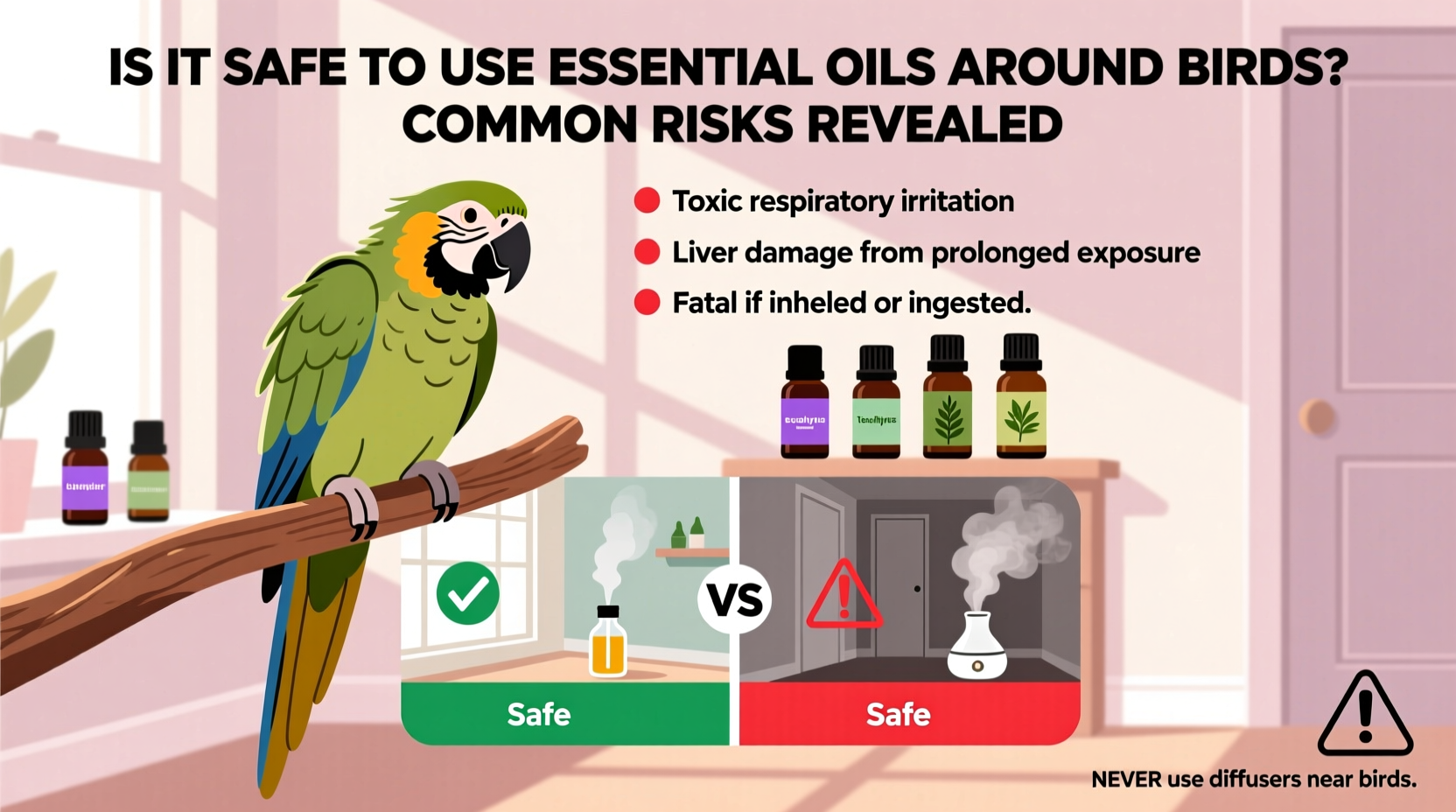
Birds possess one of the most advanced respiratory systems in the animal kingdom. Unlike mammals, they have air sacs that extend throughout their bodies and a unidirectional airflow system that ensures maximum oxygen absorption. While this adaptation supports high-energy flight, it also means airborne particles—like essential oil vapors—are absorbed more efficiently and rapidly into their bloodstream.
Because birds breathe faster than humans, they inhale more air per pound of body weight each minute. A parakeet, for example, may take 25–40 breaths per minute at rest, compared to a human’s 12–20. This increased respiration rate amplifies exposure to volatile organic compounds (VOCs) released by diffused oils.
Additionally, birds lack a diaphragm and rely on chest muscle movement to breathe, making them less able to filter or expel irritants. Their small size further concentrates any toxic effects. Even low levels of aromatic compounds can trigger inflammation, respiratory distress, or sudden death.
“Birds don’t just smell the air—they live in it. What we perceive as a light scent can be a full chemical assault on their lungs.” — Dr. Laura Jenkins, Avian Veterinarian and Toxicology Specialist
Common Essential Oils That Are Dangerous to Birds
Not all essential oils are created equal, but many contain compounds that are directly toxic to birds. The danger lies not only in the oil itself but in how it's used—diffusion, spraying, or even topical application on humans nearby can release harmful vapors into the air.
The following oils are known to cause respiratory irritation, liver damage, neurological symptoms, or fatality in birds:
- Tea Tree (Melaleuca) – Contains terpenes that can cause tremors, weakness, and organ failure.
- Eucalyptus – Highly irritating to airways; can induce labored breathing and collapse.
- Pine – Releases phenols and hydrocarbons that damage lung tissue.
- Cinnamon – Extremely caustic; causes severe respiratory burns and distress.
- Peppermint – Menthol is a potent respiratory depressant in birds.
- Lavender – Often considered “safe” but contains linalool, which has been linked to liver toxicity in chronic exposure.
- Citrus oils (lemon, orange, grapefruit) – Limonene and other components are volatile and irritating.
Even oils labeled “natural” or “therapeutic grade” are not safe by default. Purity does not equate to safety for birds—their physiology simply cannot process these concentrated plant chemicals.
How Exposure Happens: Hidden Sources of Risk
Many bird owners unknowingly expose their pets to essential oils through everyday habits. Diffusers are the most obvious culprit, but secondary exposure routes are equally dangerous:
- Airborne diffusion – Ultrasonic or nebulizing diffusers release microscopic oil particles into the air, which birds inhale immediately.
- Skin transfer – Applying oils to your skin or clothes and then handling your bird can transfer toxins through contact or off-gassing.
- Cleaning products – Many natural cleaners contain essential oils. Using them in rooms adjacent to bird cages can still allow vapor drift.
- Candles and room sprays – Scented products often use essential oil derivatives and release similar VOCs.
- Vaporizers or humidifiers – Adding oils to these devices creates a continuous source of inhalation risk.
In one documented case, a pair of cockatiels died within hours after their owner used a lavender-scented diffuser in the next room. Despite closing the door, air circulation carried enough vapor to cause acute respiratory failure. Autopsies revealed severe pulmonary hemorrhage consistent with chemical inhalation injury.
Mini Case Study: The Hidden Danger of \"Natural\" Cleaning
Sarah, a devoted budgie owner, switched to a plant-based all-purpose cleaner infused with lemon and tea tree oil. She used it weekly in her kitchen, where her bird’s cage was located. Over several weeks, her budgie became increasingly lethargic, stopped singing, and began tail-bobbing—a sign of labored breathing. After a visit to an avian vet, she learned her bird had developed chronic air sac inflammation. The diagnosis? Long-term exposure to essential oil residues in the air. Sarah discontinued all scented products and improved ventilation. Her bird recovered slowly, but the experience changed how she views “natural” household items.
Safe Alternatives to Essential Oils for Bird-Friendly Homes
You don’t need essential oils to maintain a fresh, healthy home environment. For bird owners, simplicity and non-toxicity should guide all cleaning and air-quality decisions.
Consider these safer options:
- Vinegar and water solution – Effective for cleaning surfaces without releasing harmful fumes.
- Baking soda – Neutralizes odors naturally; place in open containers around the house.
- Activated charcoal filters – Use in air purifiers to absorb odors and VOCs without adding fragrance.
- Regular ventilation – Open windows daily to refresh indoor air, especially after cooking or cleaning.
- Houseplants – Certain plants like spider plants or peace lilies help purify air naturally.
If you must use essential oils, do so in a separate, well-ventilated area with no airflow to bird spaces—and wait several hours before re-entering with your bird. Ideally, avoid use entirely if you share your home with avian companions.
Checklist: Keeping Your Bird Safe from Essential Oil Exposure
- Remove all diffusers, oil burners, and scented candles from bird-occupied areas.
- Check ingredient labels on cleaning products, lotions, and air fresheners.
- Avoid wearing essential oils on your skin or clothing if you interact with birds.
- Ensure proper ventilation when using any strong-smelling products.
- Use only bird-safe, fragrance-free household cleaners.
- Monitor your bird for signs of respiratory distress (tail bobbing, wheezing, fluffed feathers).
- Consult an avian veterinarian before introducing any new product into your bird’s environment.
Risk Comparison: Essential Oils and Bird Safety
| Essential Oil | Primary Risk to Birds | Safe to Diffuse Near Birds? | Notes |
|---|---|---|---|
| Tea Tree | Liver damage, neurological issues | No | Highly toxic even in small amounts |
| Eucalyptus | Respiratory irritation, suffocation | No | Strong vapors can cause rapid distress |
| Lavender | Mild to moderate respiratory stress | No | Often misunderstood as safe; avoid |
| Pine | Lung tissue damage | No | Common in cleaners; check labels |
| Chamomile | Low risk, but limited data | No (Precaution) | Not recommended due to uncertainty |
| None (Unscented Environment) | Minimal risk | Yes | Ideal for bird health and longevity |
Frequently Asked Questions
Can I use essential oils if my bird is in another room?
It’s not recommended. Airflow systems, open doors, and HVAC units can carry vapors throughout the house. Even low concentrations can accumulate over time and harm your bird’s respiratory system. The safest approach is complete avoidance.
Are there any essential oils that are safe for birds?
There are no essential oils proven to be consistently safe for birds. Due to individual sensitivity and lack of comprehensive testing, veterinarians advise against using any essential oils around birds. An unscented environment is the best policy.
What are the signs of essential oil poisoning in birds?
Symptoms include difficulty breathing (tail bobbing), wheezing, sneezing, watery eyes, lethargy, vomiting, loss of balance, and sudden death. If you suspect exposure, remove the bird from the area immediately and contact an avian veterinarian.
Step-by-Step: Creating a Bird-Safe Home Environment
Making your home safe for birds doesn’t require drastic changes—just awareness and consistency. Follow this timeline to reduce risk:
- Week 1: Audit Your Products – Go through all cleaning supplies, personal care items, and air fresheners. Discard anything containing essential oils or strong fragrances.
- Week 2: Remove Diffusers and Scented Candles – Replace with non-aerosol odor control methods like baking soda or activated charcoal.
- Week 3: Clean HVAC Filters and Vents – Residual oils can linger in ductwork and recirculate. Replace filters and wipe down vents.
- Week 4: Establish a No-Perfume Policy Near the Cage – Ask household members to avoid applying scented lotions or perfumes before handling the bird.
- Ongoing: Monitor Bird Behavior – Note changes in vocalization, activity level, or breathing. Early detection can prevent serious illness.
Conclusion: Prioritizing Health Over Scent
The bond between bird owners and their pets is built on trust and care. While essential oils offer aromatic benefits to humans, they represent a silent threat to birds whose biology isn’t equipped to handle such potent compounds. The tragic reality is that many bird deaths attributed to “unknown causes” may actually stem from long-term exposure to seemingly harmless scents.
By choosing fragrance-free alternatives and respecting the delicate nature of avian respiration, you create a safer, healthier home. Your bird may never speak in words, but its energy, song, and vitality are clear indicators of well-being. Protect that gift by keeping the air clean and toxin-free.




 浙公网安备
33010002000092号
浙公网安备
33010002000092号 浙B2-20120091-4
Comments
No comments yet. Why don't you start the discussion?