
Cats bring comfort, companionship, and quiet joy into our homes. As pet owners increasingly turn to natural wellness solutions, essential oils have become a staple in many households for everything from stress relief to cleaning. However, what’s beneficial for humans can be deadly for felines. Cats possess a unique physiology that makes them exceptionally vulnerable to certain compounds found in essential oils. Understanding this risk is not just about caution—it’s about protecting the life of a beloved pet.
Their livers lack specific enzymes needed to metabolize many substances found in plant-based extracts, particularly phenols and monoterpene hydrocarbons common in essential oils. This biological limitation means even small exposures—through inhalation, skin contact, or accidental ingestion—can lead to severe toxicity. While diffusing lavender oil might help you relax, it could send your cat into respiratory distress or liver failure.
Why Essential Oils Are Dangerous for Cats
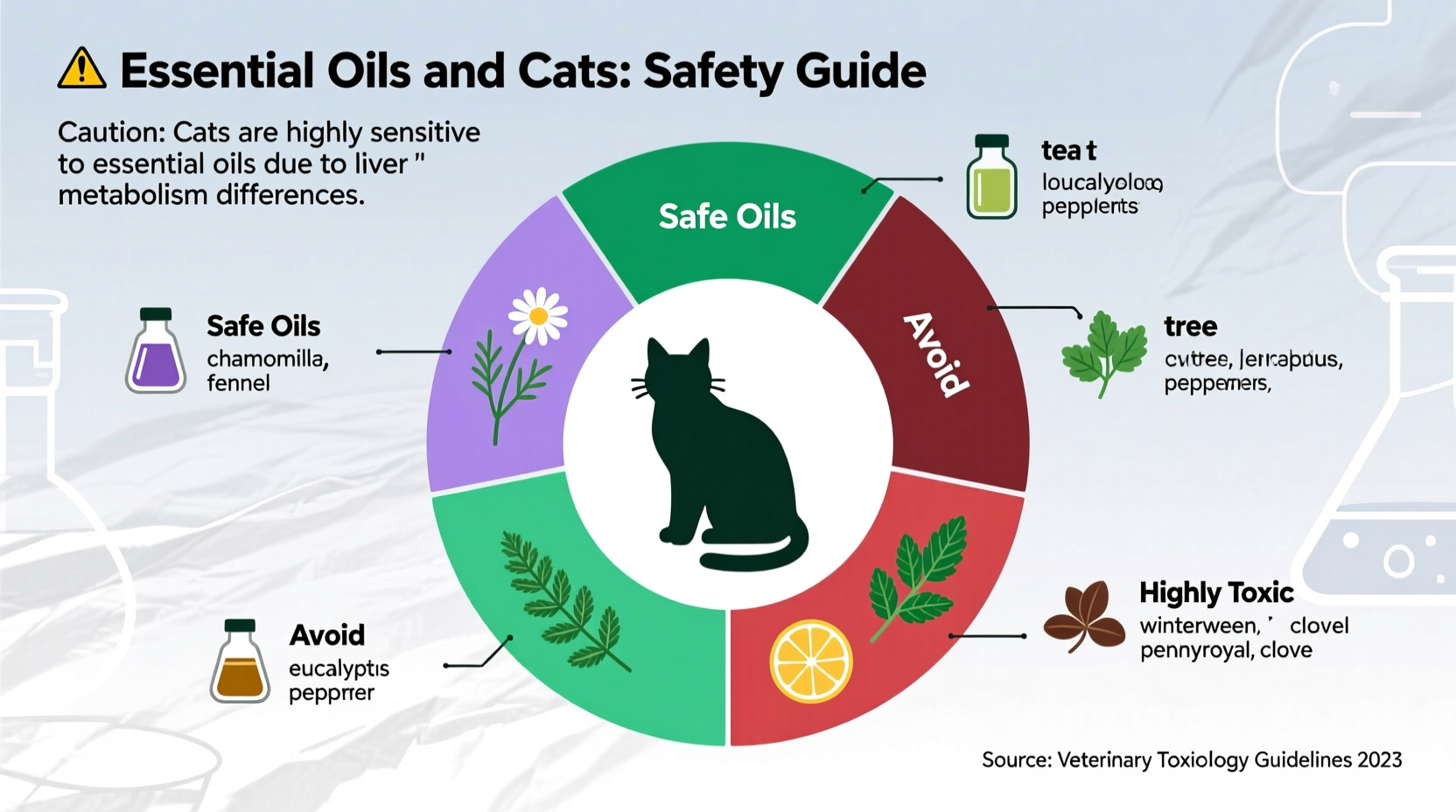
The danger lies in feline biology. Unlike humans and even dogs, cats have a deficient glucuronosyltransferase enzyme system in the liver. This enzyme is crucial for breaking down toxins, especially phenolic compounds. When this metabolic pathway is impaired, substances that would normally be processed and excreted instead accumulate in the body, leading to organ damage.
Essential oils are highly concentrated volatile compounds extracted from plants. A single drop can contain hundreds of active chemicals. When used improperly around cats, these compounds can enter the body through multiple routes:
- Inhalation: Airborne particles from diffusers settle on a cat’s fur and respiratory tract.
- Dermal absorption: Oils applied to human skin or furniture can transfer to a cat during grooming.
- Ingestion: Cats groom themselves constantly, licking off any oil residue from their coat.
Because cats groom so meticulously, even indirect exposure becomes direct internal exposure. The American Society for the Prevention of Cruelty to Animals (ASPCA) lists numerous essential oils as toxic to cats, with symptoms ranging from mild drooling to seizures and death.
“Cats are extremely sensitive to essential oils due to their unique liver metabolism. What seems like a mild scent to us can overwhelm their system quickly.” — Dr. Sarah Wooten, DVM, Veterinary Advisor at Pumpkin Pet Insurance
Essential Oils That Are Toxic to Cats
Not all essential oils pose the same level of threat, but many commonly used varieties are outright hazardous. The following list includes some of the most dangerous oils for cats, based on veterinary toxicology reports and clinical cases.
| Toxic Oil | Common Uses | Risks to Cats |
|---|---|---|
| Tea Tree (Melaleuca) | Skin treatments, acne remedies, natural disinfectants | Liver damage, tremors, weakness, coma—even small topical doses |
| Eucalyptus | Respiratory support, cleaning products | Salivation, vomiting, depression, aspiration pneumonia |
| Peppermint | Digestive aid, energy boost, pest repellent | Gastrointestinal upset, lethargy, liver injury |
| Citrus (Lemon, Orange, Grapefruit) | Cleaning sprays, uplifting scents | Skin irritation, phototoxicity, central nervous system depression |
| Pine | Freshening sprays, holiday decor | Respiratory irritation, chemical burns, liver failure |
| Cinnamon | Warming blends, flavoring agents | Mouth ulcers, low blood sugar, rapid heart rate |
| Ylang Ylang | Stress relief, perfumes | Vomiting, ataxia, seizures |
| Wintergreen | Pain relief topicals, muscle rubs | Severe liver damage, methemoglobinemia (oxygen deprivation) |
This table highlights only a subset of dangerous oils. Any oil containing phenols, ketones, or terpenes should be considered high-risk unless explicitly cleared by a veterinarian.
Safe Practices for Using Essential Oils in Cat-Friendly Homes
If you choose to use essential oils while sharing your home with cats, strict precautions are non-negotiable. Complete avoidance is safest, but if you proceed, follow these science-backed guidelines to minimize risk.
Step-by-Step Guide to Safer Use
- Use oils only in well-ventilated rooms without cats present. Close doors and run the diffuser for no more than 15–30 minutes.
- Avoid continuous diffusion. Intermittent use (e.g., one cycle per day) reduces airborne concentration buildup.
- Never use ultrasonic diffusers in multi-cat households or near enclosed litter areas. Mist particles linger and coat surfaces.
- Keep all bottles securely stored out of reach. Spills or curious paws can lead to direct exposure.
- Wash hands after handling oils before touching your cat. Residue transfer is a common exposure route.
- Monitor your cat closely for signs of distress. If symptoms appear, remove the source immediately and contact your vet.
Room sprays, reed diffusers, and oil warmers also release volatile compounds and should be treated with equal caution. The key principle: if you can smell it, your cat can absorb it.
Recognizing Essential Oil Poisoning in Cats
Early recognition of poisoning can save a cat’s life. Symptoms often appear within minutes to hours of exposure and may escalate rapidly. Common signs include:
- Drooling or foaming at the mouth
- Vomiting or retching
- Difficulty breathing or wheezing
- Tremors, wobbling, or lack of coordination
- Lethargy or depression
- Pawing at the mouth or face
- Skin redness or ulceration (especially with topical exposure)
In severe cases, cats may develop hypothermia, seizures, or fall into a coma. These are medical emergencies requiring immediate veterinary intervention.
“We treated a cat last winter who developed seizures after her owner diffused eucalyptus oil near the living room sofa. The cat was asymptomatic at first, then collapsed two hours later. Prompt IV fluids and supportive care saved her—but it was close.” — Dr. Laura Greensmith, Emergency Veterinarian, Boston Animal Medical Center
Mini Case Study: A Close Call with Tea Tree Oil
Sarah, a holistic wellness enthusiast, began using a DIY spray with 1% tea tree oil to freshen her couch. She sprayed it lightly every few days, believing it was diluted enough to be safe. Her 3-year-old tabby, Milo, liked to nap on that couch daily.
After two weeks, Milo became unusually sleepy, refused food, and started trembling. His gums were pale, and he vomited twice. Rushed to the emergency clinic, blood tests revealed elevated liver enzymes consistent with toxin-induced hepatopathy. The vet suspected essential oil exposure, and upon learning about the spray, confirmed tea tree oil toxicity.
Milo required hospitalization for three days with IV fluids and liver protectants. He recovered, but Sarah now keeps all essential oils locked away and uses only pet-safe alternatives. Her experience underscores how indirect exposure can still be lethal.
Are Any Essential Oils Safe Around Cats?
The short answer: very few, and even those require extreme caution. There is no universally agreed-upon \"safe\" essential oil for cats. Some companies market “pet-safe” blends, but these are often underregulated and may still contain harmful components.
A few oils, such as **lavender** and **chamomile**, are sometimes cited as lower risk when used sparingly and in highly diluted forms. However, even these carry potential risks when diffused, especially in poorly ventilated spaces or around kittens, elderly cats, or those with preexisting conditions like asthma.
Instead of relying on essential oils, consider safer alternatives:
- Nepeta cataria (catnip) – naturally stimulating and safe for most cats
- Valerian root – calming effect without liver burden
- Feliway diffusers – synthetic feline facial pheromones designed specifically for cat safety
Feliway, in particular, has been clinically studied and approved for reducing stress in cats during travel or environmental changes—without introducing foreign toxins.
Frequently Asked Questions
Can I diffuse essential oils if my cat isn’t in the room?
Only if the room is fully sealed and remains unoccupied by the cat until the oil has completely dissipated (typically several hours). Even then, residual particles may settle on floors and fabrics. It's safer to avoid diffusion entirely.
What should I do if my cat licks an essential oil?
Do not induce vomiting. Wipe the mouth gently with a damp cloth and contact your veterinarian or the ASPCA Animal Poison Control Center (888-426-4435) immediately. Bring the product label for identification.
Are carrier oils safe for cats?
Most pure carrier oils (like coconut, jojoba, or almond oil) are generally safe in small amounts, but always check for added essential oils. Never apply anything to your cat without consulting your vet first.
Checklist: Protecting Your Cat from Essential Oil Hazards
- ✅ Store all essential oils in a locked cabinet away from pets
- ✅ Avoid using diffusers in homes with cats—or use only in cat-free zones with ventilation
- ✅ Read labels on cleaning products and air fresheners; many contain hidden essential oils
- ✅ Wash hands after applying oils before petting your cat
- ✅ Watch for early signs of poisoning: drooling, vomiting, wobbling
- ✅ Keep your vet’s number and the ASPCA Poison Control hotline accessible
- ✅ Choose cat-safe calming aids like Feliway instead of essential oil diffusers
Conclusion
The desire to create a peaceful, aromatic home is understandable—but not at the expense of your cat’s health. Essential oils, despite their natural origins, are potent biochemical agents that can overwhelm a cat’s delicate metabolic system. There is no margin for error when it comes to oils like tea tree, eucalyptus, or citrus, which have caused preventable tragedies in otherwise loving homes.
By choosing safer alternatives and respecting the physiological limits of your feline companion, you can maintain a healthy environment for everyone in your household. Knowledge is the first line of defense. Share this information with fellow pet owners, reevaluate your current routines, and prioritize safety over scent.




 浙公网安备
33010002000092号
浙公网安备
33010002000092号 浙B2-20120091-4
Comments
No comments yet. Why don't you start the discussion?