
Cats are beloved companions known for their sensitivity—not just emotionally, but biologically. Their unique physiology makes them vulnerable to certain household substances, including essential oils. While these concentrated plant extracts are praised for their aromatic and therapeutic benefits in humans, they can pose serious health risks to felines. Understanding the dangers and knowing which oils to avoid is crucial for responsible pet ownership.
The increasing popularity of aromatherapy and natural cleaning products has led many households to incorporate essential oils into daily routines. Diffusers, sprays, scented candles, and topical applications are common. But when cats are present, such practices require caution. Unlike humans or even dogs, cats lack specific liver enzymes needed to metabolize many compounds found in essential oils. This metabolic deficiency means toxins can accumulate rapidly, leading to poisoning—even from indirect exposure.
Why Cats Are Especially Vulnerable
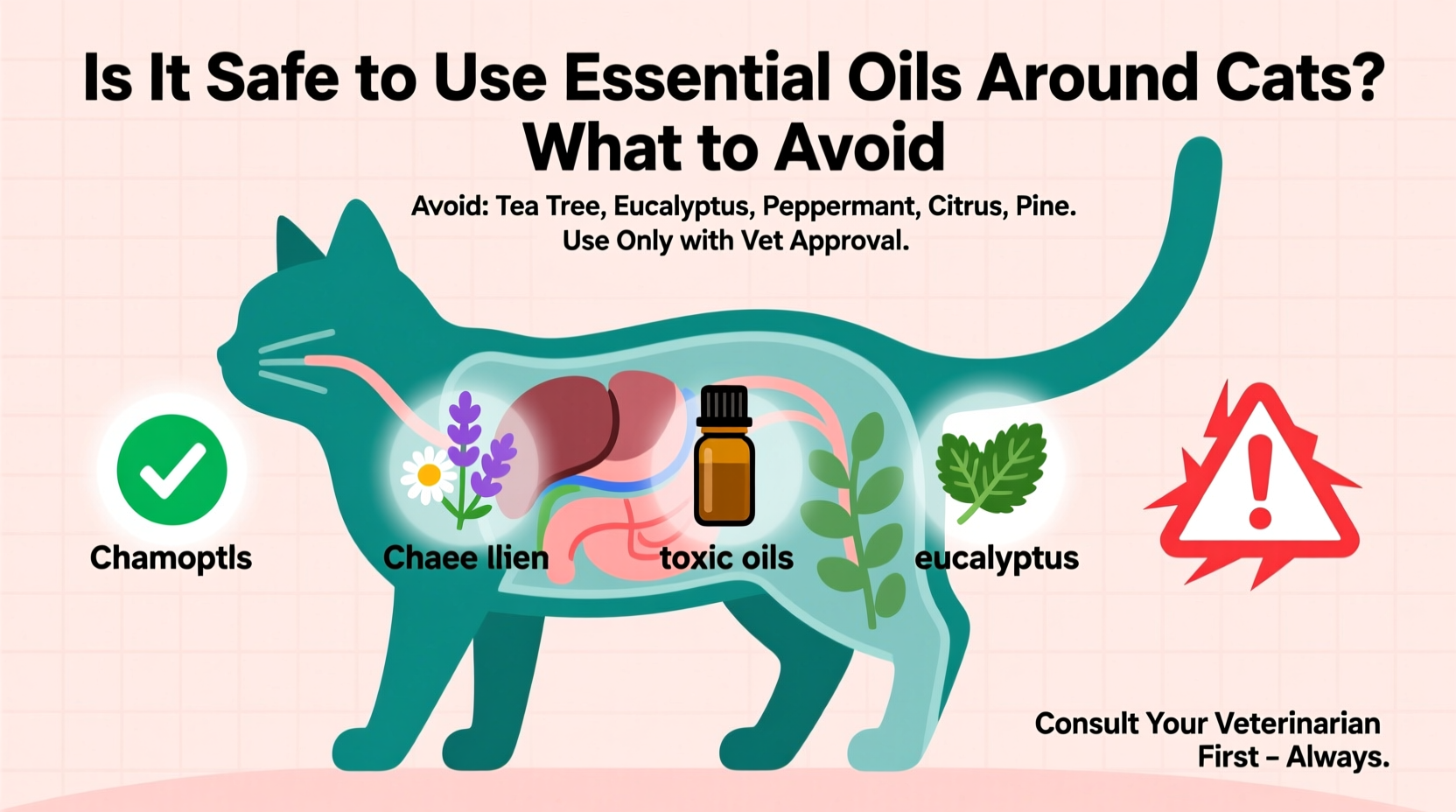
Cats are obligate carnivores with highly specialized livers. One critical difference lies in their glucuronidation pathway—the primary method used to detoxify chemicals. Felines have low levels of UDP-glucuronosyltransferase (UGT), particularly UGT1A6, which is responsible for processing phenolic compounds commonly found in essential oils like eucalyptus, tea tree, and peppermint.
When a cat inhales or ingests an oil that its liver cannot efficiently break down, the substance builds up in the bloodstream. This can lead to hepatic damage, neurological symptoms, respiratory distress, and in severe cases, death. The risk increases with frequency of exposure and concentration of the oil.
Additionally, cats groom themselves meticulously. If an essential oil lands on their fur—whether from a diffuser mist, contaminated hands, or treated surfaces—they will ingest it during grooming. Even small amounts absorbed through the skin or licked off fur can be toxic.
“Cats are uniquely sensitive due to their deficient metabolic pathways. What’s relaxing for humans can be deadly for them.” — Dr. Susan Langlois, DVM, Integrative Veterinarian
Oils That Are Toxic to Cats: A Comprehensive List
Not all essential oils are equally dangerous, but several are well-documented as harmful. The following list includes oils proven to cause adverse reactions in cats, based on veterinary toxicology reports and case studies.
| Toxic Oil | Common Sources | Potential Effects |
|---|---|---|
| Tea Tree (Melaleuca) | Skin treatments, shampoos, household cleaners | Vomiting, ataxia, tremors, hypothermia, liver failure |
| Eucalyptus | Diffusers, vapor rubs, cleaning sprays | Drooling, coughing, weakness, seizures |
| Peppermint | Aromatherapy blends, insect repellents | Respiratory irritation, lethargy, gastrointestinal upset |
| Citrus (Lemon, Orange, Grapefruit) | Fresh-scented cleaners, air fresheners | Skin irritation, vomiting, photosensitivity |
| Pine | Floor cleaners, disinfectants | Chemical burns, aspiration pneumonia |
| Wintergreen | Muscle rubs, pain relief gels | Salicylate poisoning (similar to aspirin overdose) |
| Clove | Dental products, holistic remedies | Liver necrosis, coagulopathy |
| Ylang Ylang | Perfumes, relaxation blends | Vomiting, cardiac abnormalities |
This list is not exhaustive. Many other oils contain volatile organic compounds (VOCs) that can irritate mucous membranes or trigger allergic responses in cats. Always assume an oil is unsafe unless confirmed otherwise by a veterinarian or authoritative source like the ASPCA Animal Poison Control Center.
Safe Practices When Using Essential Oils in Cat-Friendly Homes
If you choose to use essential oils in a home with cats, strict precautions must be taken. Complete avoidance is the safest option, especially if your cat is elderly, has pre-existing health conditions, or spends most of its time indoors. However, if you decide to proceed, follow these guidelines to minimize risk.
Use Only in Well-Ventilated, Cat-Free Zones
Never diffuse essential oils in rooms where cats live or sleep. Instead, confine diffusion to areas the cat cannot access, such as a closed-off bedroom or office. Ensure strong ventilation—open windows or use fans—to disperse vapors quickly.
Limit Duration and Frequency
Short bursts of diffusion (no more than 15–30 minutes once per day) reduce cumulative exposure. Continuous or prolonged use dramatically increases the likelihood of respiratory irritation or systemic toxicity.
Avoid Topical Application and Surfaces Within Reach
Do not apply diluted oils to your skin if you plan to handle your cat soon afterward. Residue can transfer to their coat and be ingested during grooming. Similarly, avoid spraying oils on furniture, carpets, or bedding.
Choose Safer Alternatives
Consider using non-aromatic humidifiers or unscented cleaning products. For odor control, baking soda or activated charcoal filters are effective and non-toxic. Some pet-safe diffusers use only water and light (like nebulizers without oils), offering ambiance without risk.
Recognizing and Responding to Essential Oil Poisoning
Early recognition of poisoning signs can save a cat’s life. Symptoms may appear within minutes to hours after exposure, depending on the route and dose.
- Drooling or foaming at the mouth
- Pawing at the face or mouth
- Vomiting or diarrhea
- Tremors, wobbling, or difficulty walking
- Lethargy or depression
- Rapid breathing or coughing
- Skin redness or chemical burns (especially on paws or nose)
If you suspect your cat has been exposed to a toxic oil, act immediately. Remove the cat from the source and gently wipe any visible residue from its fur with a damp cloth—do not use shampoo or dish soap, which can worsen absorption. Contact your veterinarian or an emergency animal poison hotline right away.
The ASPCA Animal Poison Control Center (APCC) offers 24/7 support at (888) 426-4435. A consultation fee may apply, but timely advice can prevent hospitalization.
“Even a few drops of tea tree oil on a cat’s skin can result in severe neurologic signs. We see this too often during wellness trends.” — Dr. Tina Wismer, Senior Director, ASPCA APCC
Step-by-Step Guide: Making Your Home Safer
Follow this practical sequence to evaluate and adjust your household habits for feline safety.
- Inventory all essential oil products in your home—diffusers, roll-ons, sprays, candles, and cleaning supplies.
- Check ingredient labels for common toxic oils like tea tree, eucalyptus, citrus, and mint derivatives.
- Store oils securely in child-proof cabinets or sealed containers, out of reach and smell range.
- Replace high-risk items with cat-safe alternatives—opt for fragrance-free detergents and VOC-free cleaners.
- Create a cat-only sanctuary—a room free of diffusers, sprays, and strong odors where your pet can retreat.
- Educate family members and guests about the dangers; ask visitors not to wear heavily scented perfumes or apply oils before visiting.
- Monitor your cat’s behavior after introducing any new product, even if labeled “natural” or “organic.”
Real-Life Example: A Close Call with Tea Tree Oil
Sarah, a cat owner from Portland, began using a natural flea spray containing 1% tea tree oil on her dog. She applied it in the garage and waited before bringing the dog inside. Unbeknownst to her, her 3-year-old tabby, Milo, rubbed against the dog’s back later that evening.
Within two hours, Milo became uncoordinated and started drooling excessively. Sarah noticed he was avoiding the litter box and seemed disoriented. She rushed him to the emergency vet, where blood work revealed early signs of liver stress. After IV fluids and supportive care, Milo recovered—but the experience left Sarah shaken.
Her veterinarian explained that even minimal transfer from the dog’s coat was enough to overwhelm Milo’s system. Sarah removed all essential oil products from her home and now uses only vet-approved parasite preventatives.
This scenario highlights how indirect exposure—often overlooked—can still be dangerous. Cross-contamination between pets is a real and underrecognized risk.
FAQ: Common Questions About Essential Oils and Cats
Can I ever use a diffuser if I have a cat?
You can, but only under strict conditions: use it in a room the cat never enters, ventilate thoroughly, limit sessions to under 30 minutes, and avoid known toxic oils. However, many veterinarians recommend complete avoidance due to unpredictable sensitivity among individual cats.
Are \"pet-safe\" essential oil blends truly safe?
Most experts remain skeptical. There is no standardized regulation for claims like “pet-safe” or “veterinarian-approved.” Even diluted blends may contain problematic compounds. If a product contains essential oils, assume it poses some level of risk unless explicitly cleared by a feline veterinarian.
What should I do if my cat inhales essential oil vapor?
Remove the cat from the area immediately and provide fresh air. Monitor closely for signs of distress such as labored breathing, coughing, or lethargy. Contact your vet or poison control even if symptoms seem mild—delayed onset is possible.
Conclusion: Prioritize Safety Over Scent
The allure of essential oils is understandable—they offer fragrance, mood enhancement, and a sense of natural living. But when cats are part of the household, that convenience must be weighed against real danger. Their delicate metabolism simply isn’t equipped to handle substances many people consider harmless.
There is no universal threshold for safe exposure. What affects one cat mildly might hospitalize another. Rather than testing limits, adopt a precaution-first mindset. Replace risky products with safer options, create scent-free zones, and stay vigilant about hidden sources of essential oils.
Your cat depends on you to make choices they cannot. By choosing caution over convenience, you ensure their environment remains not just comfortable, but truly safe.




 浙公网安备
33010002000092号
浙公网安备
33010002000092号 浙B2-20120091-4
Comments
No comments yet. Why don't you start the discussion?