
Makeup is a daily essential for many, enhancing confidence and self-expression. But tucked away in drawers and vanity organizers, old products often linger long after their prime. While some might seem harmless—still smelling fine or applying smoothly—expired makeup can harbor bacteria, degrade in performance, and even trigger infections or allergic reactions. Understanding when to say goodbye isn’t just about beauty—it’s about health.
The shelf life of cosmetics varies widely depending on formulation, preservatives, and storage conditions. Unlike food, most makeup doesn’t come with a clear expiration date. Instead, manufacturers provide a “period after opening” symbol (PAO), usually a jar with a number like “6M” or “12M,” indicating how many months the product remains safe to use once opened. Ignoring these markers can lead to breakouts, eye infections, or worse. The real danger lies not in subtle fading pigments, but in invisible microbial growth.
Why Expired Makeup Poses Real Risks
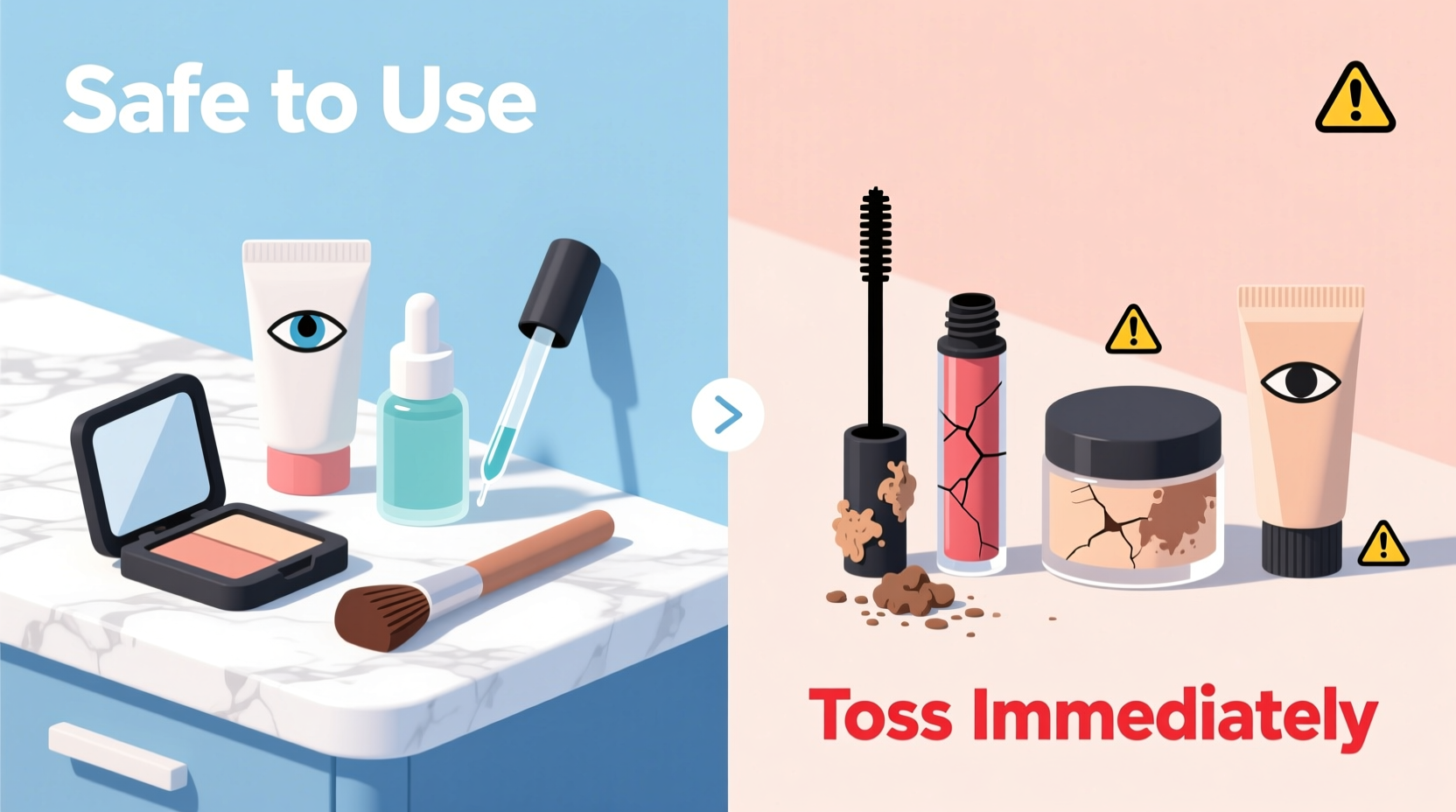
Over time, preservatives in makeup break down. These ingredients are designed to inhibit the growth of mold, yeast, and bacteria. Once they lose effectiveness, contamination becomes inevitable—especially in products applied near mucous membranes like eyes and lips. Moist environments accelerate this process: think mascara wands pulling bacteria-laden air into tubes or damp sponges breeding colonies of microbes.
Dermatologists frequently see patients with blepharitis (eyelid inflammation), conjunctivitis, or acne flare-ups traced directly to outdated cosmetics. Dr. Lena Patel, a board-certified dermatologist based in Chicago, explains:
“Using expired mascara is one of the top causes of bacterial eye infections we see. The warm, moist environment inside the tube is perfect for pathogens like *Staphylococcus* and *Pseudomonas*, which can cause serious corneal damage.”
Beyond infection risk, expired products may also fail to perform. Foundations can oxidize and change color, powders may develop an off smell, and lipsticks can dry out or separate. Chemical degradation might alter pH levels or irritate sensitive skin, especially in individuals with conditions like rosacea or eczema.
Products That Must Be Discarded Immediately After Expiration
Certain categories of makeup are higher risk due to their application method, moisture content, or proximity to vulnerable areas. These should never be used past their recommended lifespan.
Mascara – The Highest Risk Product
Mascara is arguably the most dangerous expired item in your kit. Its narrow tube and repeated insertion of a wand create a breeding ground for bacteria. Most brands recommend replacing mascara every 3–6 months. After that, the risk of eye infections increases dramatically.
Liquid Eyeliner
Like mascara, liquid eyeliner contains water-based formulas and applicators that dip back into the product. This repeated contact introduces bacteria. Replace every 4–6 months. Pencil eyeliners last longer (up to 1–2 years) because they’re less hospitable to microbial growth, especially if sharpened regularly.
Cream-Based Products (Blush, Concealer, Foundation)
Creams and liquids that you apply with fingers or sponges pick up bacteria with each use. Once opened, most liquid foundations and concealers last 6–12 months. Cream blushes and highlighters should be replaced every 6–9 months. Signs of spoilage include separation, graininess, or sour odor.
Lip Products with Applicators
Lip glosses, tinted balms, and liquid lipsticks with brush applicators touch the mouth—a zone teeming with bacteria. Replace every 6–12 months. Tuberized lipsticks (twist-up bullets) last longer—up to 18 months—if stored properly and not shared.
Sponges and Reusable Applicators
Beauty blenders, brushes, and sponges aren’t makeup, but they contribute to contamination. Wash weekly and replace every 3–6 months. A study published in the *Journal of Applied Microbiology* found that unwashed makeup sponges can carry more bacteria than a toilet seat.
When It Might Be Safe to Use Slightly Expired Makeup
Not all expired cosmetics pose equal danger. Dry, powder-based products are generally lower risk due to their lack of moisture. However, “safe” doesn’t mean ideal—performance may still suffer.
- Pressed Powders (Face Powder, Bronzer, Eyeshadow): Can last 1–2 years past opening. If they remain dry, free of discoloration, and don’t smell musty, they may still be usable. Avoid using them if you’ve had an active skin infection (like cold sores or acne flare-ups).
- Pencil Eyeliners and Eyebrow Products: Last 1–2 years. Always sharpen before use to remove surface bacteria.
- Loose Pigments: When stored in airtight containers and kept dry, these can last several years. Check for clumping or changes in texture.
Still, any product showing visible mold, an off smell, or causing irritation should be discarded regardless of type.
How to Track and Manage Makeup Expiry Dates
Most people don’t label their makeup when they open it. That makes tracking usage nearly impossible. A simple system can prevent risky decisions later.
- Label at Purchase: Use a waterproof marker to write the PAO date (e.g., “6M”) and the opening date on the bottom or side of the product.
- Create a Makeup Inventory: Keep a spreadsheet or notes app list with purchase date, brand, product name, and expiry date.
- Organize by Category: Store products in clear bins labeled by type (e.g., “Eyes,” “Face,” “Lips”) and sort by expiration date—oldest in front.
- Seasonal Purge: Every 3–4 months, review your collection. Remove anything expired or questionable.
Signs Your Makeup Has Gone Bad
Even with careful tracking, some products deteriorate faster due to poor storage or formula instability. Watch for these red flags:
| Warning Sign | What It Means | Action |
|---|---|---|
| Foul or sour smell | Bacterial or fungal growth | Discard immediately |
| Change in texture (grainy, separated, watery) | Formula breakdown or contamination | Do not use; dispose safely |
| Discoloration or dark spots | Oxidation or mold | Throw away, especially if near eyes/lips |
| Irritation, redness, or breakouts after use | Allergic reaction or microbial exposure | Stop using and identify culprit |
| Eye discomfort or infection | Bacterial transfer (common with mascara/liner) | Seek medical advice; discard all eye products |
Real-Life Example: A Cautionary Tale
Sophia, a 29-year-old graphic designer, began experiencing recurring styes and itchy eyelids. She visited a dermatologist after her third infection in six months. Upon reviewing her routine, the doctor asked about her mascara usage. Sophia admitted she was using a tube for nearly nine months—double the recommended time—and occasionally “revived” dried mascara with drops of saline solution.
The doctor explained that adding liquid to mascara creates an ideal environment for bacteria to multiply. A culture test confirmed *Staphylococcus aureus* contamination. Sophia was advised to discard all eye makeup, switch to a new mascara every three months, and avoid sharing cosmetics. Her symptoms resolved within weeks of making these changes.
This case illustrates how seemingly minor habits can have serious consequences. No makeup is worth risking vision or comfort.
Checklist: When to Toss Your Makeup
Use this quick-reference checklist to audit your collection:
- ✅ Mascara older than 3–6 months
- ✅ Liquid eyeliner over 6 months old
- ✅ Foundation or concealer used beyond 12 months
- ✅ Cream blush or highlighter with odd texture or smell
- ✅ Lip gloss or liquid lipstick with applicator over 1 year old
- ✅ Any product with visible mold, separation, or foul odor
- ✅ Beauty sponges not cleaned in over 2 weeks or used beyond 6 months
- ✅ Eye or face makeup used during an active skin infection (e.g., pink eye, cold sore)
Frequently Asked Questions
Can I extend the life of my mascara by storing it in the fridge?
While refrigeration may slow bacterial growth slightly, it does not make expired mascara safe. Condensation from temperature changes can introduce moisture and worsen contamination. The safest practice is replacement every 3–6 months.
What should I do with expired makeup?
Dispose of liquid and cream products in sealed containers to prevent leakage. Dry powders can be emptied and packaging recycled where possible. Never flush makeup down the drain. Consider eco-conscious disposal programs offered by brands like MAC or Lush.
Does unopened makeup expire?
Yes. Unopened makeup typically lasts 2–3 years from manufacture. Over time, oils can go rancid and preservatives degrade. Always check for changes in smell or texture before first use, especially with older stock.
Final Thoughts: Prioritize Skin Health Over Savings
It’s tempting to hold onto a favorite foundation or a barely-used eyeshadow palette. But makeup is a consumable product with a biological clock. Using expired items risks more than poor results—it can compromise your health. The cost of replacing a $20 mascara is far less than an ophthalmologist visit or a severe skin reaction.
Adopting a disciplined approach to cosmetic hygiene protects your skin, enhances product performance, and supports long-term beauty routines. Label your products, monitor textures and smells, and respect expiration guidelines—especially for high-risk items like mascara and liquid liners.




 浙公网安备
33010002000092号
浙公网安备
33010002000092号 浙B2-20120091-4
Comments
No comments yet. Why don't you start the discussion?