
Skin health is not just about what you apply—it's also about when you apply it. Many people keep their favorite serums, moisturizers, and sunscreens long after they've passed their prime, often unaware of the hidden dangers. While tossing out a half-used product feels wasteful, using something past its expiration date could compromise your skin’s integrity. The decision isn’t just about efficacy; it’s about safety. Understanding the risks versus the perceived rewards of using expired skincare requires a closer look at formulation science, bacterial growth, and real-world consequences.
Understanding Expiration Dates on Skincare Products
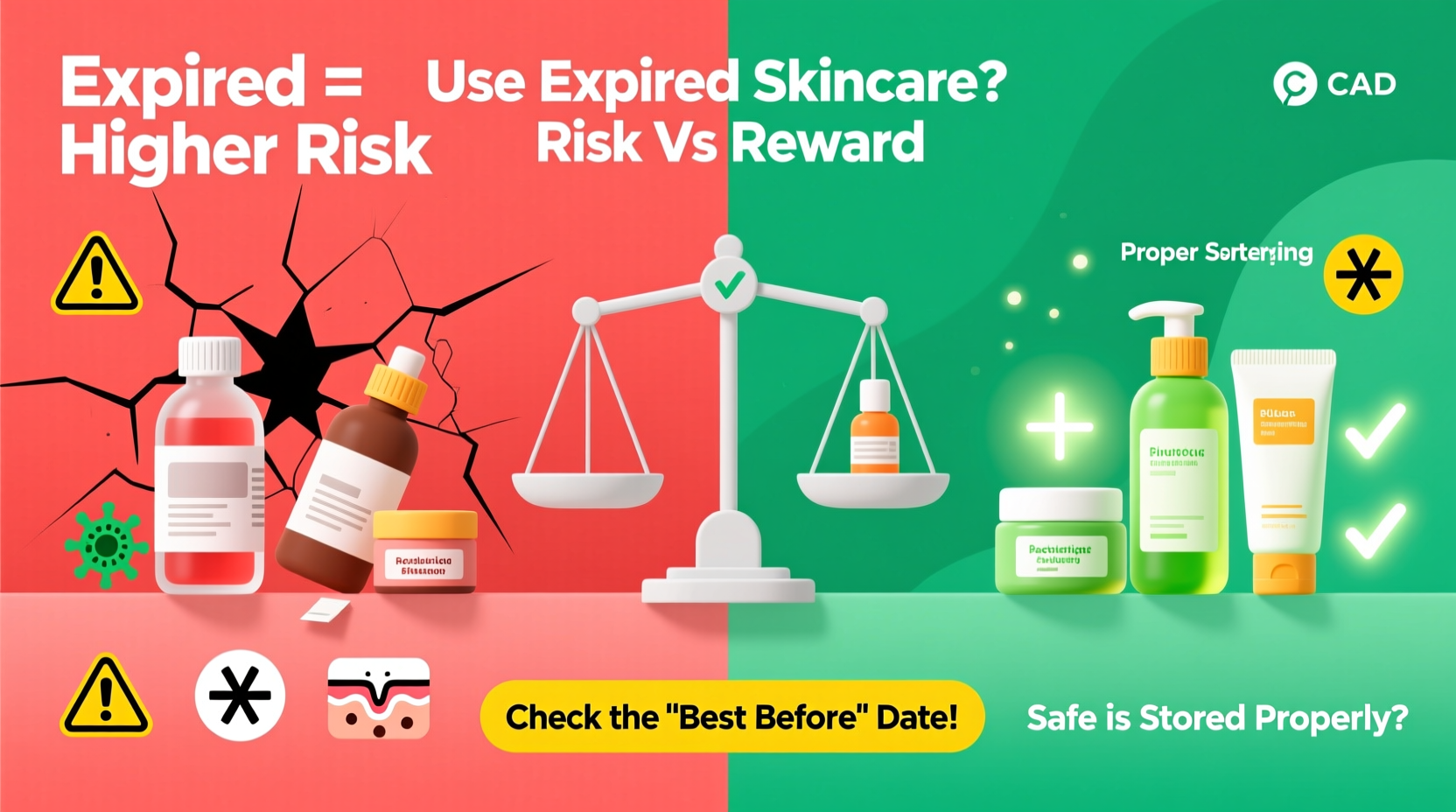
Unlike food, skincare products don’t always come with a clear “use by” date. Instead, you’ll often find a symbol known as the Period After Opening (PAO). It looks like an open jar with a number followed by the letter “M,” such as “12M,” meaning the product is stable for 12 months after opening. Some brands also include a printed expiration date, especially for products with active ingredients like retinoids or vitamin C.
The shelf life of skincare depends on several factors: the formula type (cream, serum, oil), preservative system, packaging (airless pump vs. open jar), and storage conditions. Water-based products are more prone to microbial contamination because water supports bacterial and fungal growth. Oil-based or anhydrous formulas last longer but can still degrade due to oxidation.
Risks of Using Expired Skincare Products
The primary danger of using expired skincare lies in reduced effectiveness and increased risk of irritation or infection. Over time, active ingredients break down. For example, vitamin C oxidizes and loses its brightening power, while benzoyl peroxide becomes less effective at fighting acne-causing bacteria. Worse, degraded ingredients can turn harmful.
Bacterial contamination is a serious concern, particularly in creams and lotions exposed to fingers or humid environments like bathrooms. A 2020 study published in *The Journal of Clinical and Aesthetic Dermatology* found that over 70% of used skincare containers tested positive for pathogenic microbes, including *Staphylococcus aureus* and *Pseudomonas aeruginosa*. These can cause infections, rashes, or worsen conditions like eczema and rosacea.
In rare cases, using spoiled products has led to severe reactions. One documented case involved a woman who developed a painful facial rash after applying an expired moisturizer stored in a warm bathroom for over two years. Lab tests revealed high levels of mold and yeast.
“Using expired skincare is like gambling with your skin barrier. What seems harmless today could trigger inflammation or infection tomorrow.” — Dr. Lena Patel, Board-Certified Dermatologist
Common Side Effects of Expired Products
- Breakouts or acne flare-ups
- Redness, itching, or burning sensations
- Dryness or flaking due to ingredient separation
- Allergic reactions from degraded preservatives or oxidized compounds
- Eye irritation (especially with expired eye creams or makeup)
Rewards Are Minimal—But Misunderstood
Some consumers believe that if a product still smells fine and applies normally, it must be safe. Others argue that natural or organic products should be safer even after expiration. Neither assumption holds under scrutiny.
The so-called “reward” of stretching a product’s life usually boils down to avoiding waste or saving money. But consider this: a $30 serum causing a $300 dermatology visit isn’t economical. Moreover, expired sunscreen offers false protection. SPF degradation increases UV exposure risk, potentially accelerating photoaging or raising skin cancer likelihood.
Even fragrance changes can signal trouble. A once-light lotion smelling sour or metallic indicates microbial activity. Similarly, color shifts—like a pink tint in a white cream—suggest oxidation or contamination.
When Might Expired Products Be Tolerable?
In very limited cases, certain non-active, simple formulations may pose lower risks beyond expiration. Examples include:
- Plain petroleum jelly (e.g., Vaseline)
- Mineral oil or cold-pressed plant oils (if stored properly)
- Water-free balms or waxes
These lack water and common nutrients for microbes, making them more stable. However, if they’ve been contaminated through dirty fingers or exposed to heat and light, even these can spoil.
How to Evaluate Whether a Product Is Still Safe
Before discarding every old bottle, assess each item systematically. Not all expired products are dangerous, but vigilance is key. Follow this step-by-step evaluation process:
- Check the date: Look for the PAO symbol or printed expiration. If unavailable, estimate based on purchase date.
- Inspect appearance: Look for separation, cloudiness, graininess, or discoloration.
- Smell test: Off odors—rancid, sour, or chemical—are red flags.
- Texture check: If a cream has become watery or clumpy, it’s compromised.
- Application trial: Apply a small amount behind the ear or on the inner forearm. Wait 24 hours for any reaction.
Product Longevity by Type
| Product Type | Typical Shelf Life (After Opening) | Signs of Spoilage |
|---|---|---|
| Creams & Lotions (water-based) | 6–12 months | Separation, sour smell, mold spots |
| Serums (especially vitamin C, retinol) | 6–9 months | Darkening, loss of potency, irritation |
| Sunscreens | 12 months | Watery consistency, poor spreadability |
| Face Oils & Anhydrous Balms | 12–24 months | Rancid odor, color change |
| Clay Masks (powder form) | 2+ years | Lumps, musty smell when mixed |
| Exfoliating Acids (AHAs/BHAs) | 6–12 months | Change in pH, stinging beyond normal |
Real-World Example: The Cost of Cutting Corners
Consider Sarah, a 29-year-old marketing professional who prided herself on a minimalist skincare routine. She used a popular vitamin C serum daily for brightening. After finishing one bottle, she continued with an older backup stored under her bathroom sink for 18 months—well past its 12-month shelf life. Within two weeks, she noticed increased redness and breakouts along her jawline. Assuming it was hormonal, she added another product, worsening the irritation.
Only after visiting a dermatologist did she learn that her serum had oxidized, turning dehydroascorbic acid into potentially pro-inflammatory compounds. The doctor advised immediate discontinuation and a calming regimen. Sarah spent six weeks repairing her compromised barrier and admitted she’d ignored the darkened color and slight grittiness she’d noticed earlier. Her attempt to save $40 cost her time, discomfort, and over $200 in treatments.
This scenario underscores a common blind spot: trusting appearance and texture only partially. By the time visible changes occur, damage may already be underway.
Best Practices for Maximizing Skincare Longevity
Prevention is far more effective than damage control. Extend the usable life of your products with smart habits:
- Avoid double-dipping: Use clean hands or a spatula to remove product from jars.
- Store wisely: Keep products away from humidity, heat, and direct sunlight. A bedroom drawer beats a steamy bathroom shelf.
- Seal tightly: Prevent air exposure, which accelerates oxidation.
- Buy appropriate sizes: If you use a serum twice weekly, opt for smaller bottles to avoid waste.
- Track usage: Maintain a skincare log or app to monitor opening dates.
Checklist: When to Toss Your Skincare
- It has passed the PAO date.
- You notice any change in smell, color, or texture.
- It causes stinging, redness, or breakouts without other changes in routine.
- It’s been stored in extreme temperatures (e.g., left in a hot car).
- It’s a sunscreen over a year old, regardless of appearance.
Frequently Asked Questions
Can I use skincare after the expiration date if it looks and smells fine?
Possibly, but not recommended. Even if there are no obvious signs of spoilage, active ingredients may have degraded. Sunscreen, antioxidants, and acne treatments lose potency quickly. The absence of visible issues doesn’t guarantee safety or effectiveness.
Does refrigerating skincare extend its shelf life?
In some cases, yes. Refrigeration can slow bacterial growth and oxidation, especially for water-based serums or products with unstable actives like vitamin C. However, avoid condensation and temperature fluctuations. Don’t refrigerate oil-based products or those with wax, as they may separate.
Are natural skincare products more likely to expire faster?
Generally, yes. Natural or “clean” products often use weaker or fewer synthetic preservatives, making them more susceptible to microbial contamination. Essential oils and plant extracts can also oxidize faster. Always follow usage timelines strictly with these formulations.
Conclusion: Prioritize Skin Health Over Savings
The temptation to squeeze extra value from expired skincare is understandable, but the risks outweigh the rewards. Compromised formulas can lead to irritation, infections, and long-term skin damage. While some inert products may remain stable beyond their labeled life, most modern skincare relies on delicate chemistries that degrade over time.
Your skin is your body’s largest organ—treat it with the same care you’d give your diet or medication. Track expiration dates, store products properly, and dispose of anything questionable. Investing in fresh, effective skincare pays dividends in both short-term comfort and long-term radiance.




 浙公网安备
33010002000092号
浙公网安备
33010002000092号 浙B2-20120091-4
Comments
No comments yet. Why don't you start the discussion?