
Sunscreen is a critical component of daily skin care, shielding us from harmful ultraviolet (UV) radiation that can lead to sunburn, premature aging, and skin cancer. But what happens when you reach for that bottle tucked in the back of your bathroom cabinet only to find it’s past its expiration date? Many people assume sunscreen lasts indefinitely, especially if it hasn’t changed color or consistency. However, using expired sunscreen may not provide the level of protection you expect—and in some cases, it could do more harm than good.
The effectiveness of sunscreen diminishes over time, and while it might seem economical to stretch its life, doing so compromises your skin’s defense. Understanding the science behind expiration dates, the degradation of active ingredients, and the real-world implications of relying on outdated protection can help you make informed decisions about your sun safety routine.
Why Sunscreen Expires: The Science Behind Shelf Life
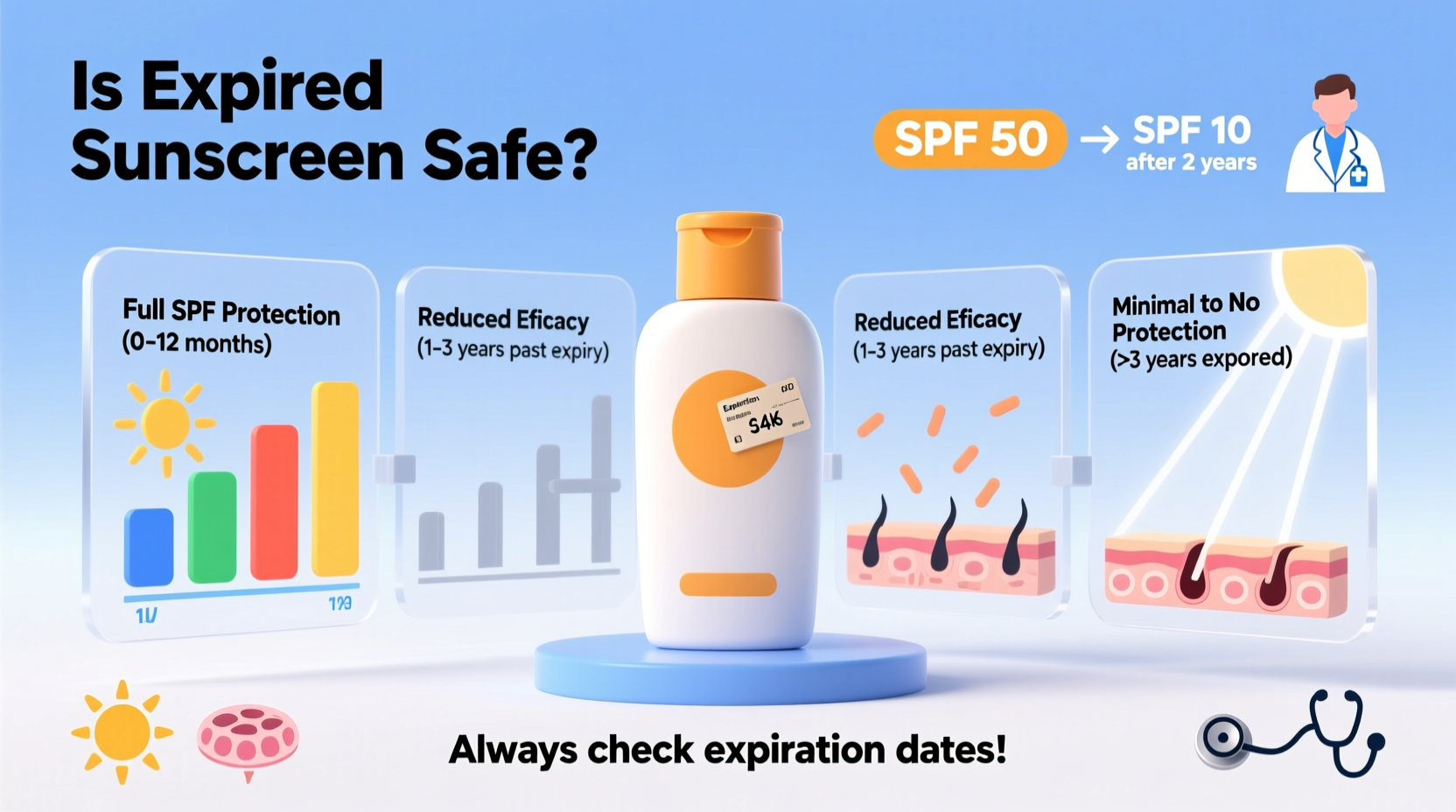
Sunscreen isn’t just a cosmetic product—it’s a pharmaceutical-grade formulation designed to absorb, reflect, or scatter UV rays. Both chemical and mineral sunscreens contain active ingredients that degrade over time due to exposure to heat, light, and air. The U.S. Food and Drug Administration (FDA) requires all sunscreens sold in the United States to have an expiration date unless stability testing proves they remain effective for at least three years.
Chemical filters like avobenzone, oxybenzone, and octinoxate break down when exposed to sunlight and high temperatures. Once degraded, these compounds lose their ability to absorb UV radiation effectively. Mineral sunscreens, which rely on zinc oxide or titanium dioxide, are more stable but are not immune to formulation issues. Over time, inactive ingredients such as emulsifiers and preservatives can separate or deteriorate, leading to uneven application and reduced coverage.
A 2019 study published in the Journal of the American Academy of Dermatology found that after 12 months beyond the labeled expiration date, many sunscreen products showed a drop in SPF by up to 20–30%. This means a product labeled SPF 50 might perform closer to SPF 35—or worse, depending on storage conditions.
“Sunscreen is only as good as its most unstable ingredient. Once past its prime, you're gambling with your skin’s health.” — Dr. Lena Patel, Board-Certified Dermatologist
How Much Protection Does Expired Sunscreen Really Offer?
The short answer: significantly less than advertised. While expired sunscreen doesn’t become toxic, its protective capabilities wane. Here’s what you need to know:
- SPF Reduction: SPF (Sun Protection Factor) measures protection against UVB rays, which cause sunburn. As active ingredients degrade, SPF drops unpredictably. A product once rated SPF 30 may no longer prevent burning during prolonged sun exposure.
- Broad-Spectrum Breakdown: Many sunscreens claim “broad-spectrum” protection, meaning they guard against both UVB and UVA rays. UVA rays penetrate deeper and contribute to aging and skin cancer. Chemical filters like avobenzone are particularly prone to instability, reducing UVA protection even faster than UVB.
- Inconsistent Application: Separation, thickening, or graininess in expired formulas can lead to patchy coverage. Missing spots—even small ones—create entry points for UV damage.
- Increased Skin Sensitivity: Preservatives in sunscreen prevent bacterial growth. When these fail, contaminated products can irritate the skin or trigger allergic reactions, especially in individuals with sensitive skin.
Real-world testing shows variability. A traveler using expired sunscreen on a beach vacation may burn within 20 minutes despite reapplying every two hours—something that wouldn’t happen with a fresh, properly functioning product.
Signs Your Sunscreen Has Gone Bad
Not all expired sunscreens show obvious signs of spoilage, but certain indicators suggest it’s time to discard the product:
| Sign | Description | Implication |
|---|---|---|
| Change in Color | Turns yellow, brown, or cloudy | Active ingredients are breaking down |
| Texture Changes | Grainy, watery, or separated layers | Emulsion has failed; uneven protection likely |
| Unusual Odor | Sour, rancid, or chemical smell | Possible microbial contamination or oxidation |
| Packaging Damage | Cracked tubes, loose caps, or leaks | Exposure to air and contaminants increases risk |
If your sunscreen exhibits any of these traits, dispose of it immediately—even if it’s within the expiration window. Storage plays a major role: leaving sunscreen in a hot car, near a windowsill, or in humid bathrooms speeds up deterioration.
Mini Case Study: The Poolside Burn
Jessica, a 34-year-old teacher, reused a bottle of SPF 50 spray she’d bought two summers prior. The label showed an expiration date six months earlier, but the product looked normal—no odor, no separation. During a weekend pool party, she applied it generously and re-applied after swimming, following standard guidelines.
By evening, she noticed redness on her shoulders and chest. By morning, she was in pain—sunburned despite her precautions. Confused, she consulted a dermatologist, who explained that the avobenzone in her sunscreen had likely degraded due to long-term heat exposure in her garage. Even though the bottle appeared intact, the formula no longer blocked UVA rays effectively, allowing deep skin damage without immediate warning.
This case highlights a key truth: sunburn isn't always the first sign of UV damage. Without visible cues, users may assume protection is adequate when it’s not.
Step-by-Step Guide: How to Safely Manage Your Sunscreen Supply
To ensure consistent, reliable protection, follow this practical timeline for managing your sunscreen inventory:
- Check Expiration Dates Monthly – Make it part of your self-care routine. Discard any product past its expiration date.
- Inspect Before Use – Look for changes in texture, smell, or color. If in doubt, throw it out.
- Store Properly – Keep sunscreen in a cool, dry place away from direct sunlight. Avoid leaving it in cars or beach bags for extended periods.
- Label Opened Products – Write the opening date on the bottle. Most manufacturers recommend discarding sunscreen three years after opening, even if unexpired.
- Rotate Stock Seasonally – Replace sunscreen at the start of each summer season. Consider buying smaller sizes if you travel frequently.
- Choose Stable Formulations – Opt for mineral-based sunscreens with zinc oxide if you tend to store products long-term. They’re generally more photostable and less prone to breakdown.
FAQ: Common Questions About Expired Sunscreen
Can I use sunscreen six months past its expiration date?
It’s not recommended. While some products may retain partial efficacy, there's no reliable way to test how much protection remains. Given the risk of sun damage, it’s safer to replace it.
Does sunscreen expire if it’s never been opened?
Yes. Even unopened sunscreen degrades over time due to natural chemical breakdown. Most manufacturers guarantee effectiveness only until the printed expiration date, typically three years from manufacture.
What should I do with expired sunscreen?
Dispose of it responsibly. Do not pour it down the drain. Check local hazardous waste guidelines—some communities classify sunscreen as household hazardous waste due to chemical content.
Do’s and Don’ts of Sunscreen Use
| Do | Don’t |
|---|---|
| Apply sunscreen 15–30 minutes before sun exposure | Use expired sunscreen as a last resort |
| Reapply every two hours or after swimming/sweating | Store sunscreen in hot environments like car consoles |
| Use SPF 30 or higher daily, even on cloudy days | Assume a higher SPF compensates for old formula |
| Pair sunscreen with hats, sunglasses, and shade | Leave sunscreen in direct sunlight during outdoor activities |
Expert Insight: Why Dermatologists Recommend Fresh Protection
Dermatologists emphasize that prevention is far more effective—and less costly—than treating sun damage after the fact. Skin cancers like melanoma are directly linked to cumulative UV exposure, and inconsistent protection contributes significantly.
“We see patients every summer who believed they were protected because they applied sunscreen—but it was expired or improperly stored. That false sense of security leads to severe burns and long-term consequences.” — Dr. Marcus Reed, Clinical Dermatologist, Mayo Clinic Affiliated
Experts also warn against relying on makeup or moisturizers with SPF unless they’re applied in sufficient quantity and reapplied regularly—something most people don’t do. A dedicated, fresh sunscreen remains the gold standard.
Conclusion: Protect Your Skin with Smart Habits
Your sunscreen is only as effective as its formulation allows—and that effectiveness has a clear expiration point. Using expired sunscreen may feel like a minor compromise, but the reality is that it undermines one of your primary defenses against skin cancer and photoaging. With rising rates of melanoma and increased UV intensity due to climate shifts, relying on subpar protection is a risk not worth taking.
Replace expired products promptly, store new ones wisely, and adopt habits that ensure your SPF is always up to the task. Your skin doesn’t heal in secret—it remembers every unprotected minute under the sun.




 浙公网安备
33010002000092号
浙公网安备
33010002000092号 浙B2-20120091-4
Comments
No comments yet. Why don't you start the discussion?