
Sunscreen is one of the most essential tools in preventing skin damage, premature aging, and skin cancer. But like any skincare product, it doesn’t last forever. Many people discover an old bottle tucked away in a drawer or beach bag and wonder: can I still use this? Is it safe to apply expired sunscreen, or does it lose its effectiveness over time? The answer isn’t as simple as a yes or no—it depends on formulation, storage conditions, and how far past the expiration date you are.
Understanding the risks and realities of using expired sunscreen helps protect not just your skin’s appearance but also its long-term health. This guide breaks down what happens to sunscreen after it expires, how to identify compromised products, and whether annual replacement is truly necessary—or just marketing hype.
How Sunscreen Works—and Why Stability Matters
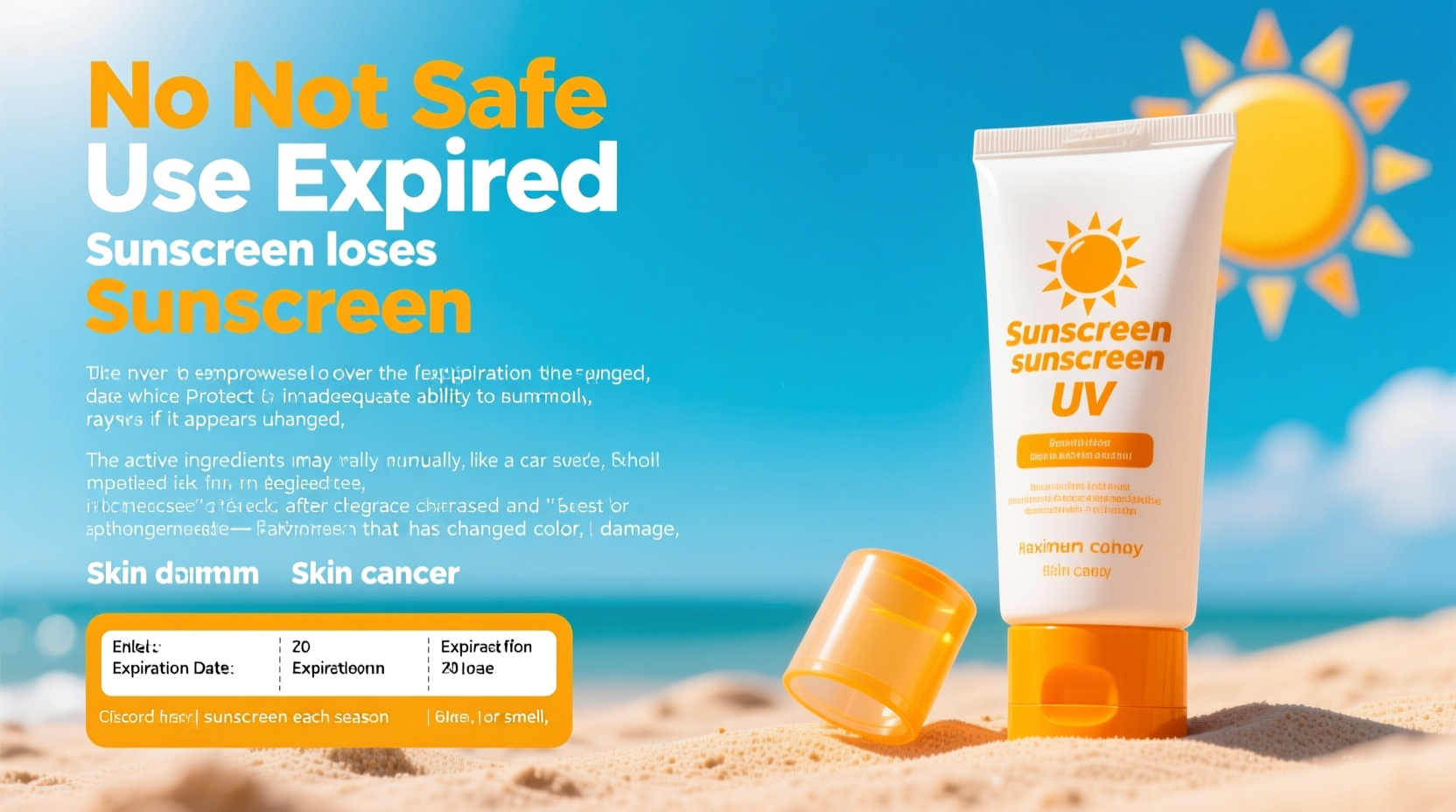
Sunscreen protects the skin by absorbing, reflecting, or scattering ultraviolet (UV) radiation. There are two main types: chemical and mineral (also called physical). Chemical sunscreens contain organic compounds like avobenzone or octinoxate that absorb UV rays and convert them into heat. Mineral sunscreens rely on zinc oxide or titanium dioxide to sit on the skin’s surface and deflect UV light.
Both types depend on precise chemical stability to function correctly. Over time, especially when exposed to heat, sunlight, or moisture, the active ingredients can degrade. This breakdown reduces the product’s ability to shield the skin from UVA and UVB rays. A sunscreen labeled SPF 30 may no longer deliver that level of protection if its components have deteriorated—even if the texture appears unchanged.
The U.S. Food and Drug Administration (FDA) requires all sunscreens to remain stable and effective for at least three years from the date of manufacture unless otherwise indicated. However, real-world conditions often accelerate degradation.
What Happens When Sunscreen Expires?
Expiration dates on sunscreen aren’t arbitrary. They reflect the point at which manufacturers can no longer guarantee full potency or safety. After this date, several changes may occur:
- Reduced UV Protection: Active ingredients break down, meaning the SPF value drops below what’s listed on the label. You might think you’re protected, but your skin could be absorbing harmful radiation.
- Texture and Smell Changes: Separation, clumping, or an off odor indicate instability. If lotion looks grainy or watery, it’s likely compromised.
- Bacterial Growth: Preservatives weaken over time, increasing the risk of microbial contamination—especially in humid environments like bathrooms or beach bags.
- Irritation Risk: Degraded chemicals may become more irritating, potentially causing redness, rashes, or allergic reactions.
A 2018 study published in the Journal of the American Academy of Dermatology found that over half of tested expired sunscreens failed to meet their labeled SPF after three years, with some delivering less than half the promised protection. This means prolonged exposure with expired sunscreen could result in sunburns or increased DNA damage in skin cells—defeating the entire purpose of application.
“Using expired sunscreen gives a false sense of security. It's worse than using no sunscreen at all because people tend to stay in the sun longer, believing they're protected.” — Dr. Nina Patel, Board-Certified Dermatologist
Do You Need to Replace Sunscreen Every Year?
Annual replacement isn't automatically required—but it’s a smart precaution for frequent users. How often you need to replace sunscreen depends on usage, storage, and packaging.
Consider these factors:
- Usage Frequency: Daily facial sunscreen users typically finish a bottle within 6–12 months. Body sunscreen used only during summer may last longer.
- Storage Conditions: Heat and sunlight degrade formulas faster. A bottle kept in a hot car during vacation may expire prematurely, even if within the labeled timeframe.
- Packaging Type: Pump bottles reduce contamination compared to jars, which are exposed to fingers and bacteria each use.
- Formula Type: Creams and lotions tend to degrade slower than sprays, which may clog or lose propellant efficiency over time.
If stored properly and used regularly, replacing sunscreen once per year—especially before peak sun season—is a practical rule of thumb. For occasional users, checking the expiration date and condition before each use is sufficient.
| Factor | Increases Shelf Life | Decreases Shelf Life |
|---|---|---|
| Storage Location | Cool, dry drawer or cabinet | Car glove compartment, bathroom window sill |
| Container Type | Pump or tube | Jar or open bottle |
| Exposure to Elements | Kept sealed, away from water | Frequent beach/pool use without rinsing cap |
| Frequency of Use | Used consistently, replaced annually | Left unused for multiple seasons |
Step-by-Step Guide: How to Evaluate Your Sunscreen’s Safety
Before applying any sunscreen past its prime, follow this evaluation process to ensure it’s still safe and effective:
- Check the Expiration Date: Look for a printed date or a symbol of an open jar with a number (e.g., “12M” means 12 months after opening).
- Inspect the Appearance: Shake gently. If oil and liquid don’t mix, or if there are lumps, discoloration, or separation that won’t recombine, discard it.
- Smell the Product: Rancid, sour, or chemically odors suggest spoilage.
- Assess Storage History: Was it left in a hot environment? Even short-term exposure to high temperatures can destabilize active ingredients.
- Test on a Small Area: Apply to a patch of skin and wait 24 hours. Watch for irritation, especially if the formula has changed.
- When in Doubt, Replace: Skin health is too important to gamble on questionable protection.
Mini Case Study: The Beach Vacation Misstep
Sarah, a 34-year-old teacher from Florida, reused a sunscreen she’d saved from the previous summer. The bottle had no visible signs of spoilage and was only eight months past its expiration date. She applied it liberally during a week-long beach trip, reapplying every two hours as recommended. Despite this, she developed a severe sunburn on her shoulders and back by day three.
Confused and concerned, Sarah consulted a dermatologist, who explained that while the sunscreen looked normal, the avobenzone had likely degraded due to partial exposure to high temperatures in her car trunk. The reduced UVA protection allowed deeper skin penetration, leading to burns she didn’t expect. Her case highlights how invisible chemical breakdown can undermine even careful sun safety habits.
Expert Recommendations and Authority Insights
Dermatologists overwhelmingly advise against relying on expired sunscreen. The American Academy of Dermatology (AAD) states that consumers should discard sunscreen past its expiration date and avoid buying in bulk unless usage is guaranteed within the shelf life.
“Sunscreen is a drug-product hybrid regulated for efficacy. Once it expires, it’s no longer medicine—it’s makeup with false promises.” — Dr. Rajiv Singh, Clinical Dermatologist and Researcher
The FDA mandates rigorous testing for sunscreen stability, but only under controlled conditions. Real-life variables like temperature swings and repeated opening compromise those results. Experts agree: consistent, reliable protection comes from fresh, well-maintained products.
FAQ: Common Questions About Expired Sunscreen
Can I use sunscreen six months after it expires?
It’s not recommended. While some products may retain partial effectiveness shortly after expiration, there’s no way to measure how much protection remains. Given the risks of sun damage, it’s safer to replace it.
Does unopened sunscreen last longer than opened?
Yes. Unopened sunscreen stored properly can remain effective up to the manufacturer’s expiration date—typically three years. Once opened, exposure to air, light, and bacteria accelerates degradation, even if the date hasn’t passed.
Are natural or organic sunscreens more prone to expiration?
Often, yes. Products with fewer synthetic preservatives may spoil faster. Organic sunscreens should be used within 6–12 months of opening and monitored closely for changes in texture or smell.
Final Checklist: When to Keep or Toss Your Sunscreen
- ✅ Keep: Within expiration date, stored in a cool place, no texture/smell changes, pump/tube packaging.
- ❌ Toss: Past expiration date, separated or grainy, strange odor, stored in heat, jar packaging with frequent use.
- 🔄 Replace Annually: Facial sunscreen, daily-use products, or any container opened more than a year ago.
- 🧴 Buy Smart: Purchase sizes you’ll use within a year; opt for travel containers during peak season.
- 📅 Label It: Mark the opening date on every new bottle.
Conclusion: Prioritize Protection Over Savings
While it may seem wasteful to discard a partially used bottle of sunscreen, the cost of skin damage far outweighs the price of a new one. Expired sunscreen offers unreliable defense, increasing the risk of sunburn, photoaging, and skin cancer. Replacing your sunscreen yearly—especially if used daily—is a small investment in lifelong skin health.
By storing your products properly, monitoring their condition, and following clear replacement guidelines, you ensure that every application delivers the protection you count on. Don’t let convenience compromise safety. Make sunscreen freshness part of your sun-smart routine.




 浙公网安备
33010002000092号
浙公网安备
33010002000092号 浙B2-20120091-4
Comments
No comments yet. Why don't you start the discussion?