
In the age of fast-paced digital communication, voice-to-text has become a common tool for sending messages on the go. Whether you're walking through a crowded street, driving (hands-free, of course), or multitasking between work and life, speaking into your phone feels efficient and natural. But what happens when the transcription comes out riddled with awkward phrasing, misplaced punctuation, or glaring grammatical errors? Is it strange—or even rude—to send a message that reads like a robot misheard your words? The answer isn’t as simple as yes or no. It depends on context, relationship dynamics, and expectations.
Voice-to-text technology has improved dramatically over the past decade, but it’s still far from perfect. Homophones, regional accents, background noise, and rapid speech can all lead to garbled output. And while many people accept minor quirks in informal chats, consistently sending poorly transcribed messages can affect how others perceive your attentiveness, professionalism, or even emotional investment in the conversation.
This article explores the social nuances of using voice-to-text, why grammar matters even in casual texts, and how to balance convenience with clarity—without making your recipient feel like an afterthought.
Why Voice-to-Text Often Produces Bad Grammar
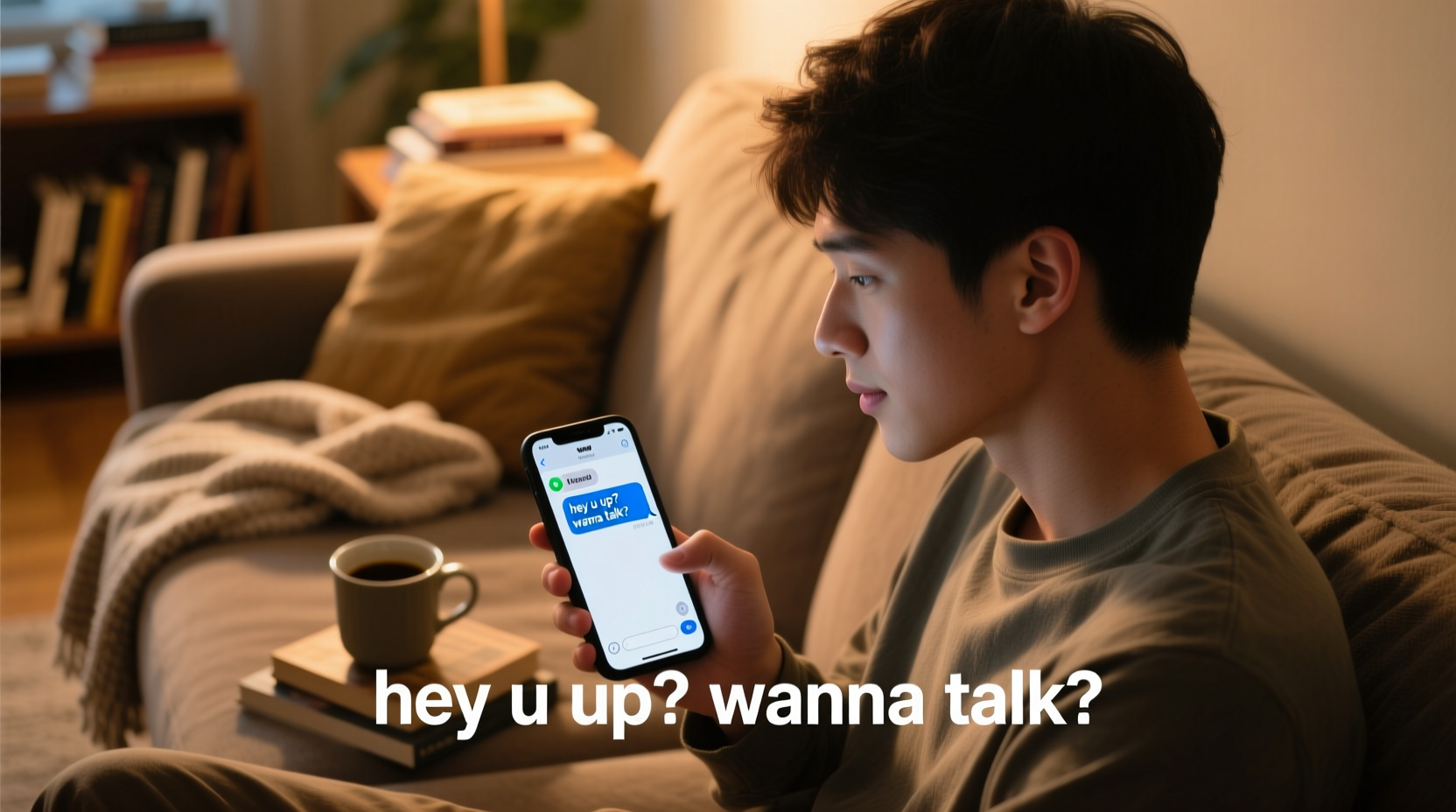
Voice recognition software interprets spoken language, which operates differently from written language. When we speak, we use contractions, pauses, filler words (\"um,\" \"like\"), and intonation to convey meaning. Written language relies more on syntax, punctuation, and structure. This gap creates friction when converting speech to text.
For example:
- Spoken: “Hey can you pick up milk on your way home maybe also eggs if they’re not too expensive?”
- Transcribed: “Hey can you pick up milk on your way home maybe also eggs if their not to expensive”
The resulting message lacks proper capitalization, uses “their” instead of “they’re,” and omits punctuation, making it harder to parse. These errors stem not from user carelessness but from inherent limitations in how voice-to-text systems process language.
“Speech is fluid and contextual; writing demands precision. When you skip the editing step, you risk losing nuance.” — Dr. Lena Torres, Linguist and Communication Researcher at NYU
Social Perception: Does It Seem Lazy or Rude?
The perception of voice-to-text messages varies widely based on the recipient, the relationship, and the setting. In close friendships or family groups, minor grammatical issues are often overlooked. People assume the sender was busy or prioritized speed over polish. However, in professional contexts or newer relationships, unedited voice-to-text messages can come across as careless or dismissive.
Consider these scenarios:
- A partner sends a string of fragmented, run-on sentences during a serious conversation about plans for the weekend. The lack of clarity may cause frustration or misunderstanding.
- An employee emails their manager using a raw voice-to-text draft with multiple homophone errors (“there” vs. “their”), creating the impression of low effort.
- A friend replies “I cant make it sorry gotta work late” without capitalization or punctuation, which might seem brusque despite good intentions.
These examples highlight a key point: tone is hard to convey in text, and poor grammar amplifies ambiguity. Without vocal cues or facial expressions, readers rely heavily on structure and word choice to interpret intent. Sloppy transcription can unintentionally signal disinterest—even when the sender is fully engaged.
When It’s Acceptable (and When It’s Not)
Not all texting contexts carry the same expectations. Understanding the spectrum of appropriateness helps determine whether voice-to-text fits the moment.
| Situation | Acceptable? | Why |
|---|---|---|
| Texting a sibling about dinner plans | Yes | Informal relationship; minor errors won’t damage connection |
| Replying to a coworker about a meeting time | With caution | Requires clarity; always proofread for professionalism |
| Flirty text to a new romantic interest | Risky | Poor grammar may undermine sincerity or perceived effort |
| Group chat banter among friends | Generally yes | Speed and humor often outweigh formal correctness |
| Complaint to customer service via messaging | No | Needs clear structure and correct grammar for effective resolution |
The general rule: the higher the emotional or professional stakes, the more important it is to ensure your message is coherent and respectful in tone. Voice-to-text isn’t inherently inappropriate—but skipping the editing step can be.
Mini Case Study: The Misunderstood Apology
Jamal needed to apologize to his girlfriend for missing her birthday dinner. Rushing between meetings, he dictated a message: “im really sorry i know i messed up i was stuck at work and couldnt leave and i feel awful.” He hit send without reviewing it.
His girlfriend read it as cold and robotic. The lowercase “i,” missing punctuation, and run-on sentence made it feel impersonal. She replied, “So you’re just telling me this through voice text? Couldn’t type a real message?”
Jamal hadn’t intended to seem indifferent. After clarifying his feelings in person, they discussed communication preferences. She explained that heartfelt messages—especially apologies—feel more sincere when carefully composed. From then on, Jamal reserved voice-to-text for quick logistics and wrote meaningful messages by hand.
This case illustrates how delivery impacts reception. The content was genuine, but the form undermined its emotional weight.
Best Practices for Using Voice-to-Text Without Looking Careless
Voice-to-text isn’t going away—and it shouldn’t. It’s a valuable tool when used wisely. The key is integrating it into your communication routine with intentionality. Here’s how to maintain clarity and respect while staying efficient.
Step-by-Step Guide to Polished Voice Messages
- Speak clearly and slowly. Enunciate words and pause between sentences to help the software distinguish clauses.
- Avoid slang or ambiguous phrases. Say “I will” instead of “I’ll” if accuracy is critical.
- Review the transcript immediately. Check for homophones, missing punctuation, and capitalization errors.
- Edit for tone and clarity. Break long sentences, add emojis if appropriate, and ensure the message reflects your intent.
- Resend if necessary. If the first version is too messy, delete it and re-dictate or type manually.
Checklist: Before Sending a Voice-to-Text Message
- ✅ Did I read the message aloud silently to check flow?
- ✅ Are homophones corrected (e.g., “there” vs. “their”)?
- ✅ Is punctuation present and logical?
- ✅ Does the tone match my intent (friendly, formal, apologetic)?
- ✅ Would I feel respected receiving this message as-is?
This small ritual takes less than 20 seconds but significantly improves how your message lands. Over time, it becomes second nature—much like double-checking an email subject line.
Expert Insight: Technology vs. Human Connection
As communication tools evolve, so do our expectations. Experts agree that while automation increases efficiency, it shouldn’t erode personal accountability.
“We’re outsourcing cognitive labor to machines, but emotional intelligence still resides in the human sender. Pressing ‘send’ without review is like mailing a letter with smudged ink and expecting the recipient to decode it.” — Dr. Rajiv Mehta, Digital Communication Psychologist
Dr. Mehta’s observation underscores a growing tension in digital etiquette: convenience should not override consideration. People don’t expect perfection, but they do expect effort. A well-edited voice message shows you value the recipient’s time and attention—even if you didn’t type every word yourself.
Frequently Asked Questions
Does everyone notice voice-to-text errors?
Not everyone actively critiques grammar, but most people subconsciously register clarity and tone. Even if they don’t point out errors, they may perceive the message as rushed or emotionally distant. Awareness varies by individual sensitivity and cultural norms around communication.
Is it worse than texting abbreviations like “u” for “you”?
It depends. Abbreviations are often accepted in casual contexts and can feel playful or familiar. Voice-to-text errors, however, usually appear accidental rather than stylistic, which can make them seem more jarring. “CU soon” feels intentional; “me and him is going” feels like a mistake.
Can voice-to-text damage professional relationships?
Yes, especially in early stages. A client or supervisor receiving a poorly transcribed message may question your attention to detail or reliability. In high-stakes environments, clarity is non-negotiable. Always proofread work-related messages, regardless of input method.
Conclusion: Respect the Medium, Respect the Recipient
Voice-to-text is a tool, not a replacement for thoughtfulness. Whether you’re texting a parent, a partner, or a project manager, the medium shapes the message. Bad grammar alone doesn’t make a message “weird”—but consistently sending unreviewed, disjointed texts can create a pattern of perceived indifference.
The solution isn’t to abandon voice-to-text. It’s to use it responsibly. Take a moment to scan your message. Fix the obvious errors. Add a period. Capitalize “I.” These tiny acts signal care. They bridge the gap between technological convenience and human connection.
Communication isn’t just about transmitting information—it’s about maintaining trust, clarity, and empathy across distances. In that light, the few seconds spent editing a voice message aren’t a burden. They’re an investment in how you show up for others.




 浙公网安备
33010002000092号
浙公网安备
33010002000092号 浙B2-20120091-4
Comments
No comments yet. Why don't you start the discussion?