
Parents face countless decisions when dressing their children—style, comfort, durability, and budget all play a role. One of the most debated choices is whether to invest in high-end designer kids' clothing or opt for gently used, secondhand options. With children outgrowing outfits in months, the pressure to make smart spending choices is real. This article examines both sides with practical insights, cost comparisons, and real-world experiences to help you determine what works best for your family.
The Allure of Designer Kids Clothes
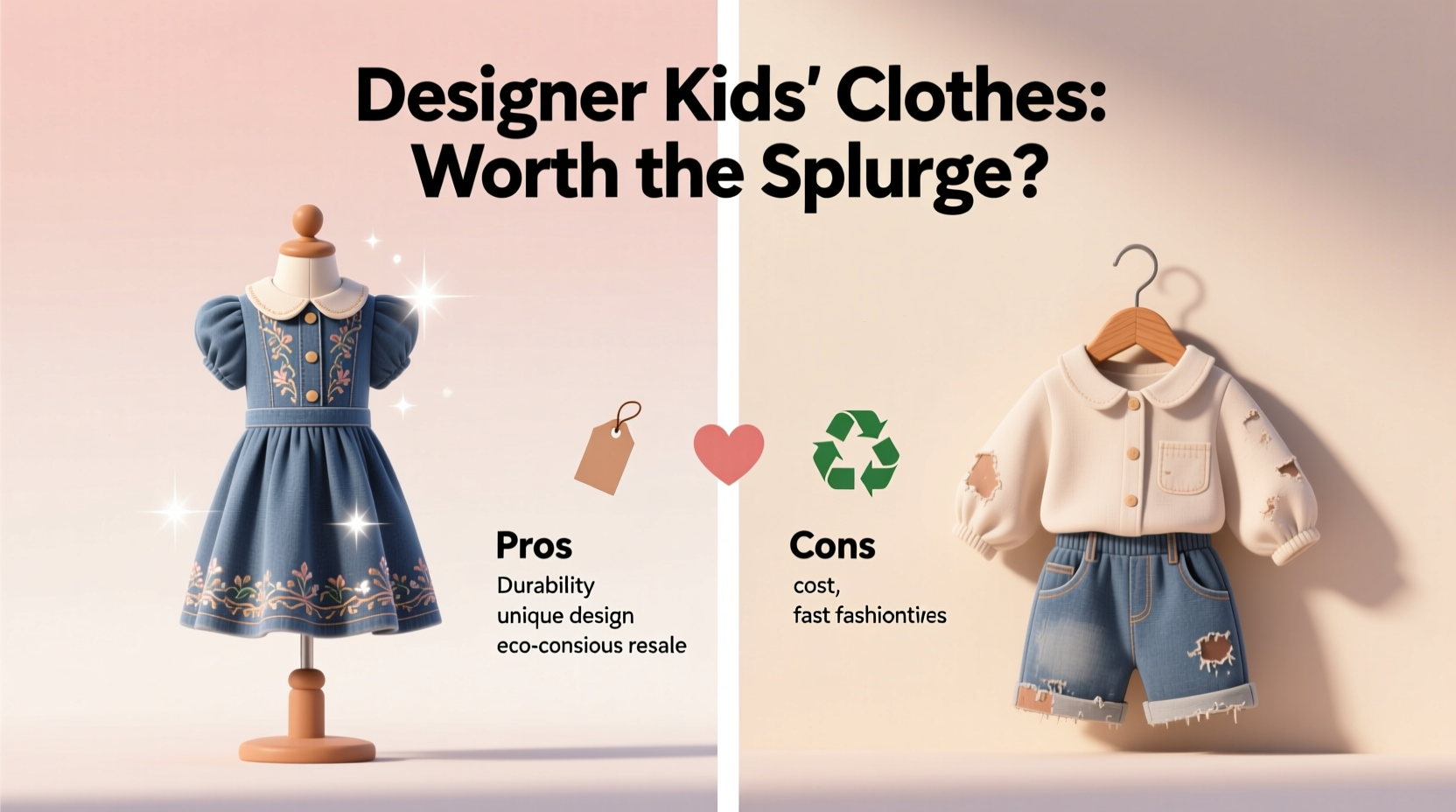
Designer children's clothing brands like Burberry, Ralph Lauren, Mini Boden, and Jacadi promise premium fabrics, meticulous craftsmanship, and stylish designs. These garments often feature soft organic cottons, reinforced stitching, and timeless patterns that appeal to parents who value aesthetics and longevity.
But beyond appearance, there are tangible benefits. High-quality materials tend to withstand repeated washing better than fast fashion alternatives. A well-made cotton bodysuit from a reputable brand may retain its shape and color after dozens of washes, whereas a budget version might pill or shrink within a few cycles.
“Parents often overlook fabric integrity in kids’ wear, but breathable, non-irritating textiles matter—especially for sensitive skin.” — Dr. Lena Patel, Pediatric Dermatologist
Still, the price tags can be staggering. A single designer onesie can cost $50 or more, while full outfits frequently exceed $150. For rapidly growing toddlers, this raises a critical question: does the investment pay off?
The Case for Secondhand Clothing
Secondhand kids’ clothes have surged in popularity, driven by rising living costs and growing environmental awareness. Platforms like ThredUp, Poshmark, local consignment shops, and community swaps make it easier than ever to find high-quality pre-loved items at a fraction of retail prices.
Children typically wear an outfit only a handful of times before outgrowing it. This short lifecycle makes secondhand shopping not just economical but also sustainable. According to the EPA, over 11 million tons of textile waste end up in landfills annually, much of it from clothing discarded after minimal use.
Buying secondhand allows families to access premium brands without the premium price. You might find a nearly new Burberry sweater for $20 instead of $120—or stock up on everyday basics like leggings and sleepers for under $5 each.
Cost Comparison: Designer vs. Secondhand Over Time
To evaluate long-term value, consider how much you spend per wear. The table below compares two hypothetical scenarios for a child aged 6–18 months.
| Category | Designer (New) | Secondhand (Gently Used) |
|---|---|---|
| Avg. Cost per Outfit | $65 | $12 |
| Number of Outfits Purchased | 10 | 30 |
| Total Spend | $650 | $360 |
| Avg. Wears per Item | 6 | 5 |
| Cost Per Wear | $1.80 | $0.72 |
While designer clothes may last longer per item, the sheer volume and lower cost-per-wear of secondhand options often make them the more economical choice—especially when factoring in rapid growth spurts.
When Splurging Makes Sense
That said, there are specific situations where investing in designer pieces is justified:
- Hand-me-down potential: If you plan to pass clothes to younger siblings, higher durability pays dividends.
- Sensitive skin: Organic cotton and hypoallergenic fabrics in designer lines can reduce rashes and discomfort.
- Special occasions: Well-crafted dresses, suits, or holiday outfits worn infrequently benefit from better construction and timeless design.
- Winter gear: Quality coats, boots, and snowsuits protect against harsh weather and are harder to source reliably secondhand.
In these cases, the initial cost is offset by extended usability, safety, or emotional value.
Mini Case Study: The Two-Sibling Strategy
Sophia, a mother of two in Portland, adopted a hybrid approach. For her first child, she bought mostly new, including several designer pieces. When her son quickly outgrew them, she resold 80% through a local consignment shop, recouping about 40% of her original spend.
With her second child, she prioritized secondhand basics and reserved her budget for a few key designer items: a wool-blend winter coat, leather boots, and three silk-blend party dresses. By mixing sources, she cut her annual clothing budget by 60% while maintaining quality and variety.
“I realized I wasn’t dressing my baby—I was dressing my own expectations,” she said. “Once I let go of the idea that everything had to be new, it became so much easier.”
How to Shop Smart: A Practical Checklist
Whether you lean toward designer or secondhand, these steps will maximize value and minimize waste:
- Assess your child’s growth pattern—buy slightly larger sizes if they grow quickly.
- Prioritize essentials: underwear, sleepwear, and weather-appropriate outer layers.
- Inspect secondhand items carefully for stains, loose seams, or missing buttons.
- Check return policies when buying online, especially for new designer goods.
- Join local parenting groups or clothing swaps to access free or low-cost options.
- Donate or resell clothes promptly to recover value and free up space.
- Avoid trendy pieces unless they’re inexpensive—kids outgrow styles faster than fads fade.
Frequently Asked Questions
Are secondhand clothes safe for babies?
Yes, as long as they are thoroughly washed before use. Avoid items with broken zippers, loose embellishments, or signs of excessive wear. Steer clear of recalled products or overly worn sleepwear that may not meet current safety standards.
Do designer kids' clothes really last longer?
Not always—but often. Higher-end brands typically use better stitching, stronger seams, and higher thread counts. However, many fast-fashion retailers now mimic these qualities. The key is checking fabric weight and construction, not just the label.
Can I mix secondhand and new clothes effectively?
Absolutely. Many families adopt a “best of both worlds” strategy: secondhand for everyday wear and new or designer for heirloom pieces, photos, or gifts. This balances cost, quality, and sentimental value.
Final Thoughts: Value Over Vanity
The decision between designer and secondhand kids’ clothes isn’t about right or wrong—it’s about aligning your choices with your values, budget, and lifestyle. While designer garments offer undeniable quality and prestige, secondhand options provide remarkable affordability and sustainability without sacrificing style.
What matters most isn’t the label inside the collar, but how the clothing serves your child’s needs and your family’s reality. Thoughtful consumption—whether buying new or pre-owned—leads to smarter spending, less clutter, and a lighter environmental footprint.




 浙公网安备
33010002000092号
浙公网安备
33010002000092号 浙B2-20120091-4
Comments
No comments yet. Why don't you start the discussion?