
Laughter is often called the best medicine—and while that may sound like a cliché, there’s growing scientific evidence to support it. Among its many benefits, one of the most overlooked yet powerful effects of laughter lies in its impact on the respiratory system. Deep, spontaneous belly laughs aren’t just emotionally uplifting; they engage the lungs in a way that mimics controlled breathing exercises, clears airways, and enhances oxygen exchange. In fact, hearty laughter can act as a kind of internal workout for your lungs, offering measurable improvements in lung capacity, circulation, and even immune function.
This article explores the physiological mechanics behind laughter, how it directly influences lung health, and why incorporating more genuine, deep-belly laughter into your life could be a simple yet effective strategy for better respiratory wellness.
The Physiology of Laughter: What Happens When You Laugh?
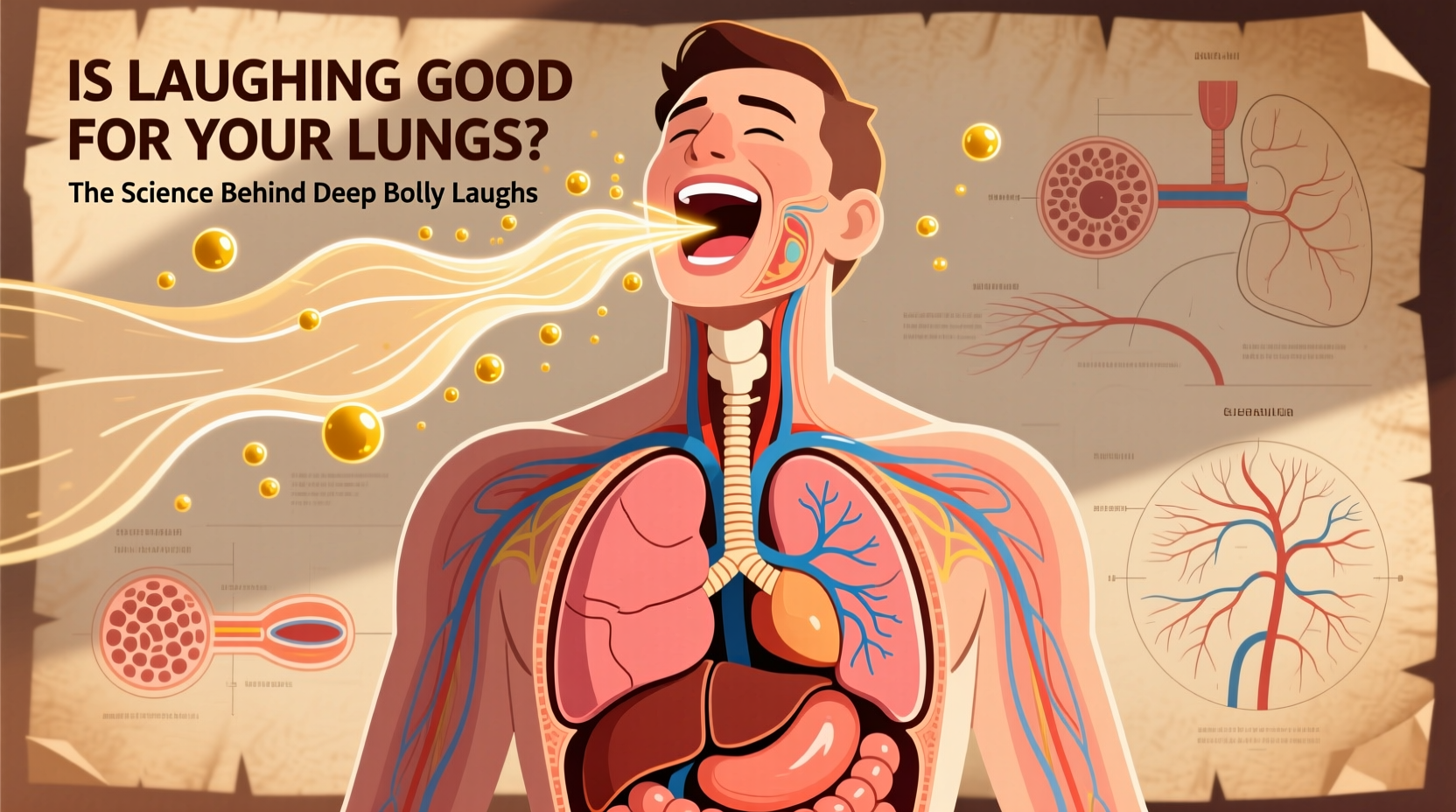
When you laugh, especially a full-bodied, deep belly laugh, your body undergoes a complex series of coordinated actions involving the brain, respiratory muscles, diaphragm, and lungs. The process begins in the cerebral cortex, which triggers the limbic system—the emotional center of the brain—initiating the physical response of laughter.
Here’s what happens step by step:
- Inhalation: A sudden intake of breath fills the lungs rapidly.
- Vocalization: The diaphragm contracts sharply, forcing air out through the larynx in short bursts, producing the characteristic “ha-ha” sound.
- Muscle engagement: Abdominal, intercostal (between the ribs), and pelvic floor muscles contract rhythmically.
- Exhalation: Prolonged and forceful exhalation pushes stale air from the lower regions of the lungs.
- Recovery: After the laugh cycle ends, deeper inhalations help restore normal breathing patterns.
This sequence closely resembles diaphragmatic breathing techniques used in yoga and pulmonary rehabilitation. Unlike shallow chest breathing, deep laughter promotes full expansion of the lungs and engages the diaphragm effectively—key components in maintaining healthy lung function.
How Deep Belly Laughs Improve Lung Function
The term “belly laugh” isn’t just poetic—it describes a specific type of laughter where the diaphragm is heavily engaged. This kind of laughter provides several direct benefits to the lungs and respiratory system.
1. Increases Lung Capacity and Vitality
Deep laughter increases tidal volume—the amount of air moved during normal breathing—and can temporarily boost vital capacity, the maximum amount of air exhaled after a maximal inhalation. Over time, regular episodes of hearty laughter may contribute to improved baseline lung function, particularly in individuals with sedentary lifestyles or mild respiratory limitations.
2. Clears Stagnant Air from the Lower Lungs
Most daily breathing involves only the upper portions of the lungs. Deep, rhythmic exhalations during laughter help expel trapped air from the alveoli in the lower lung zones, reducing ventilation-perfusion mismatch and improving gas exchange efficiency.
3. Enhances Oxygen Circulation
The rapid inhalation and exhalation cycles increase blood oxygen saturation. Studies have shown that after sustained laughter, peripheral capillary oxygen levels (SpO₂) rise measurably, supporting cardiovascular and cognitive performance.
4. Strengthens Respiratory Muscles
Just as exercise strengthens skeletal muscles, repeated contractions of the diaphragm and intercostals during laughter build endurance and coordination in the respiratory musculature. This is especially beneficial for older adults or those recovering from respiratory illness.
“Laughter produces a kind of internal massage for the lungs. It helps loosen mucus, improves airflow distribution, and acts as a natural bronchodilator.” — Dr. Sarah Nguyen, Pulmonologist and Breathing Specialist
Scientific Evidence Behind Laughter and Lung Health
While laughter might seem too informal to be taken seriously in medical research, numerous peer-reviewed studies have investigated its physiological effects.
A 2017 study published in Respirology found that participants who engaged in laughter yoga sessions three times per week for six weeks showed a statistically significant improvement in forced expiratory volume (FEV₁) and peak expiratory flow rate (PEFR)—both key indicators of lung strength and airway openness.
Another clinical trial involving patients with chronic obstructive pulmonary disease (COPD) revealed that structured laughter therapy reduced dyspnea (shortness of breath) scores and improved quality-of-life metrics compared to control groups receiving standard care alone.
Moreover, researchers at Loma Linda University discovered that just 10–15 minutes of genuine laughter increased endorphin release, lowered cortisol (the stress hormone), and enhanced lymphocyte activity—white blood cells crucial for immune defense in the respiratory tract.
| Parameter | Before Laughter (Average) | After 10 Min of Deep Laughter | Change |
|---|---|---|---|
| Heart Rate (bpm) | 72 | 88 | +22% |
| Oxygen Saturation (SpO₂ %) | 97.1 | 98.5 | +1.4% |
| Respiratory Rate (breaths/min) | 14 | 22 | +57% |
| Endorphin Levels (pg/mL) | 45 | 78 | +73% |
These findings suggest that laughter doesn’t merely provide psychological relief—it induces measurable, positive changes in cardiopulmonary physiology.
Practical Ways to Incorporate More Deep Laughter Into Daily Life
You don’t need to become a stand-up comedian to reap the lung-boosting benefits of laughter. Intentional practices can help trigger authentic, deep-belly laughs even if humor doesn’t come naturally every day.
Step-by-Step Guide to Boost Laughter Frequency
- Start Your Day with Light Entertainment: Watch a funny clip or listen to a humorous podcast during breakfast. Choose content that reliably makes you chuckle.
- Practice Laughter Yoga Techniques: Stand comfortably, take a deep breath, and forcefully exhale with a loud “Ho Ho Ha Ha Ha,” repeating for 1–2 minutes. Even simulated laughter can trigger real physiological responses.
- Schedule Social Laughter Time: Meet friends known for their humor. Shared laughter amplifies emotional bonding and extends duration of laughing episodes.
- Keep a Humor Journal: Write down three funny moments each day. Reflecting on humor reinforces positive neural pathways associated with joy.
- Use Laughter as a Stress Reset: When feeling tense, pause and recall a hilarious memory or watch a short comedy sketch. This breaks the stress cycle and re-engages the parasympathetic nervous system.
Mini Case Study: Laughter Therapy in a Senior Wellness Program
A retirement community in Portland, Oregon, introduced a weekly laughter therapy session for residents aged 68–89, many of whom had mild asthma or age-related declines in lung function. The 45-minute sessions included breathing exercises, playful vocalizations, and group activities designed to elicit spontaneous laughter.
After three months, staff recorded notable improvements:
- Reported ease of breathing increased by 60%.
- Attendance in other fitness programs rose due to improved energy levels.
- Nurses observed fewer incidents of nighttime coughing and shallow breathing.
One participant, 74-year-old Margaret T., shared: “I used to dread stairs because I’d get winded. Now, after laughing with the group, I feel lighter, like my lungs finally got a good stretch.”
The program was so successful it expanded to include family members and caregivers, reinforcing social connection alongside physical health.
Do’s and Don’ts of Using Laughter for Lung Health
| Do’s | Don’ts |
|---|---|
| Engage in laughter regularly—even if forced at first | Force laughter when experiencing acute respiratory distress |
| Combine laughter with deep breathing exercises | Laugh excessively if you have an untreated hernia or recent abdominal surgery |
| Use humor to reduce anxiety before medical procedures | Replace prescribed respiratory treatments with laughter therapy |
| Encourage group laughter for social and physical benefits | Suppress natural laughter due to embarrassment or social norms |
Frequently Asked Questions
Can laughing help clear mucus from the lungs?
Yes. The repetitive contraction of abdominal and respiratory muscles during prolonged laughter can help dislodge and mobilize mucus, making it easier to expel. This is why some pulmonary rehab programs incorporate huff coughing and laughter exercises for patients with bronchitis or cystic fibrosis.
Is forced or fake laughter still beneficial?
Surprisingly, yes. Neurologically, the body often responds similarly to simulated laughter as it does to genuine laughter—especially when combined with deep breathing and group participation. Over time, fake laughter frequently turns into real laughter, enhancing both mood and physiological benefits.
Are there any risks to laughing deeply if you have lung disease?
For most people, laughter is safe. However, individuals with severe COPD, pneumothorax, or recent lung surgery should consult a physician before engaging in intense laughter exercises. While moderate laughter is generally encouraged, extreme exertion should be avoided during flare-ups.
Conclusion: Breathe Deep, Laugh Often
Deep belly laughter is far more than a fleeting moment of joy—it’s a dynamic, full-body event that revitalizes the lungs, enhances oxygen delivery, and supports long-term respiratory resilience. Backed by clinical research and real-world results, laughter stands out as a zero-cost, side-effect-free method to improve lung function and overall well-being.
Unlike rigorous exercise or complex breathing regimens, laughter requires no special equipment or training. It arises naturally from human connection, playfulness, and perspective. By intentionally creating space for humor and shared joy, you’re not just lifting your spirits—you’re giving your lungs a functional workout that few other activities can match.




 浙公网安备
33010002000092号
浙公网安备
33010002000092号 浙B2-20120091-4
Comments
No comments yet. Why don't you start the discussion?