
When it comes to holiday decorating, few elements evoke as much warmth and tradition as garlands. Whether made of evergreen boughs, popcorn, cranberries, or shimmering tinsel, garlands add texture, depth, and nostalgic charm to Christmas trees. But a growing trend—layering multiple garlands on a single tree—has sparked debate among decorators: does it elevate the design, or does it cross into visual clutter?
The answer isn’t black and white. For some, layering three or more garlands creates a lush, luxurious centerpiece. For others, it’s an overwhelming distraction from ornaments and lights. The real question isn’t whether layering is inherently good or bad—it’s whether it serves your aesthetic, space, and overall vision.
The Allure of Layered Garlands
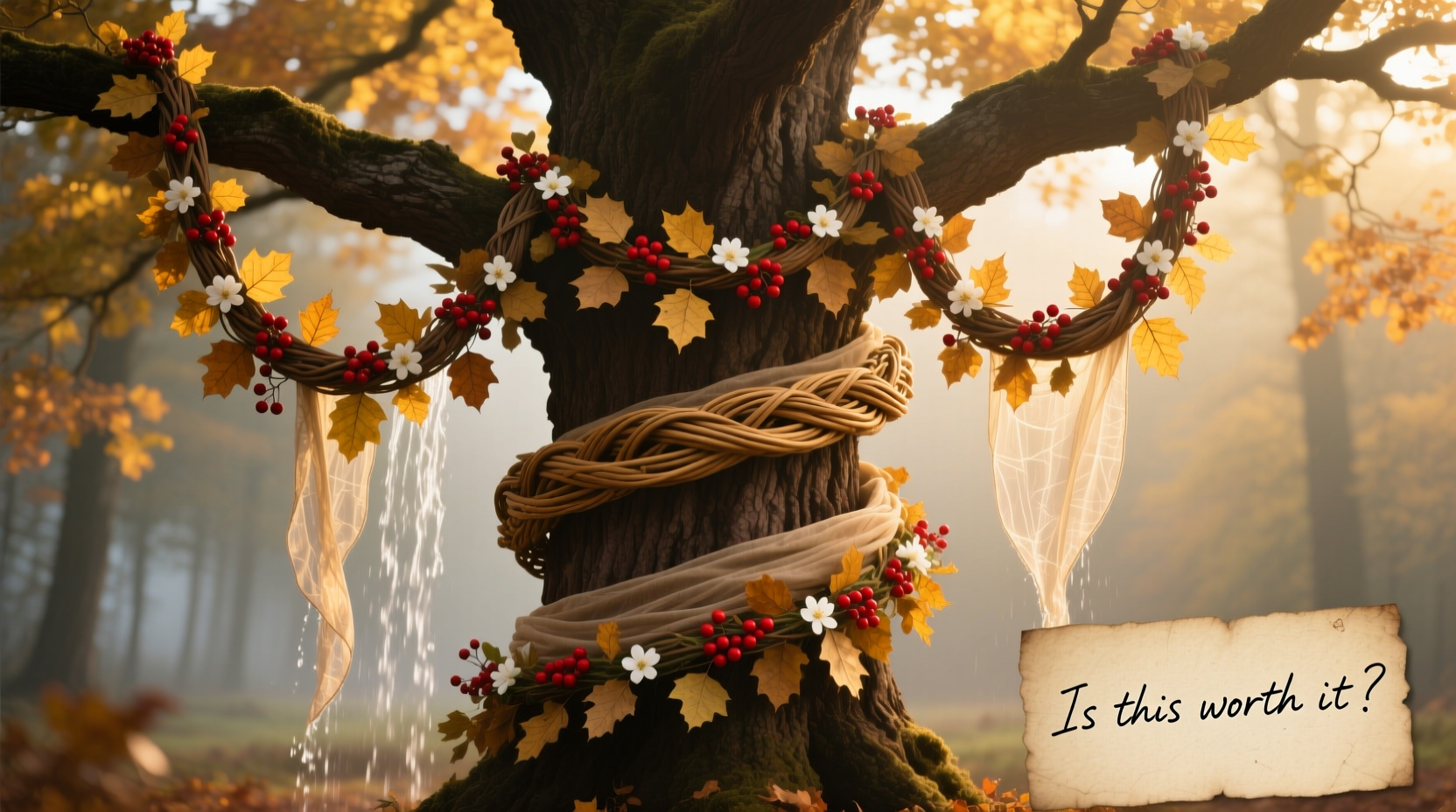
Layering garlands has become increasingly popular in high-end holiday displays, especially in luxury homes and editorial photo shoots. The appeal lies in volume and dimension. A single strand of garland often gets lost among branches and ornaments, especially on large or full trees. Adding multiple strands can create a cohesive flow that guides the eye from top to bottom.
Designers use layered garlands to mimic natural abundance—like ivy winding through a forest or vines draping over a porch. When done well, the effect is organic, rich, and immersive. It works particularly well with mixed-material garlands (e.g., pinecones, berries, and faux snow) that catch light differently, adding subtle variation with every turn.
When Layering Works Best
Not all trees benefit equally from layered garlands. Success depends on scale, proportion, and design intent. Here are the scenarios where multiple garlands enhance rather than overwhelm:
- Large trees (7 feet and above): On taller or wider trees, one garland may not provide enough visual weight. Two or three strands spaced evenly can anchor the design and prevent the middle sections from feeling sparse.
- Minimal ornament schemes: If you're using fewer, larger ornaments or favoring a rustic, Scandinavian look, garlands can carry more of the decorative load.
- Themed or monochromatic trees: In silver-and-white glam trees or forest-green natural designs, layered garlands unify the palette and reinforce the theme.
- Commercial or event spaces: In lobbies, hotels, or photo backdrops, bold, layered garlands command attention and justify their dramatic presence.
“Garlands are the ‘bones’ of a tree’s design. When layered thoughtfully, they structure the eye’s journey before it even lands on ornaments.” — Lila Montgomery, Interior Stylist & Holiday Design Consultant
When It Becomes Overkill
Just as too much salt ruins a dish, excessive garlanding can sabotage an otherwise elegant tree. Signs that you’ve crossed into overkill territory include:
- Ornaments disappear behind tangled strands.
- The tree feels “busy” or chaotic from across the room.
- Garlands compete with lights instead of complementing them.
- The base of the tree looks weighed down or messy.
One common mistake is treating garlands like lights—wrapping them tightly in uniform spirals. Unlike string lights, which benefit from consistency, garlands should feel organic. Over-layering often stems from a desire for “fullness,” but fullness achieved through repetition can read as redundancy.
Another pitfall: combining too many types. Mixing popcorn, tinsel, beaded, and fresh greenery garlands on one tree risks visual noise. Each material carries its own era and mood—tinsel says 1950s glamour, popcorn says 1980s nostalgia, fresh greens say modern farmhouse. Blending two is daring; blending four is confusing.
A Practical Guide to Balanced Garland Layering
If you’re considering multiple garlands, follow this step-by-step approach to maintain elegance and intentionality.
- Determine your tree’s size and density. Measure height and circumference. Trees under 6 feet rarely need more than one garland unless very slim.
- Choose a primary garland. This should be the longest and most visually dominant—usually a natural or textured strand like pine, eucalyptus, or chunky beads.
- Select one complementary secondary garland. Opt for contrast in texture, not color. For example, pair a thick evergreen rope with a delicate pearl or velvet ribbon chain.
- Plan the drape, not the wrap. Instead of spiraling both strands together, let one flow in a classic spiral and the other meander vertically in loose swags from top to bottom.
- Test before securing. Drape loosely and view from multiple angles. Step back. If you can’t see focal ornaments or the tree’s shape is obscured, reduce layers.
- Secure intermittently. Use floral wire or twist ties only at key junctions (e.g., where branches fork) to maintain a natural, unforced look.
Material Matters: Choosing the Right Combination
Not all garlands play well together. The table below outlines compatible pairings and combinations to avoid.
| Primary Garland | Good Pairing | Avoid Pairing With |
|---|---|---|
| Fresh Evergreen Rope | Velvet Ribbon, Pinecone Chain | Tinsel, Beads, Popcorn |
| Tinsel (vintage-style) | Pearl Strand, Metallic Cord | Popcorn, Burlap, Natural Wood |
| Popcorn & Cranberry | Plaid Ribbon, Mini Pinecones | Glitter, LED-lit Chains |
| Beaded (glass or wood) | Silk Florals, Satin Ribbon | Foam Shapes, Light-up Elements |
| Faux Snow-Dusted Vines | White Lights, Silver Orbs | Red/Green Themes, Rustic Elements |
The key is harmony. If one garland reflects light, the other should absorb it. If one is rigid, the other should drape softly. Think yin and yang, not echo chamber.
Real Example: The Modern Farmhouse Tree Makeover
Sarah K., a homeowner in Portland, Oregon, wanted to refresh her 8-foot Fraser fir with a cozy yet sophisticated vibe. Her initial plan included three garlands: a thick eucalyptus rope, a glittery silver tinsel strand, and a handmade popcorn chain.
After draping all three in tight spirals, the tree looked cluttered. Ornaments vanished, and the tinsel clashed with the natural tones. She consulted a local decorator who suggested a reset: keep the eucalyptus as the primary garland, remove the tinsel entirely, and replace the popcorn with a linen ribbon dotted with dried orange slices and cinnamon sticks.
The result? A tree that felt abundant but breathable. The eucalyptus provided volume, while the ribbon added artisanal charm without competing. By reducing from three to two thoughtfully chosen garlands, the tree gained character and clarity.
Checklist: Is Your Garland Layering Working?
Use this checklist before finalizing your tree design:
- ✅ Can you clearly see at least 70% of your main ornaments?
- ✅ Do the garlands enhance, rather than hide, your light pattern?
- ✅ Are the textures complementary, not competing?
- ✅ Does the tree look balanced from across the room?
- ✅ Can you identify a clear focal point (e.g., star, heirloom ornament)?
- ✅ Does the base of the tree look tidy, not sagging?
If you answered “no” to two or more, consider simplifying.
FAQ: Common Questions About Garland Layering
Can I mix real and fake garlands?
Yes, but with caution. Fresh garlands dry out and shed; synthetic ones stay consistent. If mixing, place real garlands higher on the tree where heat exposure is lower, and secure fake ones first to provide structural support.
How many garlands are too many?
As a rule: one for trees under 6 feet, two for 6–8 feet, and three only if the tree is oversized (9+ feet) or part of a dramatic display. More than three is almost always excessive for residential spaces.
Should garlands go on before or after lights?
Always install lights first. Garlands layered over lights help diffuse and reflect illumination, creating a warmer glow. Adding lights after garlands risks snagging and uneven distribution.
Final Verdict: Worth the Effort or Overkill?
Layering multiple garlands can be worth the effort—but only when done with purpose. It’s not about quantity; it’s about curation. A well-layered tree tells a story, guiding the viewer through textures, memories, and moods. An over-layered tree shouts for attention and ends up saying nothing.
The effort pays off when the layers serve a role: filling gaps, reinforcing a theme, or adding movement. It becomes overkill when driven by habit, excess, or the fear of an “empty” tree. Remember, negative space is not a flaw—it’s a design feature.
In the end, the best-decorated trees aren’t the fullest—they’re the most intentional.




 浙公网安备
33010002000092号
浙公网安备
33010002000092号 浙B2-20120091-4
Comments
No comments yet. Why don't you start the discussion?