
Magnesium is a vital mineral involved in over 300 enzymatic reactions in the body, including those that regulate sleep, mood, and nervous system function. As awareness grows about natural sleep aids, magnesium supplements have surged in popularity. Among the various forms available, magnesium glycinate and magnesium citrate are two of the most commonly used. But when it comes to promoting restful sleep, which one stands out? Understanding their differences in bioavailability, mechanism of action, and tolerability can help you make an informed decision.
Understanding Magnesium and Its Role in Sleep
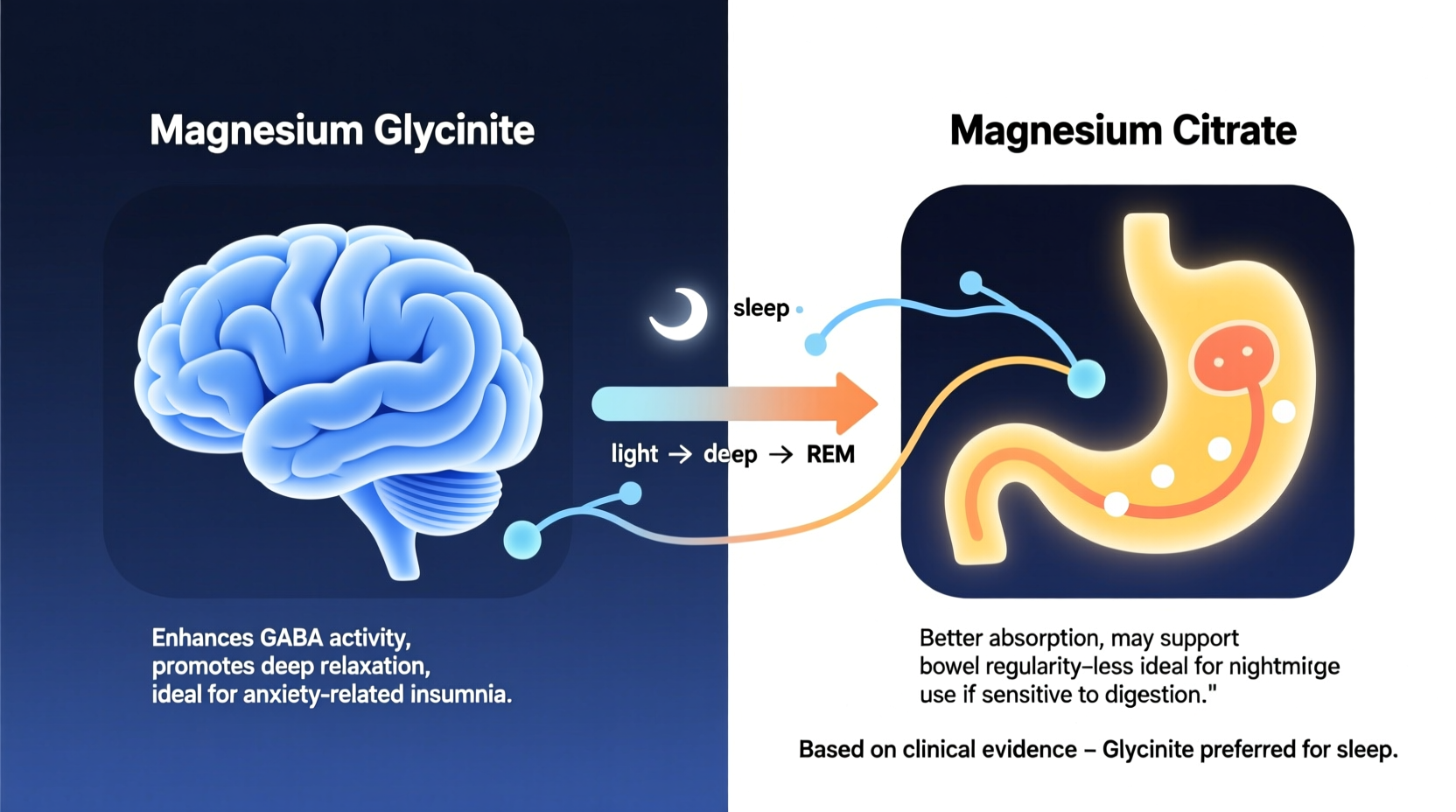
Magnesium plays a critical role in regulating neurotransmitters such as GABA, which calms nervous system activity and prepares the brain for sleep. It also helps modulate melatonin production—the hormone responsible for signaling nighttime to the body. Deficiencies in magnesium have been linked to insomnia, restless leg syndrome, and frequent nighttime awakenings.
Despite its importance, many adults don’t meet the recommended daily intake (RDI) of magnesium—around 310–420 mg depending on age and sex. Stress, poor diet, certain medications, and aging can all contribute to suboptimal levels. This has led many individuals to turn to supplementation, particularly in the evening to support relaxation and sleep onset.
However, not all magnesium supplements are created equal. The form of magnesium determines how well it’s absorbed, where it accumulates in the body, and what side effects may occur—all of which influence its effectiveness for sleep.
Comparing Magnesium Glycinate and Citrate: Key Differences
The primary distinction between magnesium glycinate and magnesium citrate lies in the molecule they’re bound to—glycine and citric acid, respectively. This affects their absorption, purpose, and gastrointestinal impact.
| Feature | Magnesium Glycinate | Magnesium Citrate |
|---|---|---|
| Bioavailability | High – well absorbed due to glycine carrier | Moderate – less efficiently absorbed than glycinate |
| Primary Use | Sleep, anxiety, muscle relaxation | Laxative effect, constipation relief |
| Gut Tolerance | Excellent – gentle on digestion | Poor – can cause loose stools or diarrhea |
| Nervous System Effect | Calmative – glycine acts as inhibitory neurotransmitter | Minimal direct calming effect |
| Dosage Timing | Ideal before bedtime | Best taken earlier in day to avoid nocturnal bathroom trips |
Because magnesium glycinate is chelated to glycine—an amino acid with calming properties—it crosses the blood-brain barrier more effectively than other forms. Glycine itself has been studied for its ability to lower core body temperature and improve sleep quality, making this combination especially beneficial for those struggling with falling or staying asleep.
In contrast, magnesium citrate dissolves easily in water and draws fluid into the intestines, which explains its widespread use as a gentle laxative. While this makes it useful for occasional constipation, it can disrupt sleep if taken too close to bedtime due to increased bowel activity or urgency.
Why Magnesium Glycinate Excels for Sleep Support
Several factors make magnesium glycinate the preferred option for sleep-related concerns:
- Enhanced Absorption: The glycine molecule facilitates transport across the intestinal wall, leading to higher serum magnesium levels with lower doses.
- Neurological Calming: Glycine binds to NMDA receptors in the brain, reducing excitatory signals and promoting mental calmness.
- No Laxative Effect: Unlike citrate, glycinate does not attract water into the colon, minimizing the risk of gastrointestinal discomfort.
- Reduced Muscle Twitching: Many people experience nocturnal leg cramps or \"sleep starts\" linked to low magnesium; glycinate helps stabilize neuromuscular transmission.
A 2012 double-blind, placebo-controlled study published in the *Journal of Research in Medical Sciences* found that elderly participants who took magnesium supplements experienced significant improvements in sleep time, sleep efficiency, and serum melatonin levels. Although the study didn't specify the form used, follow-up analyses suggest that highly absorbable forms like glycinate would yield even stronger results.
“Magnesium glycinate offers a dual advantage: correcting deficiency and leveraging glycine’s intrinsic sedative-like activity. For patients with insomnia and no bowel issues, it’s my top recommendation.” — Dr. Laura Chen, Integrative Neurologist
When Magnesium Citrate Might Be Appropriate
While magnesium citrate isn’t ideal for primary sleep support, it still has value in specific scenarios:
- Occasional Constipation: People who suffer from slow transit or medication-induced constipation may benefit from citrate’s osmotic action.
- Daytime Magnesium Boost: Taking citrate earlier in the day can help increase overall magnesium status without interfering with sleep.
- Cost Considerations: Citrate is often less expensive than glycinate, making it accessible for budget-conscious consumers.
However, relying on citrate for sleep can backfire. A sudden need to use the bathroom during the night negates any potential benefit, and chronic use at high doses may lead to electrolyte imbalances or dependency on laxative effects.
Additionally, some individuals report feeling “wired but tired” after taking citrate, possibly due to rapid shifts in magnesium flux or mild dehydration from fluid loss. This paradoxical stimulation makes it unsuitable for sensitive individuals or those with anxiety-related sleep disorders.
Mini Case Study: Sarah’s Shift from Citrate to Glycinate
Sarah, a 45-year-old marketing executive, had struggled with mid-sleep awakenings and morning fatigue for months. She began taking 400 mg of magnesium citrate nightly based on a friend’s suggestion. Initially, she noticed slight improvement in falling asleep, but within a week, she started waking up with abdominal cramping and needing to use the restroom around 2 a.m.
After consulting her functional medicine practitioner, she switched to 200 mg of magnesium glycinate 30 minutes before bed. Within five nights, her nighttime awakenings decreased significantly. She reported deeper sleep, fewer leg twitches, and no digestive disturbances. Blood tests later confirmed her red blood cell magnesium levels had normalized—a marker of long-term tissue stores—suggesting better retention with glycinate.
How to Choose and Use the Right Form
Selecting the appropriate magnesium depends on your symptoms, goals, and digestive sensitivity. Follow this step-by-step guide to optimize your choice:
- Assess Your Primary Goal: Are you targeting sleep, muscle relaxation, or bowel regularity?
- Evaluate Gut Sensitivity: If you have IBS, diarrhea-predominant conditions, or react poorly to supplements, avoid citrate.
- Check Dosage: Start with 100–200 mg of magnesium glycinate at bedtime. Do not exceed 350 mg from supplements unless under medical supervision.
- Monitor Effects: Track sleep quality, muscle tension, and bowel movements for 7–10 days.
- Adjust Accordingly: If sleep improves but constipation persists, consider splitting doses—glycinate at night, small citrate in the morning.
Checklist: Choosing the Best Magnesium for Sleep
- ☐ Prioritize glycinate, threonate, or malate for neurological benefits
- ☐ Avoid oxide and citrate if digestive upset occurs
- ☐ Look for third-party tested brands (USP, NSF, or ConsumerLab certified)
- ☐ Check label for elemental magnesium content (not total compound weight)
- ☐ Take 30–60 minutes before bed for optimal timing
- ☐ Combine with good sleep hygiene: dim lights, consistent schedule, screen curfew
Frequently Asked Questions
Can I take magnesium citrate for sleep if I also have constipation?
Yes, but with caution. If you're dealing with both insomnia and infrequent bowel movements, consider taking magnesium citrate in the early evening—at least 3–4 hours before bed—to allow time for its effect without disrupting sleep. Alternatively, use glycinate at night and reserve citrate for mornings when needed.
Is magnesium glycinate safe for long-term use?
Yes, magnesium glycinate is generally safe for daily, long-term use at recommended doses. Because it’s well-absorbed and non-laxative, it supports sustained repletion of magnesium stores. However, individuals with kidney disease should consult a healthcare provider before starting any magnesium supplement, as impaired excretion can lead to accumulation.
How soon will I notice improvements in sleep?
Some people report better sleep within 3–5 nights, especially if they were deficient. Others may take 2–4 weeks to notice consistent changes. Keep in mind that magnesium works best as part of a holistic approach that includes stress management, limited caffeine, and a dark, cool sleeping environment.
Final Thoughts and Recommendations
When comparing magnesium glycinate and citrate for sleep support, the evidence clearly favors glycinate. Its superior absorption, calming neurological effects, and lack of gastrointestinal side effects make it the more reliable and comfortable option for improving sleep quality. While magnesium citrate serves a valuable role in digestive health, its laxative properties limit its usefulness as a bedtime supplement.
Ultimately, choosing the right form of magnesium is about aligning the supplement’s profile with your personal needs. For most people seeking deeper, more restorative sleep, magnesium glycinate offers a scientifically supported, gentle, and effective solution.




 浙公网安备
33010002000092号
浙公网安备
33010002000092号 浙B2-20120091-4
Comments
No comments yet. Why don't you start the discussion?