
For many people seeking a natural mental boost, green tea has long been a go-to choice. But in recent years, matcha—a powdered form of shade-grown green tea—has surged in popularity as a superior alternative for sustained energy and laser-sharp focus, all without the anxiety-inducing jitters often associated with coffee. But is this reputation backed by science? And how does matcha truly compare to traditional green tea when it comes to cognitive performance and calm alertness?
The answer lies in the unique composition of matcha, from its concentrated levels of bioactive compounds to the way it’s cultivated and consumed. Unlike steeped green tea, where only the infusion is drunk, matcha involves consuming the entire ground tea leaf, delivering a more potent dose of nutrients, antioxidants, and mood-enhancing amino acids.
The Science Behind Tea and Mental Performance
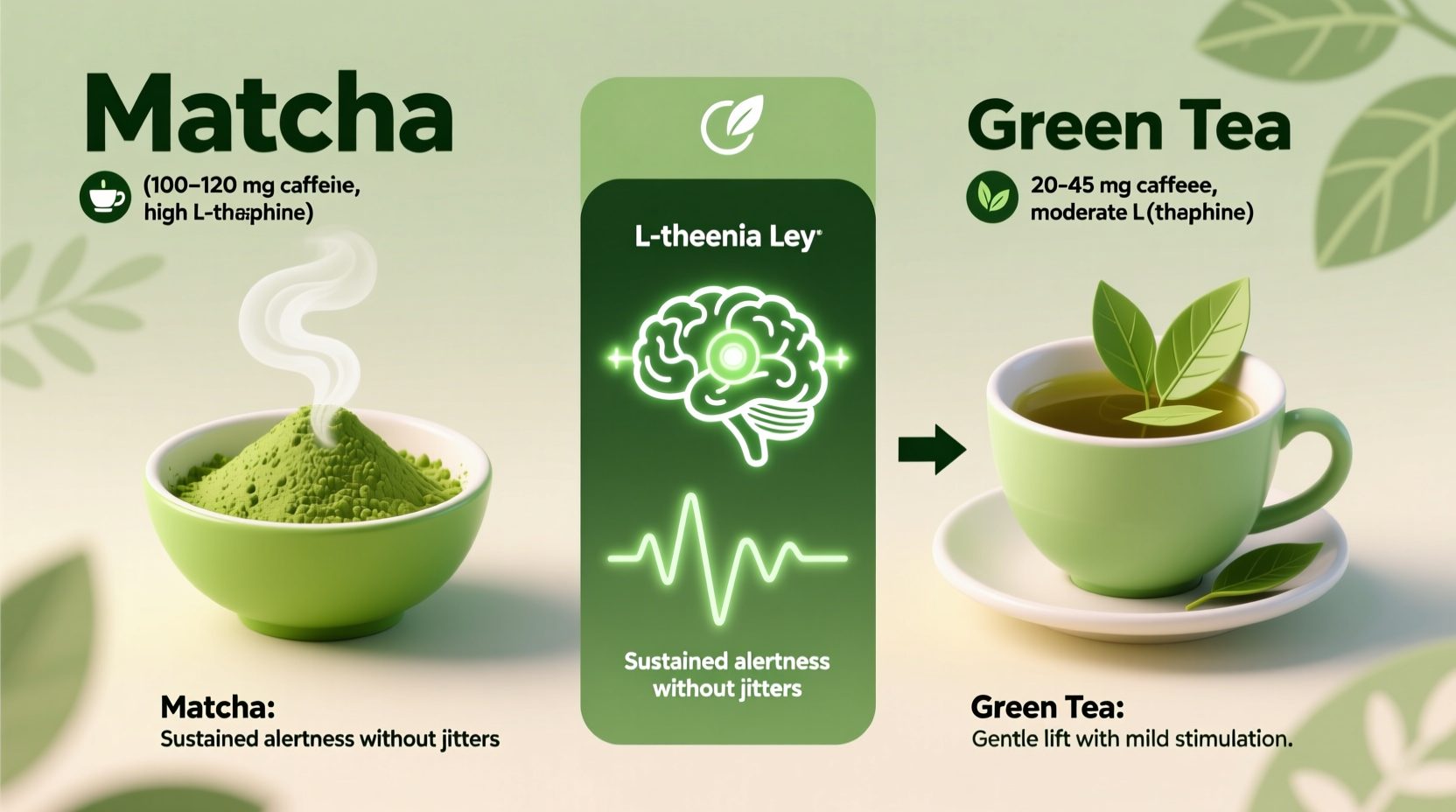
Both matcha and green tea originate from the Camellia sinensis plant, but differences in farming, processing, and preparation lead to distinct physiological effects. The two primary compounds responsible for their impact on energy and focus are caffeine and L-theanine.
Caffeine is a well-known stimulant that blocks adenosine receptors in the brain, delaying fatigue and increasing wakefulness. However, high doses or rapid absorption—like those from coffee—can cause jitteriness, increased heart rate, and anxiety in sensitive individuals.
L-theanine, an amino acid almost exclusively found in tea plants, promotes relaxation without drowsiness. It increases alpha brain wave activity, which is linked to a state of “wakeful calm”—the ideal mental environment for concentration and creativity. When combined with caffeine, L-theanine modulates the stimulant’s effects, smoothing out the energy curve and preventing sharp spikes and crashes.
“L-theanine doesn’t just reduce anxiety—it actively enhances attention and cognitive flexibility, especially when paired with caffeine.” — Dr. Karen Y. Morinaga, Cognitive Nutrition Researcher, University of Tokyo
Matcha vs. Green Tea: A Nutritional Comparison
While both beverages contain caffeine and L-theanine, the concentrations vary significantly due to cultivation and consumption methods.
| Compound | Matcha (1 tsp / ~1g) | Green Tea (8 oz brewed) | Notes |
|---|---|---|---|
| Caffeine | 30–70 mg | 20–45 mg | Matcha provides higher, more consistent caffeine due to full-leaf consumption. |
| L-theanine | 20–35 mg | 8–20 mg | Shade-growing boosts L-theanine; matcha delivers nearly double the amount. |
| EGCG (antioxidant) | 100–130 mg | 50–70 mg | Matcha contains up to three times more EGCG, linked to neuroprotection. |
| Total Polyphenols | ~200 mg | ~100 mg | Greater antioxidant load supports long-term brain health. |
The key advantage of matcha lies in this synergy: higher levels of both caffeine and L-theanine create a balanced, prolonged release of energy. Because you ingest the whole leaf, matcha offers up to three times the concentration of beneficial compounds compared to steeped green tea.
Why Matcha Delivers Smoother Energy
The experience of drinking matcha is often described as “calm alertness”—a mental state where clarity and productivity coexist with emotional balance. This effect is not anecdotal; it's rooted in pharmacokinetics and neuroscience.
When you drink matcha, caffeine is absorbed more slowly than in coffee due to the presence of fiber and complex polyphenols in the powdered leaf. This gradual release prevents the abrupt spike in blood caffeine levels that triggers jitters. Simultaneously, L-theanine crosses the blood-brain barrier and begins increasing GABA and dopamine activity within 30–40 minutes, promoting relaxation and improved mood.
A 2021 study published in Pharmacology Biochemistry and Behavior found that participants who consumed matcha reported significantly higher scores in attention, memory, and reaction time compared to placebo—and notably lower self-reported stress levels despite elevated alertness.
In contrast, standard green tea, while beneficial, typically contains lower concentrations of these compounds. Unless you're drinking multiple cups throughout the day, the cumulative effect on focus is milder. Additionally, brewing temperature and steeping time can degrade heat-sensitive compounds like L-theanine, further reducing efficacy.
Real-World Example: A Day in the Life of a Remote Worker
Sophie, a freelance graphic designer based in Portland, used to rely on two cups of coffee each morning to power through client deadlines. But by mid-morning, she’d feel anxious, her hands slightly shaky, and her thoughts racing without direction. After switching to a daily ritual of one serving of ceremonial matcha at 9 a.m., she noticed a dramatic shift.
“I’m still alert, but it’s like my brain is in cruise control instead of overdrive,” she said. “I can work for three hours straight without distraction, and I don’t get that crash at noon. Even my sleep improved because I wasn’t wired all afternoon.”
Sophie isn’t alone. Many professionals in high-focus fields—from software developers to writers—are turning to matcha as a sustainable cognitive enhancer that supports deep work without burnout.
How to Maximize Focus with Matcha: A Step-by-Step Guide
To get the most out of matcha for energy and mental clarity, preparation matters. Follow this simple routine to optimize your experience:
- Choose high-quality ceremonial-grade matcha. Look for vibrant green color, smooth texture, and origin from Japan (Uji or Nishio regions are renowned).
- Use the right tools. A bamboo whisk (chasen) and bowl (chawan) help dissolve clumps and aerate the tea, improving consistency and nutrient dispersion.
- Measure precisely. Use 1 gram (about 1/2 teaspoon) of matcha powder per 8 oz of water. Too much can lead to overstimulation.
- Heat water to 175°F (80°C). Boiling water degrades L-theanine and creates bitterness. Let boiled water cool for 2–3 minutes before use.
- Whisk vigorously in a zig-zag motion until frothy. This ensures even suspension of particles and enhances bioavailability.
- Drink mindfully on an empty stomach or with light snacks. Avoid pairing with heavy meals, which can slow absorption.
- Time it right. Consume between 8–10 a.m. for peak cognitive alignment. Avoid late afternoon to prevent sleep disruption.
Common Pitfalls to Avoid
- Using culinary-grade matcha for drinking. These blends are designed for baking and often contain fillers or lower-quality leaves with diminished L-theanine.
- Overheating the water. Temperatures above 185°F destroy delicate amino acids and increase bitterness.
- Consuming too late in the day. Matcha’s caffeine has a longer half-life due to slow release—drinking after 3 p.m. may interfere with sleep.
- Mixing with sugar or milk-based lattes. While tasty, these additions can negate cognitive benefits by spiking insulin and slowing digestion.
Checklist: Choosing and Using Matcha for Optimal Focus
- ✅ Source ceremonial-grade, shade-grown matcha from Japan
- ✅ Check for bright green color (dull green indicates oxidation)
- ✅ Store in an airtight container away from light and moisture
- ✅ Use water below boiling point (175°F ideal)
- ✅ Whisk properly to ensure full dispersion
- ✅ Limit intake to 1–2 servings per day
- ✅ Pair with hydration and a balanced breakfast
Frequently Asked Questions
Can green tea provide the same focus benefits as matcha?
Yes, but to a lesser extent. High-quality loose-leaf green teas like gyokuro or sencha contain notable L-theanine and moderate caffeine, making them viable alternatives. However, because you’re not consuming the whole leaf, the total compound delivery is lower. To match the cognitive impact of one serving of matcha, you’d likely need to drink 2–3 cups of premium green tea spaced throughout the morning.
Does matcha cause jitters?
Rarely, when consumed responsibly. The combination of L-theanine and slow-releasing caffeine makes jitters uncommon. However, excessive intake (more than 2 servings), poor quality matcha, or sensitivity to caffeine can still lead to restlessness. Start with a small dose to assess tolerance.
Is matcha safe for daily use?
Yes, for most adults. Up to 2 grams of matcha per day (about 2 servings) is considered safe and beneficial. However, due to its high concentration of compounds, moderation is key. Those with liver conditions or caffeine sensitivities should consult a healthcare provider before regular use.
Conclusion: Elevate Your Mind Without the Crash
When it comes to clean, sustainable energy and unwavering focus, matcha stands apart from traditional green tea—not just in flavor, but in functional superiority. Its rich profile of caffeine, L-theanine, and neuroprotective antioxidants creates a rare synergy: stimulation without agitation, clarity without strain.
While green tea remains a healthy, accessible option, matcha offers a more potent, reliable solution for anyone serious about mental performance—students, creatives, professionals, or anyone navigating a demanding schedule. By choosing quality, preparing it mindfully, and respecting dosage, you can harness the full potential of this ancient superfood for modern cognitive demands.




 浙公网安备
33010002000092号
浙公网安备
33010002000092号 浙B2-20120091-4
Comments
No comments yet. Why don't you start the discussion?